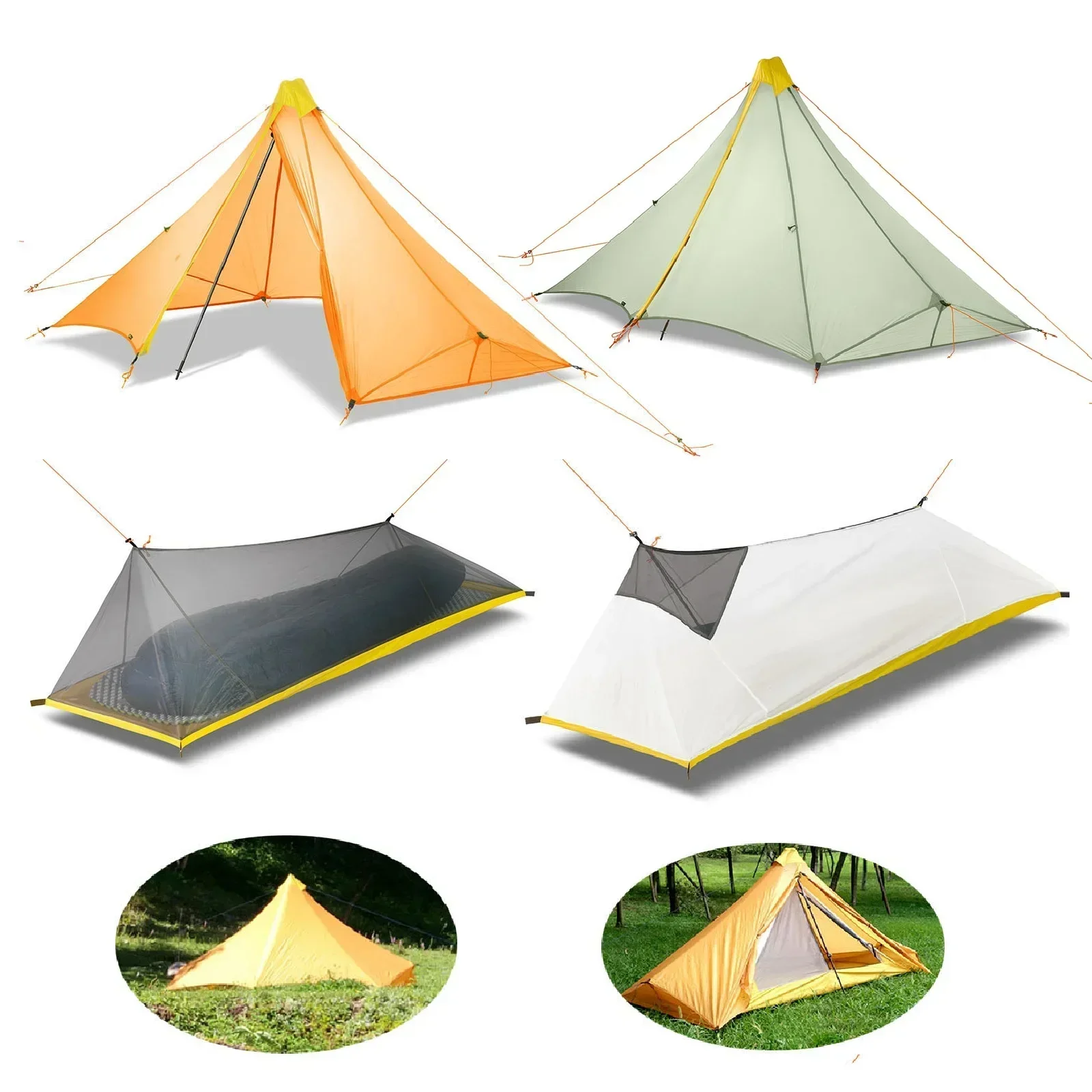
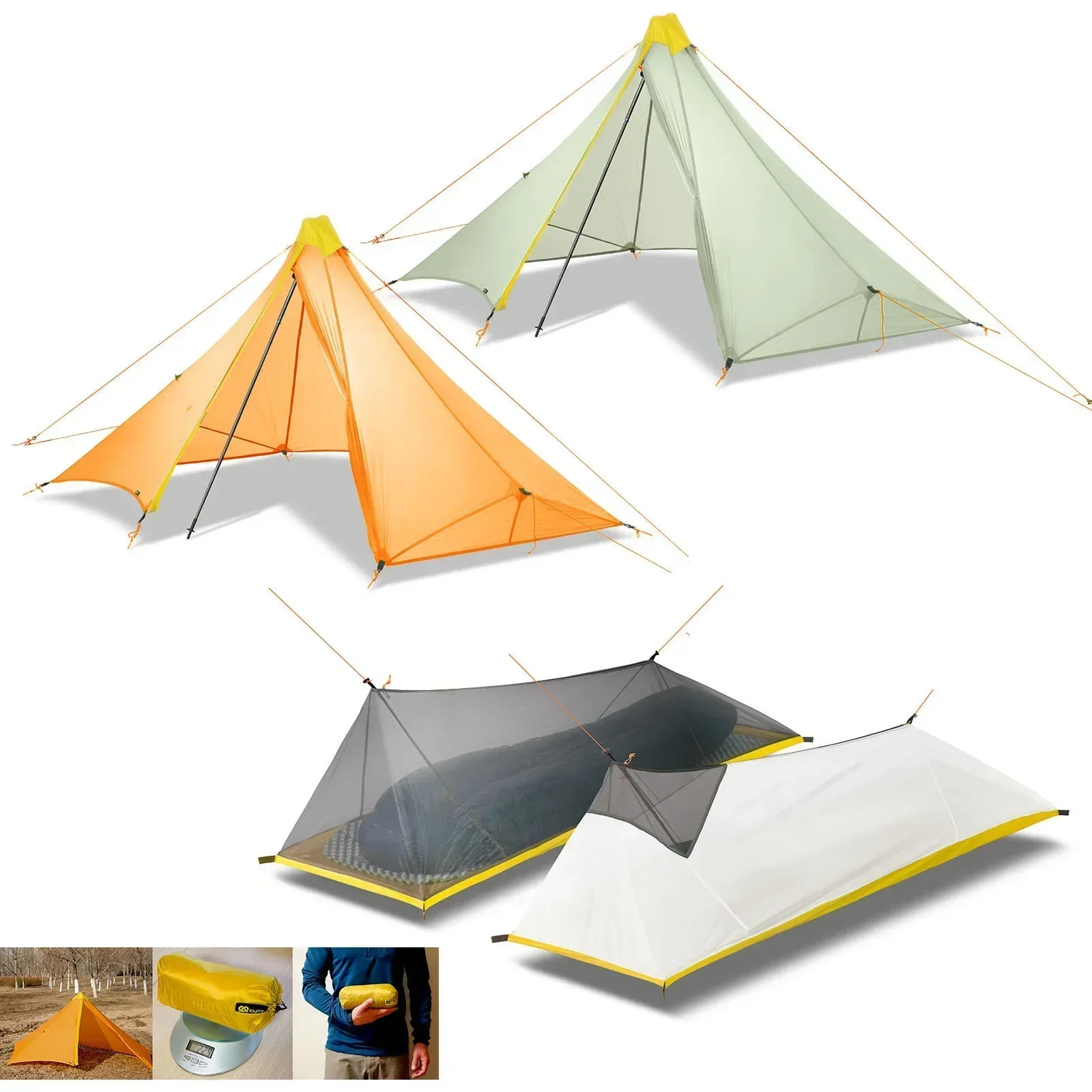
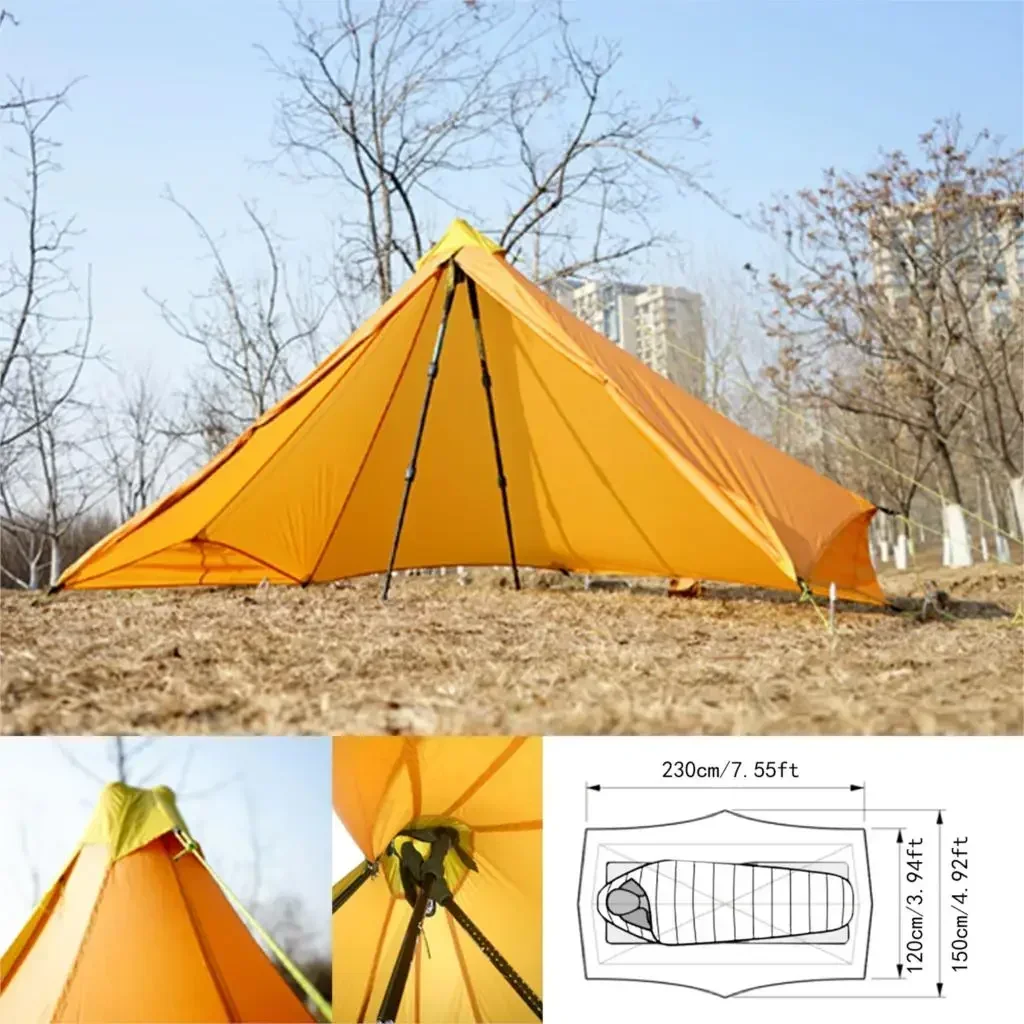
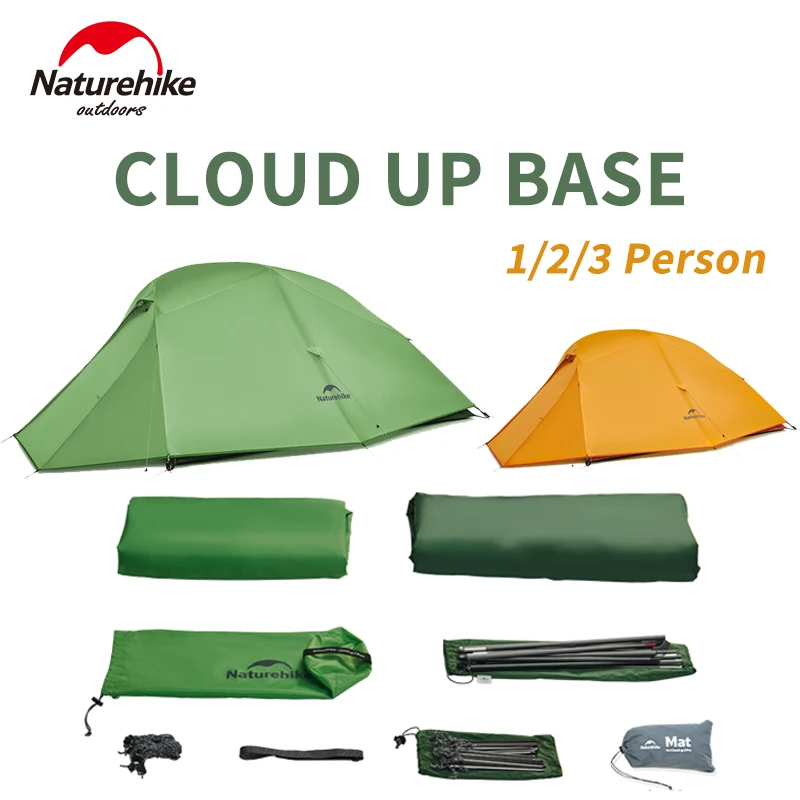
What a nylon tent is
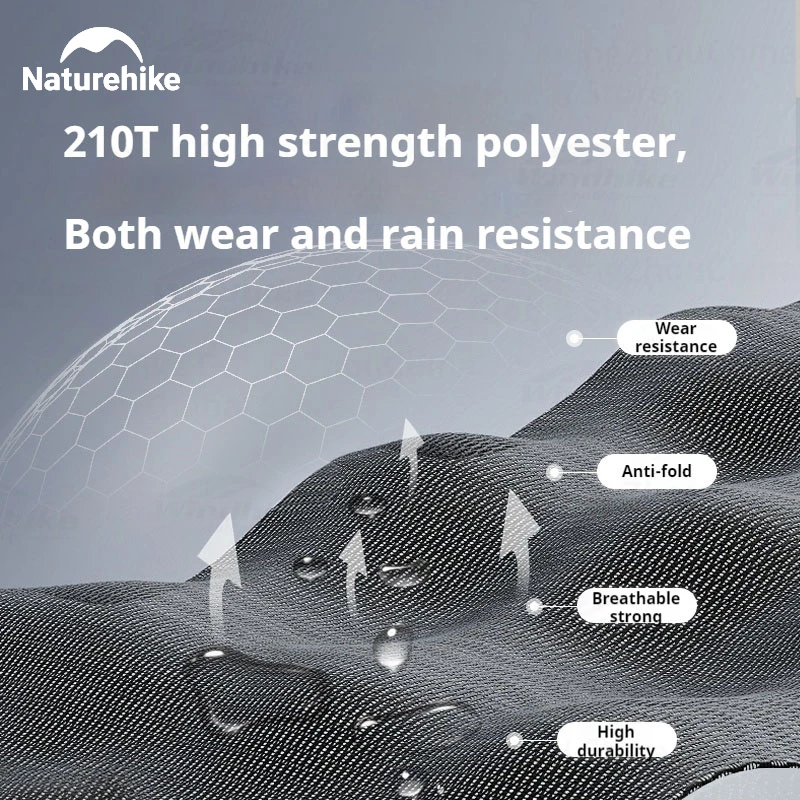
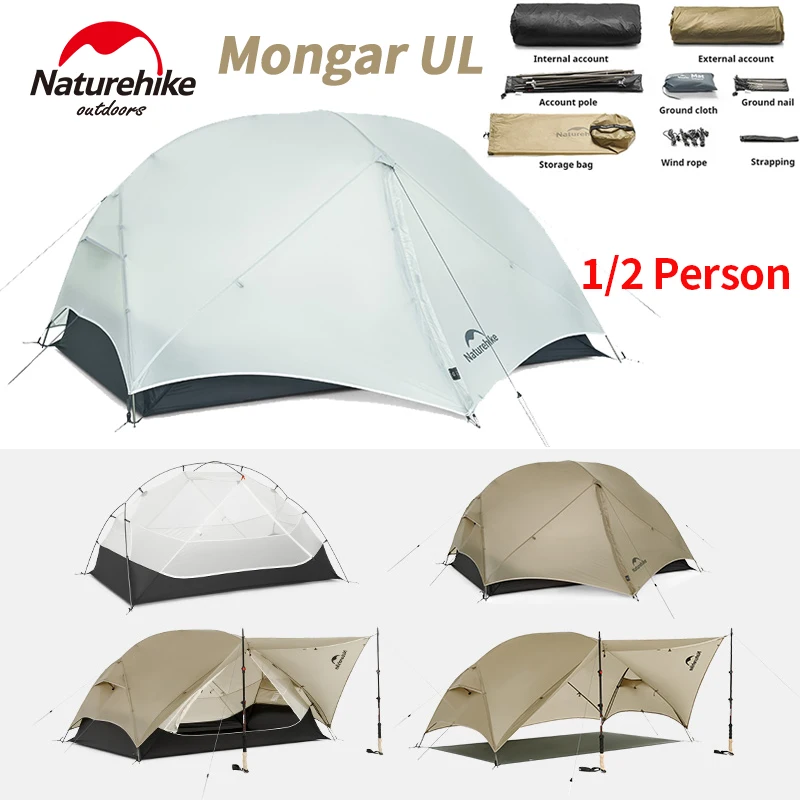
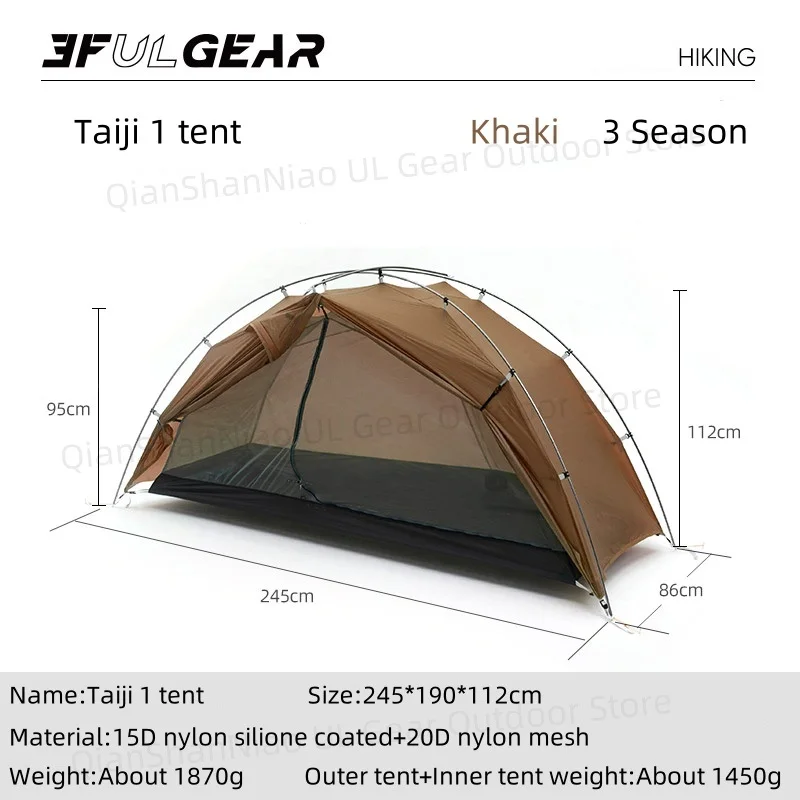
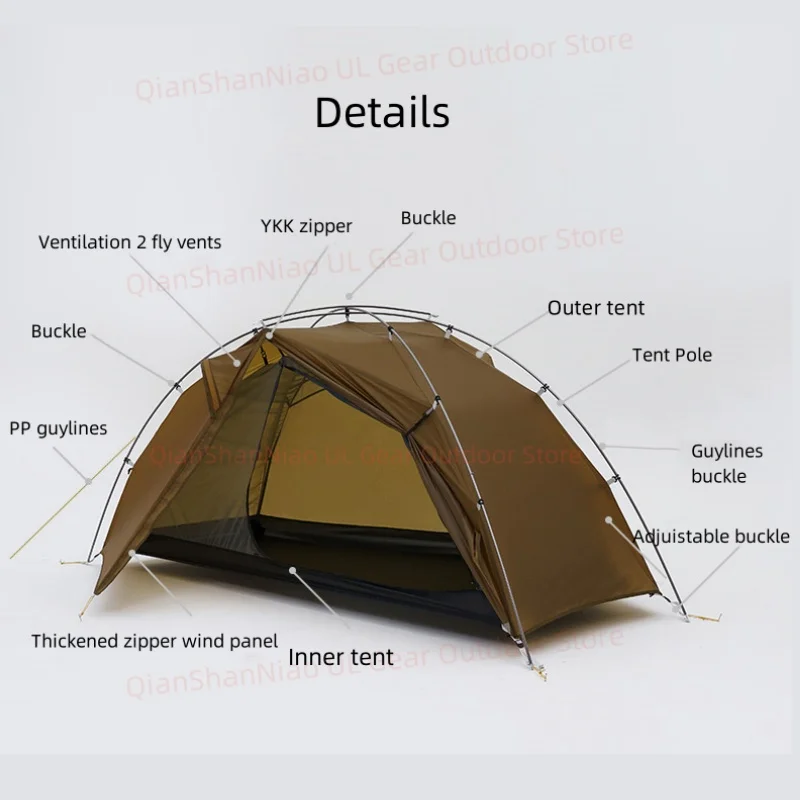
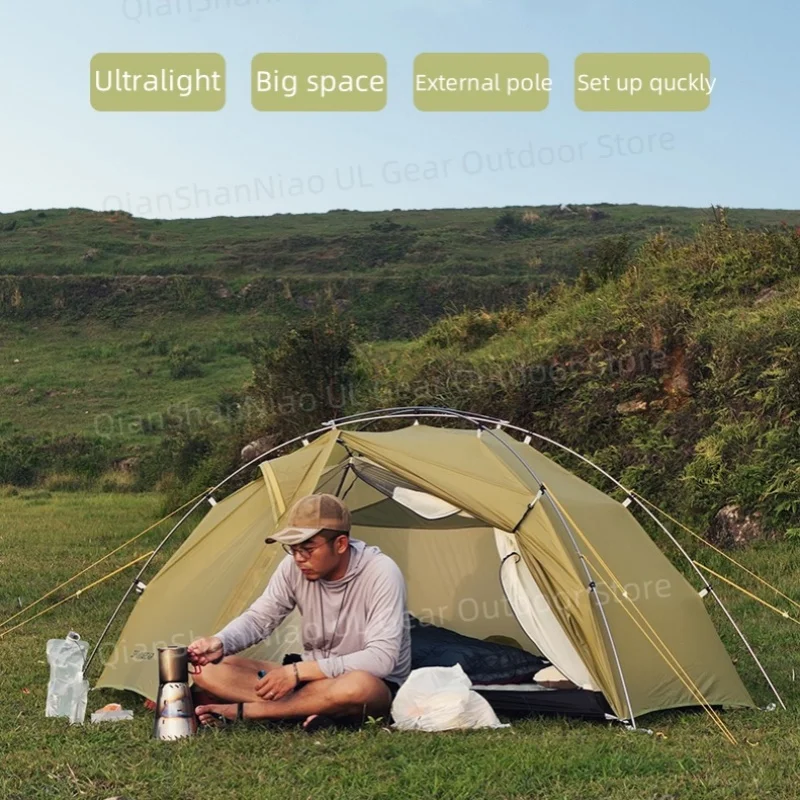
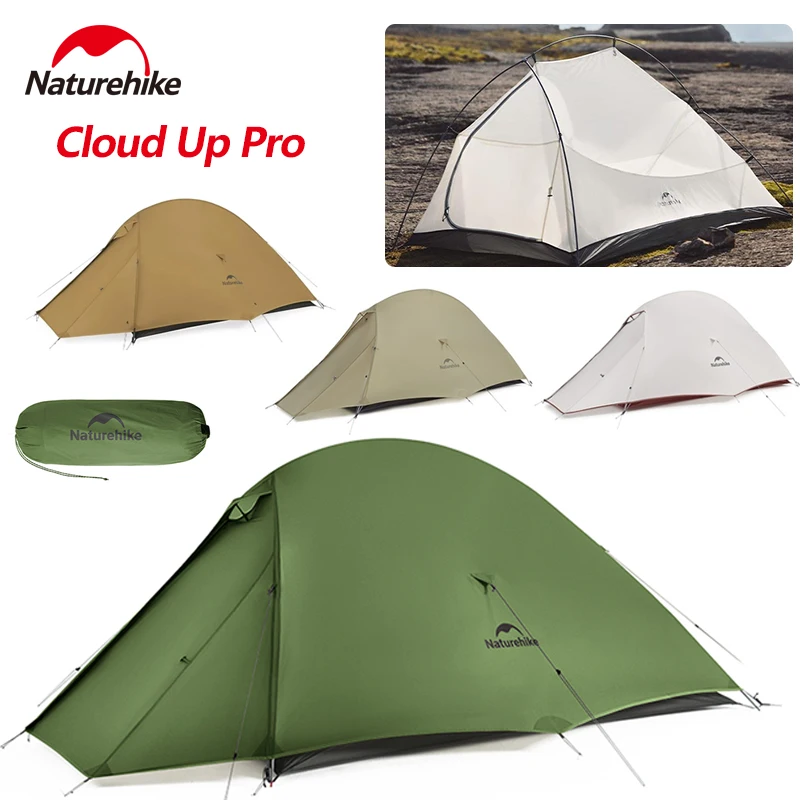
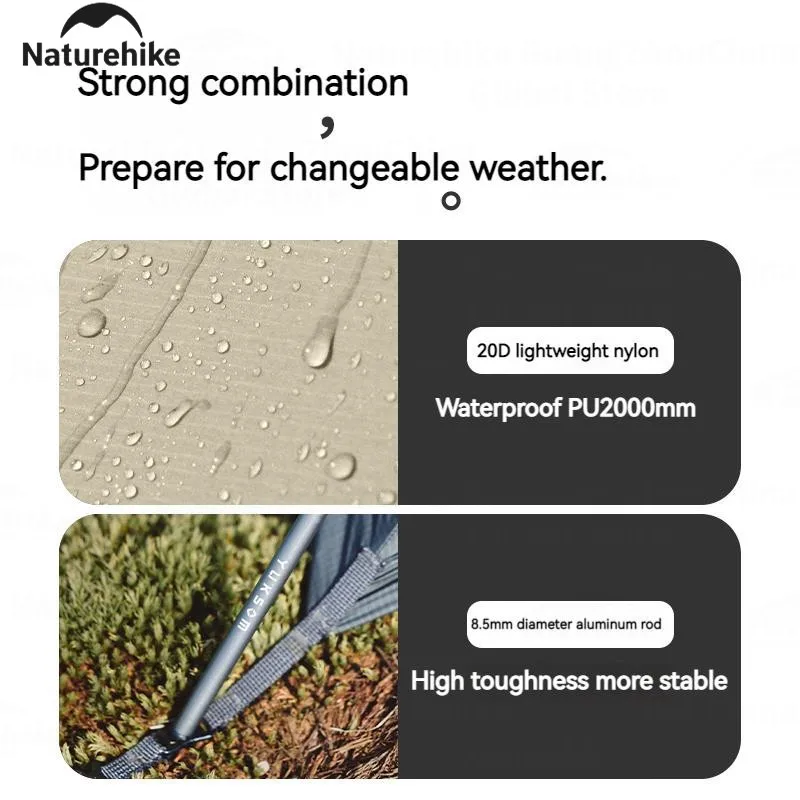
Nylon is the lightest strong tent fabric, which is why most ultralight backpacking tents are made of it. The fabrics here are very fine, from 10D to 40D, and most are coated with silicone, which makes thin nylon stronger and lets rain run off. A tent is filed here when its maker names nylon for any part of it, so many have a nylon flysheet and a heavier polyester or Oxford floor.
The kinds in this range
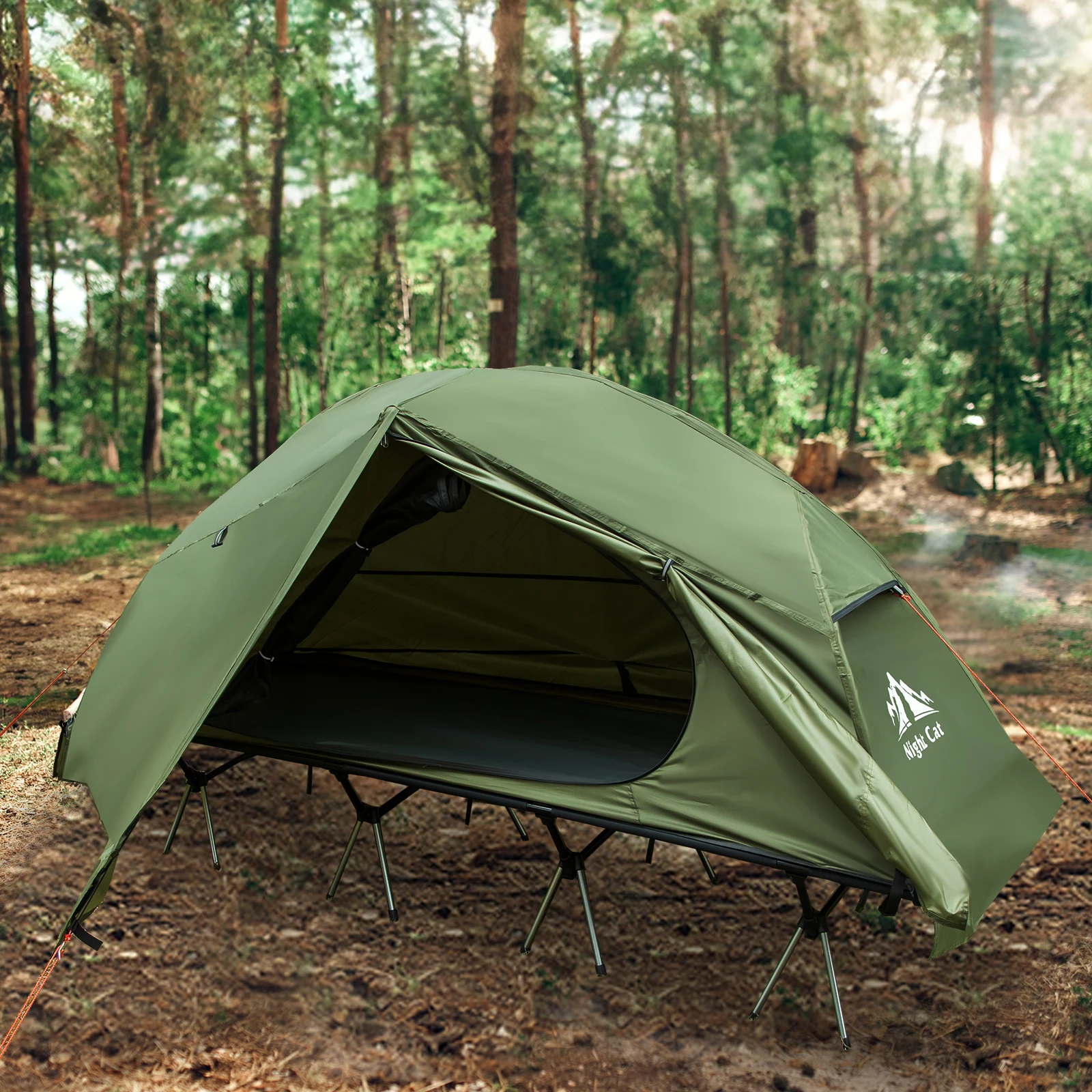
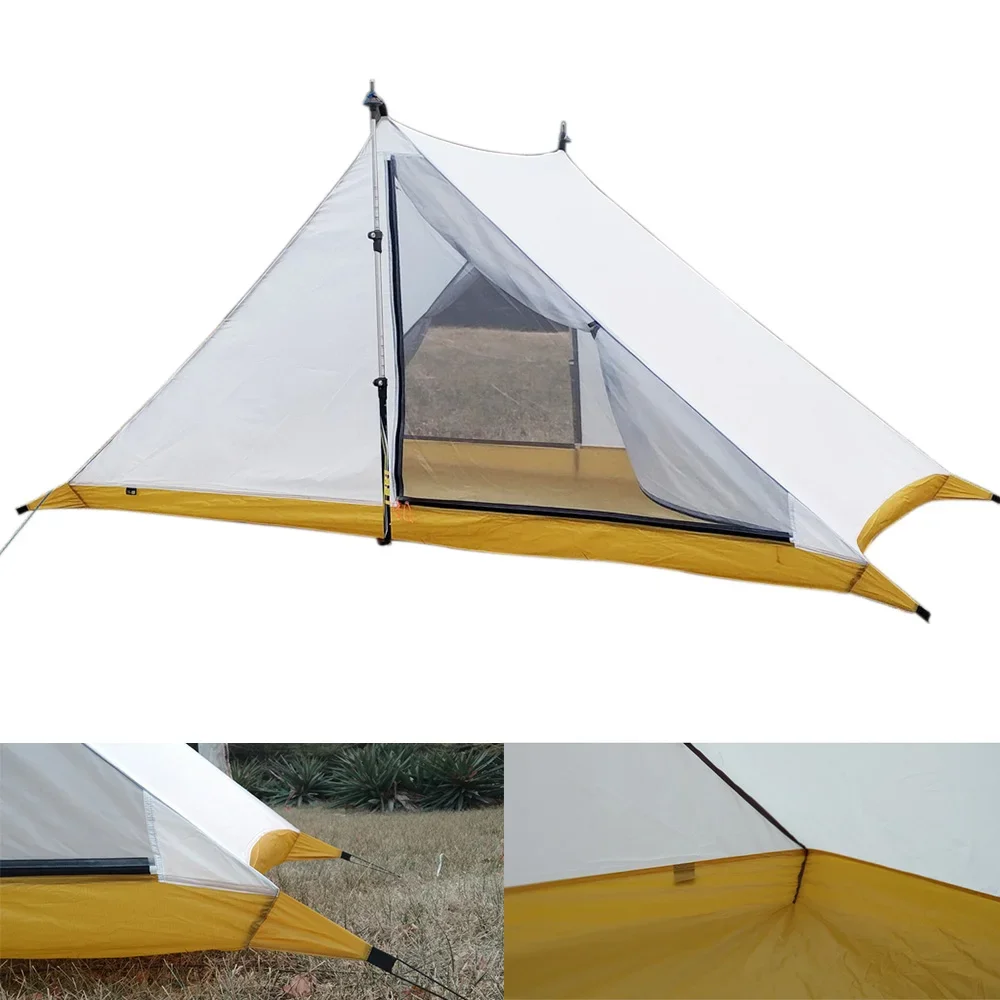
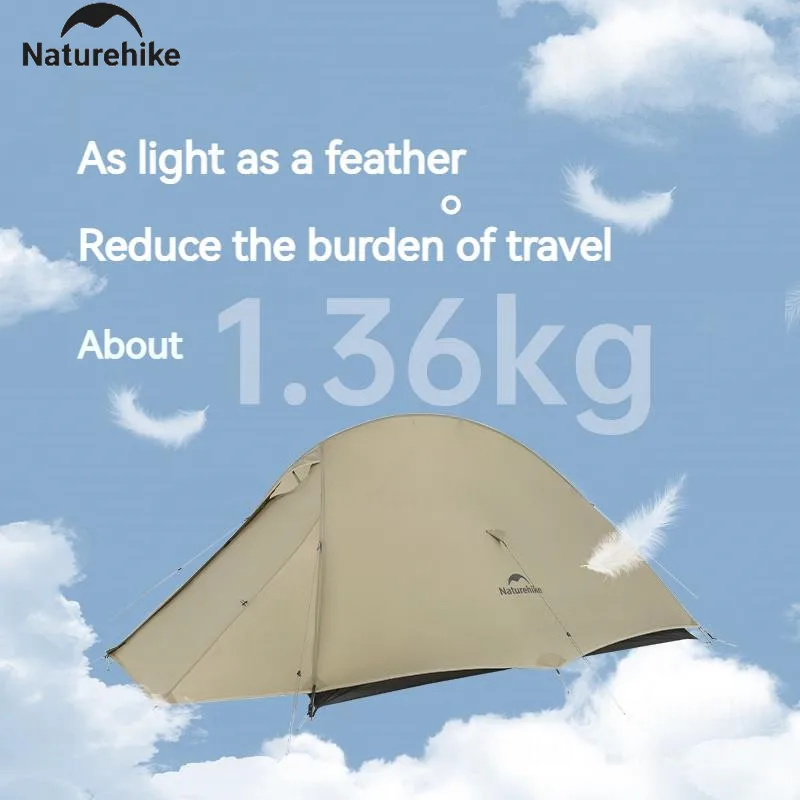
- Ultralight backpacking tents are most of the range. The lightest, in 10D nylon, packs to about 0.87kg for one person. See backpacking and trekking tents.
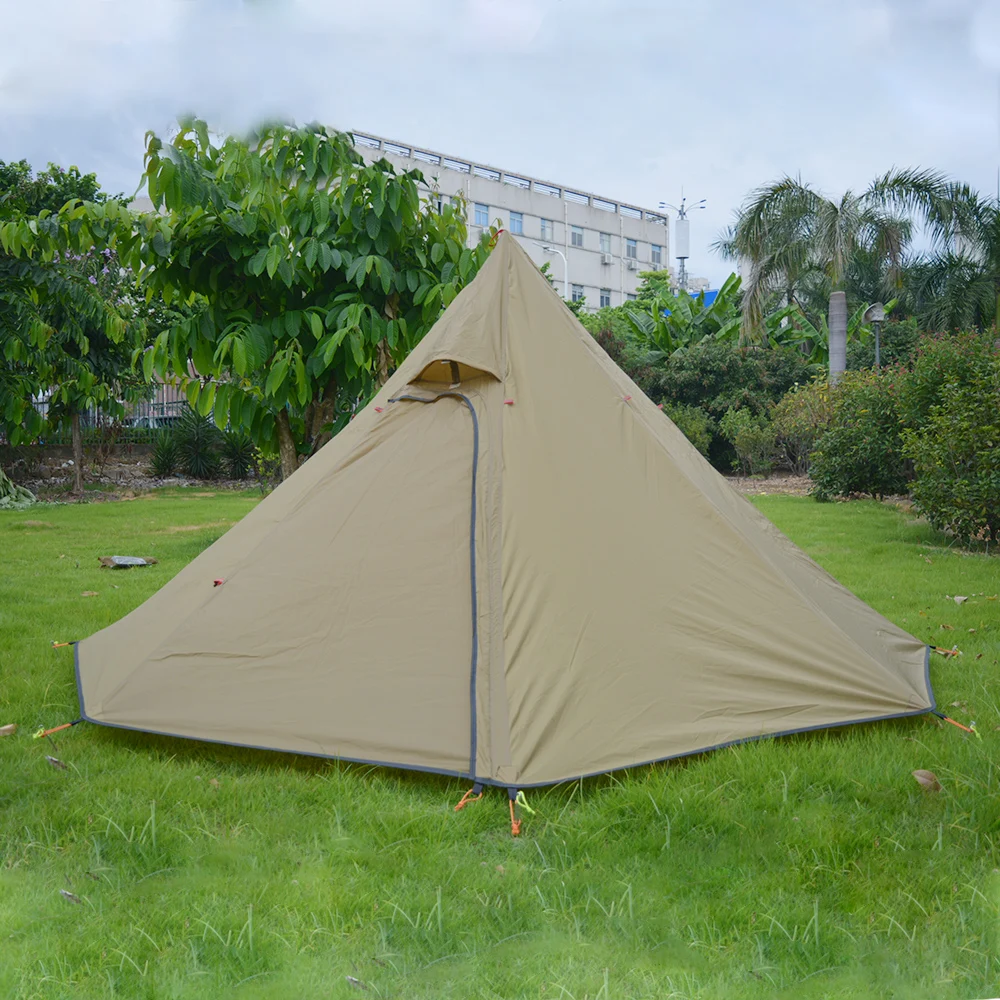
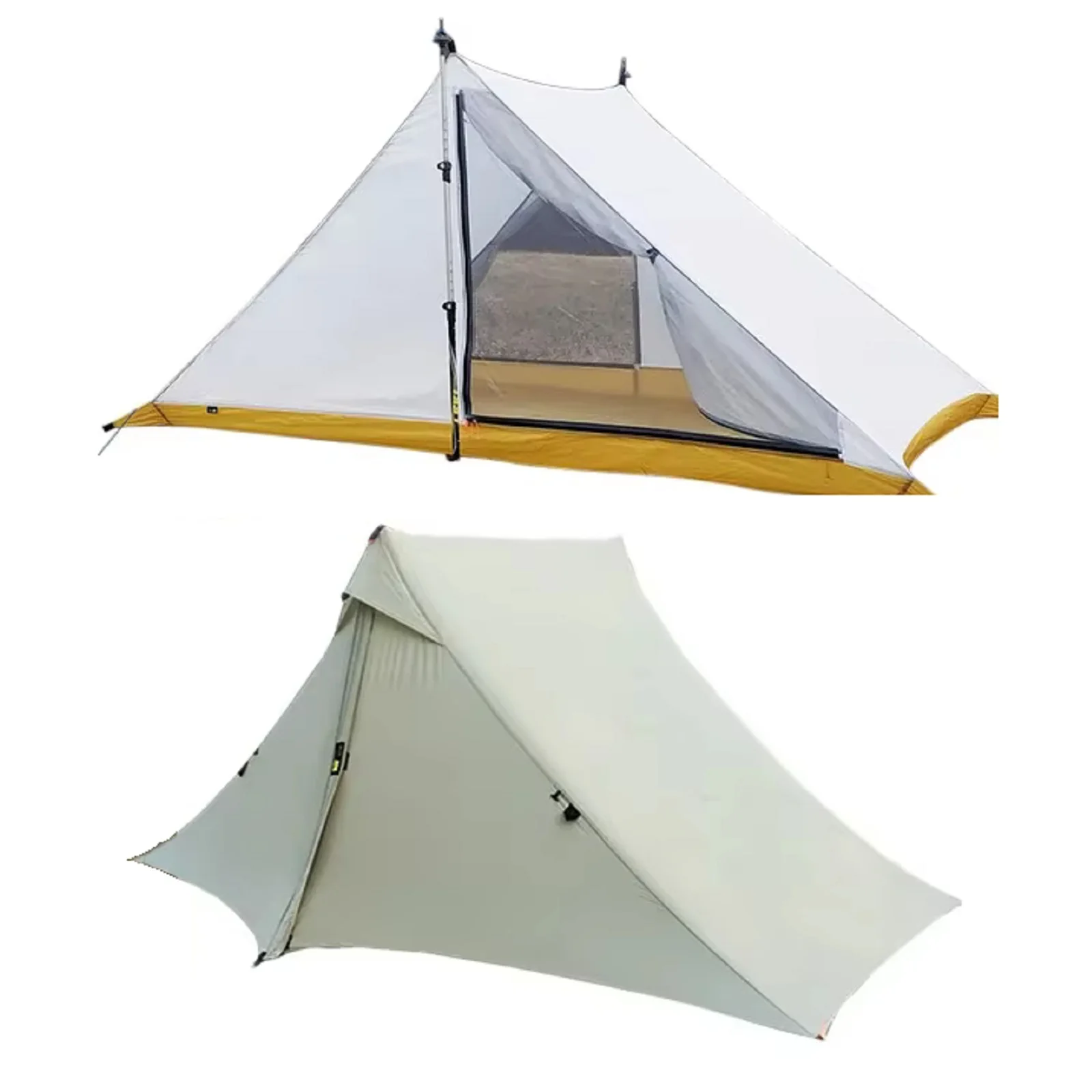
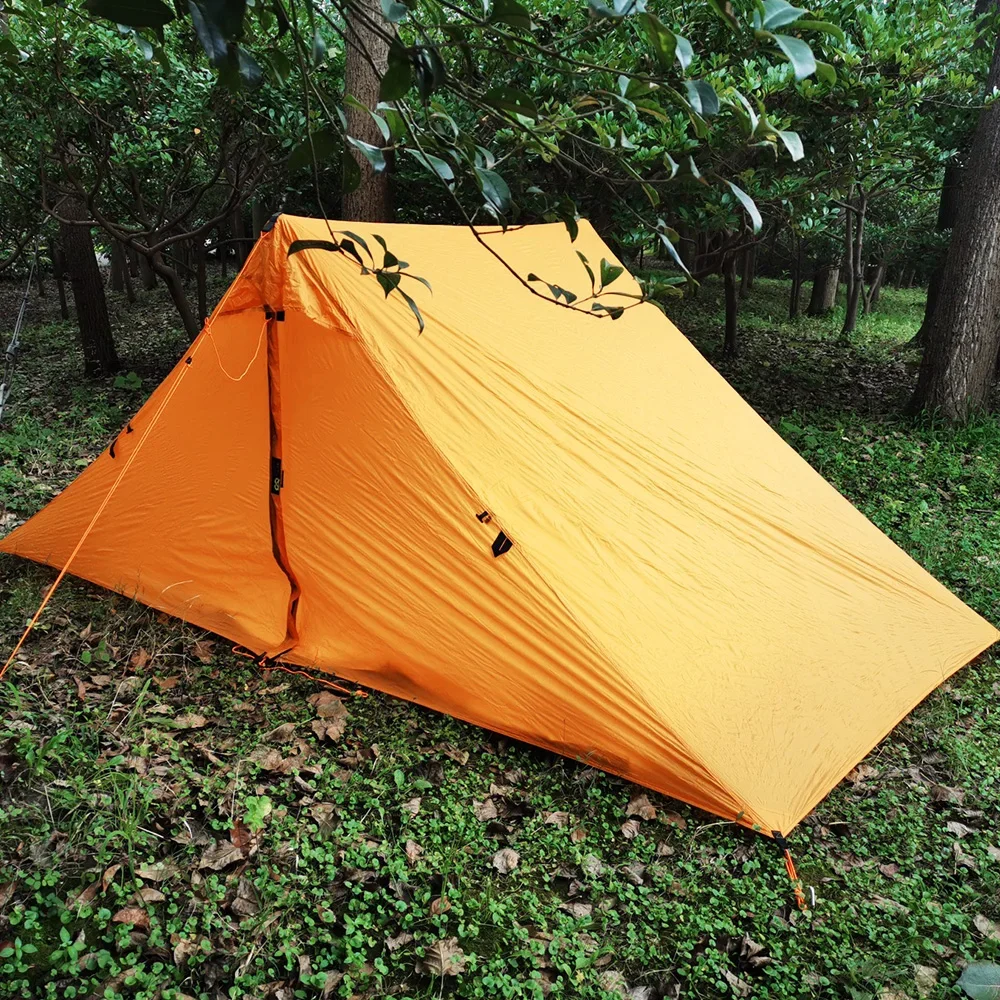
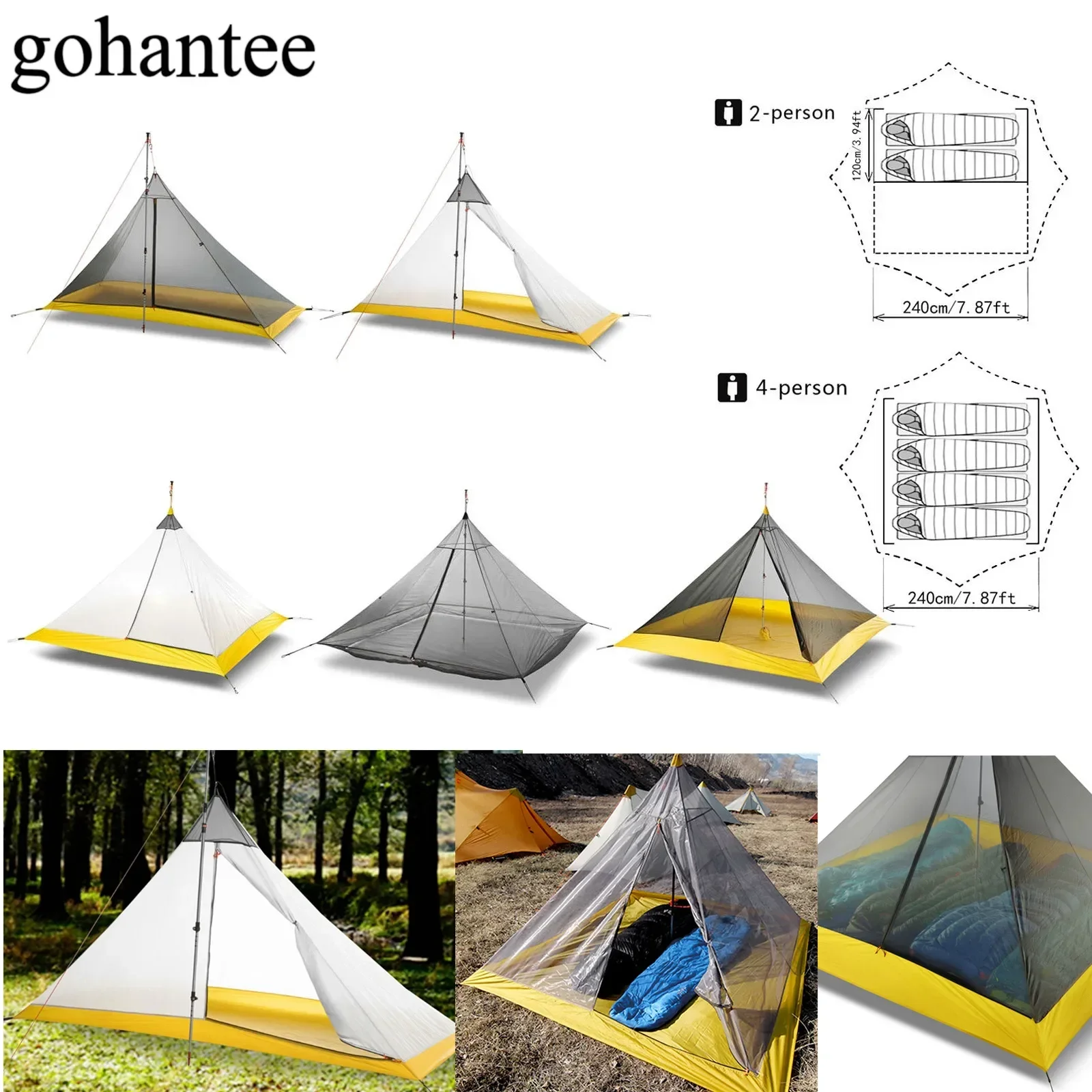
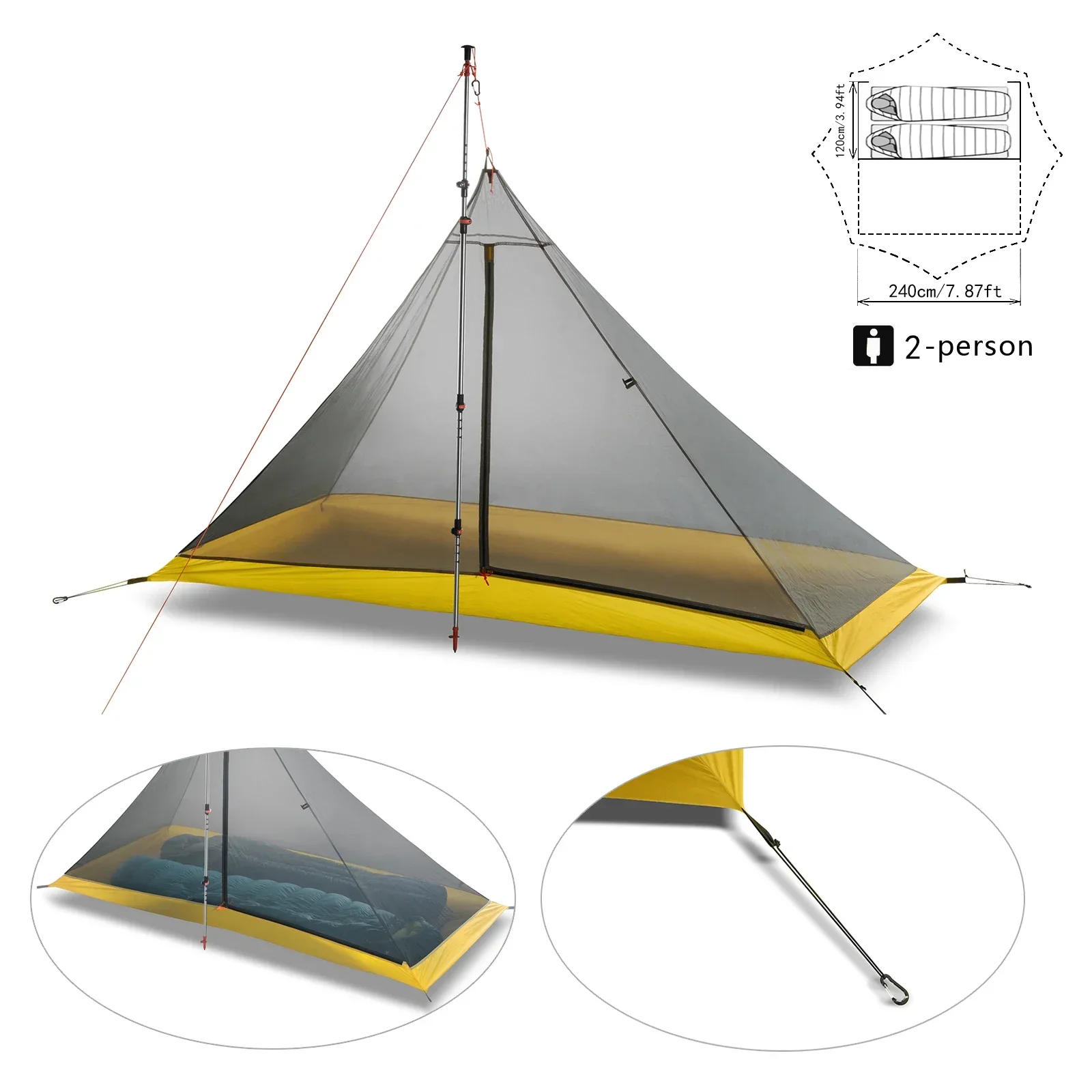
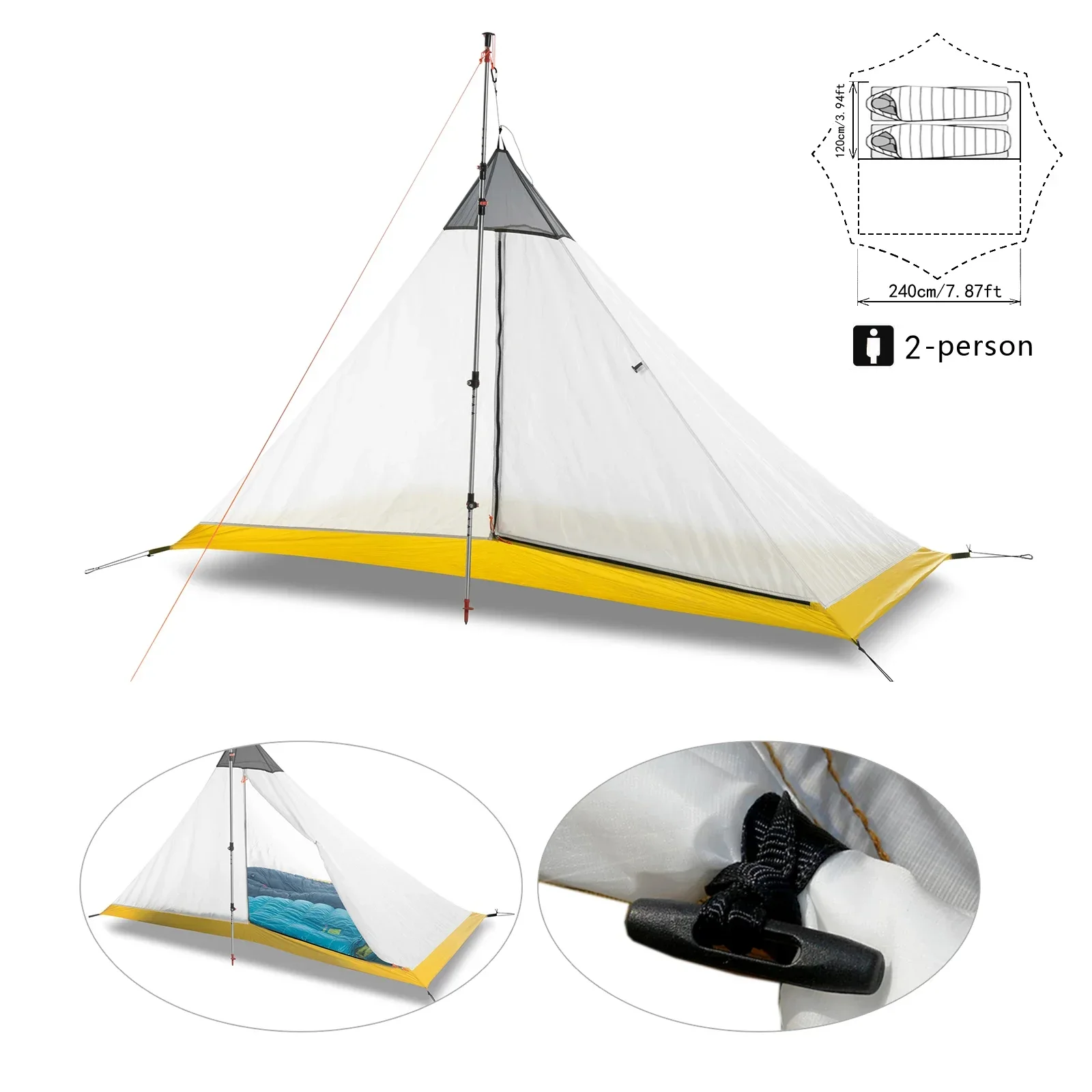
- Pyramid and tarp tents stand on a walking pole. One 20D silnylon pyramid tarp weighs 740g in its smallest size. See pyramid tents.
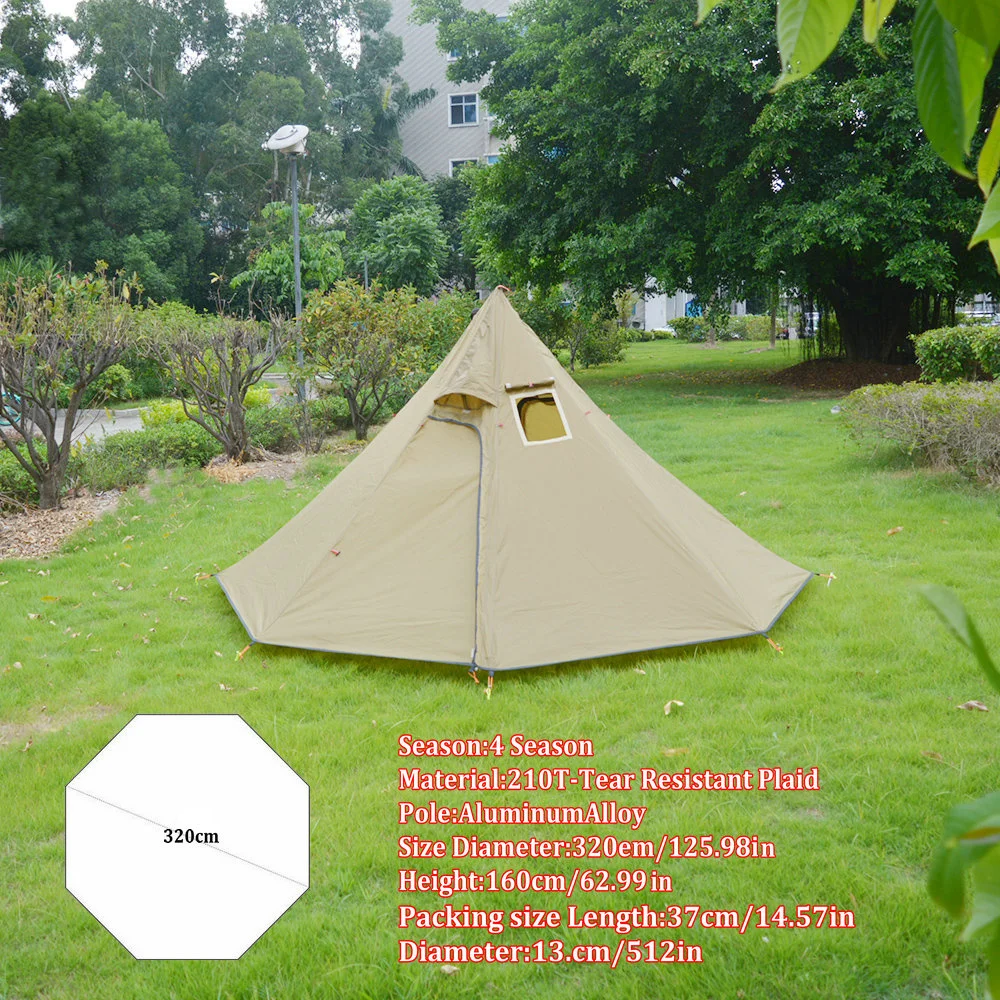
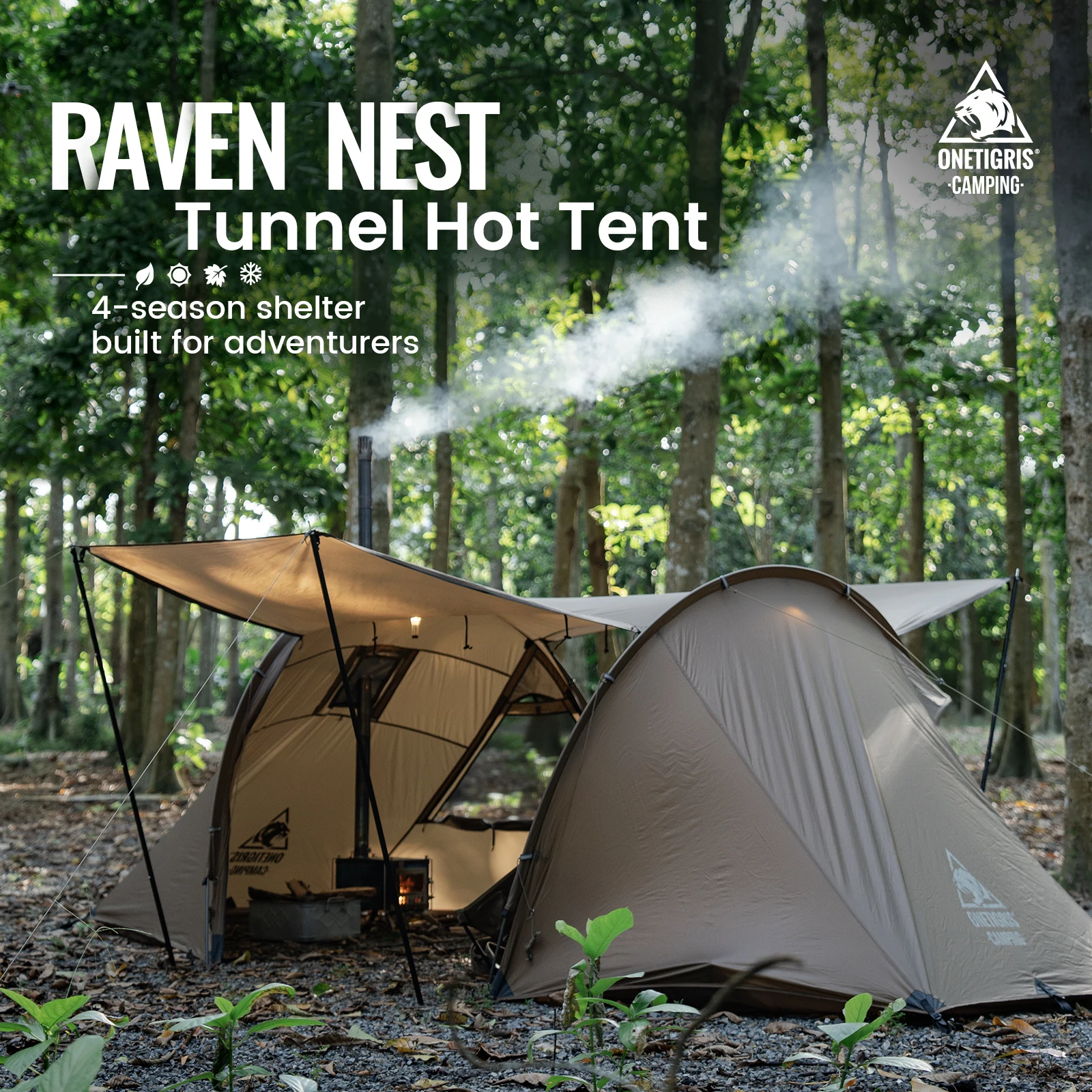
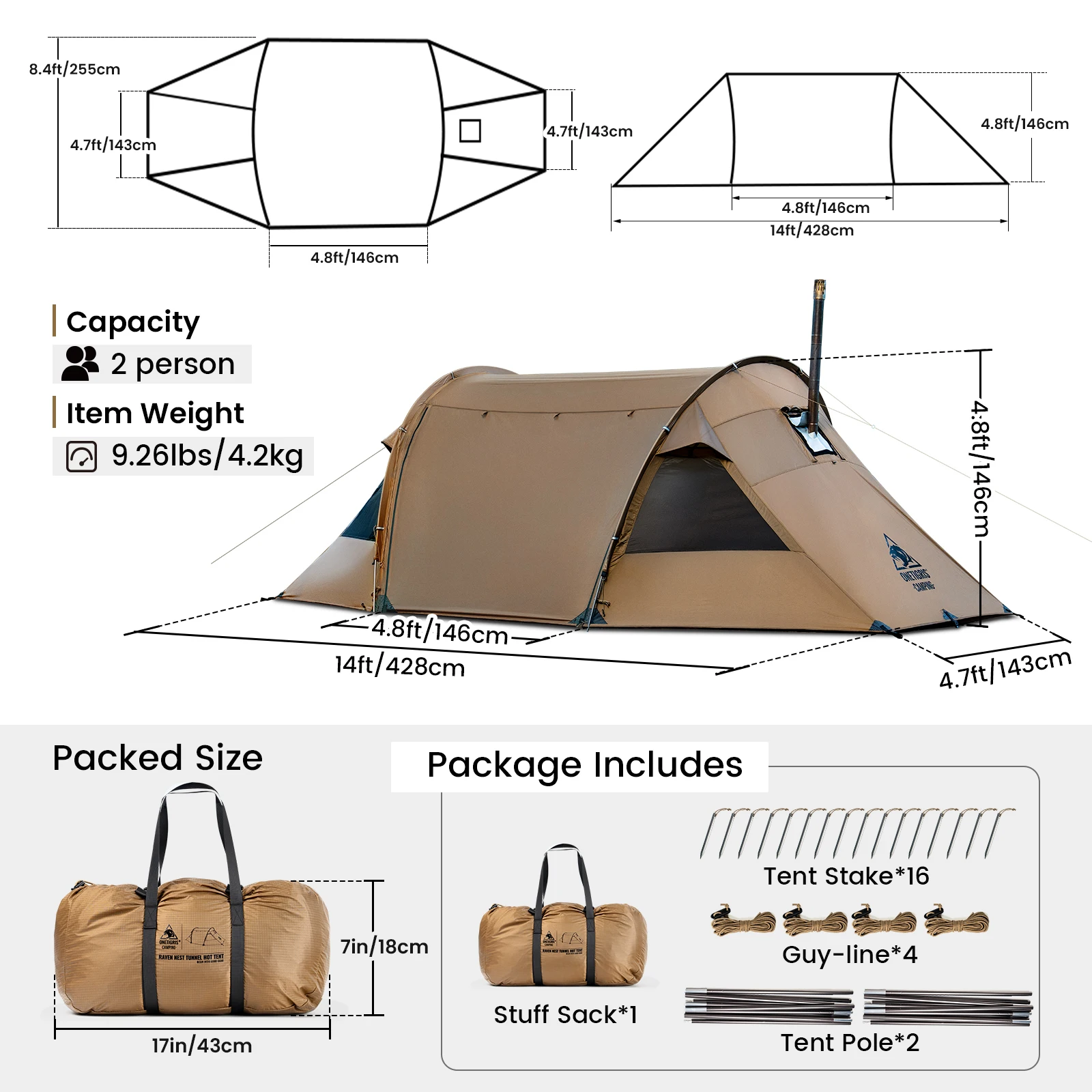
- Light hot tents in 40D silicone-coated nylon, such as the Northgaze 2.0 at about 2.8kg with a chimney hole. See hot tents with a stove jack.
- 4-season hiking tents with a nylon flysheet and a snow skirt. See 4-season tents.
Nylon stretches when it is wet
This is the one thing to know about nylon. It takes up a little water and stretches, so a flysheet pitched tight in the afternoon can sag by night once rain or dew arrives. A sagging fly can touch the inner tent and let water through. So go round the guy lines and tighten them once the tent is wet, and again before bed. Polyester barely stretches, which is why some light tents pair a nylon fly with a polyester floor.
Silnylon, single and double-sided coatings
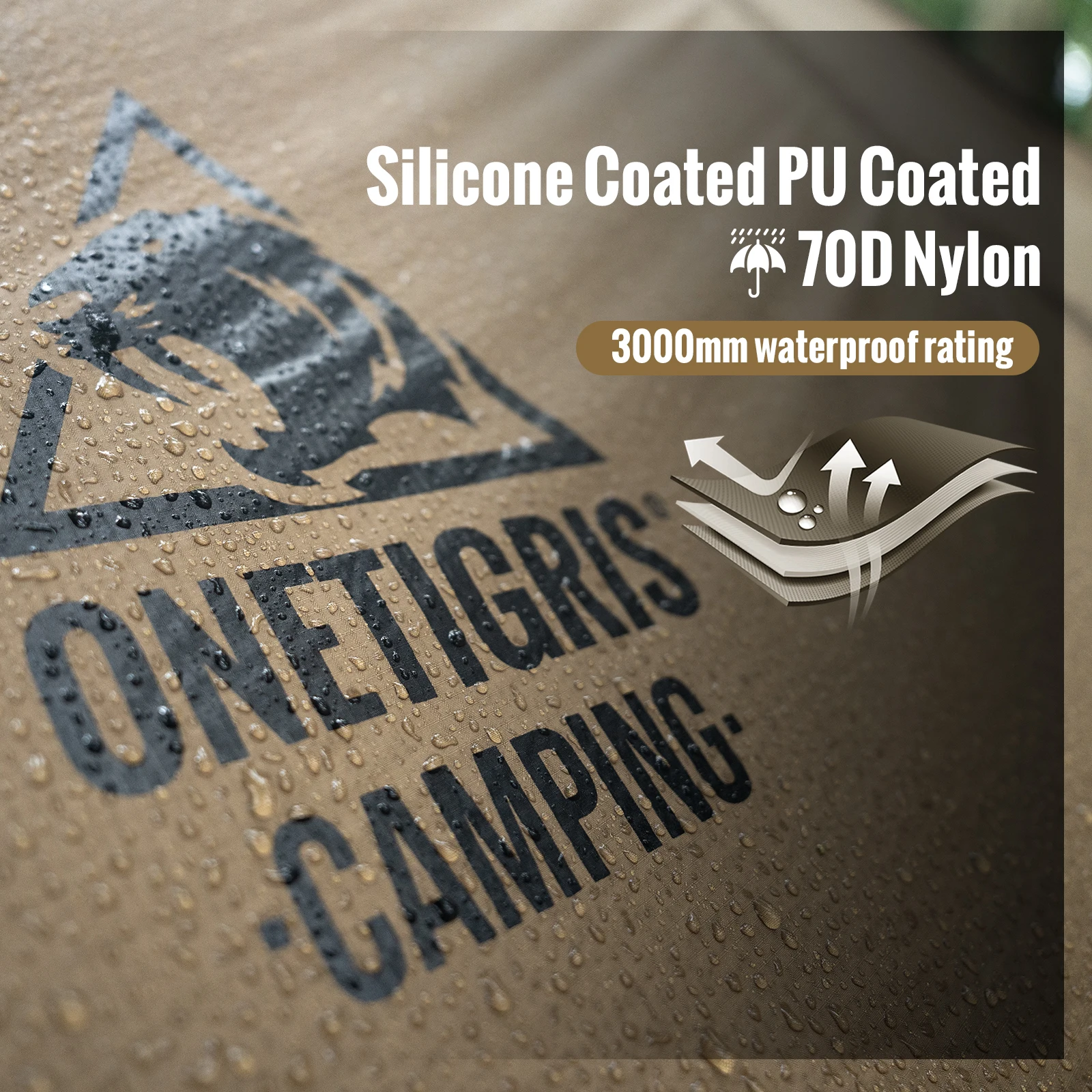
Silnylon is nylon with silicone soaked into it. Double-sided means both faces are coated, which sheds water best; single-sided, or "monosilicone", often has PU on the inside. Silicone cannot take seam tape, so seams are sealed with a liquid sealer: one pyramid tarp here says plainly that its seams are not factory-sealed and the sealant is bought separately.
What the waterproof rating means on a nylon tent
The rating in millimetres, the hydrostatic head, is the height of a column of water the fabric holds back before it leaks, tested to BS EN ISO 811. About 1,000mm is the lowest rating usually called waterproof, most lightweight flysheets are 1,500mm to 3,000mm, and more is worth having for long wet trips or a nylon tent left up for days. The groundsheet is often rated higher, because you kneel and lie on it. Nylon flysheets here run from 1,500mm on the 15D and 20D silnylon to 4,000mm on the Naturehike Opalus. Taped seams matter as much as the number. Shop by rating: to 2,000mm, to 3,000mm and 5,000mm and over.
Questions people ask about nylon tents
Is a 10D or 15D tent strong enough?
Yes, with care. The fabric is fine, so pitch away from thorns and sharp stones, and use a footprint under the floor.
Why does my nylon tent sag overnight?
The fabric stretches when wet or cold. Tighten the guy lines; it tightens again as it dries.
How long does delivery take?
Delivery is included in every price and tracked to your door. Each product page says when that tent usually arrives, so check it before ordering for a set date.
More to look at