What a tarp shelter is
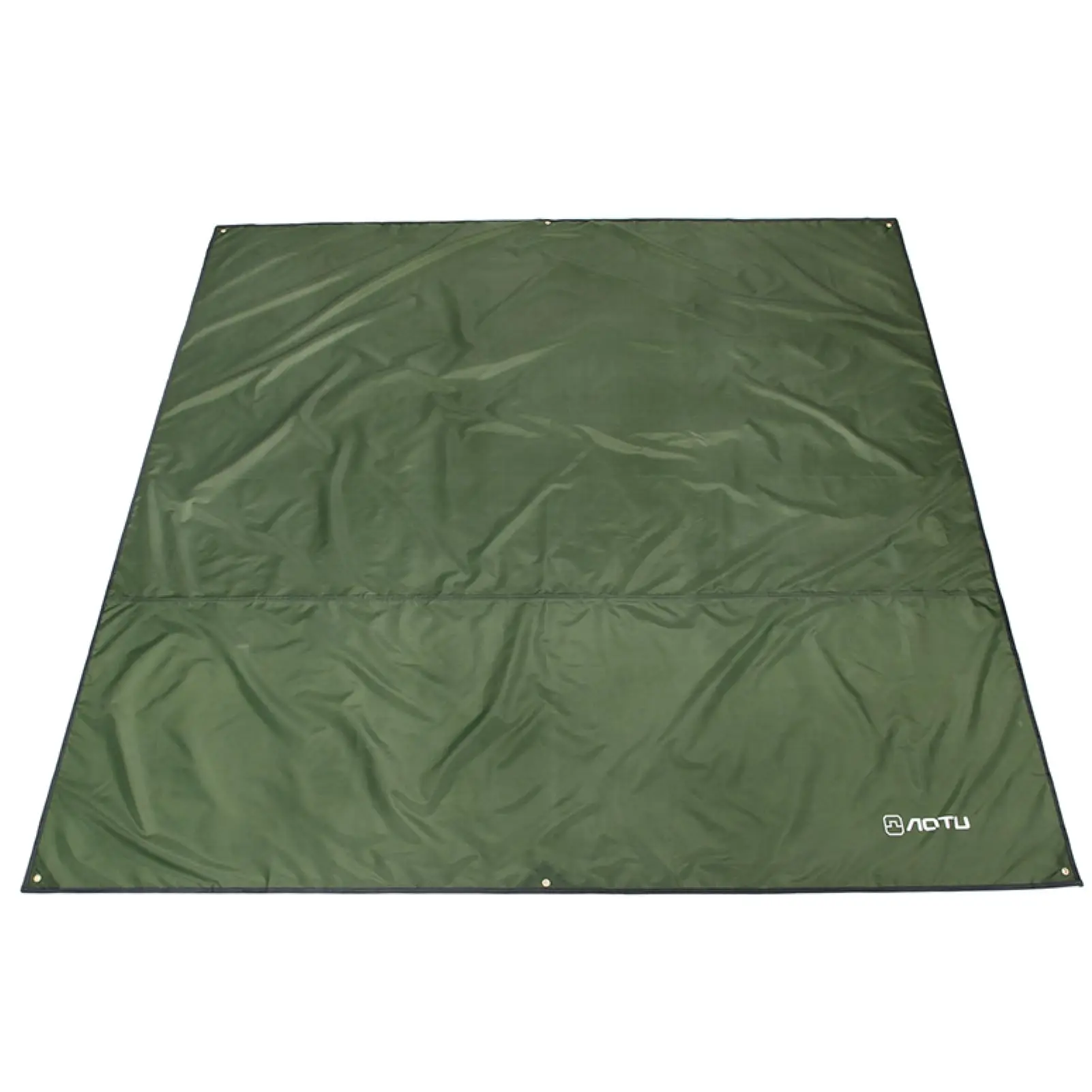
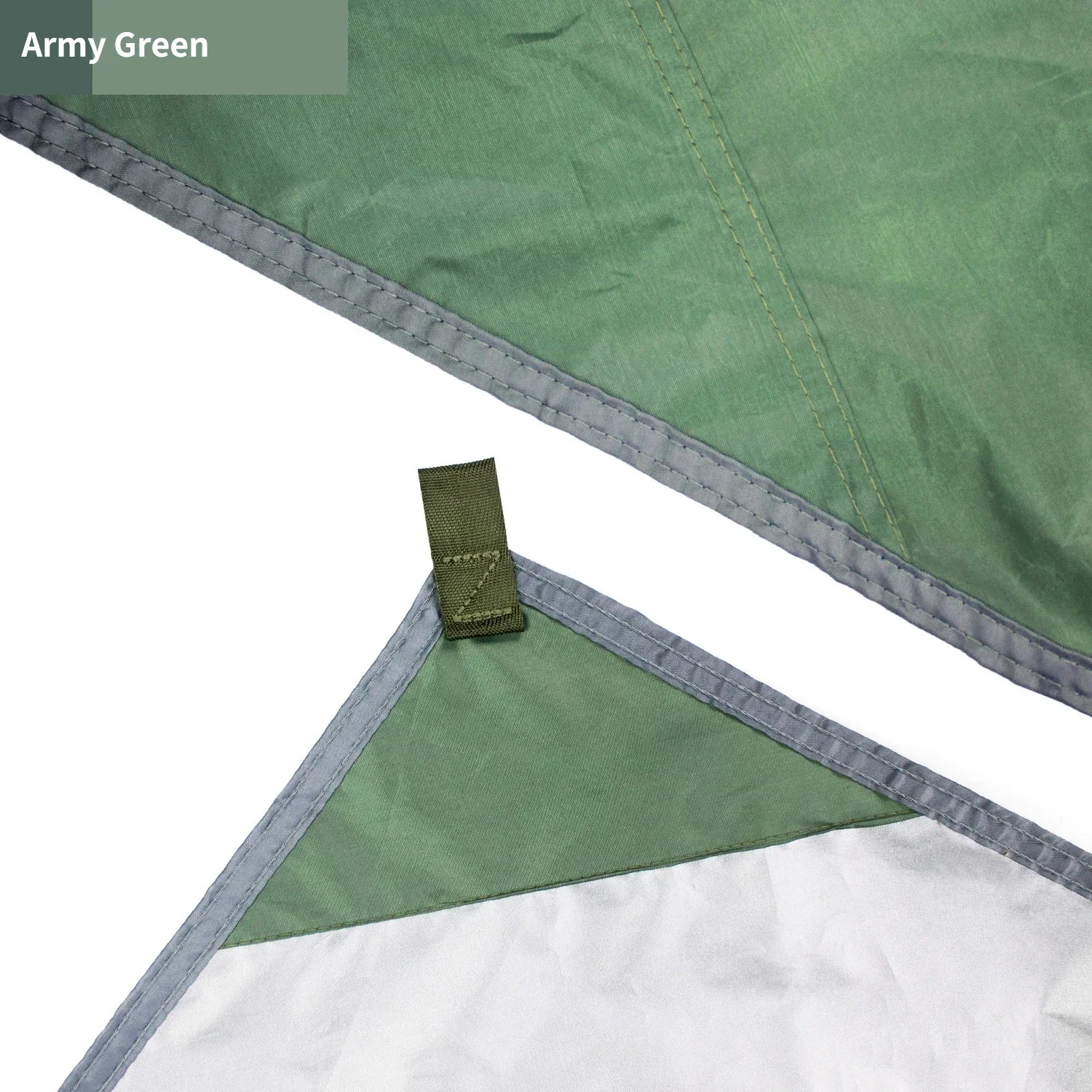
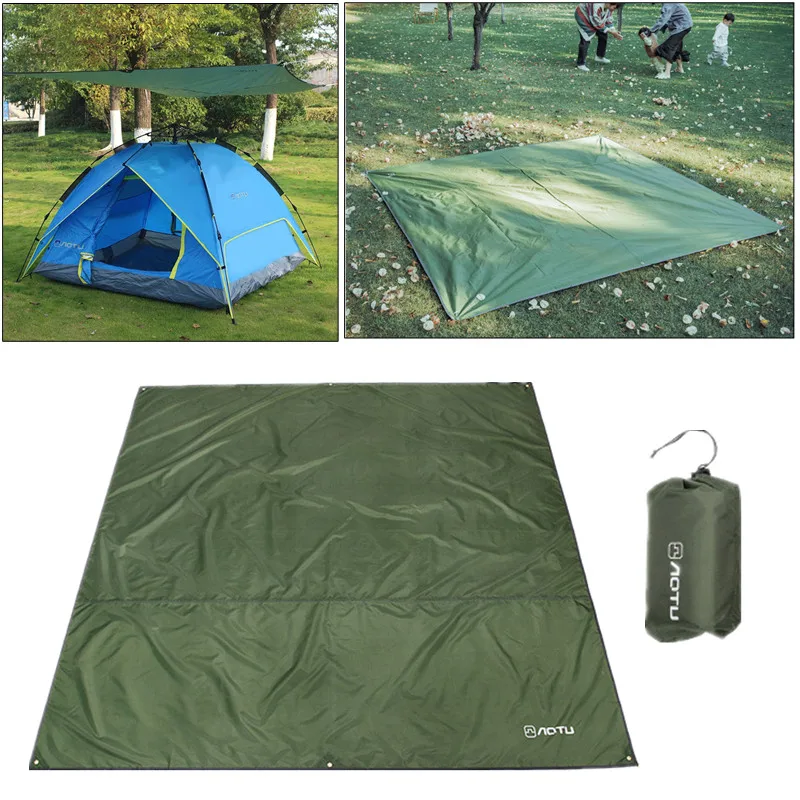
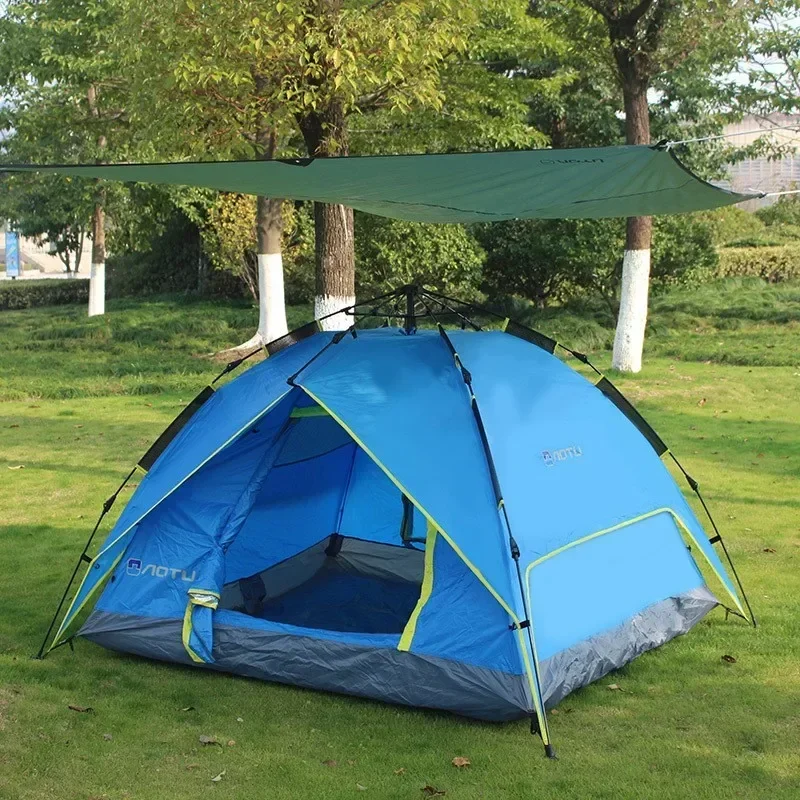
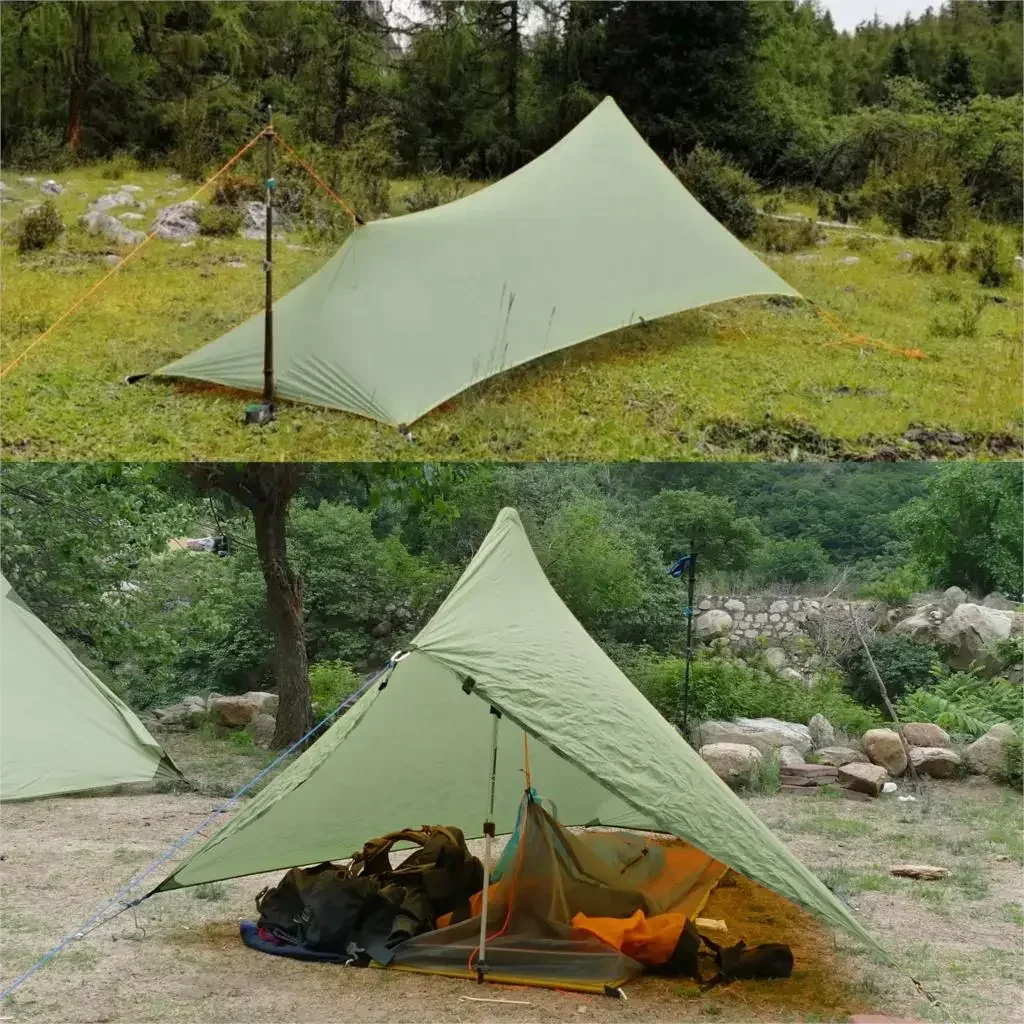
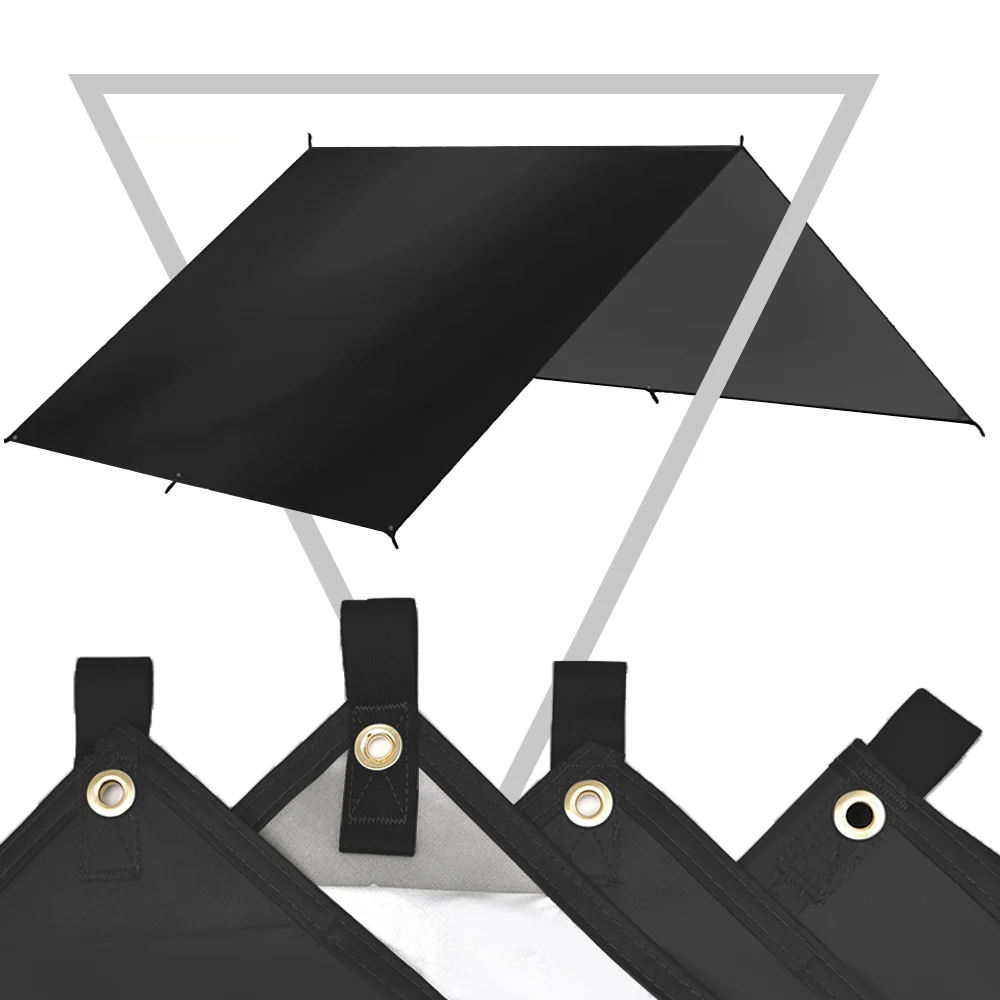
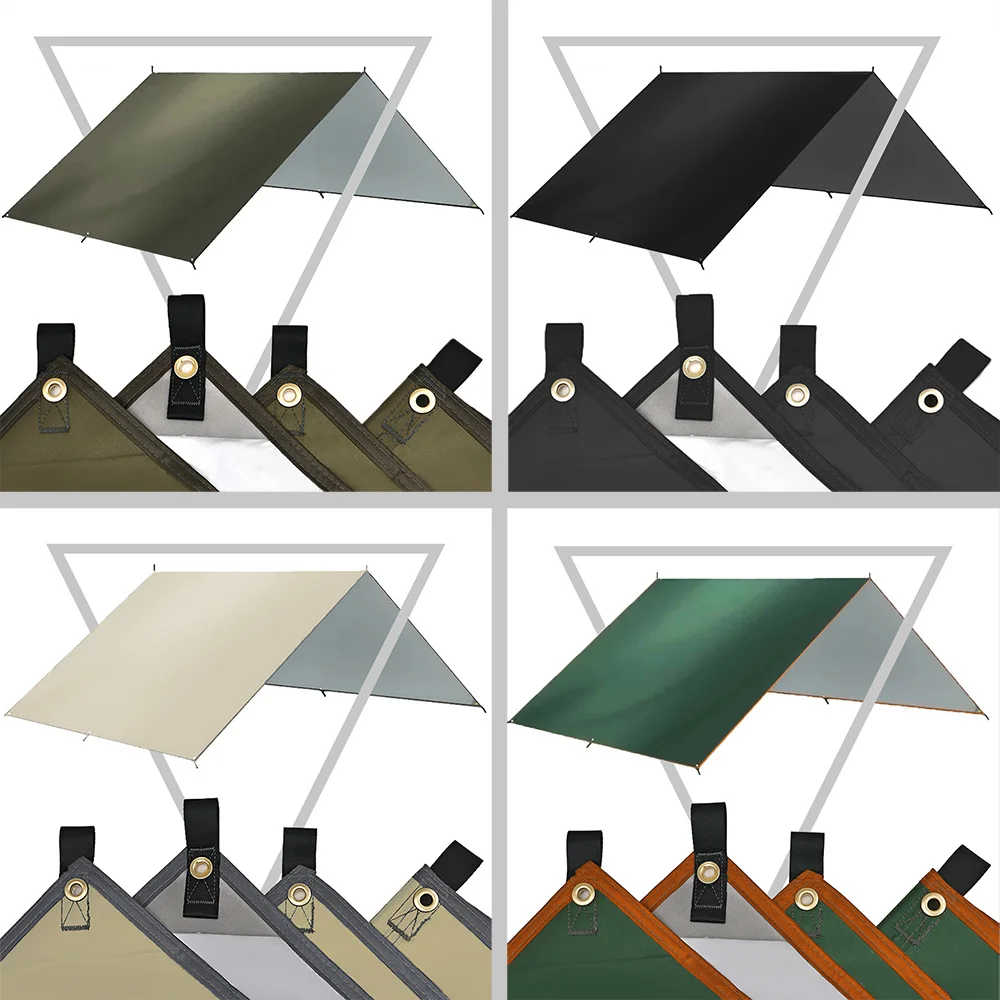
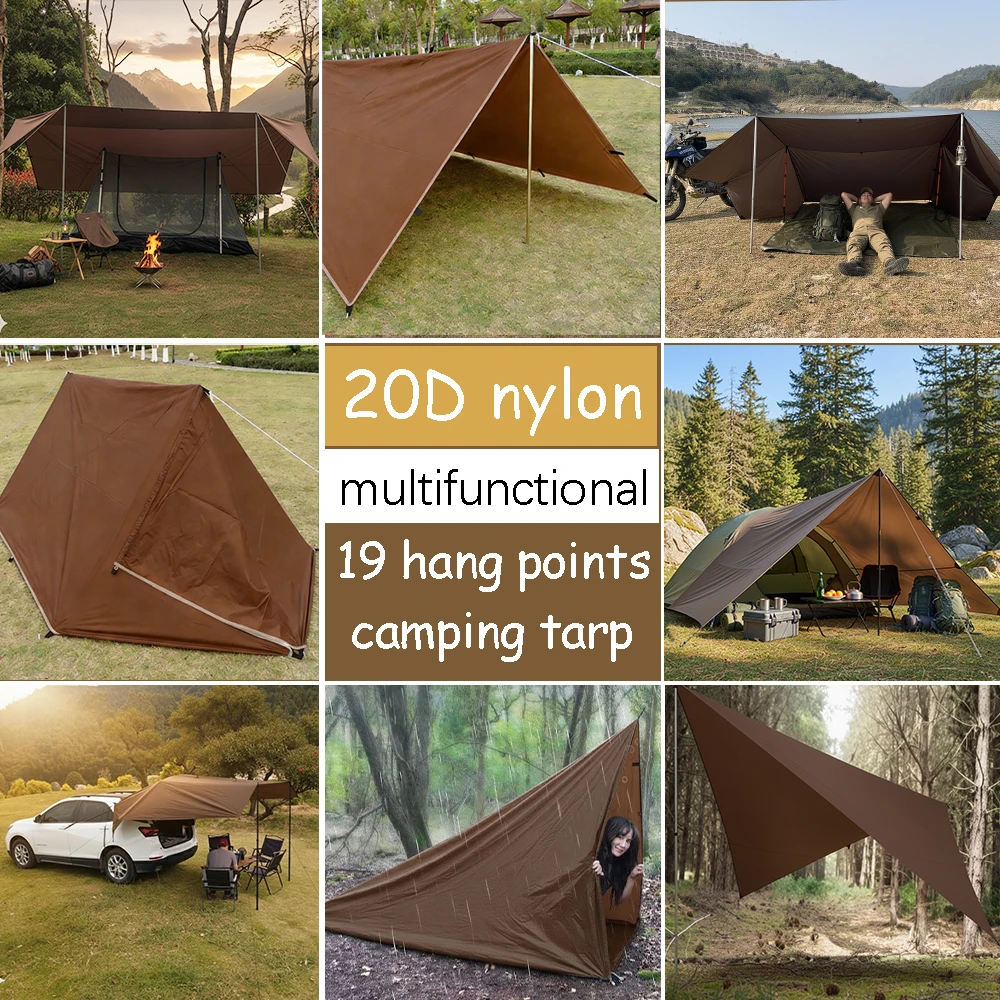
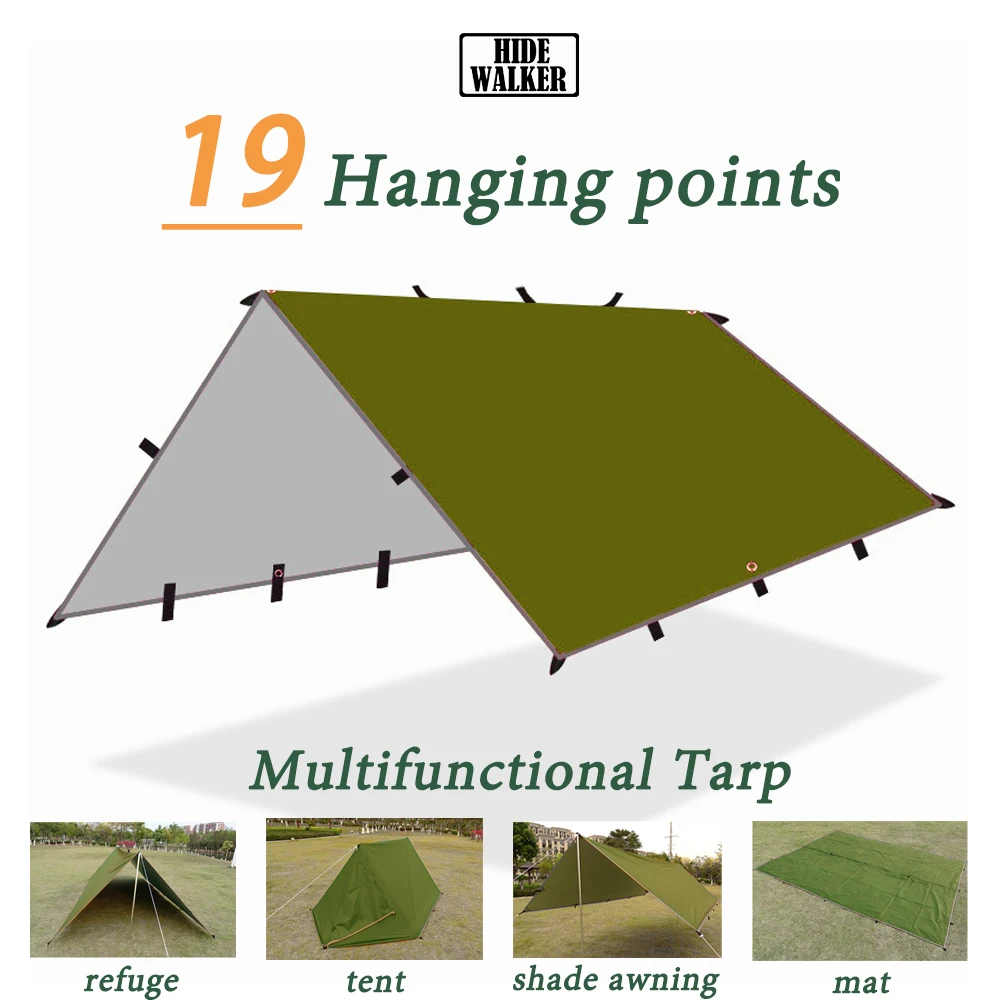
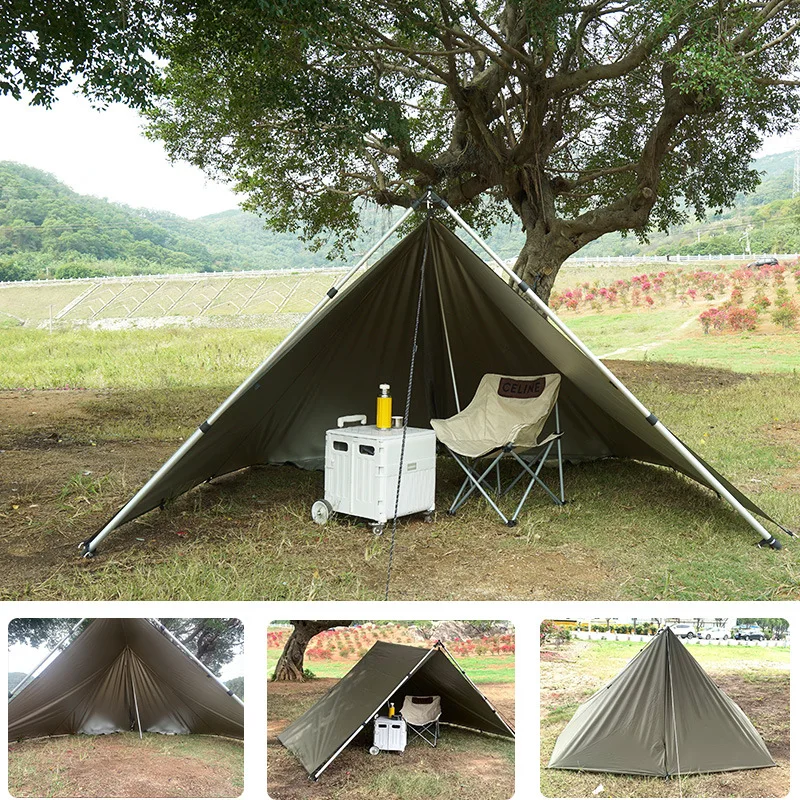
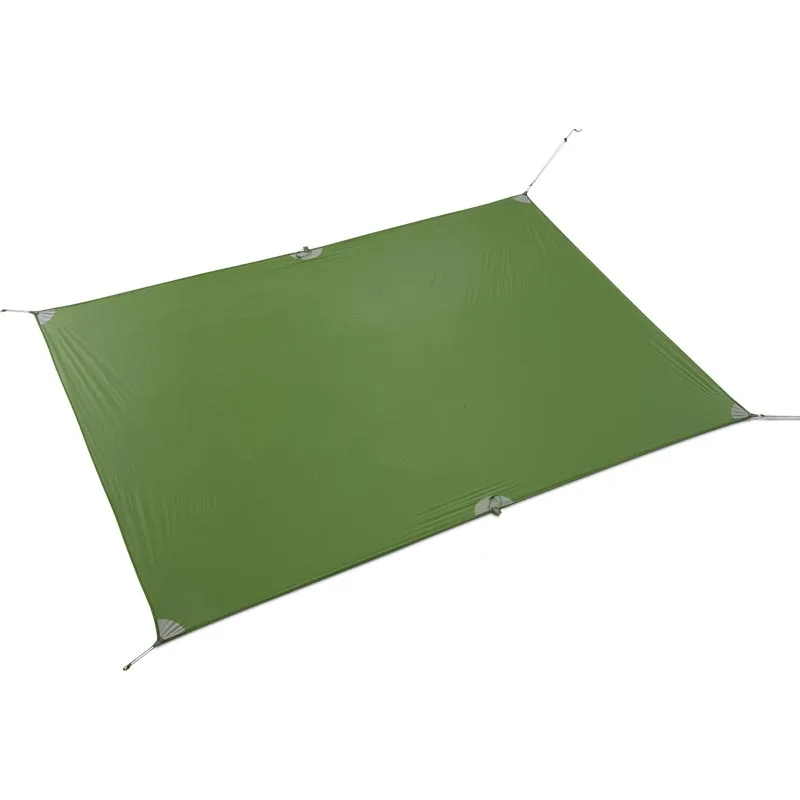
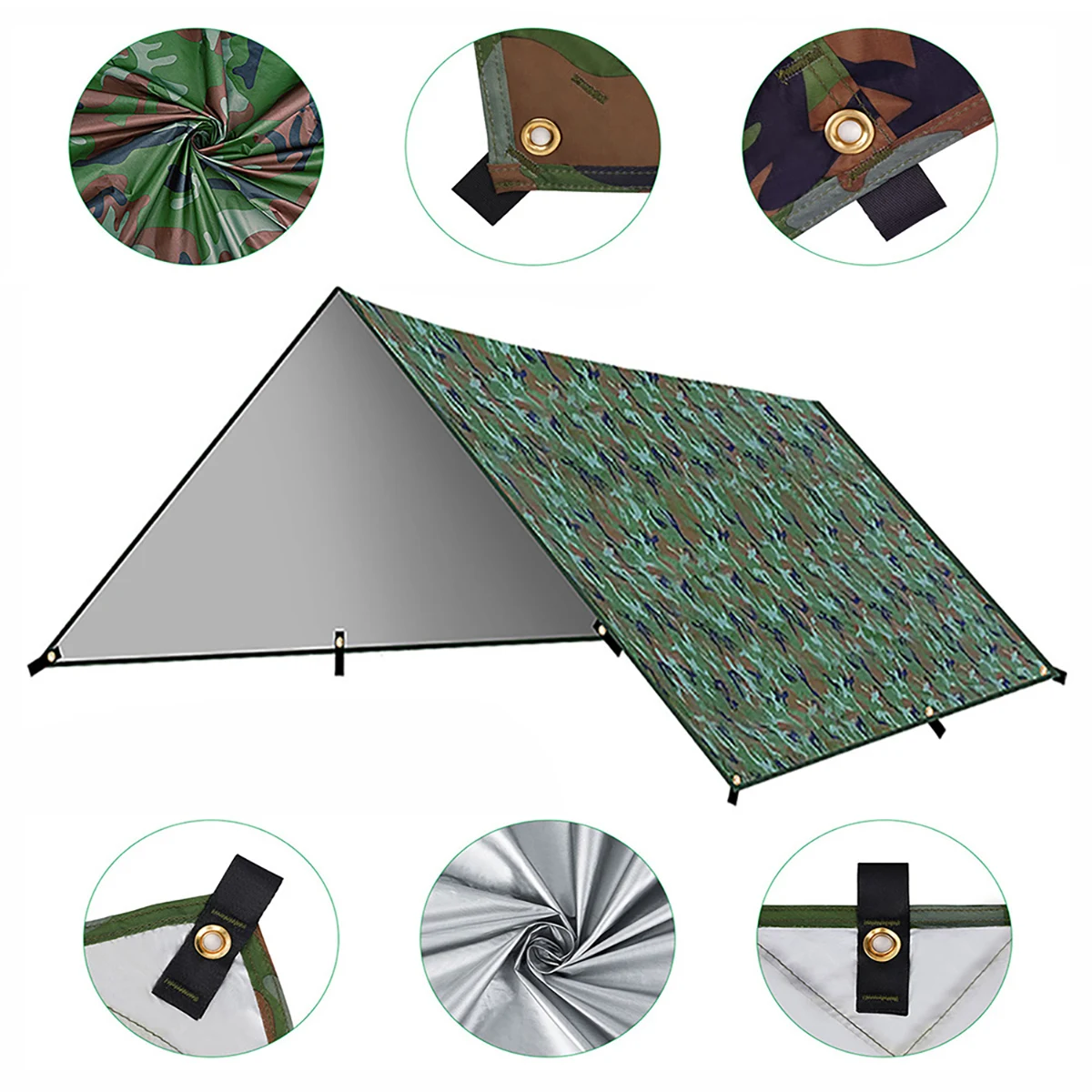
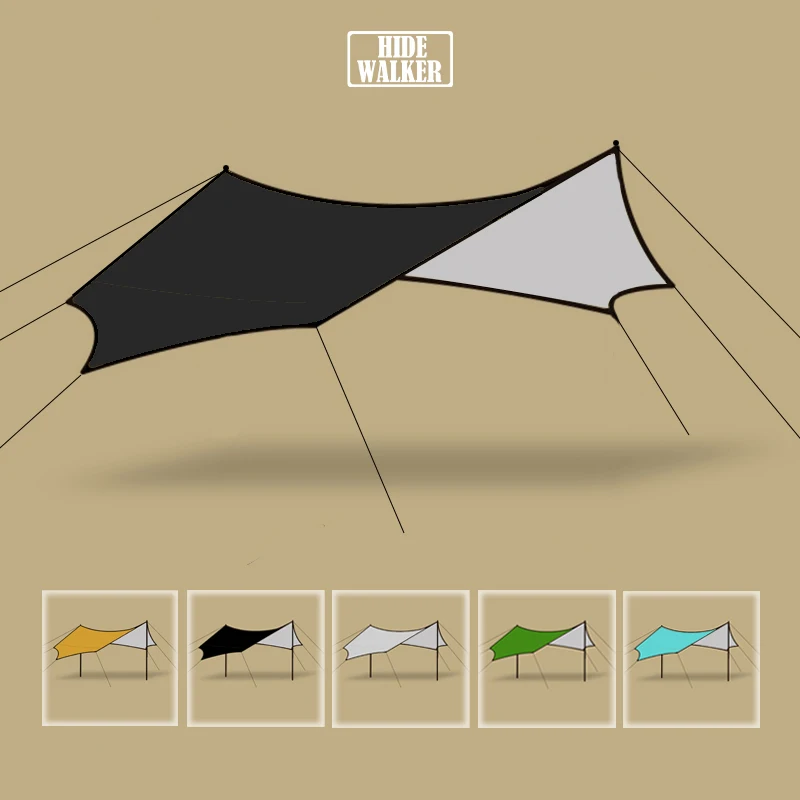
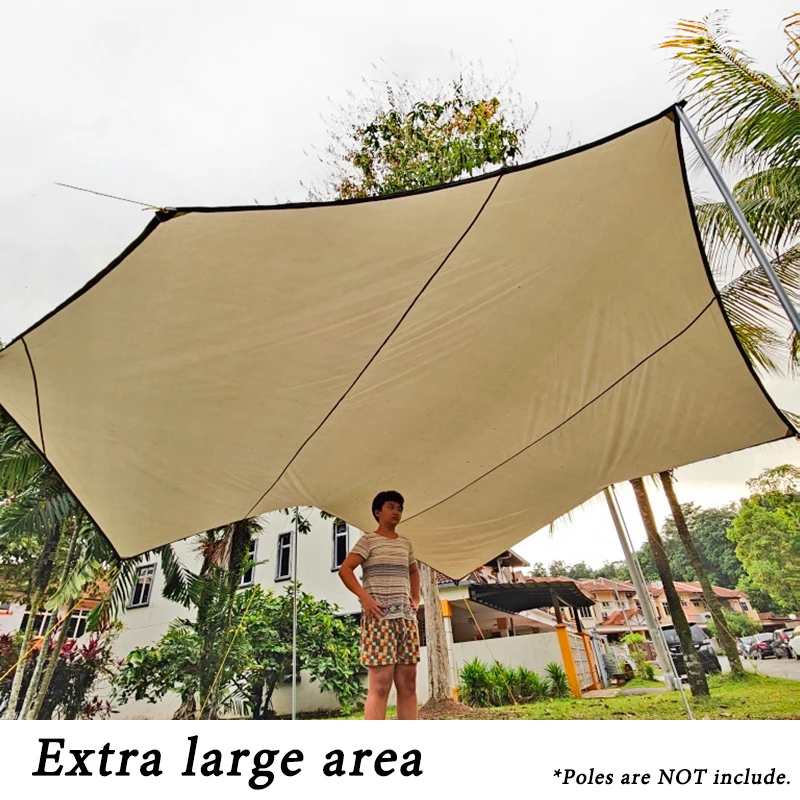
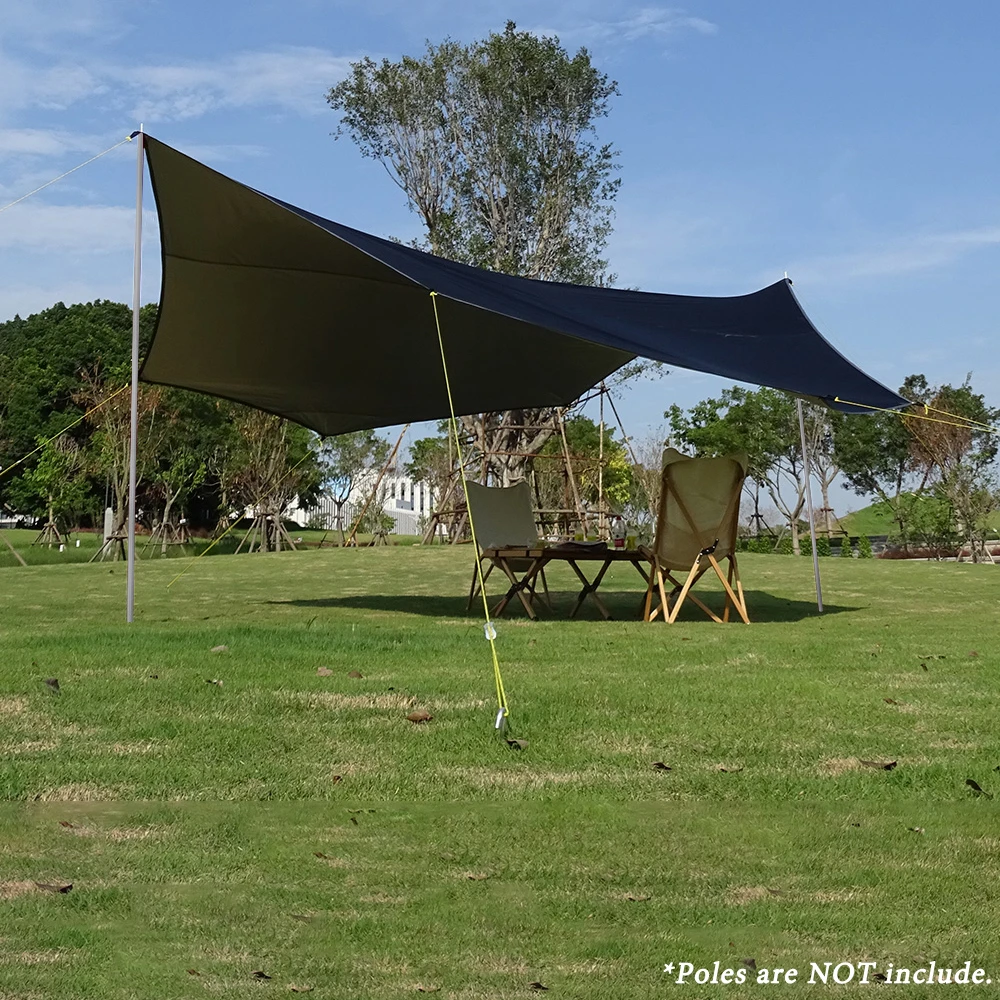
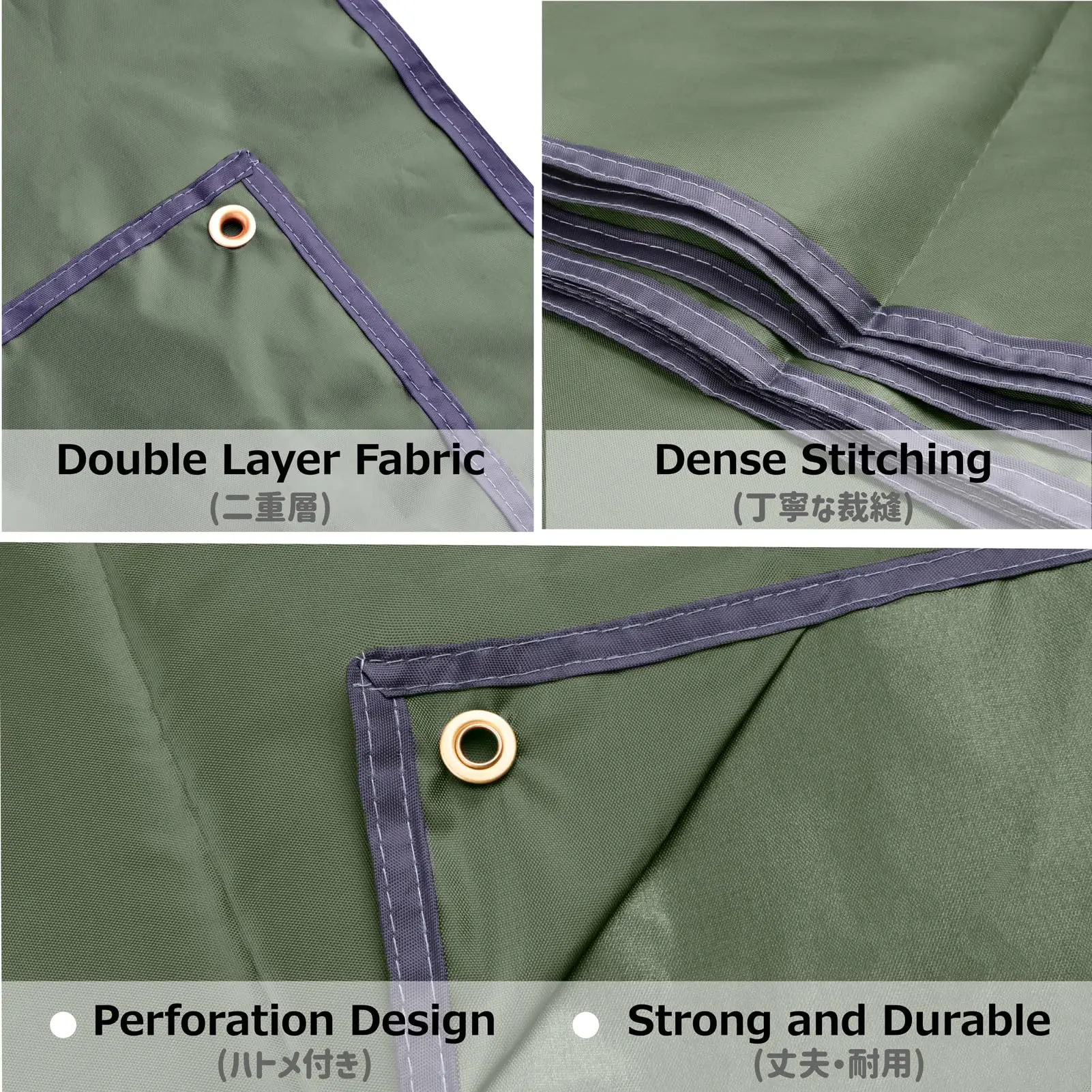
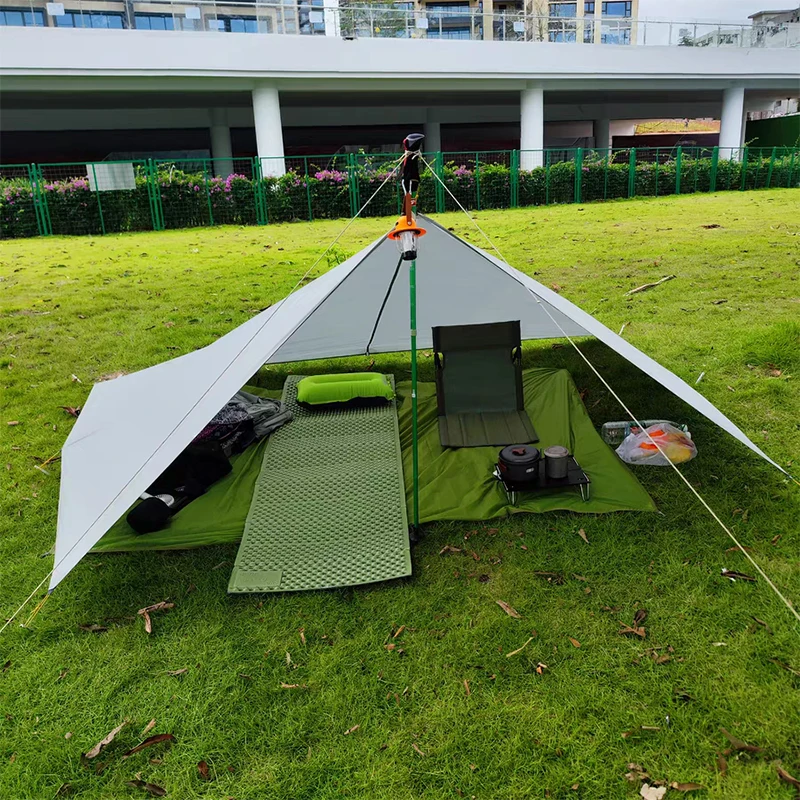
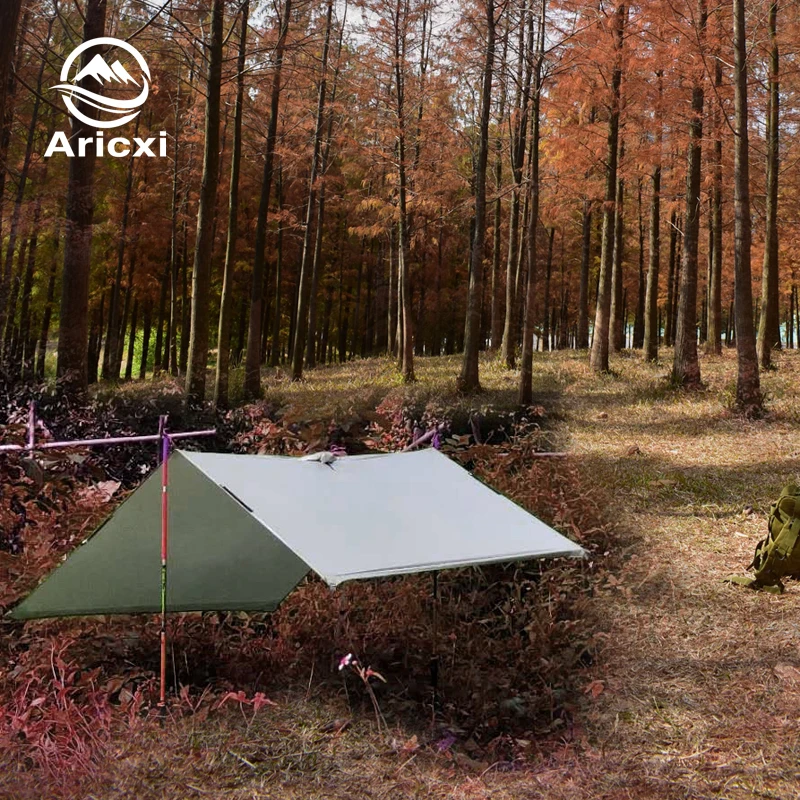
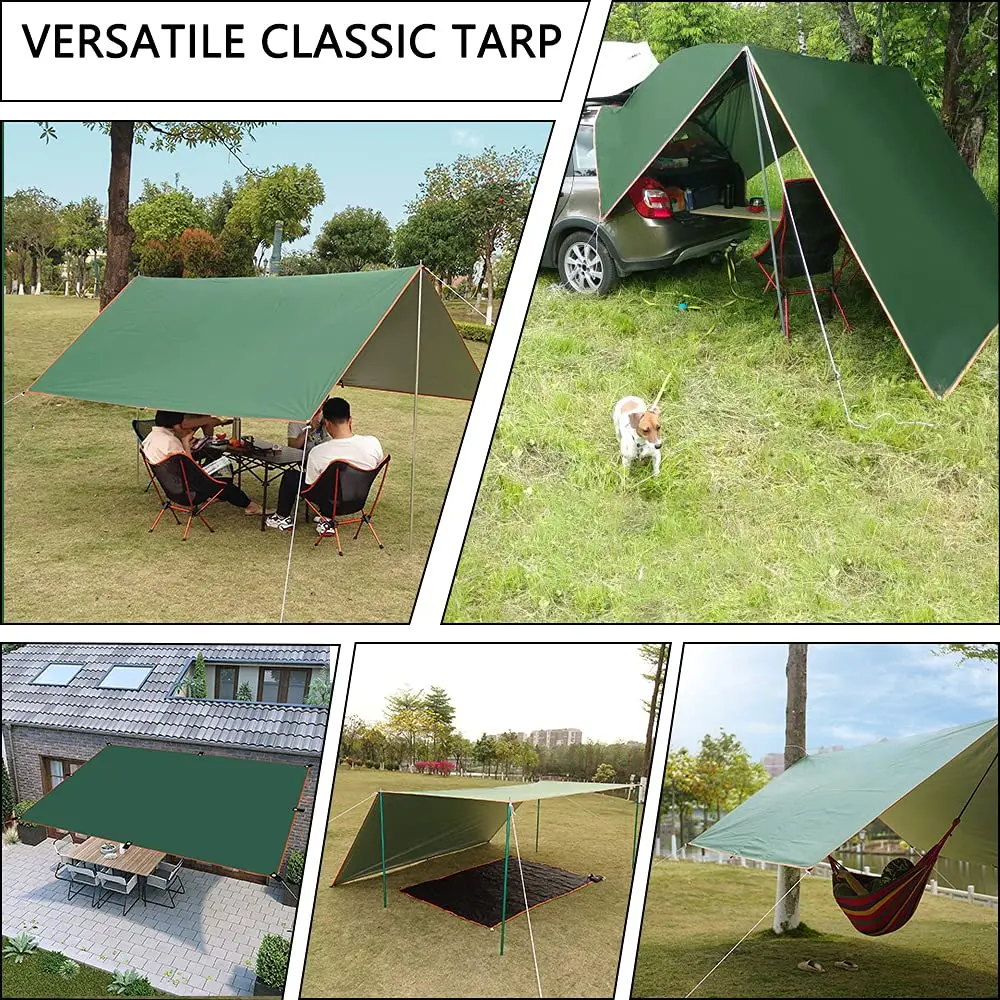
A tarp is a sheet of waterproof fabric with loops and eyelets round the edge and often across the middle. Tie it to trees, prop it on poles or walking poles, peg the corners out, and it becomes a roof: over a hammock, over a camp kitchen, in front of a tent, or as a shelter on its own. With no floor and no walls it is light and open, and one sheet can be pitched many ways to suit the weather. The next day the same tarp can be a groundsheet or a picnic mat.
Nylon, polyester, Oxford and PE tarps
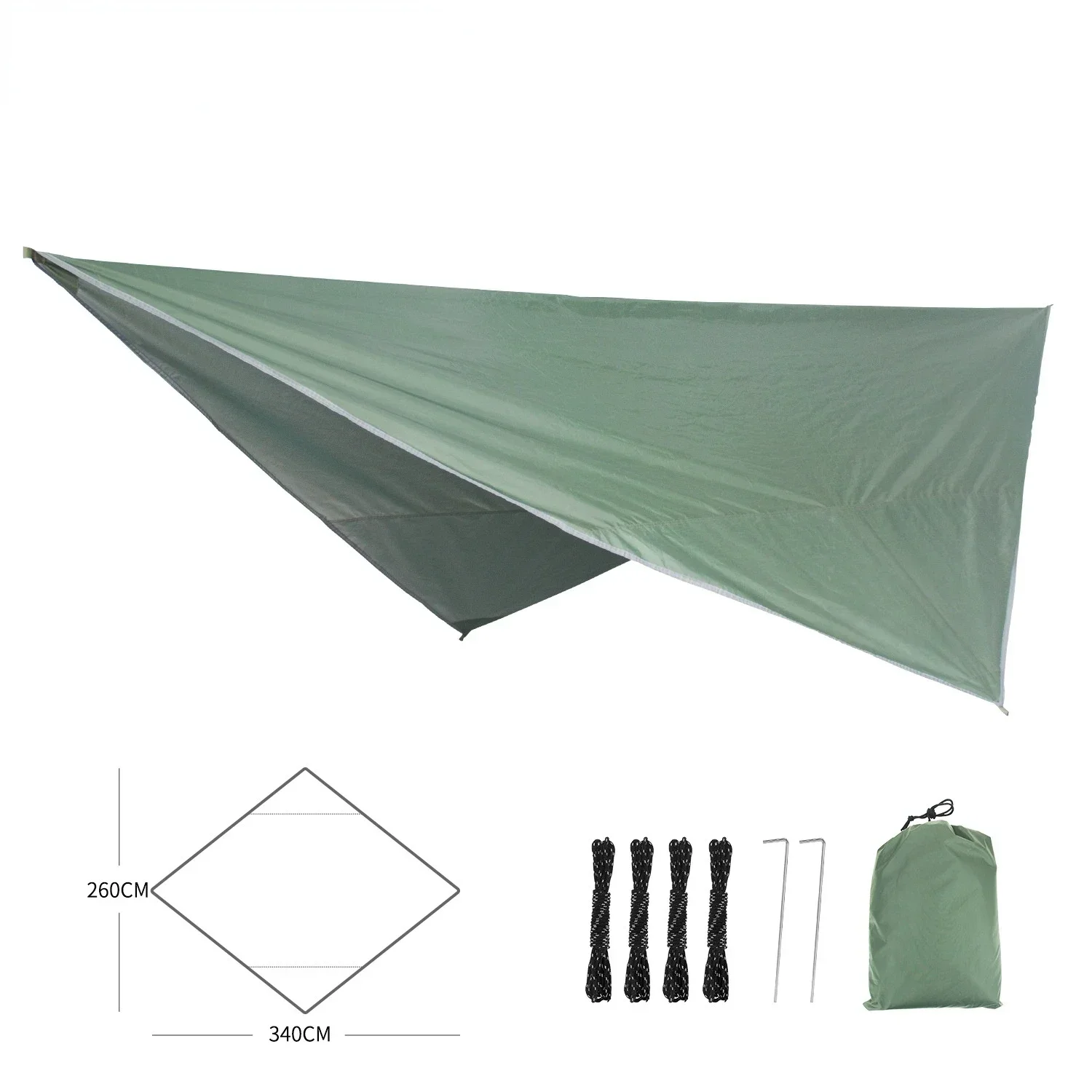
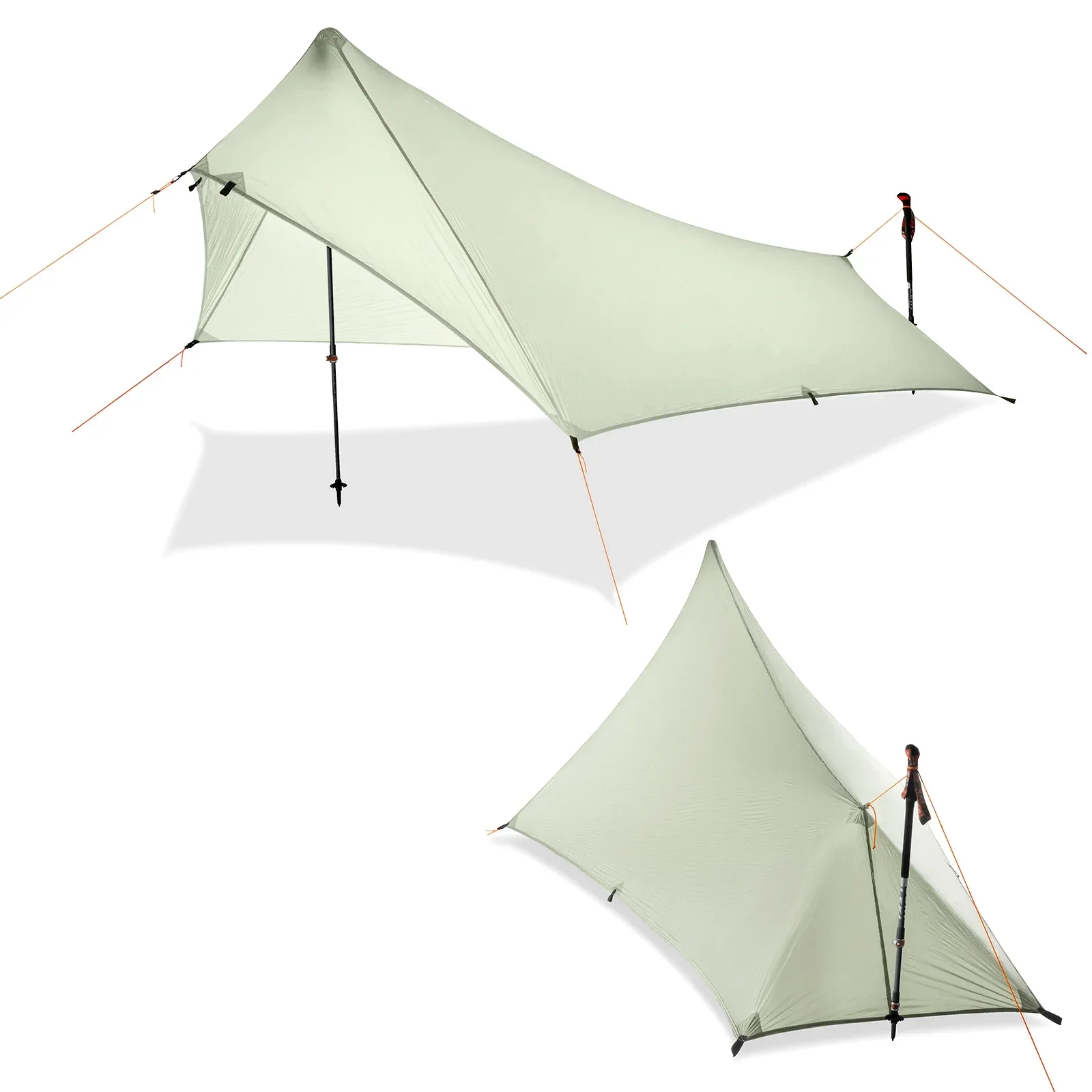
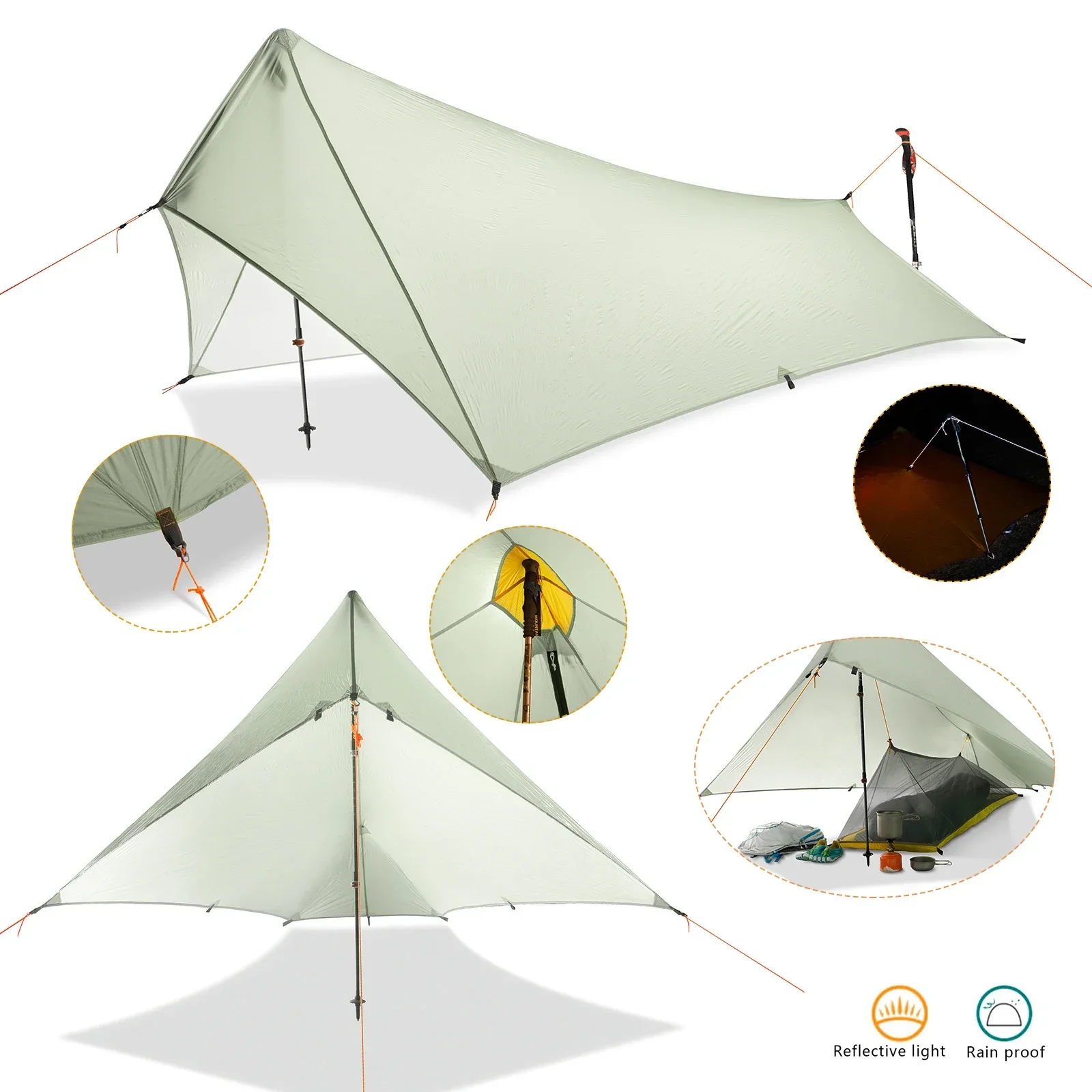
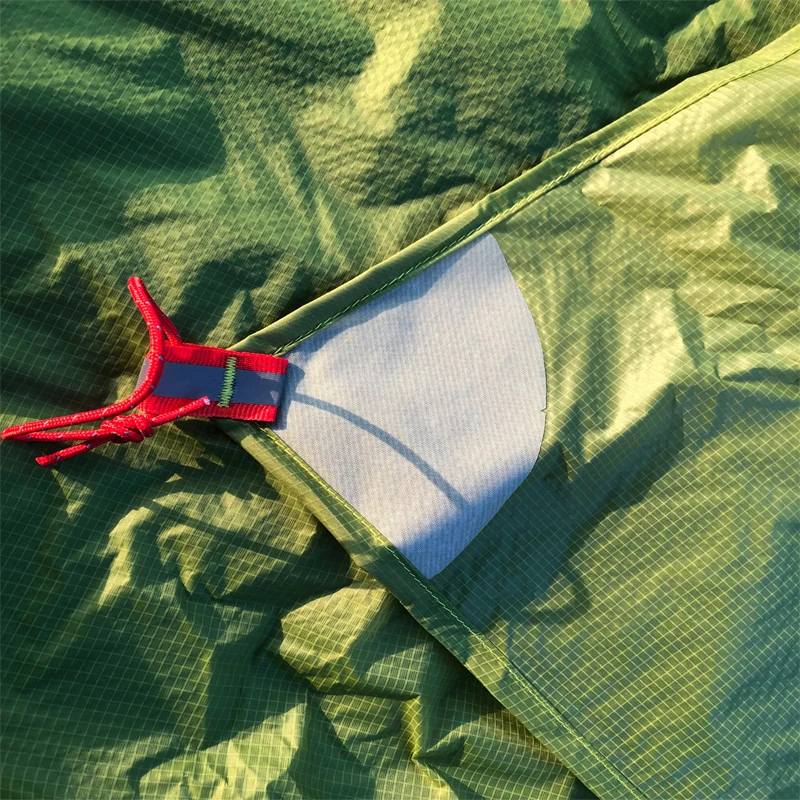
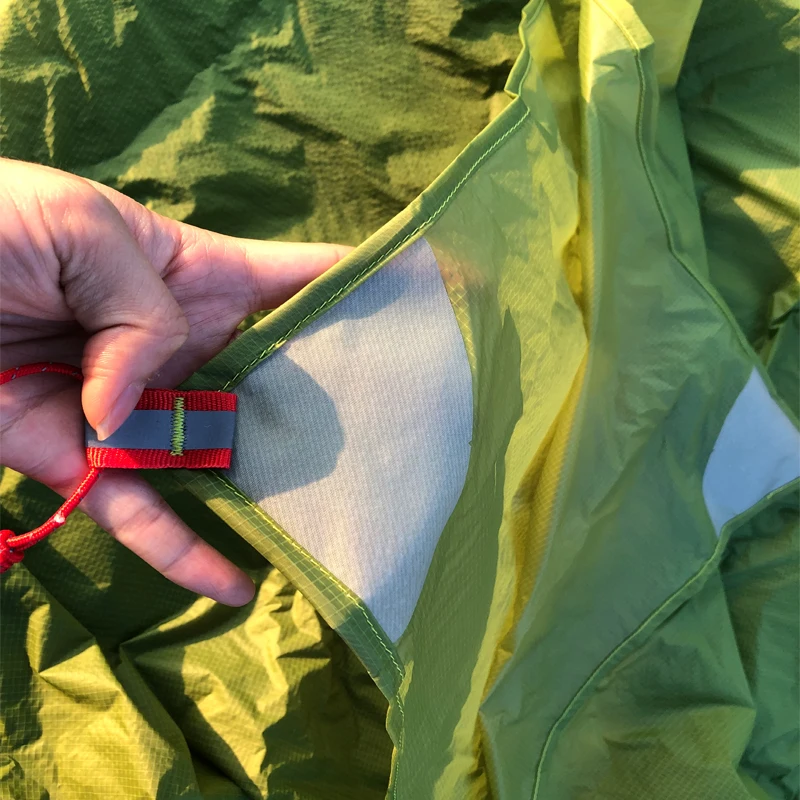
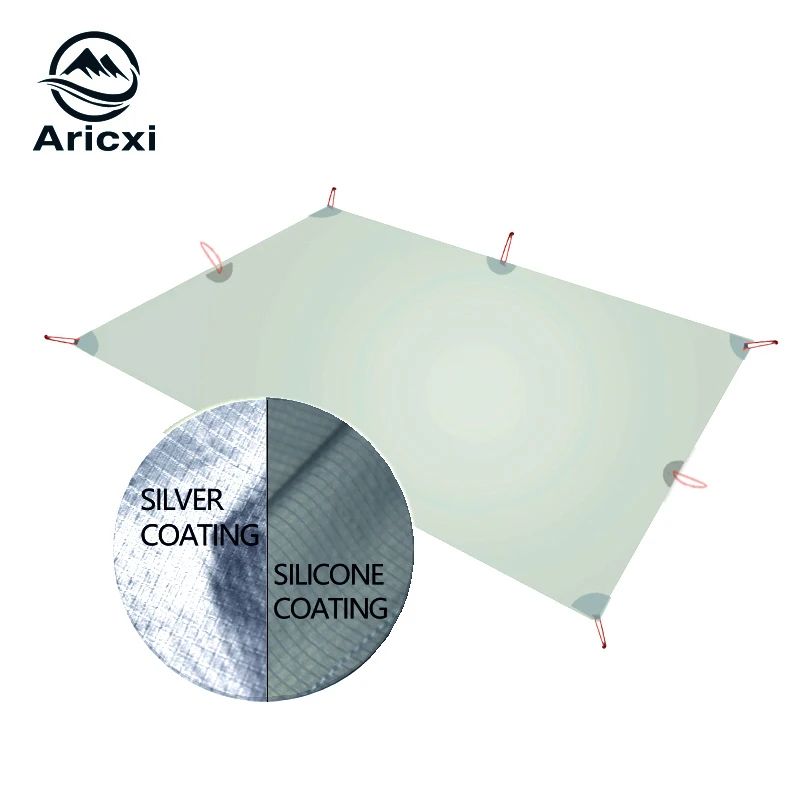
- Ultralight nylon tarps in 15D and 20D silicone-coated nylon are the lightest here. The lightest weighs about 160g, and a 310g flysheet pitches on two trekking poles. See hiking tents.
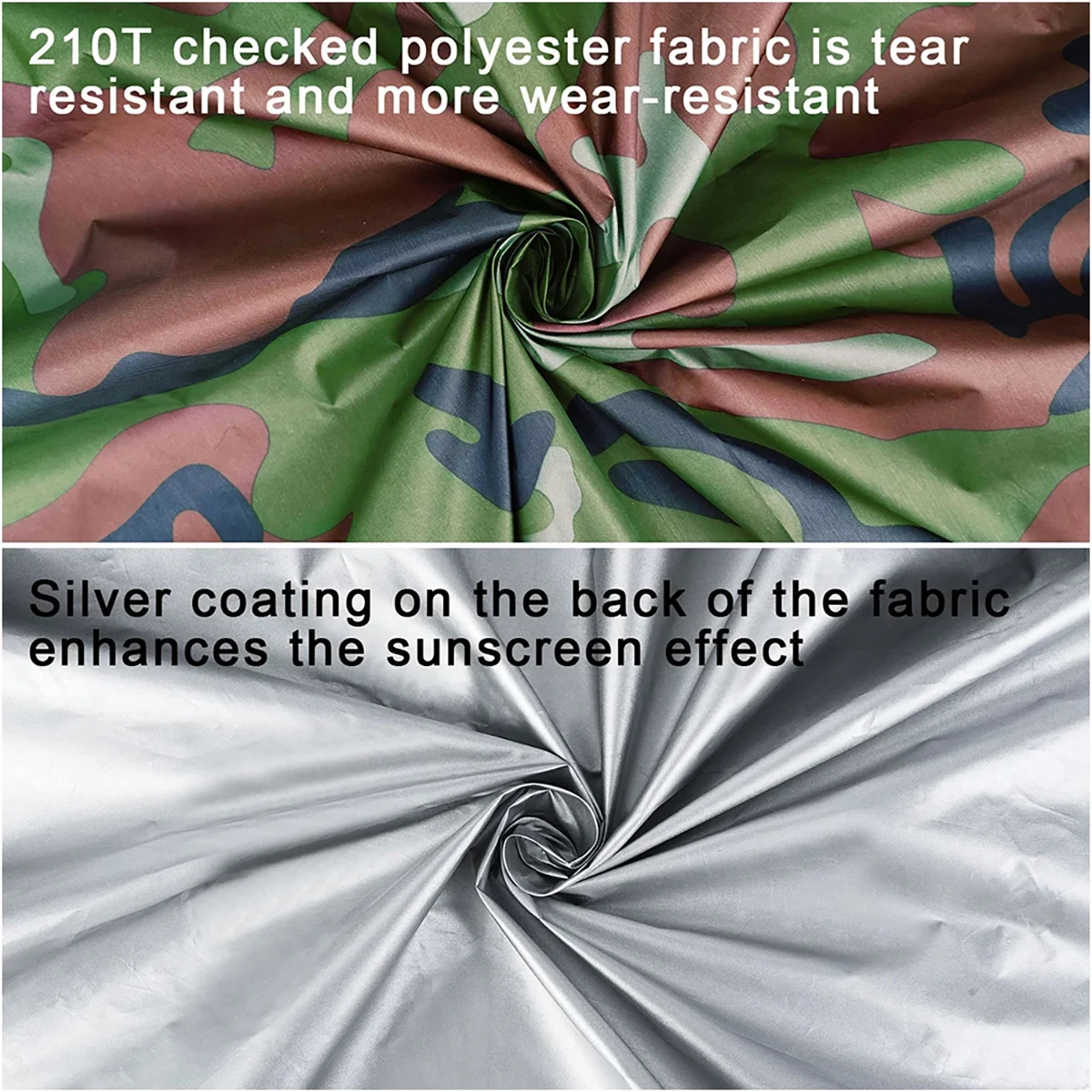
- Polyester camping tarps in 190T and 210T polyester, many with a silver-coated side to turn the sun, in sizes from 3 by 3m to 4 by 4m. The largest is a 5.1 by 5.1m octagon for 8 to 12 people. See sun shelters.
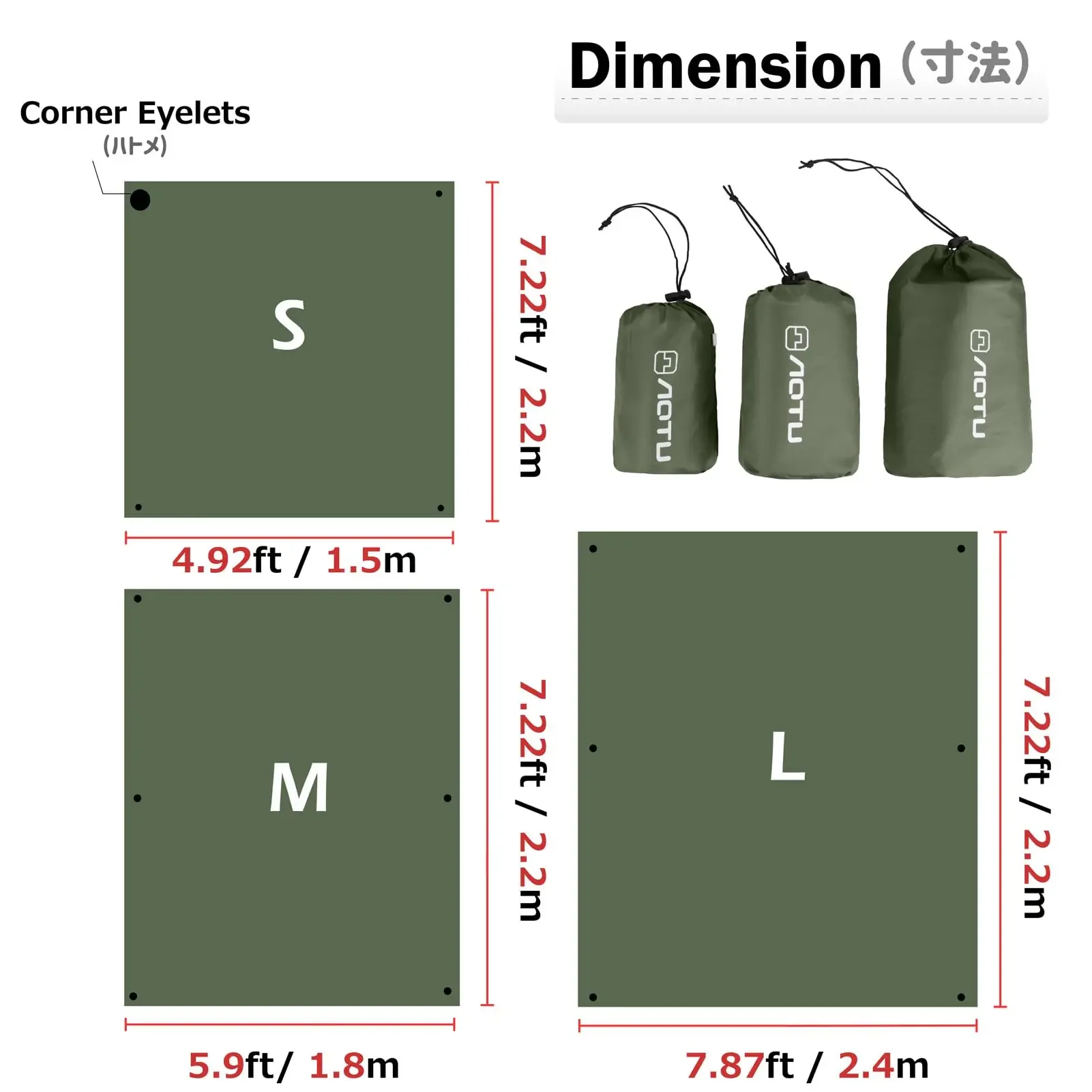
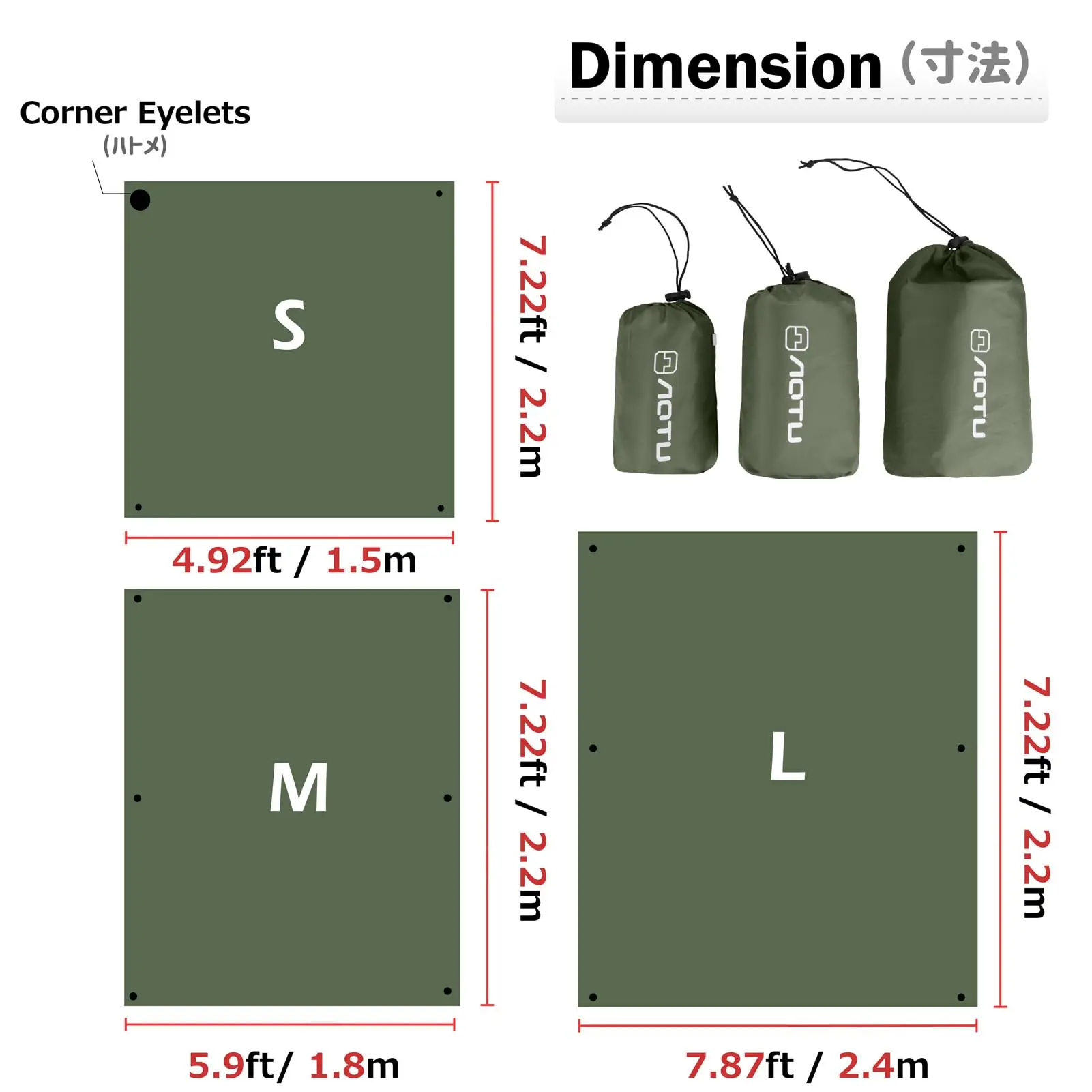
- Hammock rain flies and ground sheets in 1.5m, 1.8m and 2.4m sizes, one in tough 420D Oxford cloth. See hammock tents.
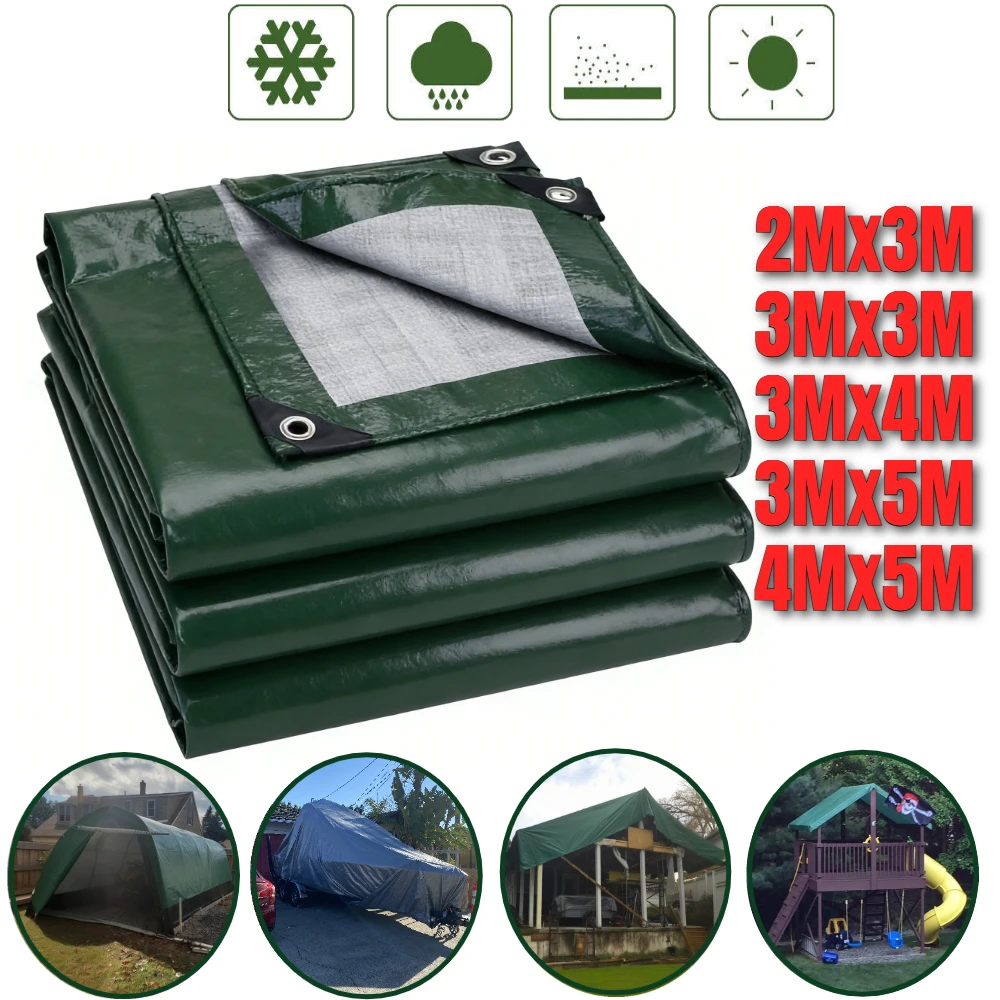
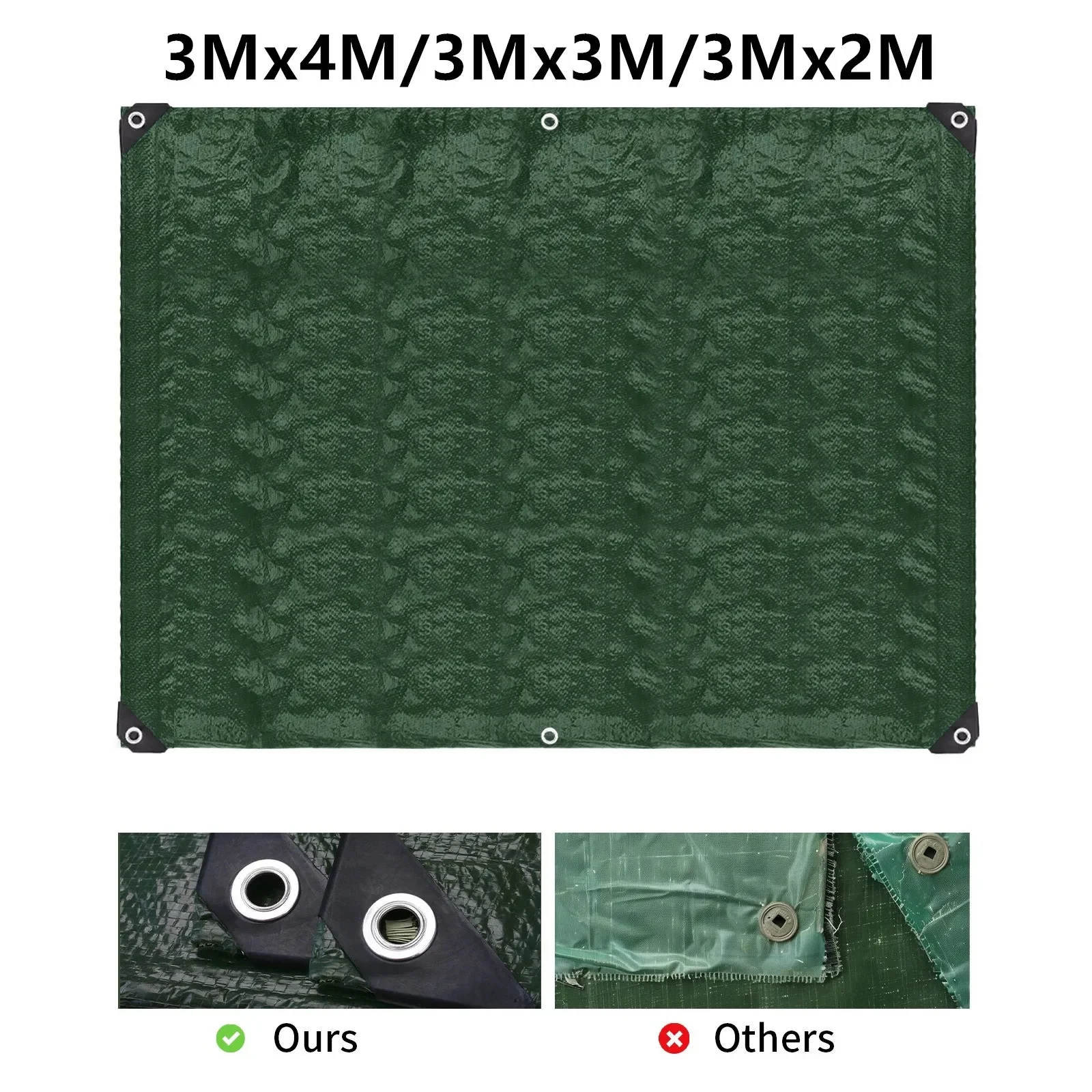
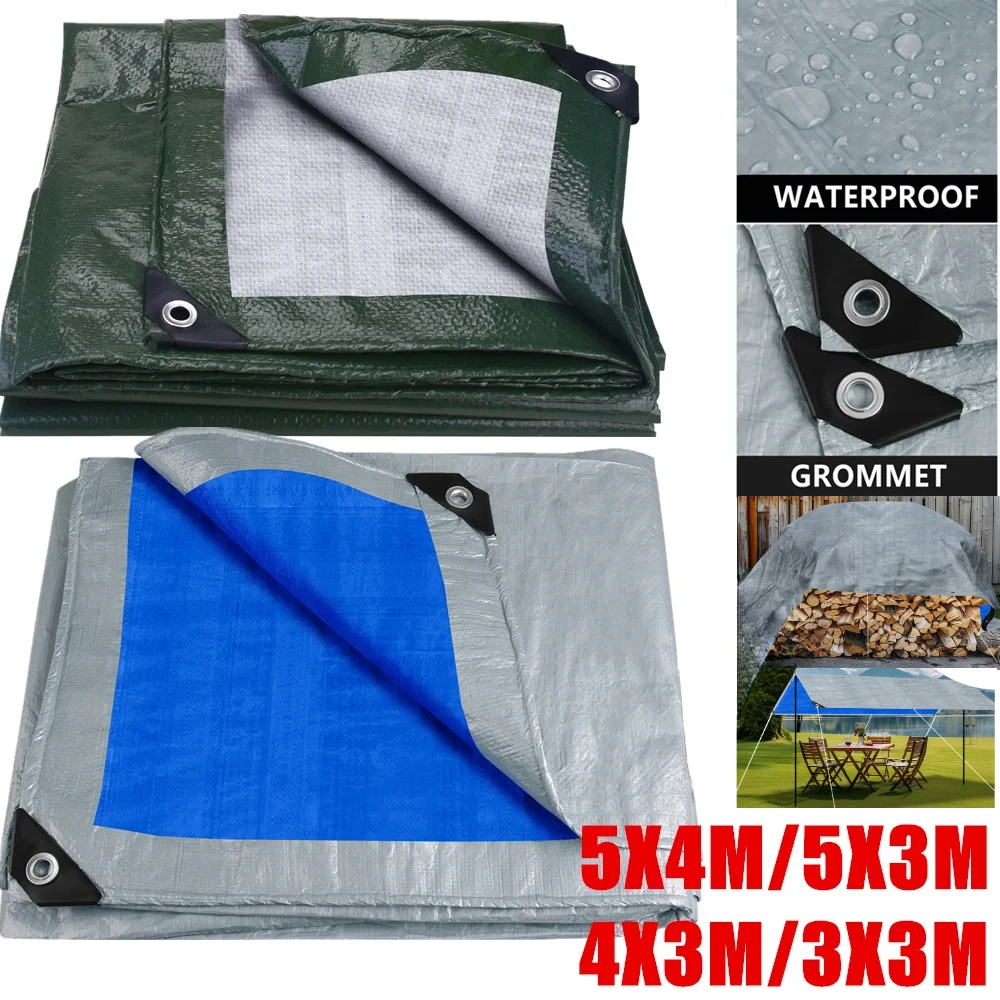
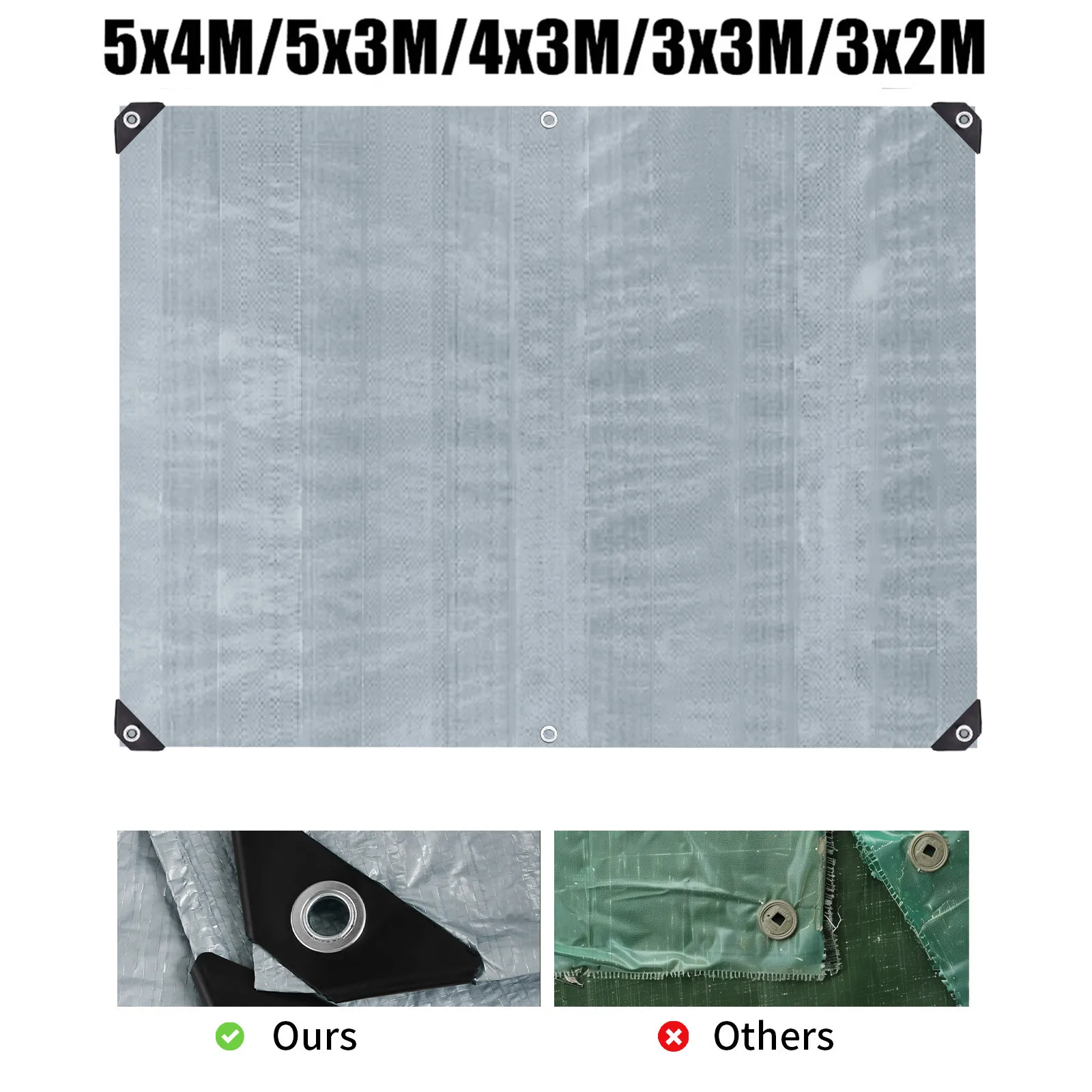
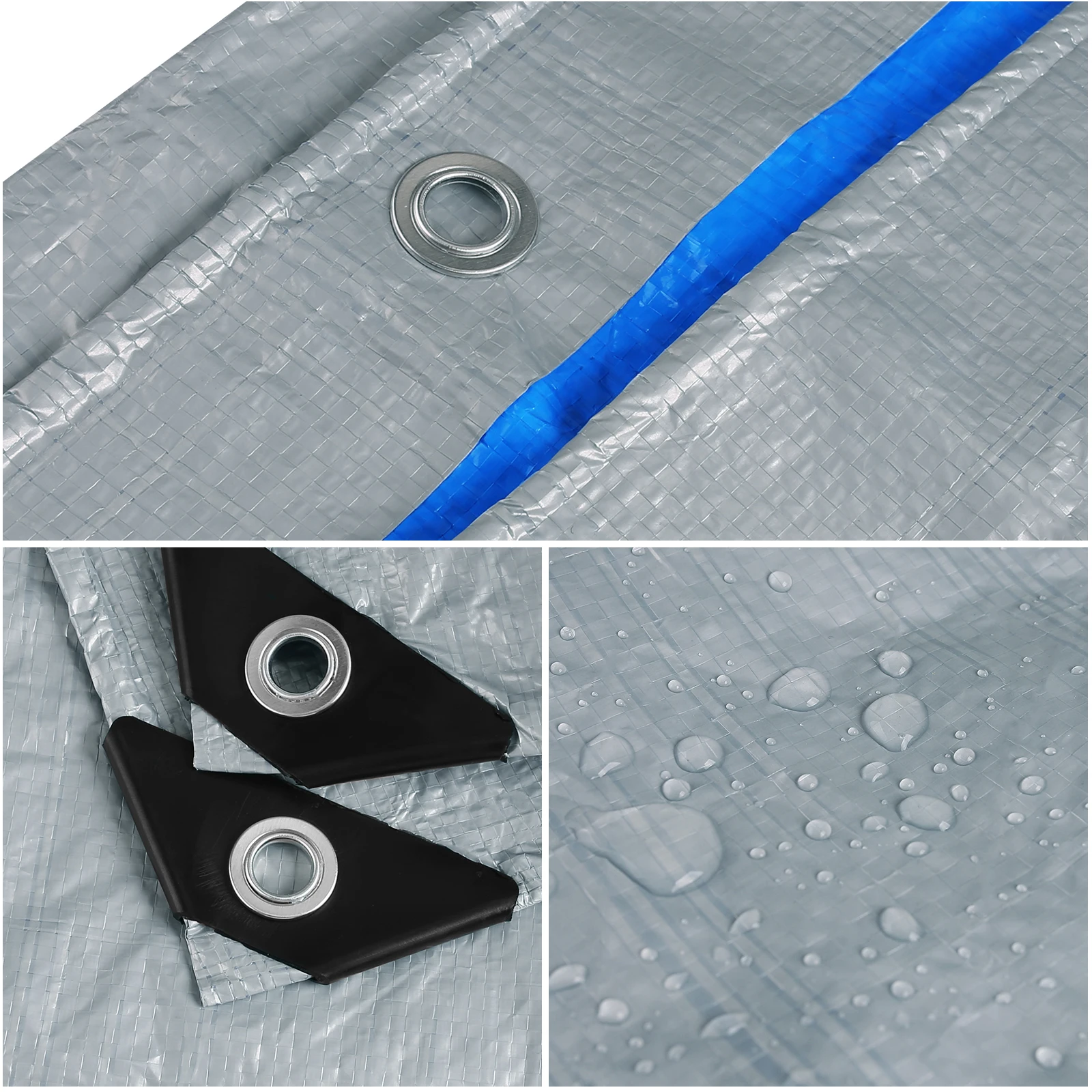
- Heavy PE tarpaulins with grommets and a rope sewn into the edge, up to 5 by 4m, for the garden, a woodpile or a camp cover. See groundsheets and footprints.
Attachment points, and what comes in the bag
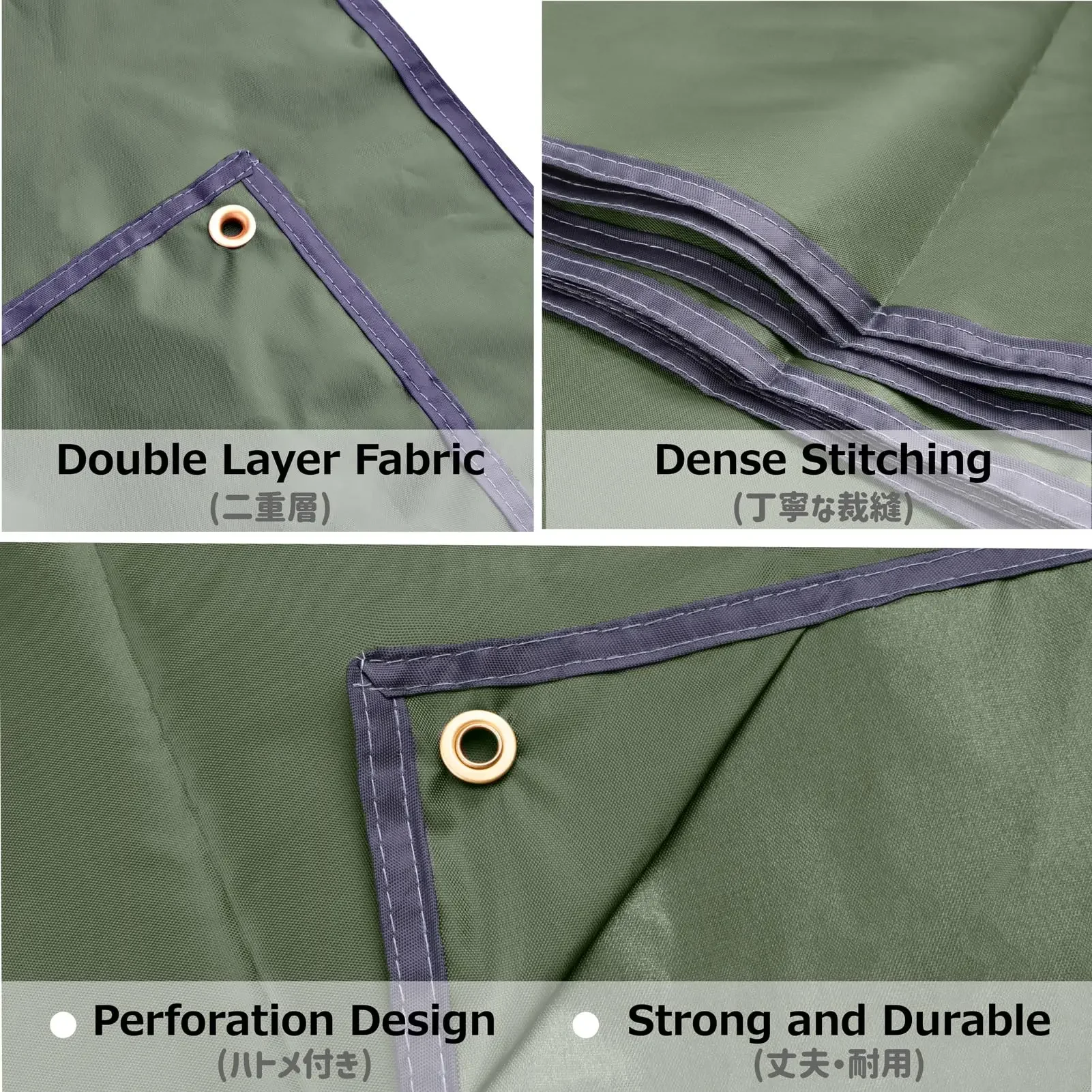
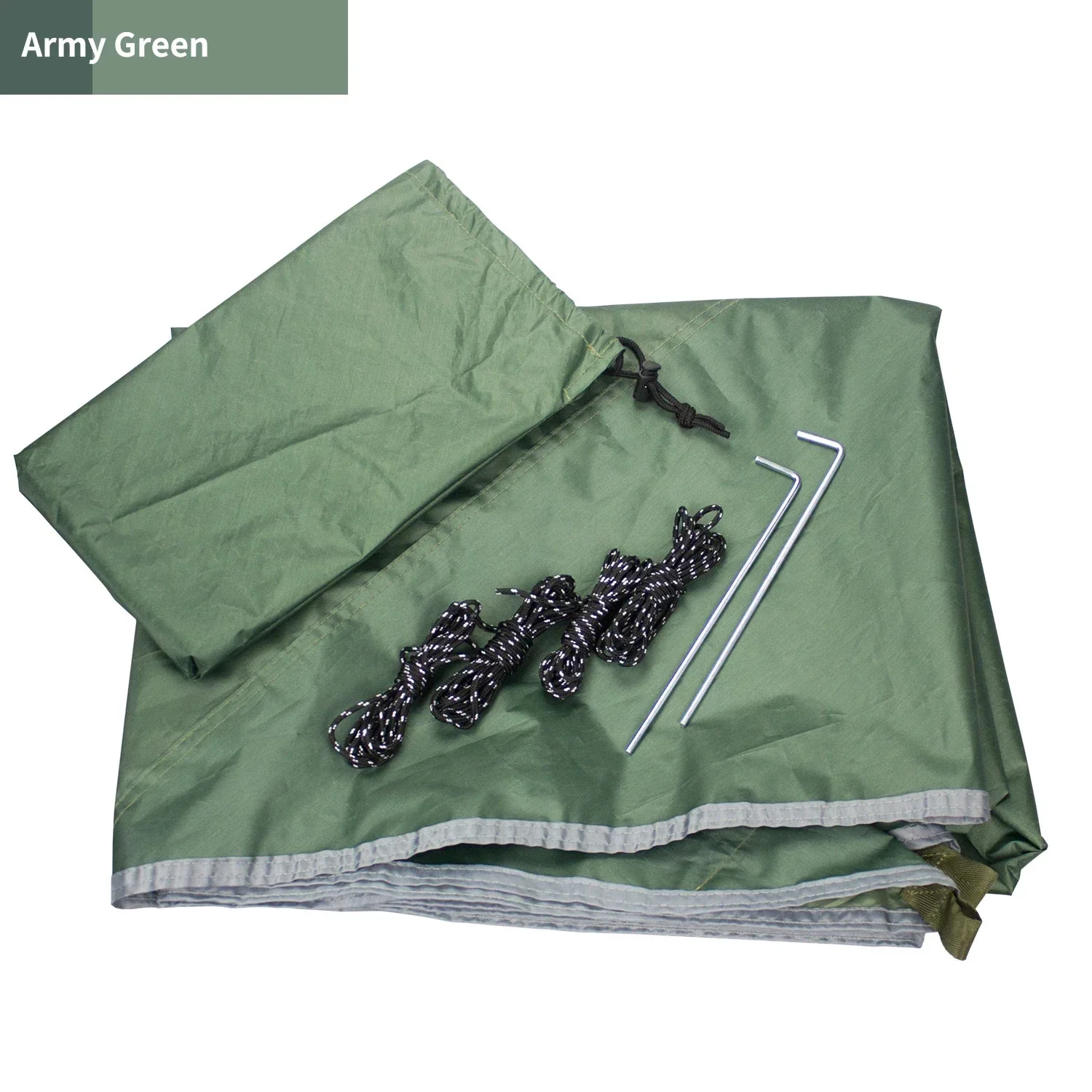
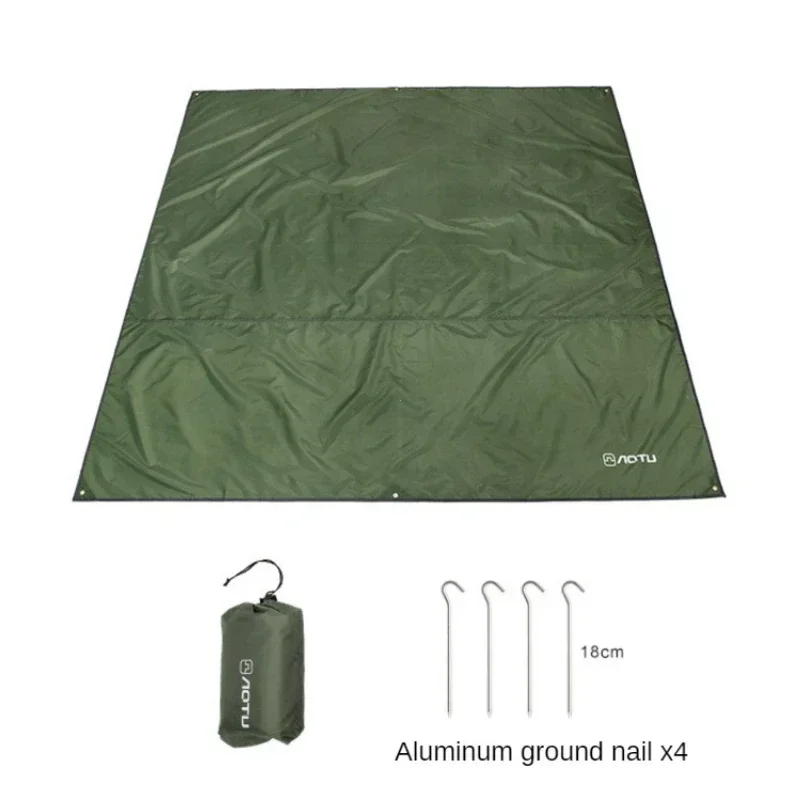
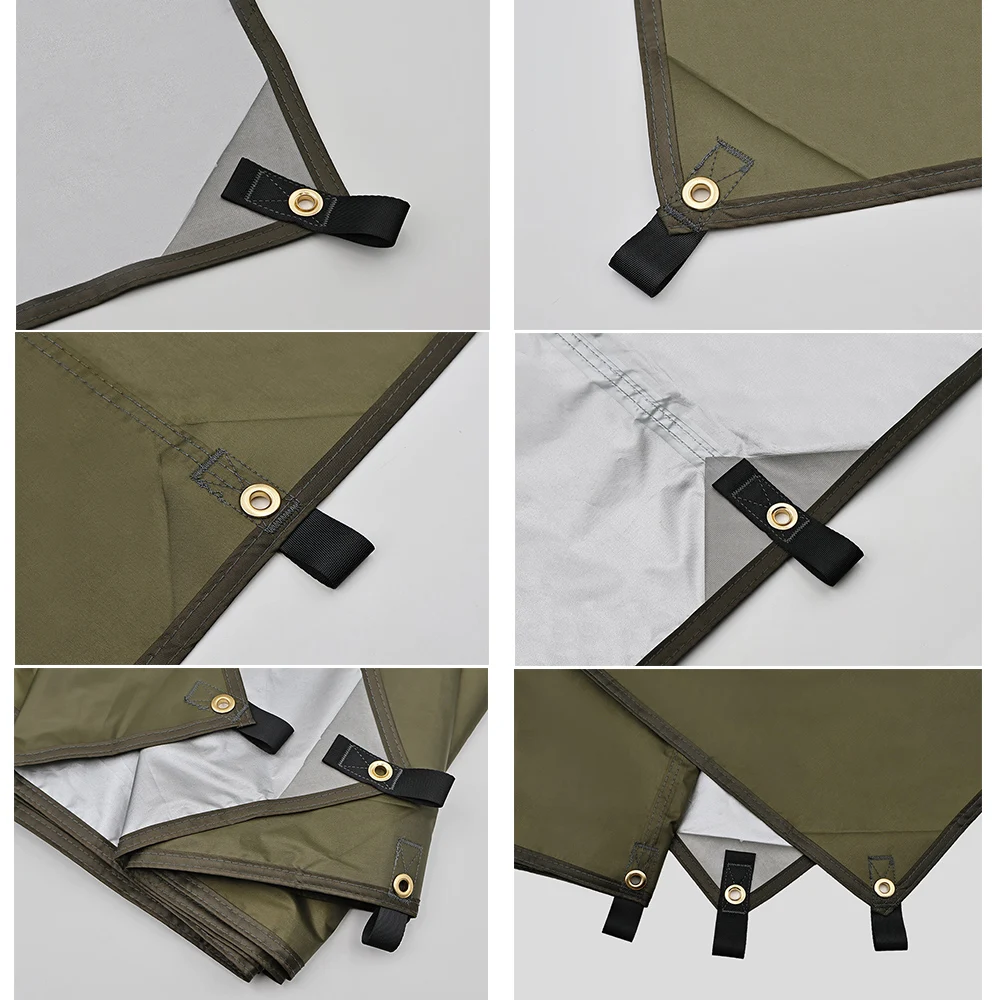
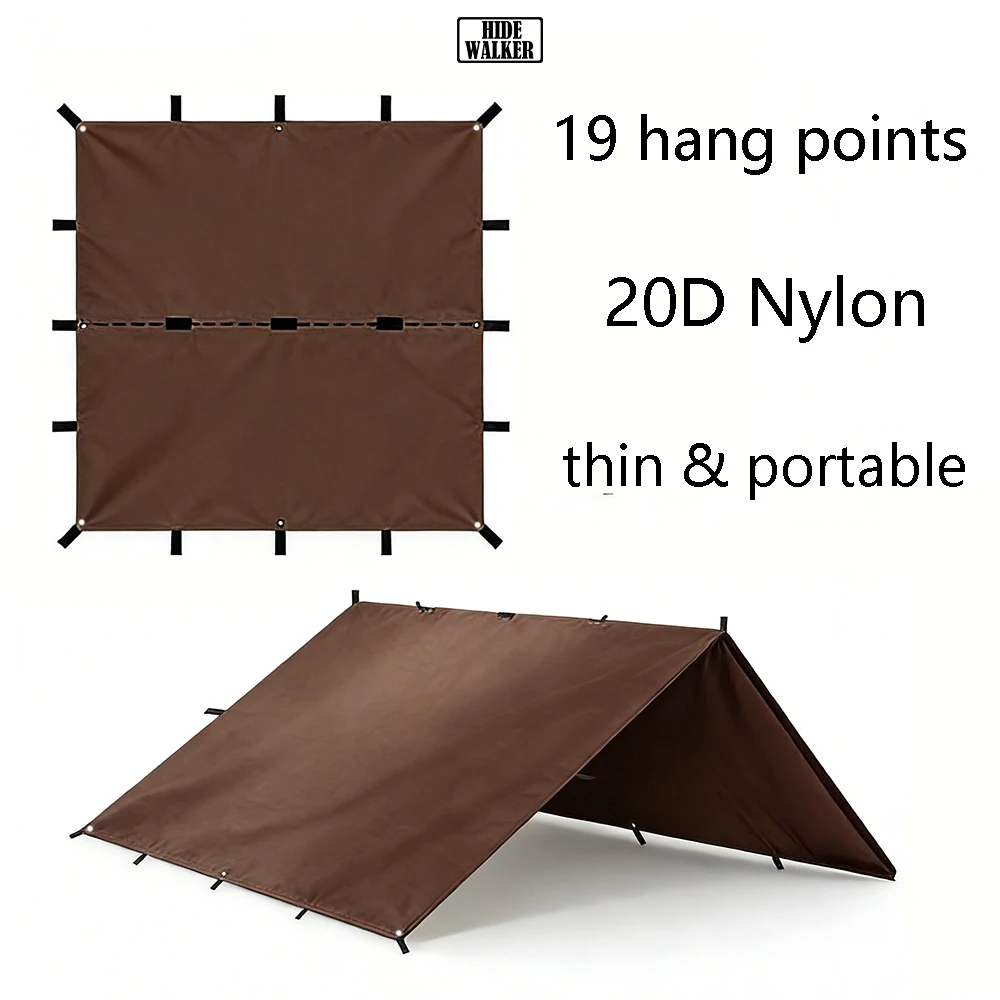
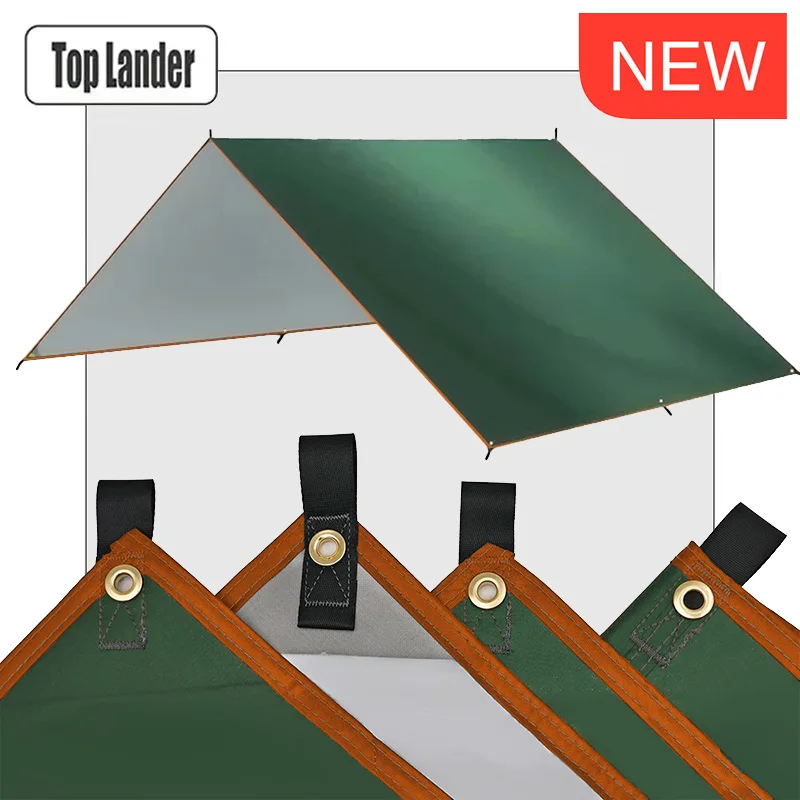
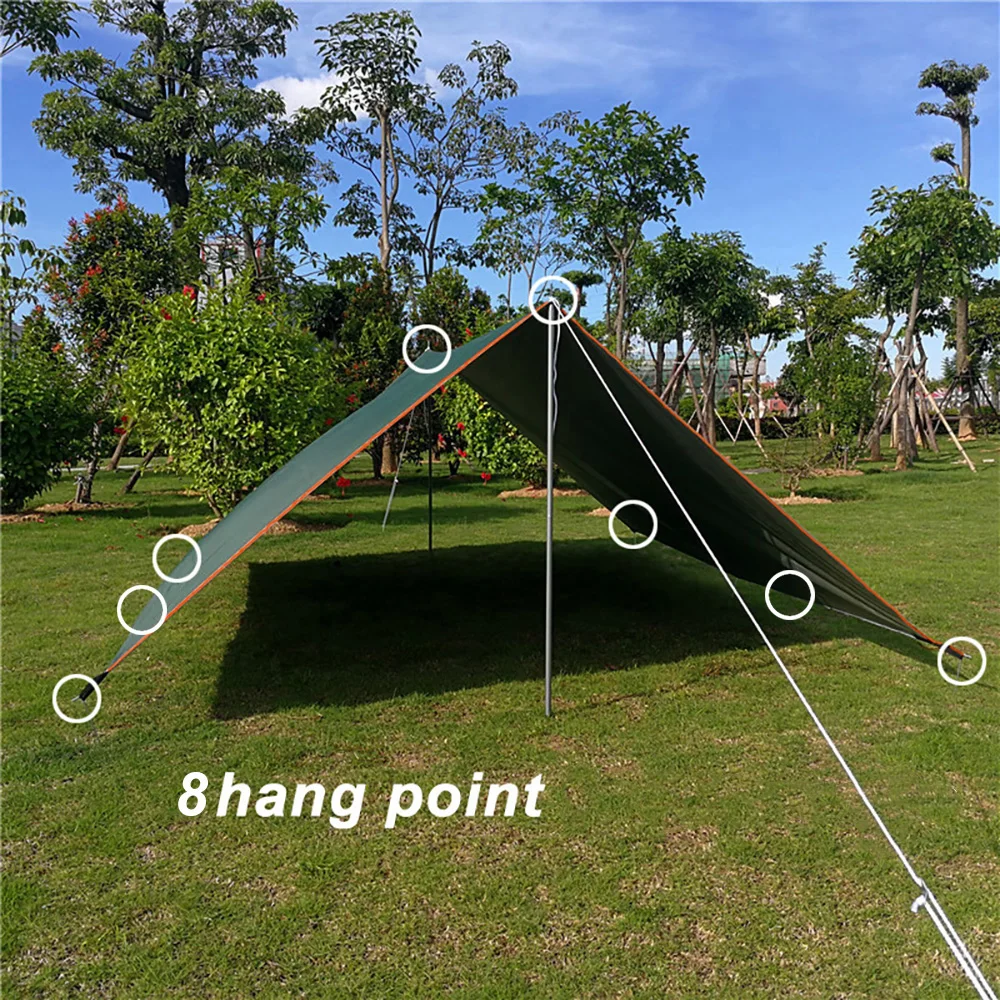
The more loops a tarp has, the more ways it will pitch. Two tarps here have 19 attachment points and another has 8. Most are sold as the sheet alone: on several, including the big octagon, poles, pegs and ropes are not included. Others come as a set: one adds two 2m support poles, 8 ropes and 8 ground nails, another a pair of 2m steel poles, six 18cm aluminium pegs and six 4m ropes. Read what is included, and pack guy lines, pegs and poles if it says none.
Pitching in rain and wind, and the rating
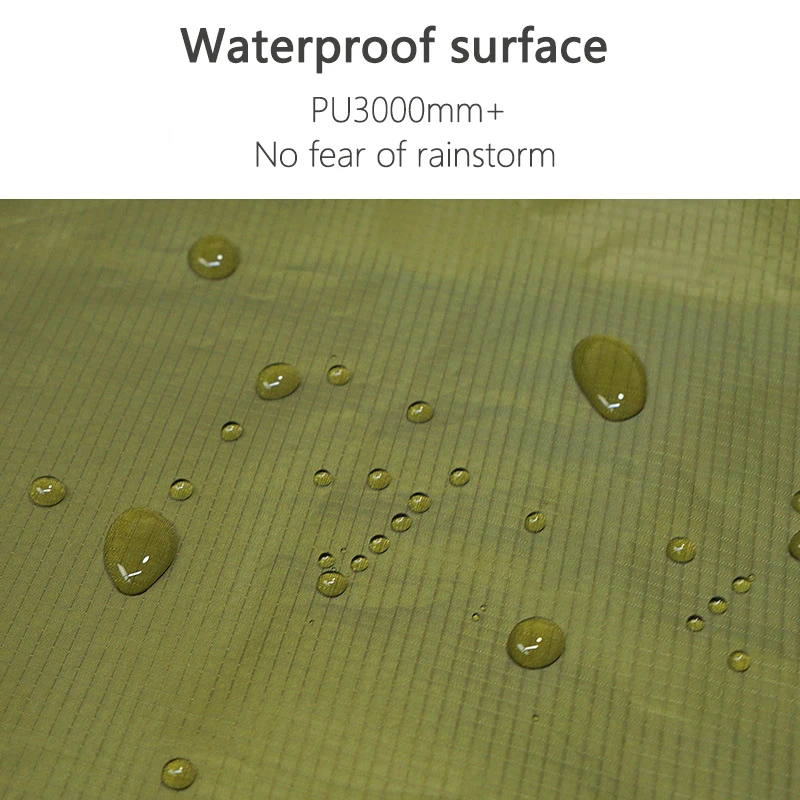
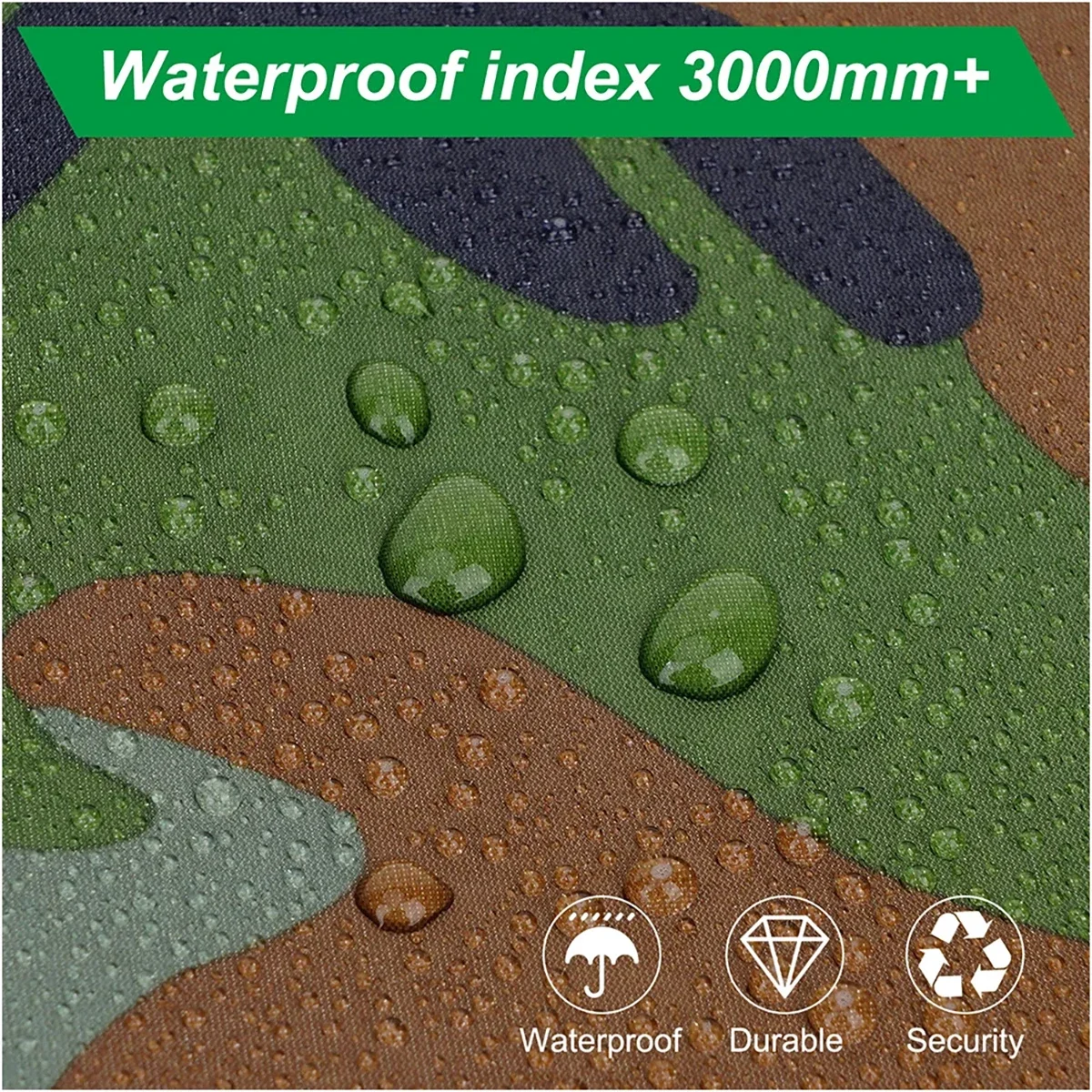
For rain, run a ridge line between two trees and hang the tarp over it as an A-frame, so water runs off both sides, and pull the lines tight so it cannot pool. For wind, pitch low and drop one edge to the ground on the side the wind comes from. The waterproof rating is the hydrostatic head in millimetres, as on a tent. The tarps here run from 1,500mm on the 310g flysheet through 2,000mm, 3,000mm and 3,500mm to 5,000mm on the 15D nylon tarp.
Questions people ask about tarps
Do I need a groundsheet under a tarp?
Yes, if you are sleeping under it. A tarp has no floor, so lay a groundsheet and use a bivvy bag on top. See bivvy bags.
Can I have a fire under a tarp?
No. Keep fires and stoves well clear of any tarp. Even the flame-retardant one here is, in its maker's words, not fireproof.
How long does delivery take?
Delivery is included in every price and tracked to your door. Each product page says when that tent usually arrives, so check it before ordering for a set date.
More to look at