What a tent's layout means
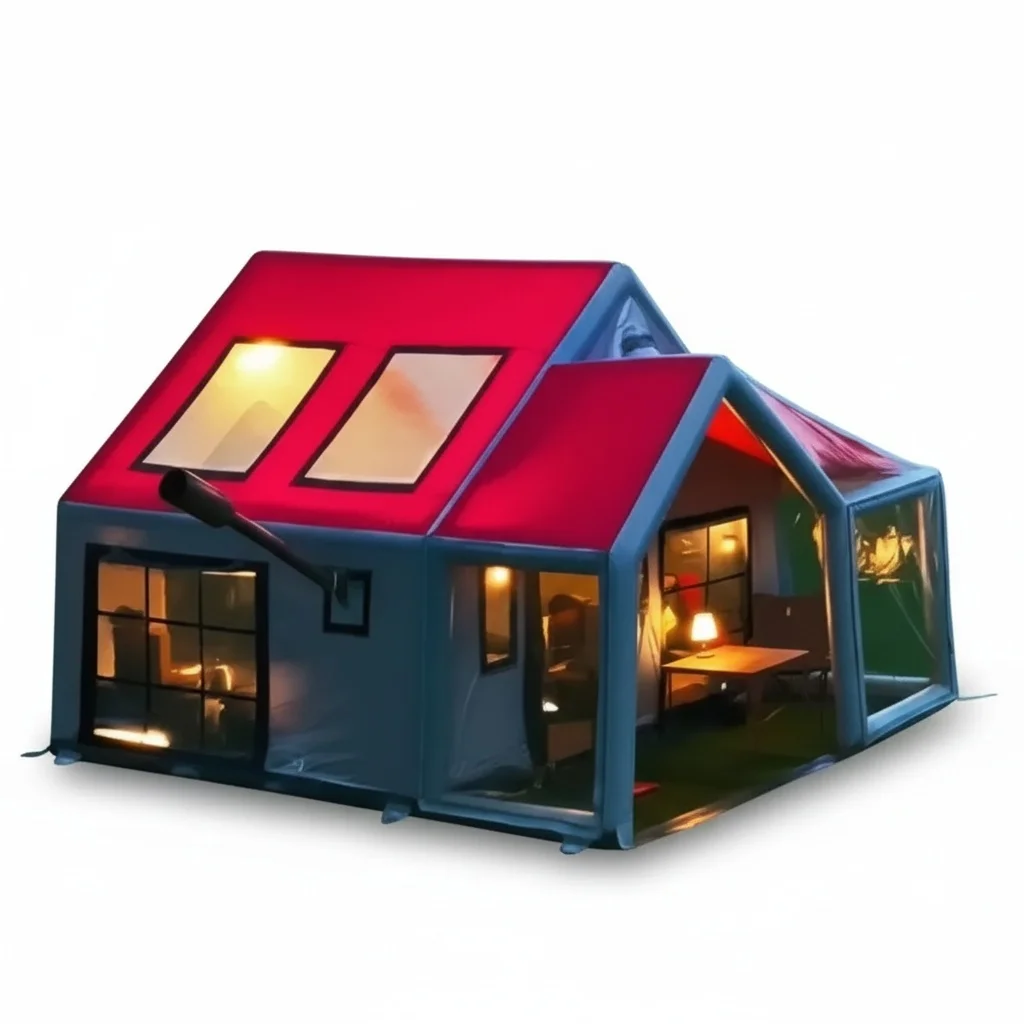
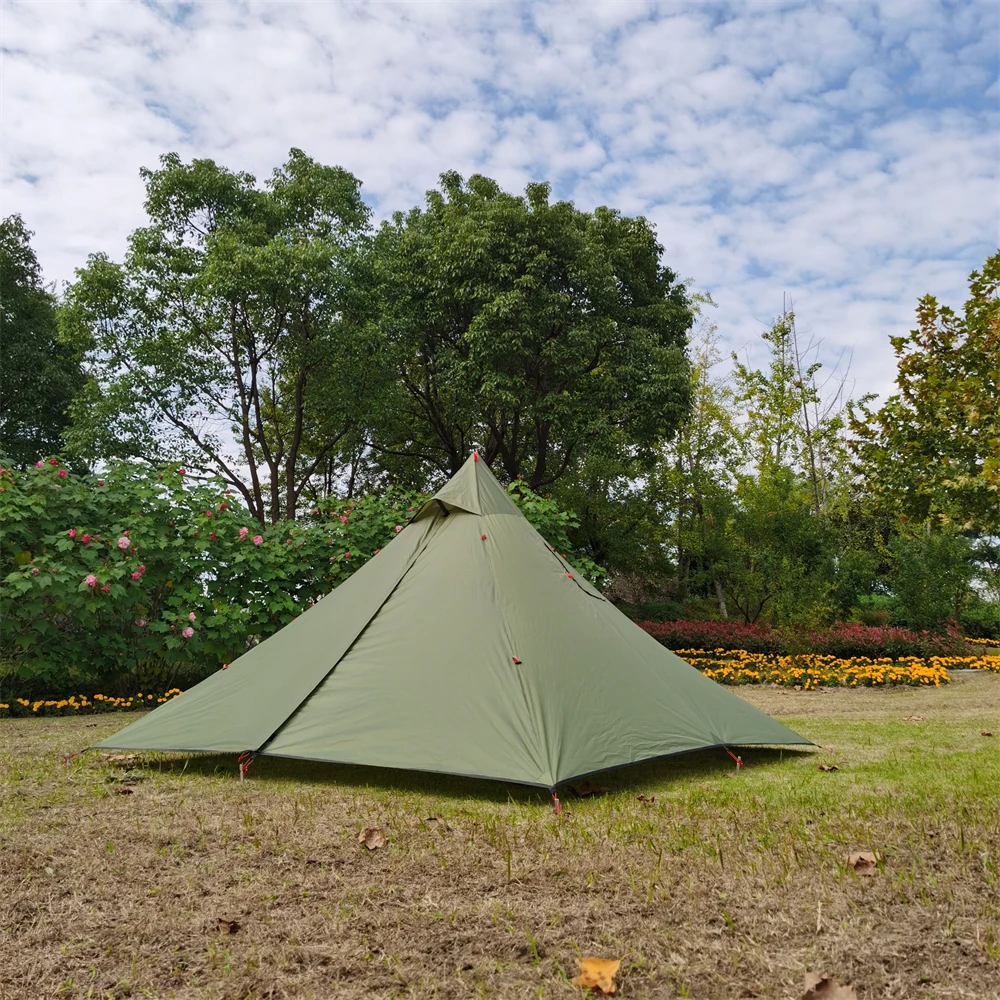
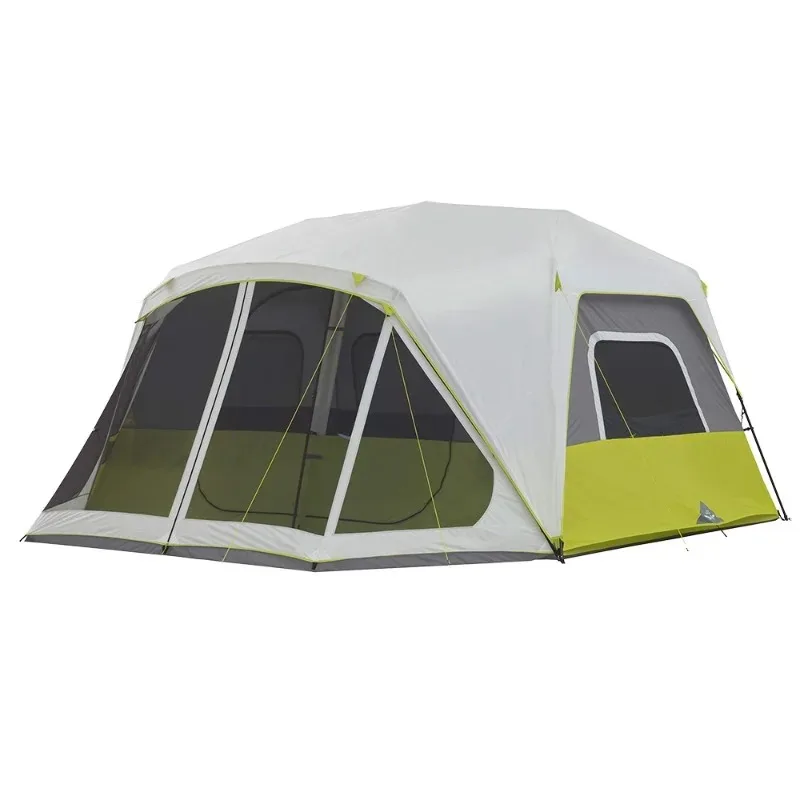
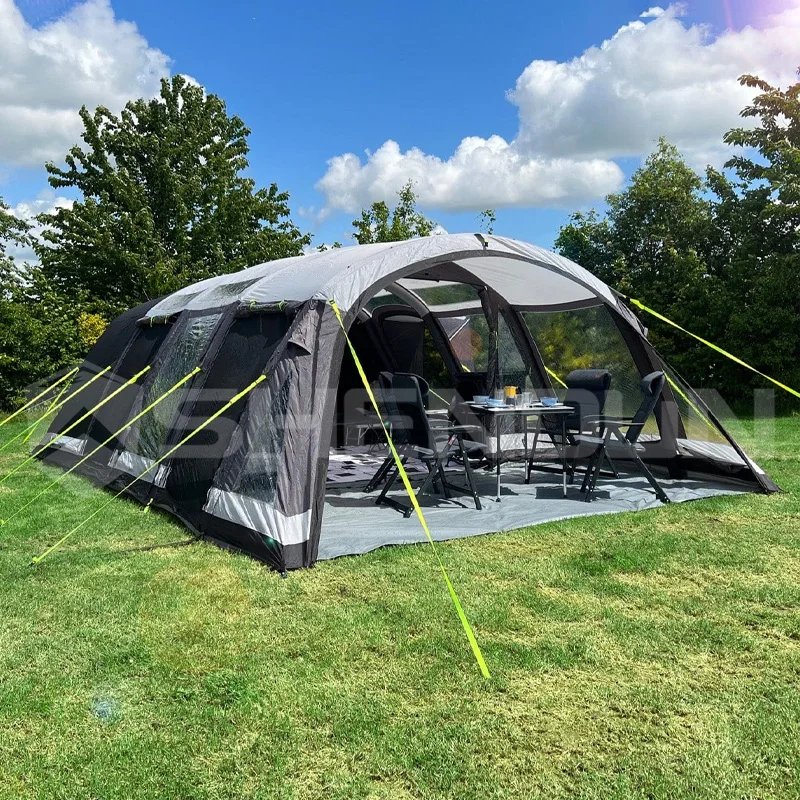
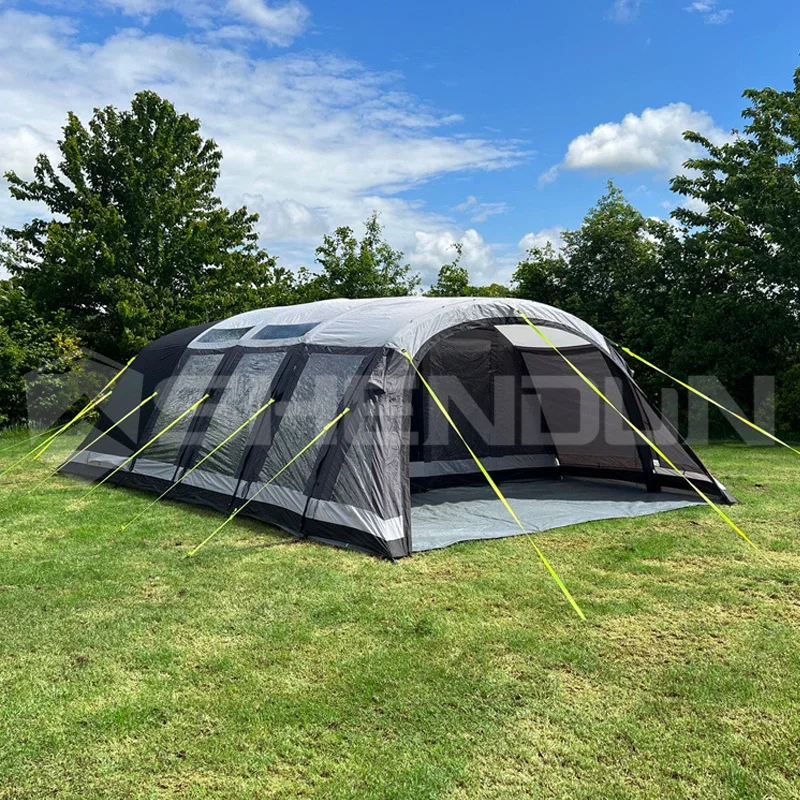
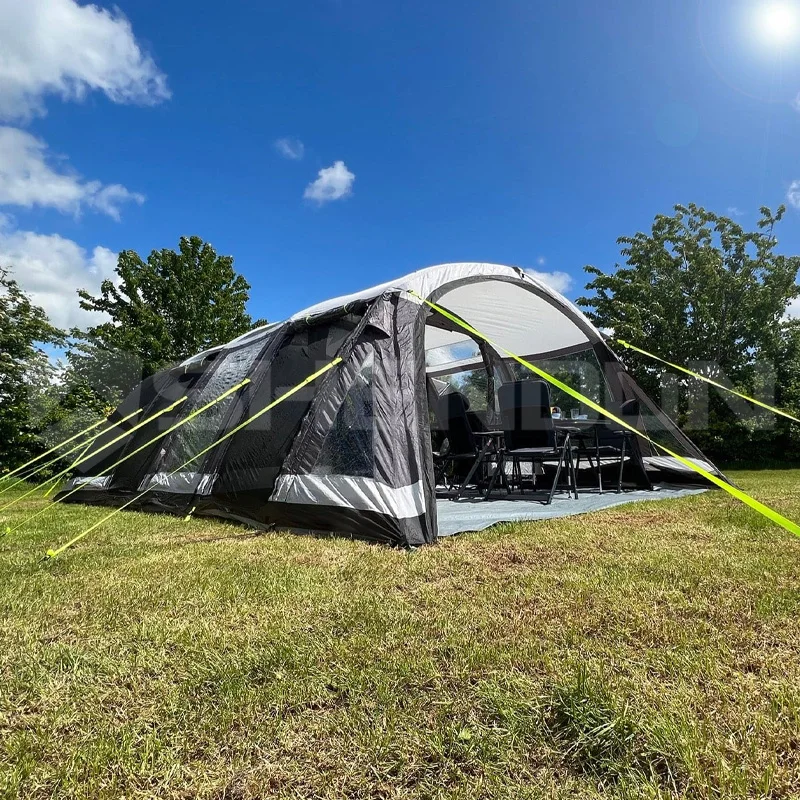
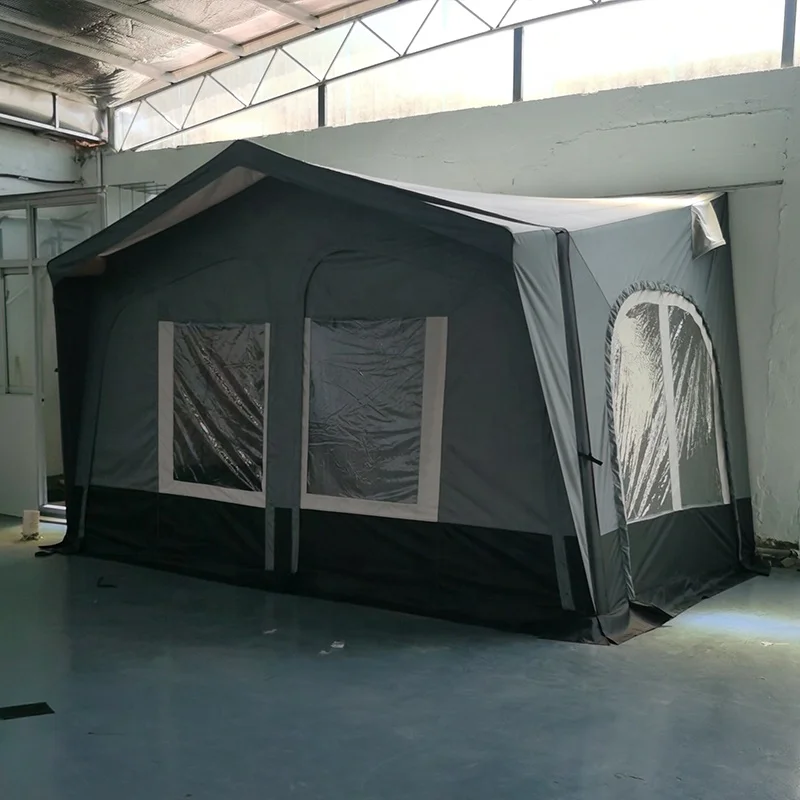
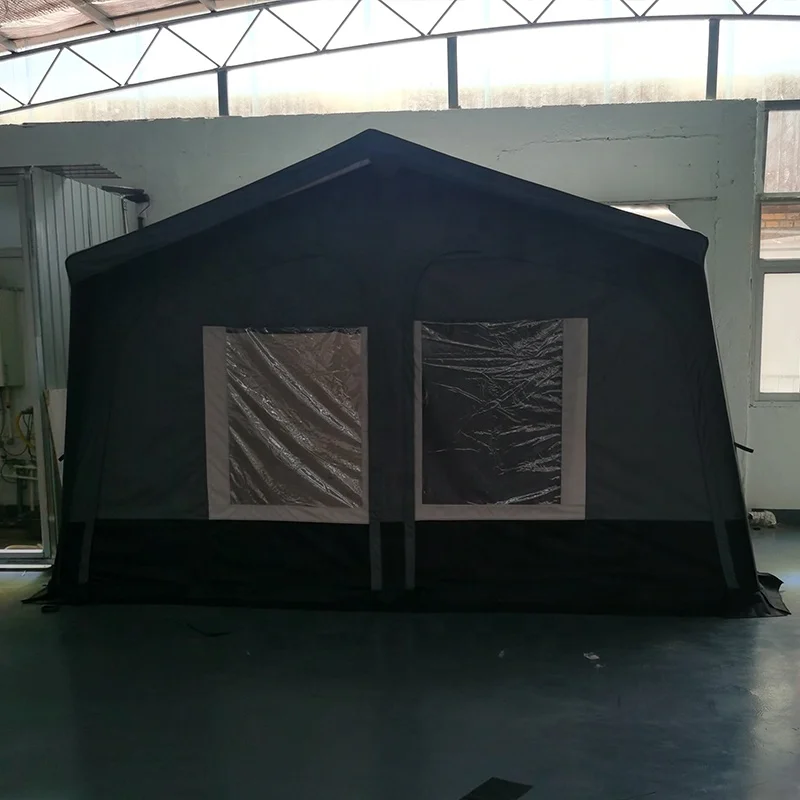
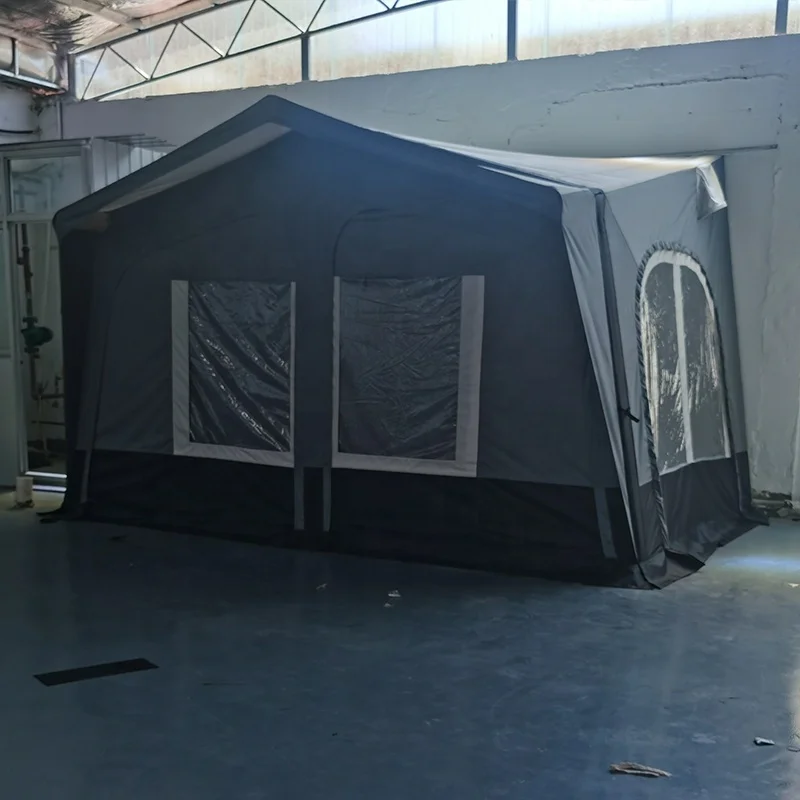
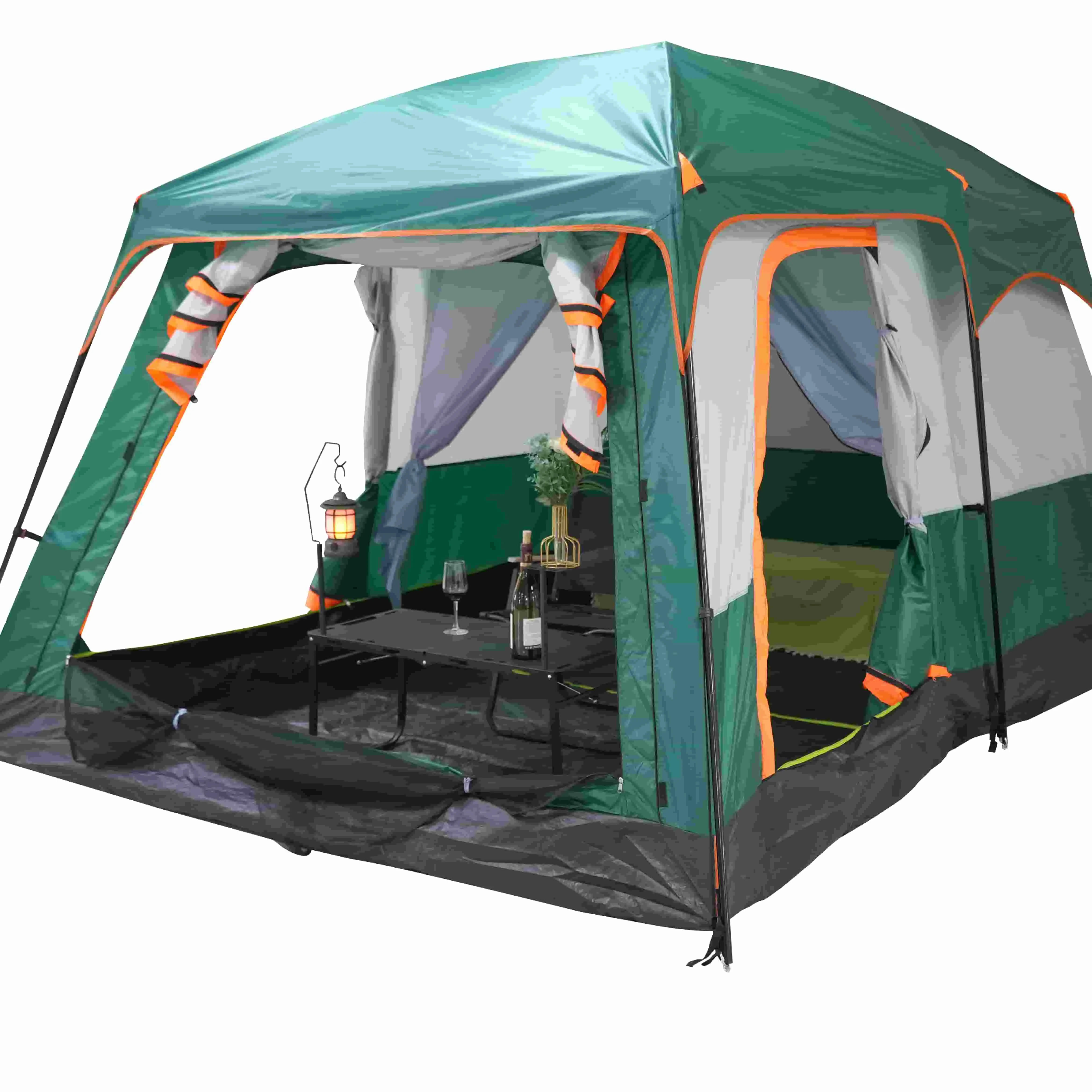
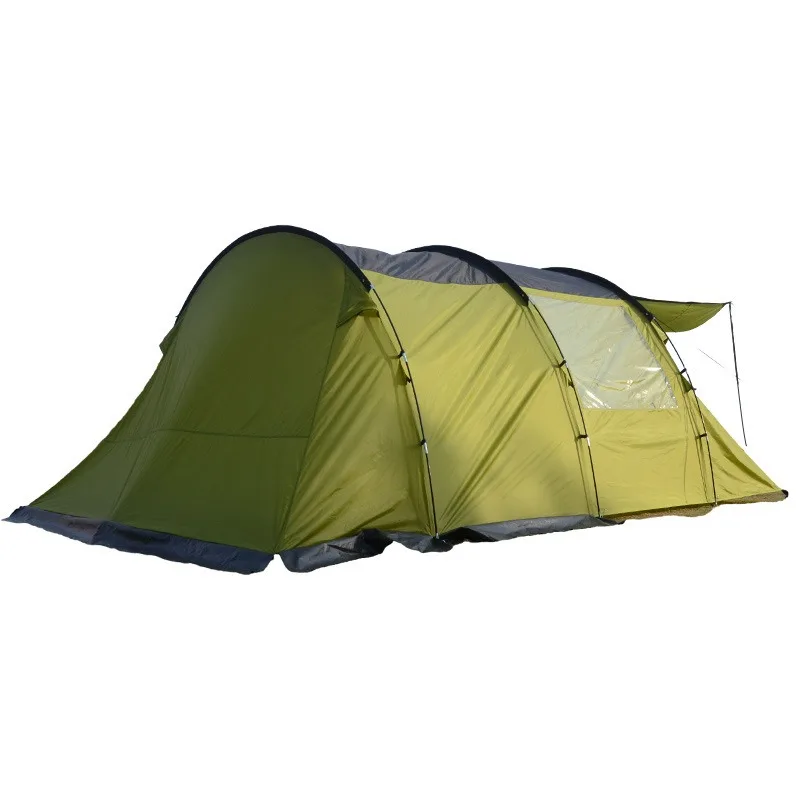
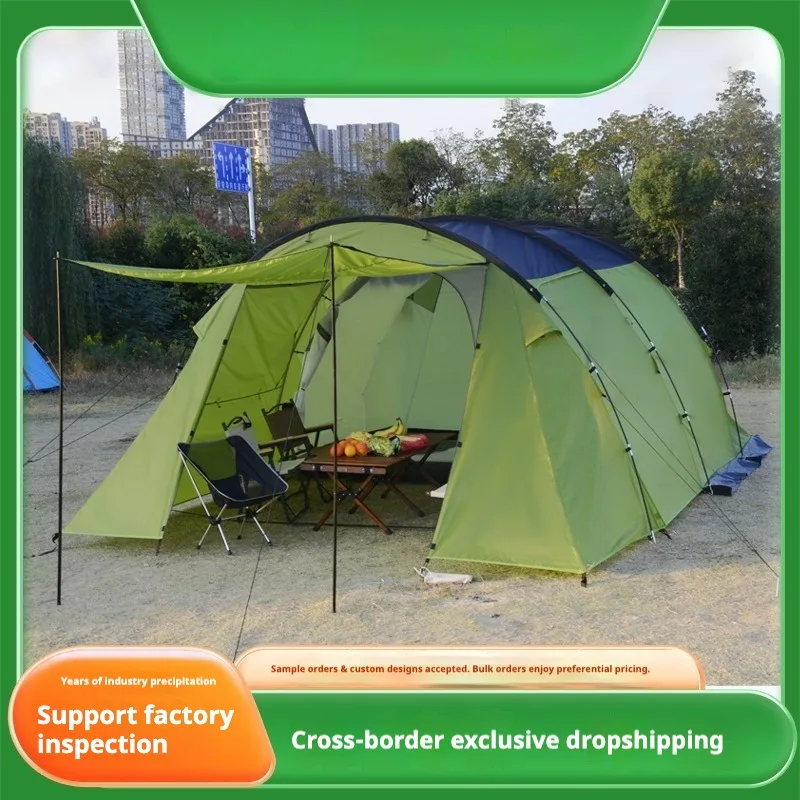
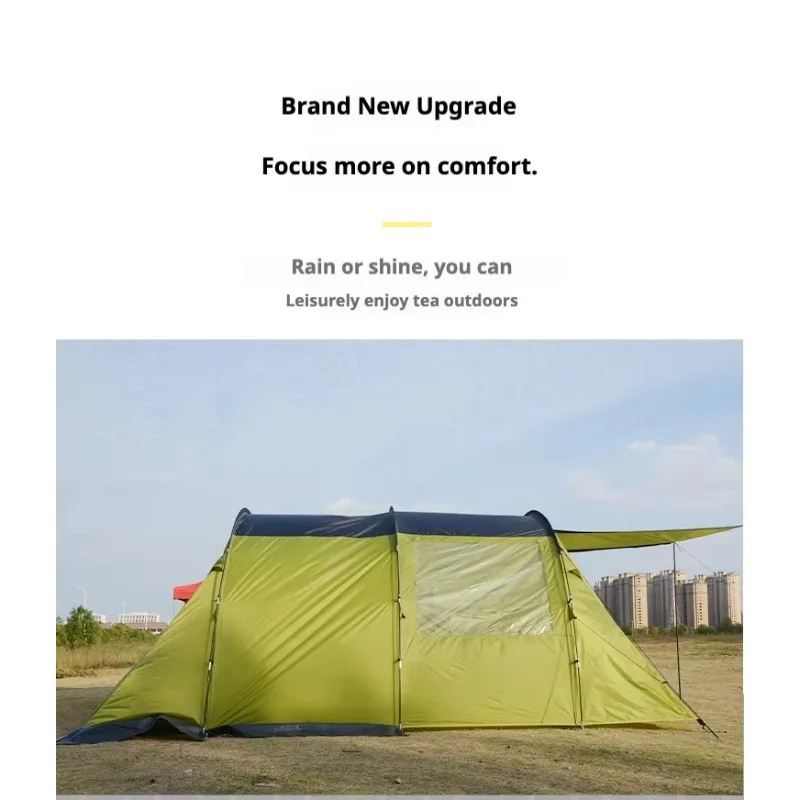
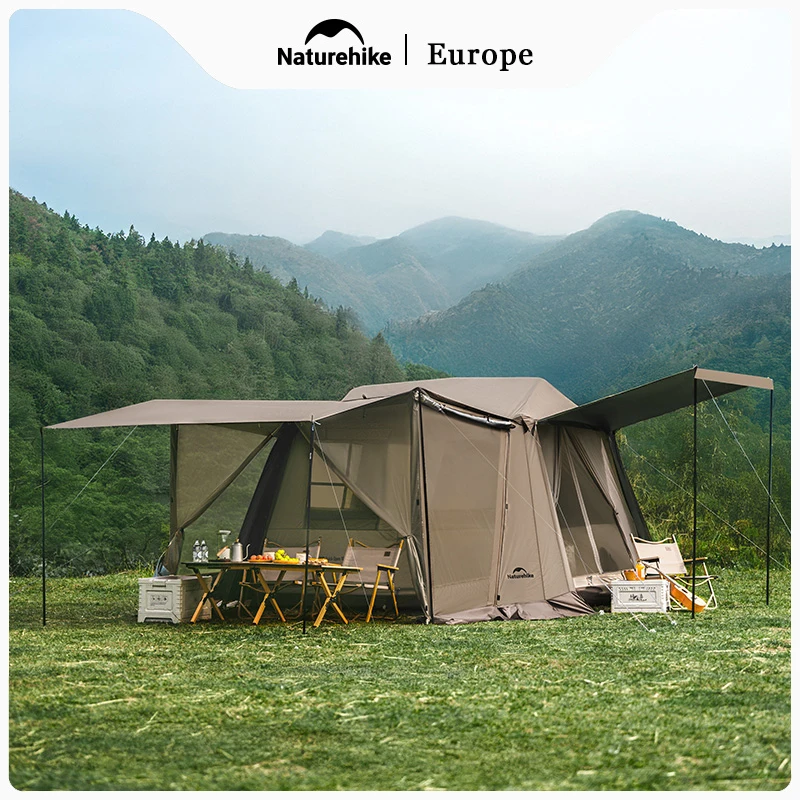
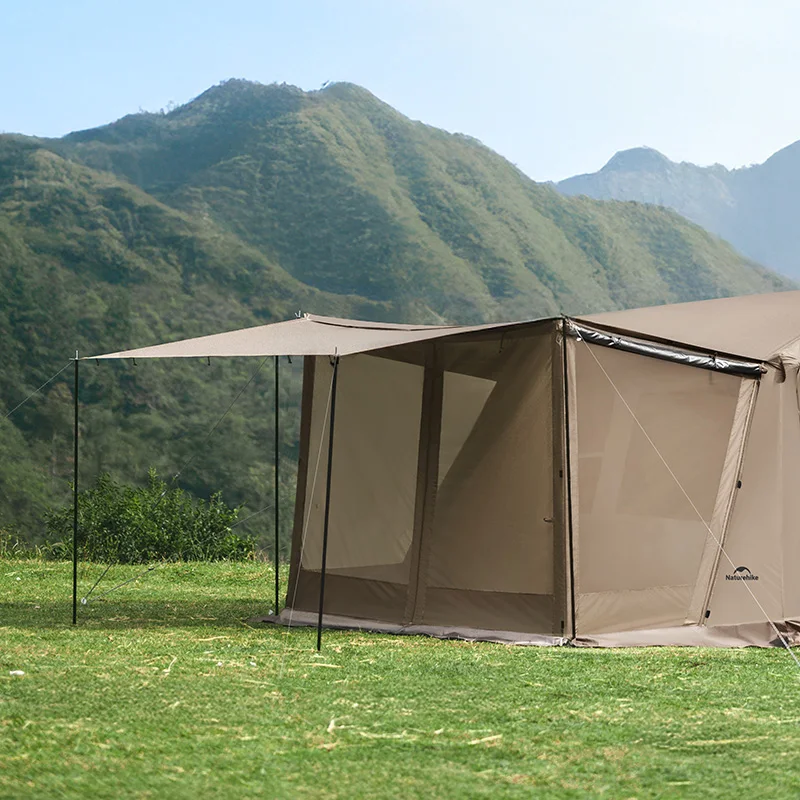
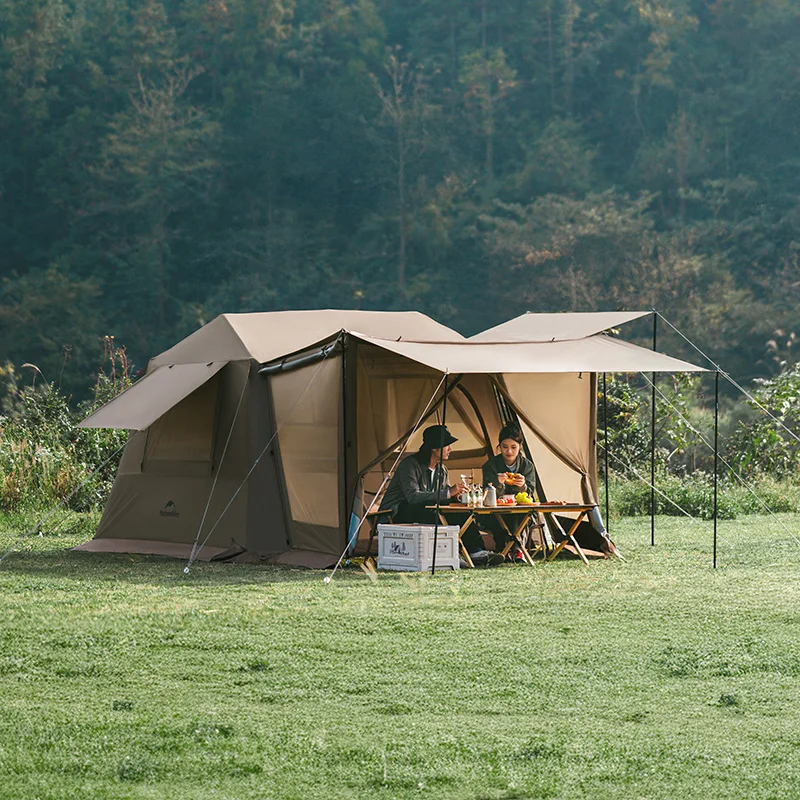
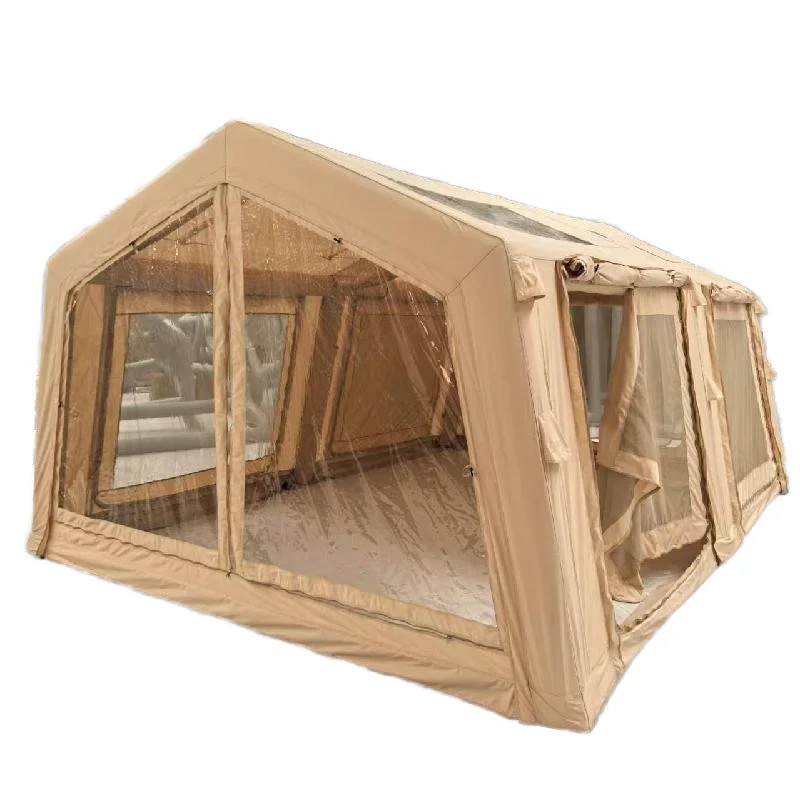
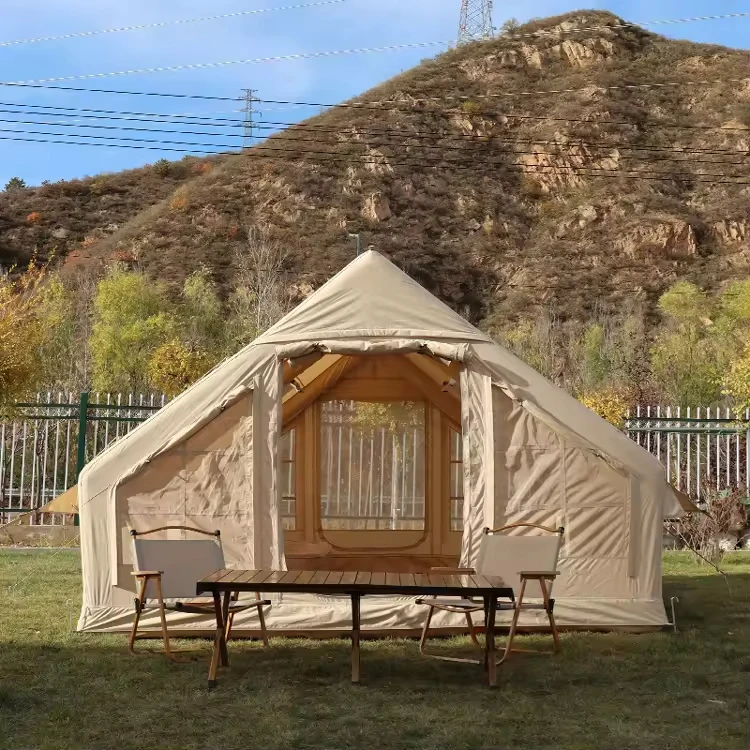
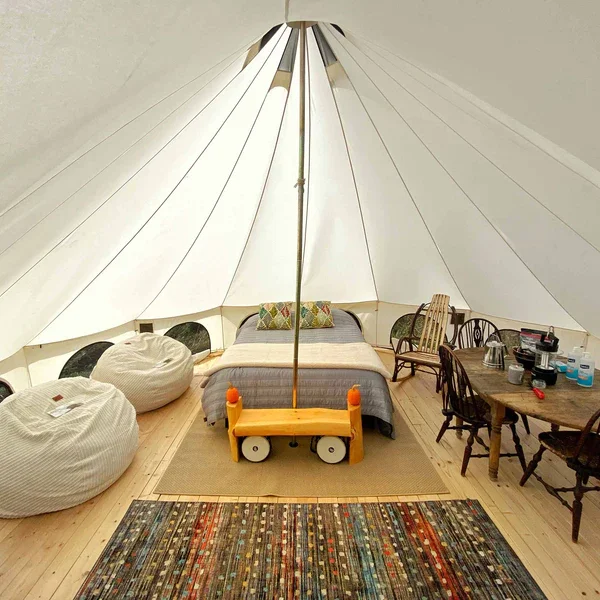
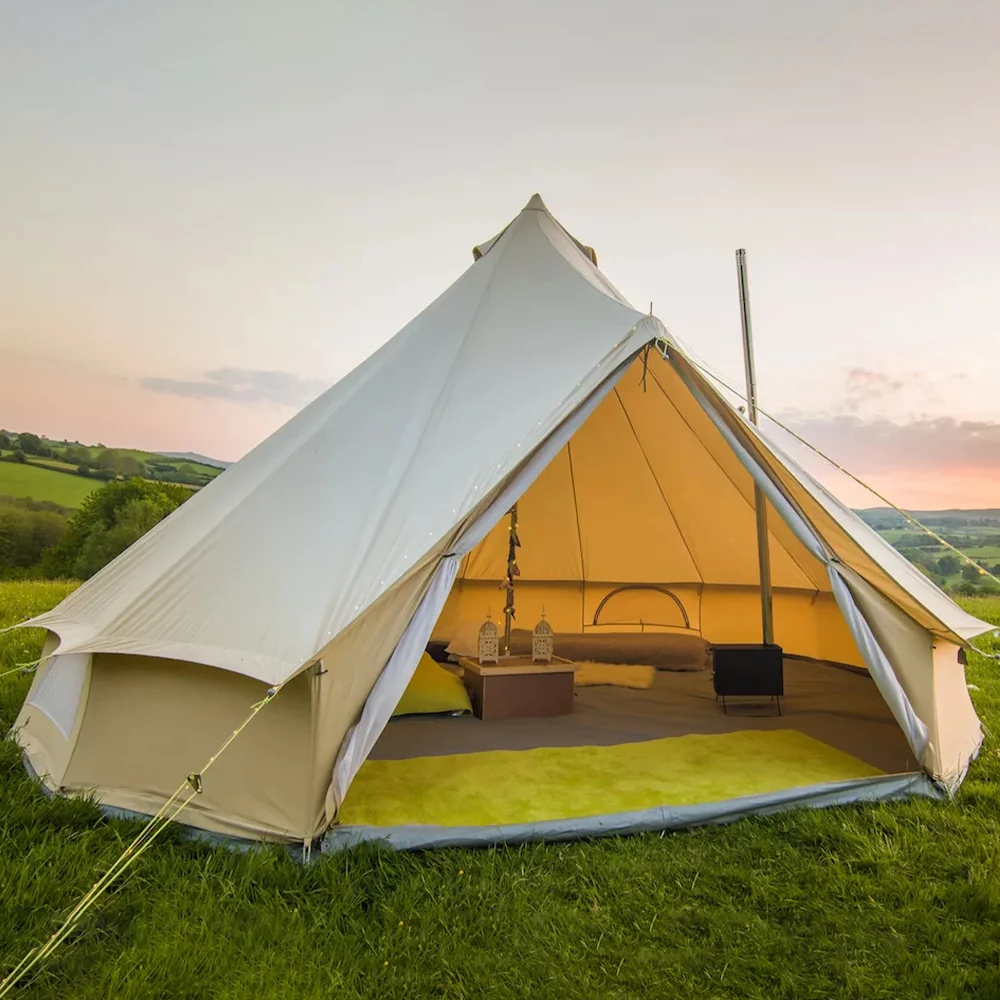
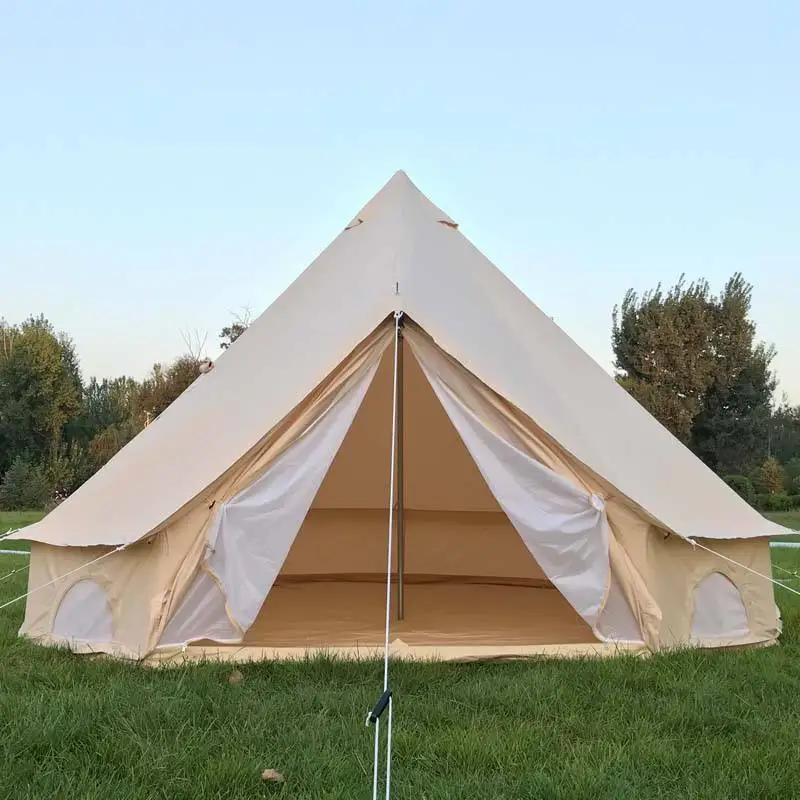
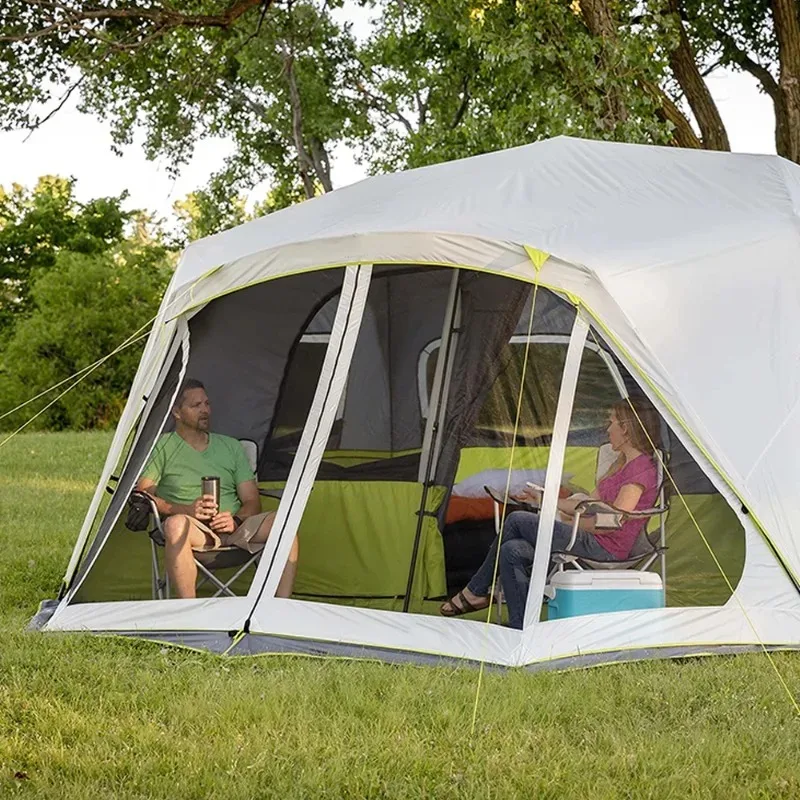
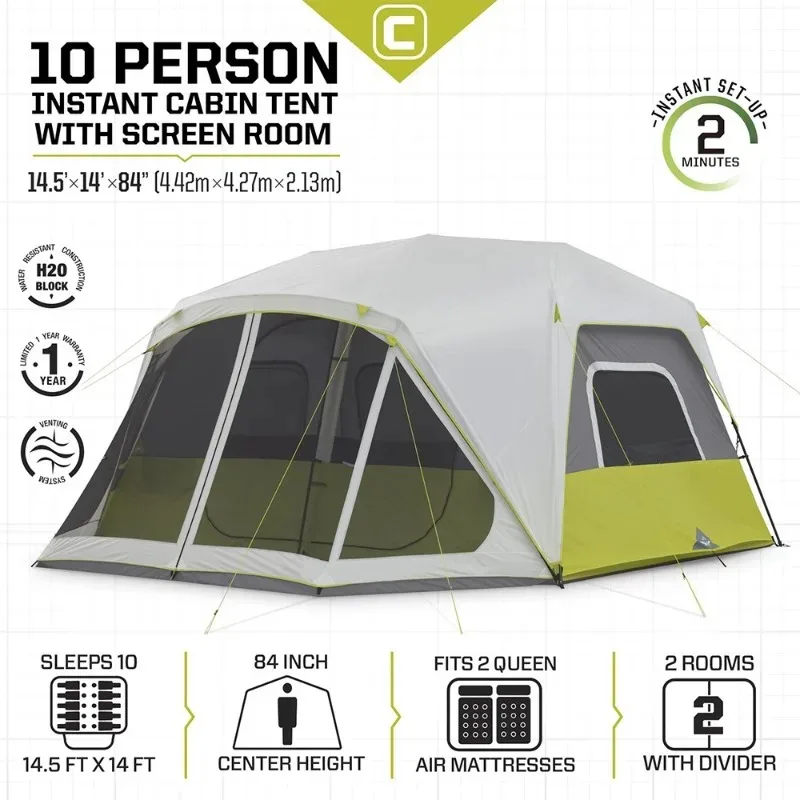
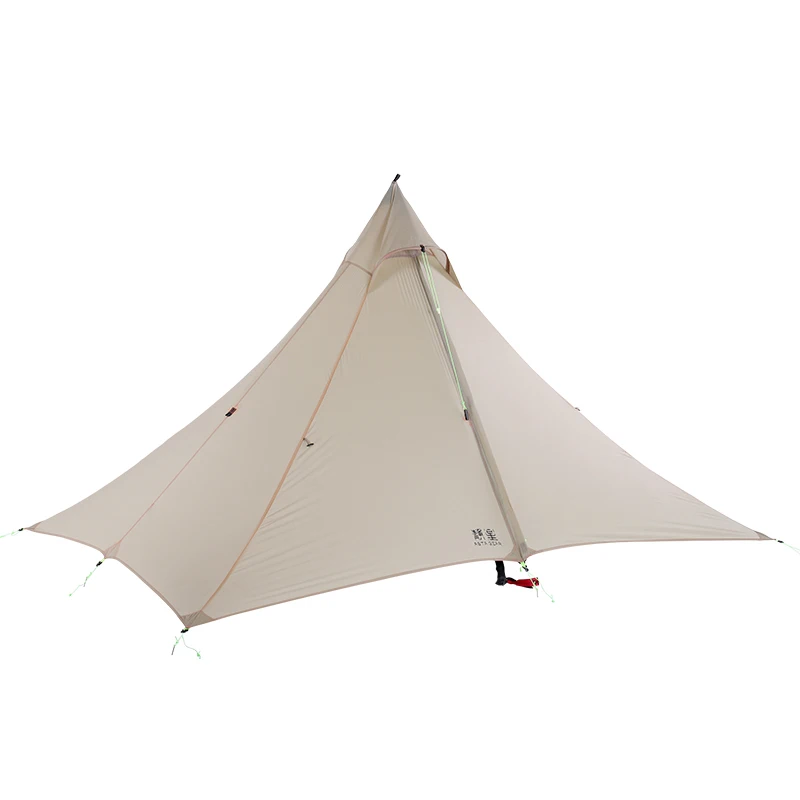
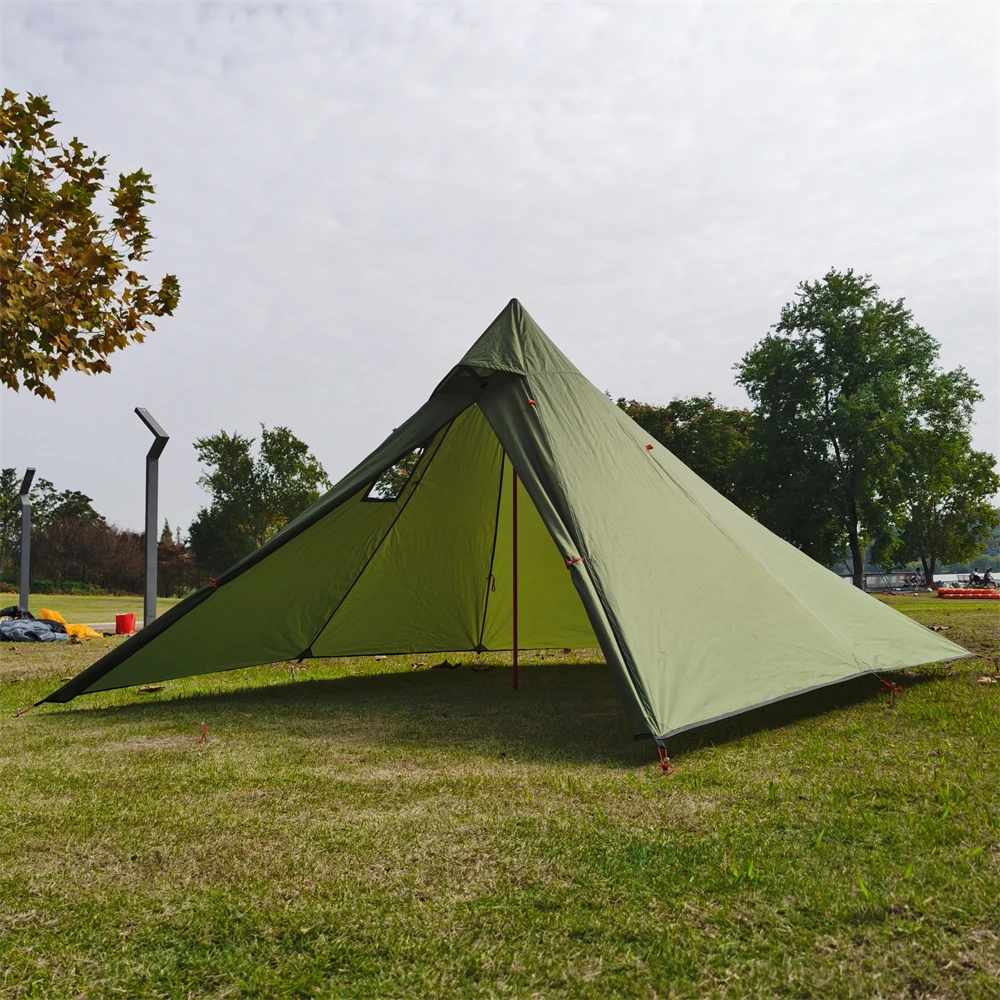
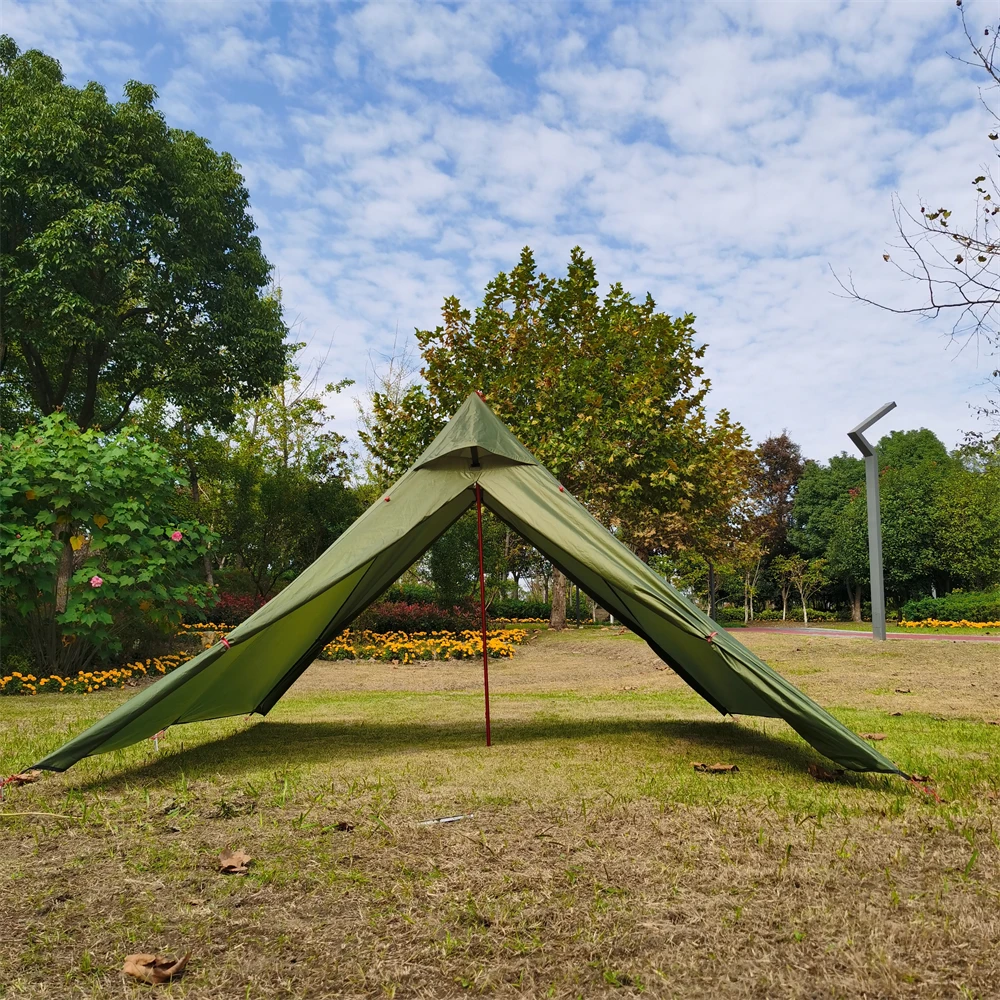
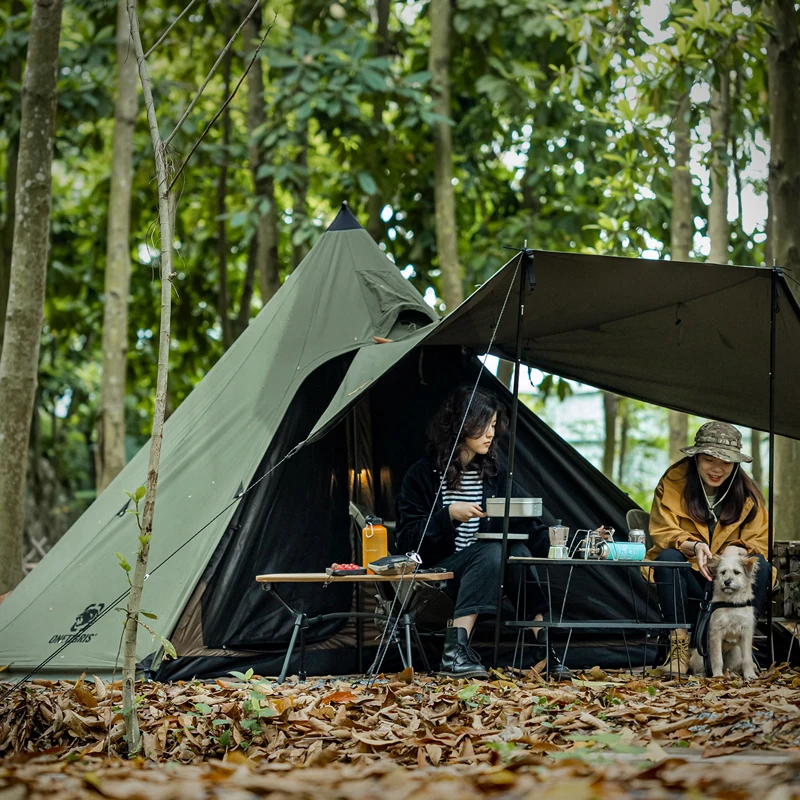
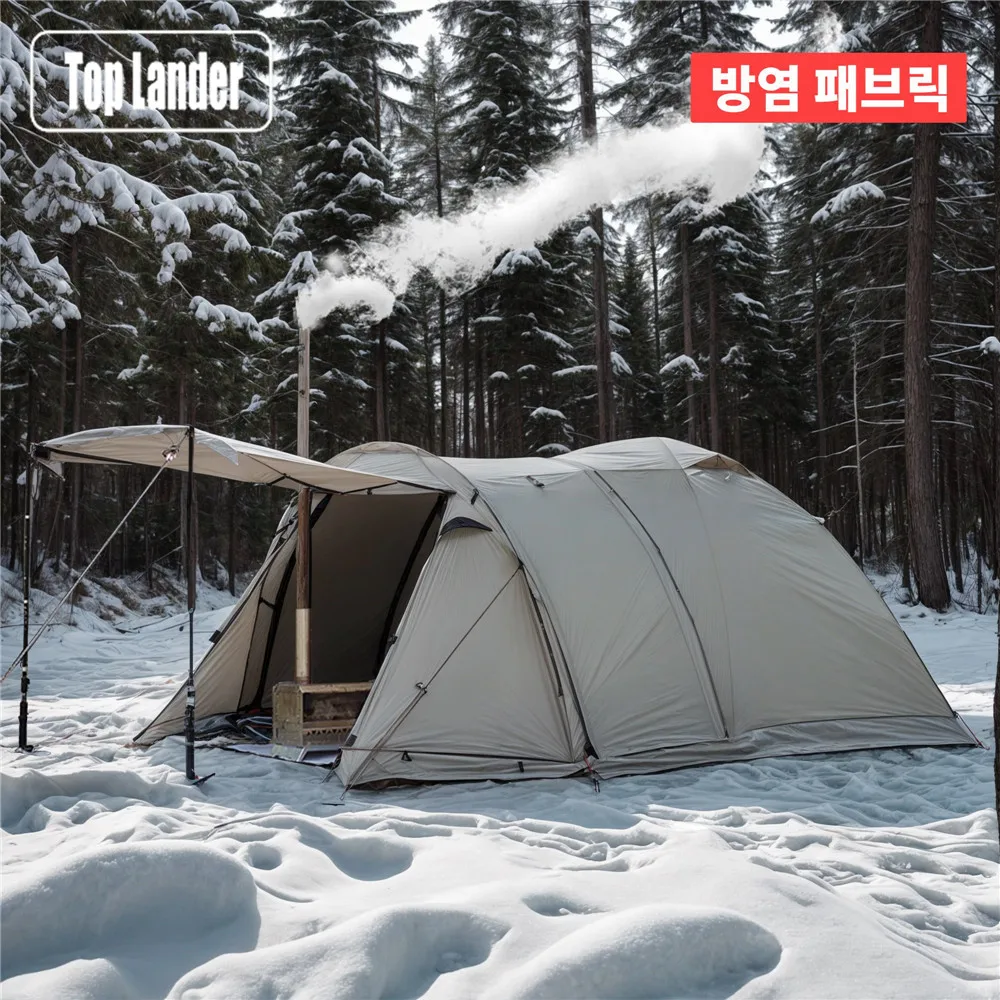
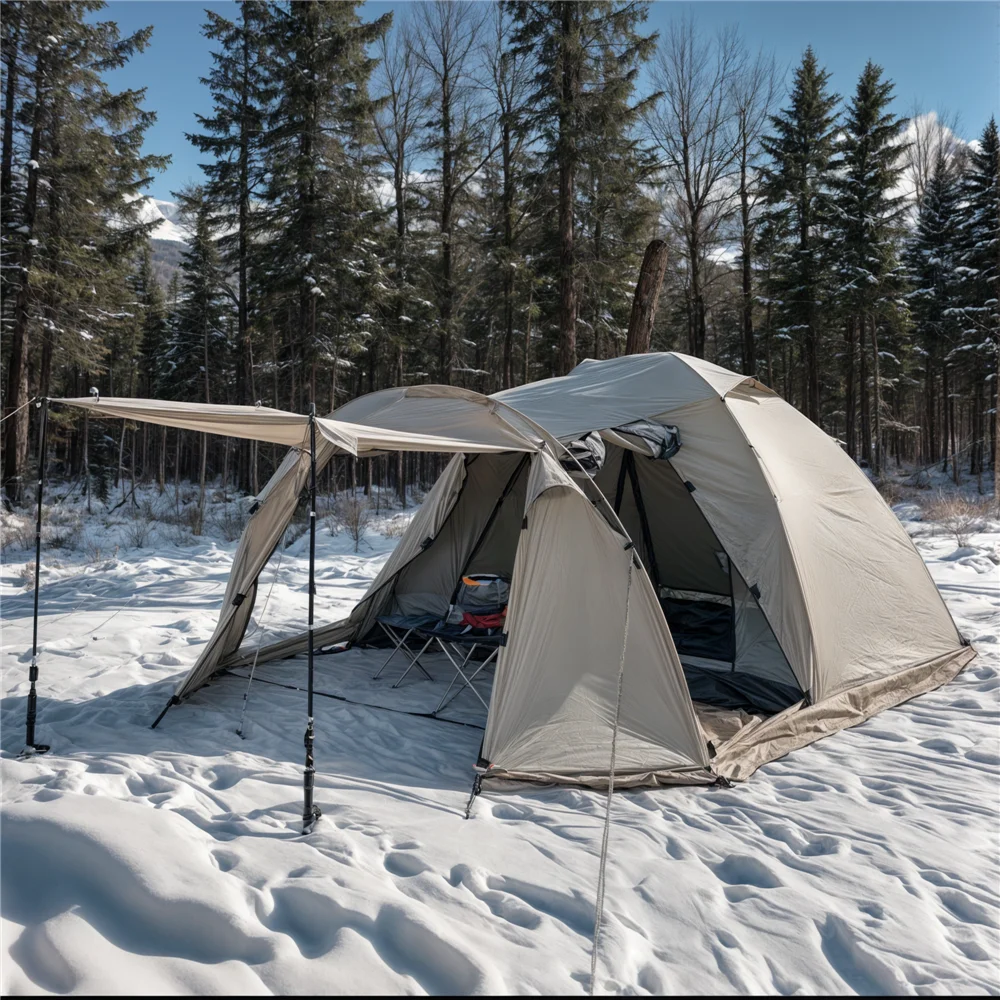
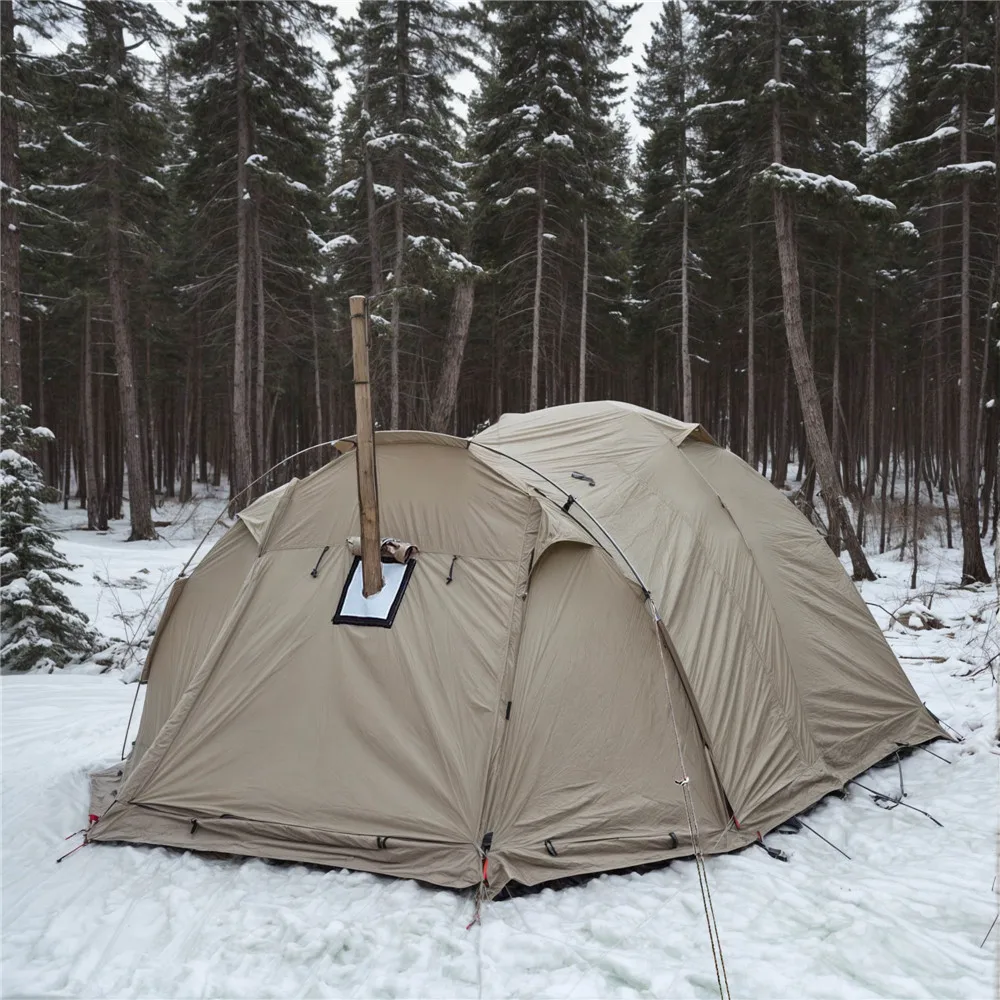
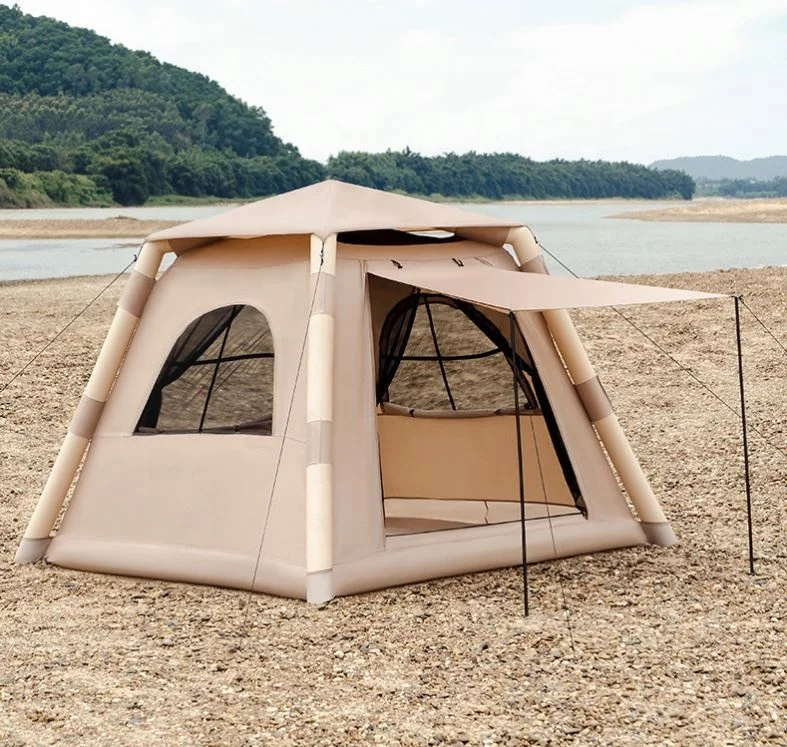
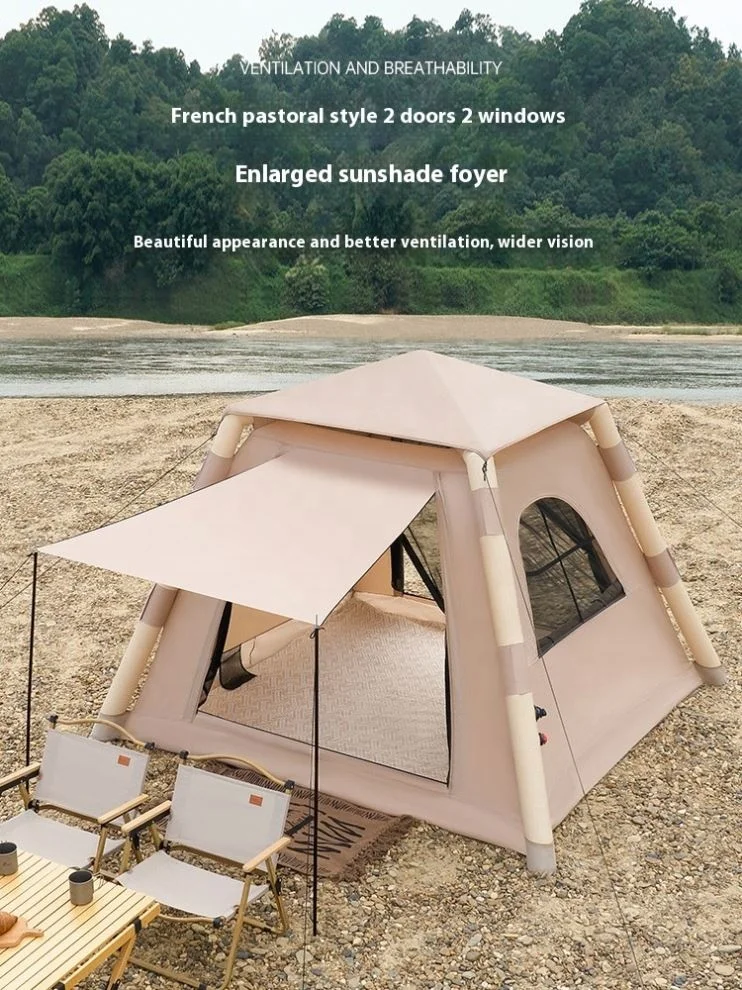
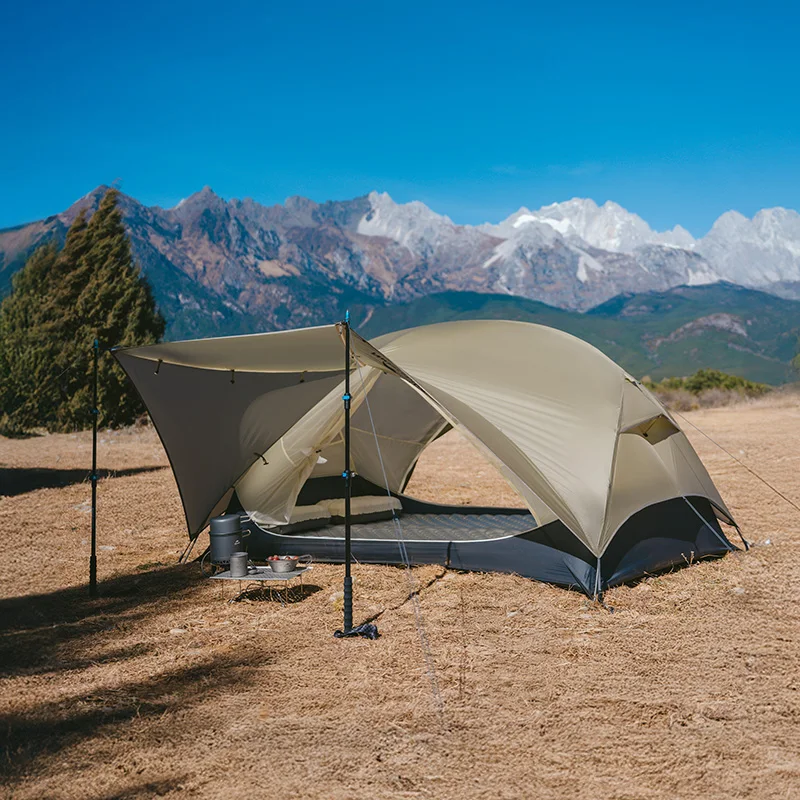
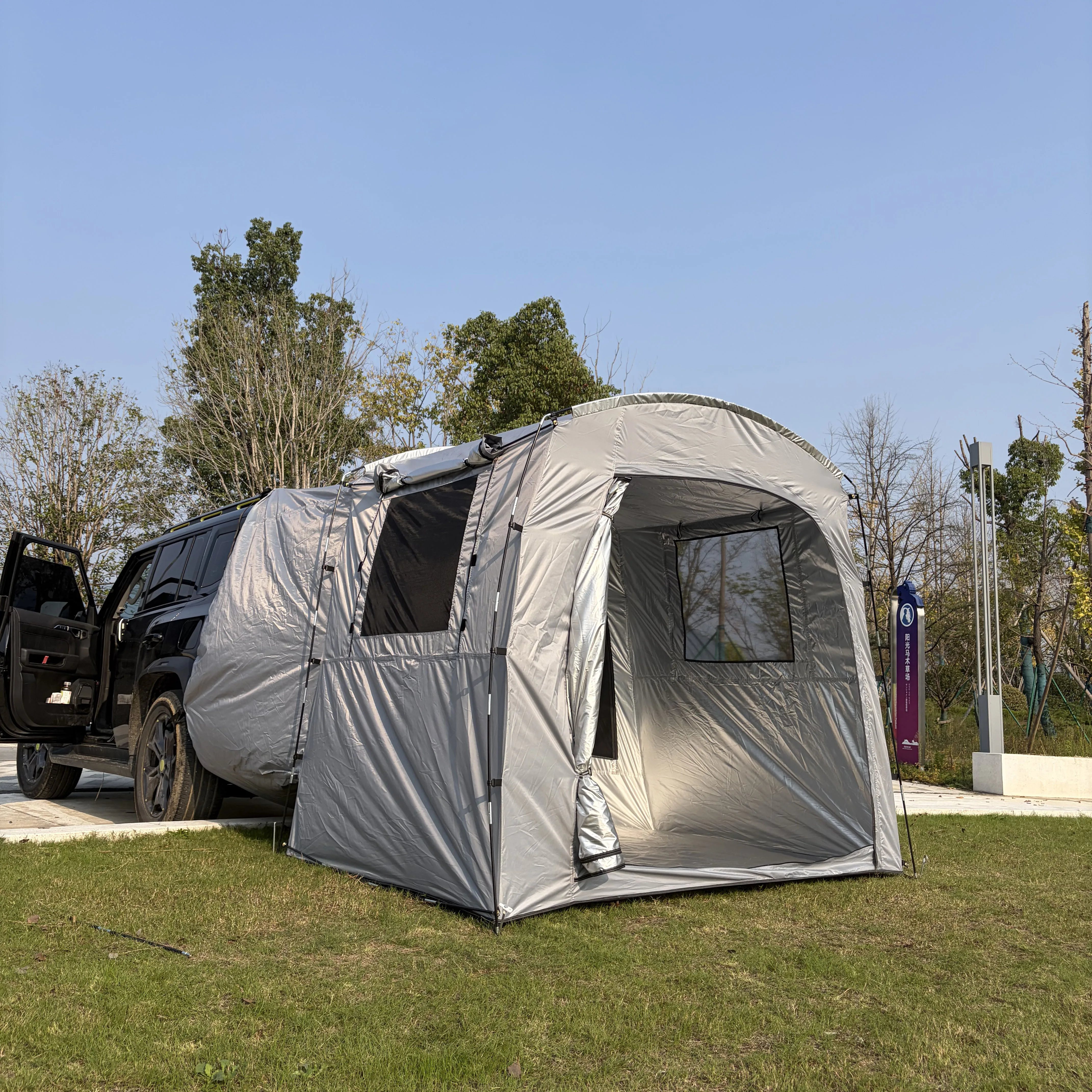
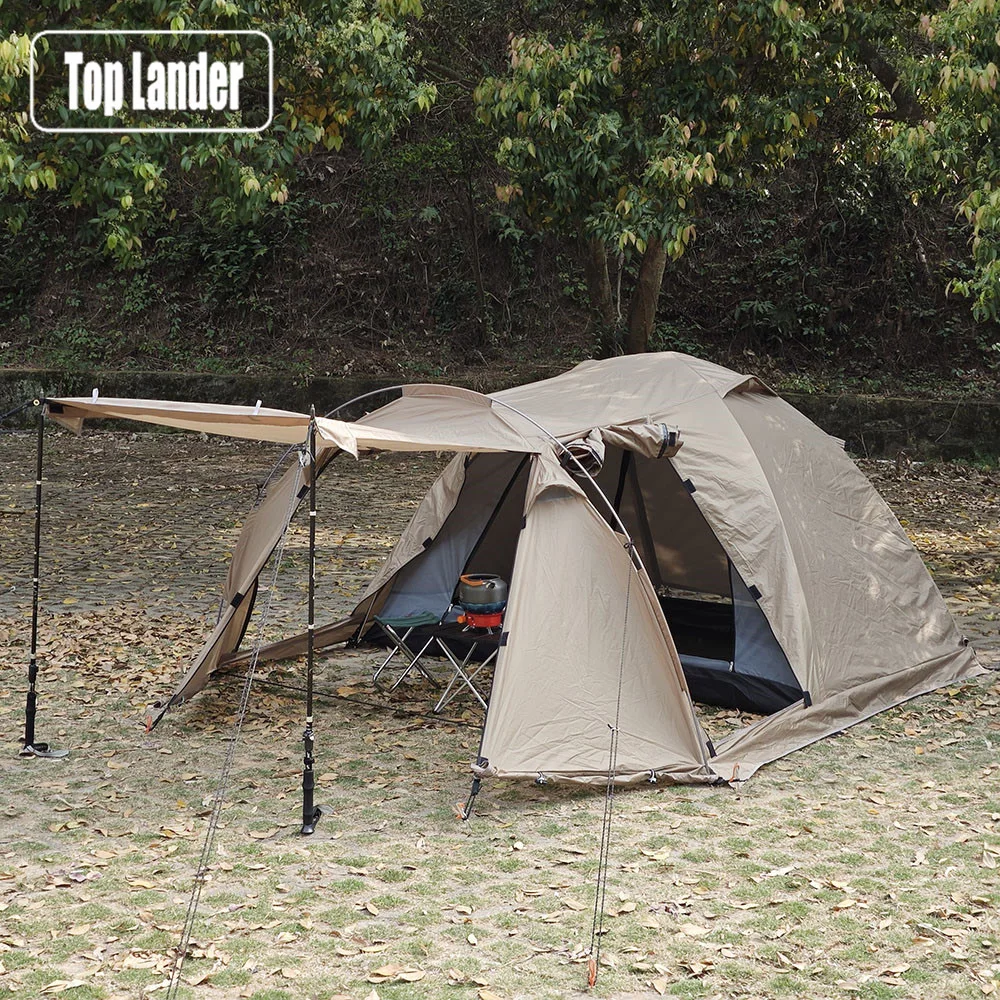
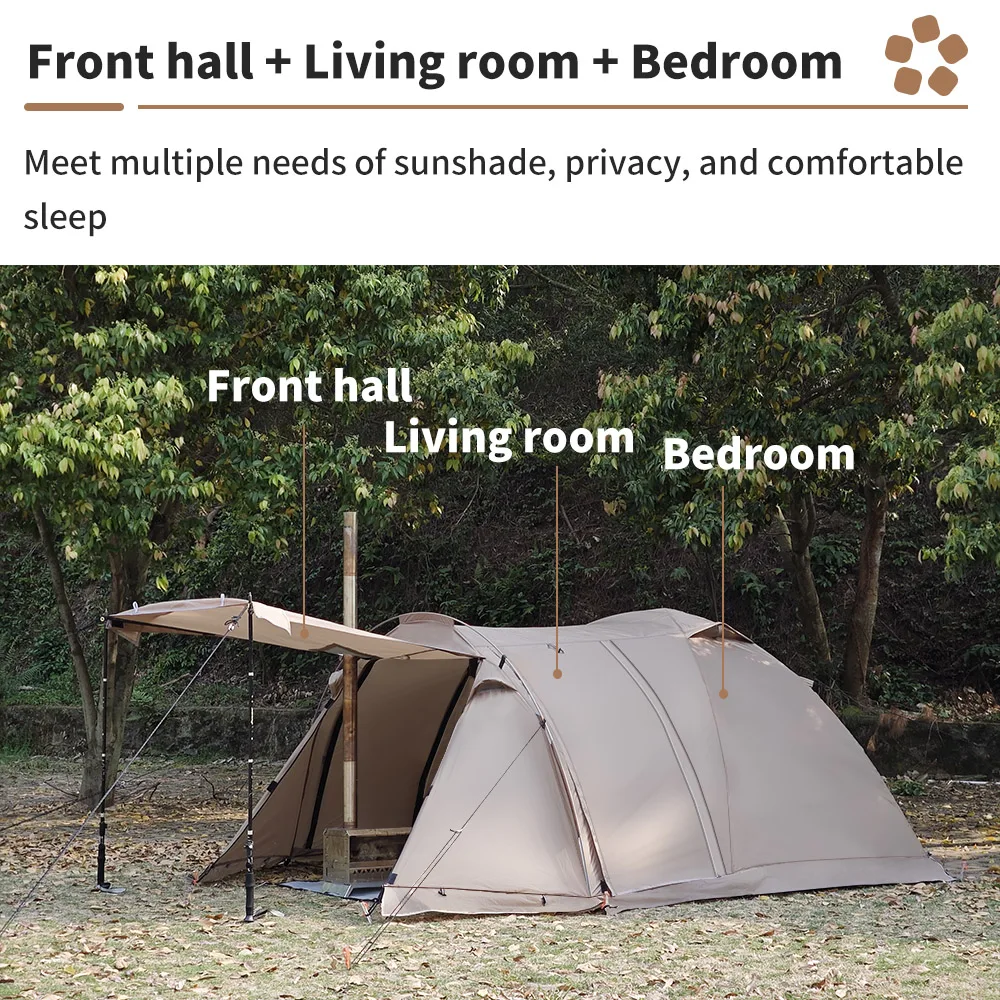
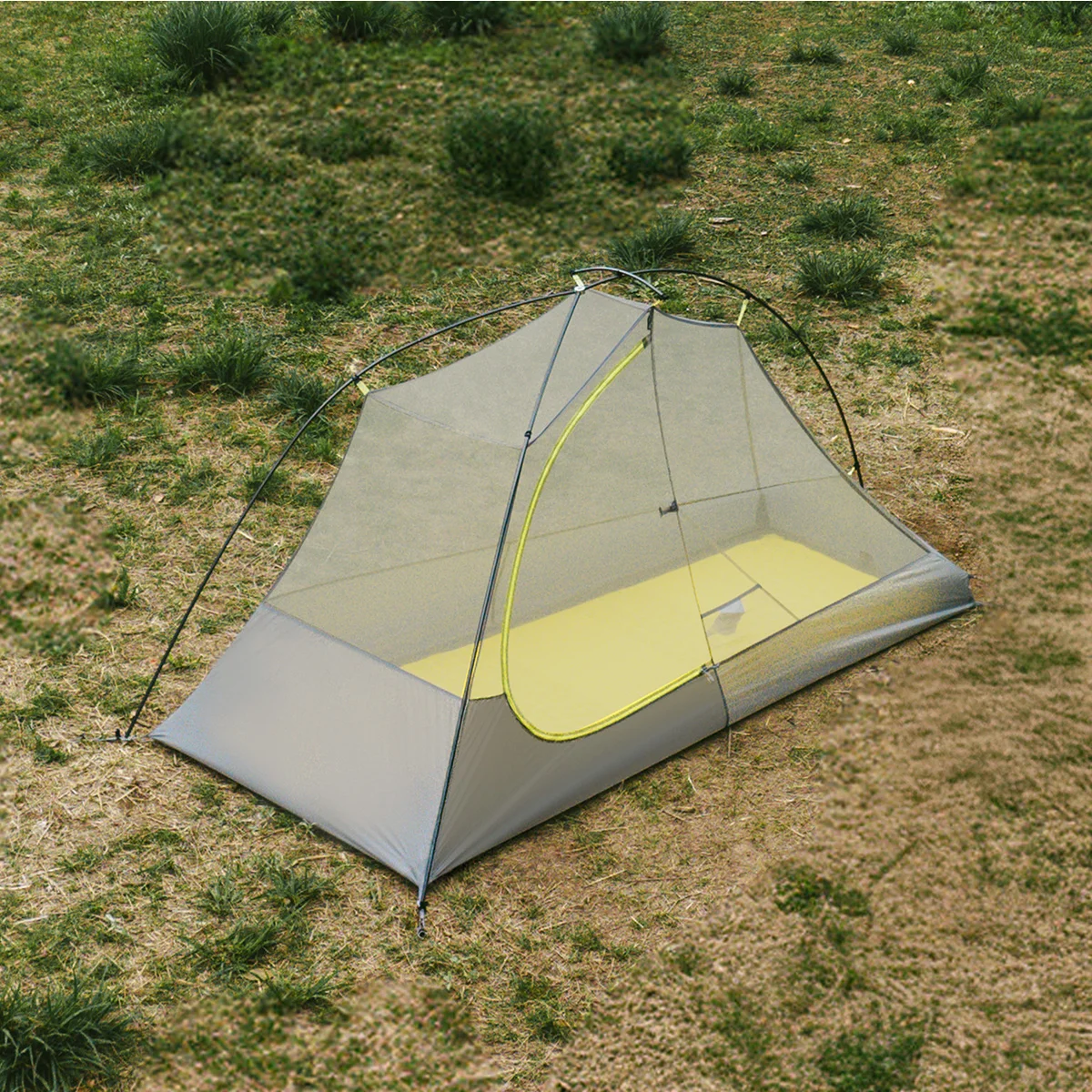
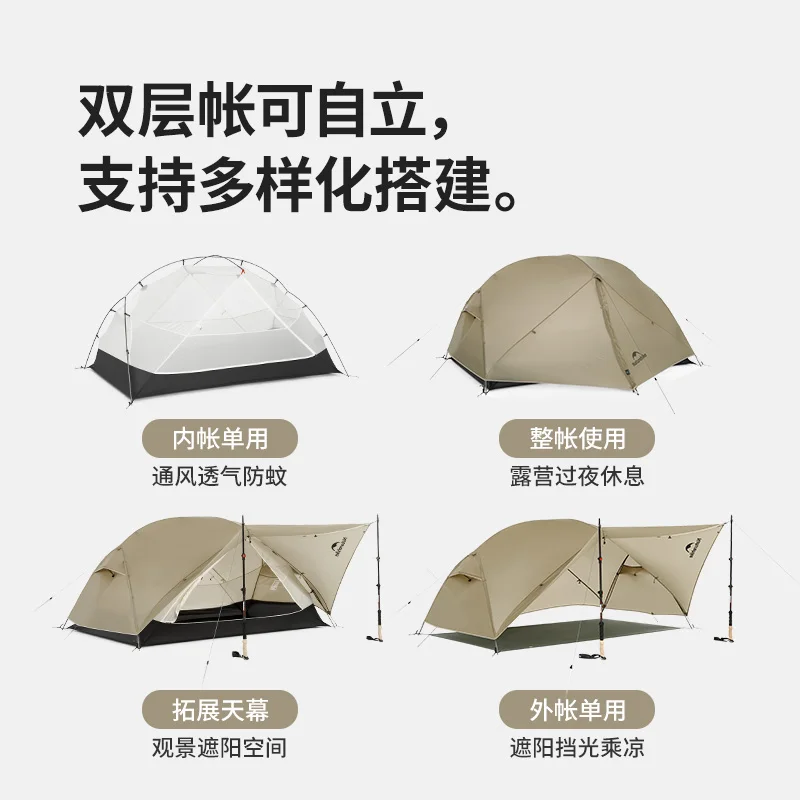
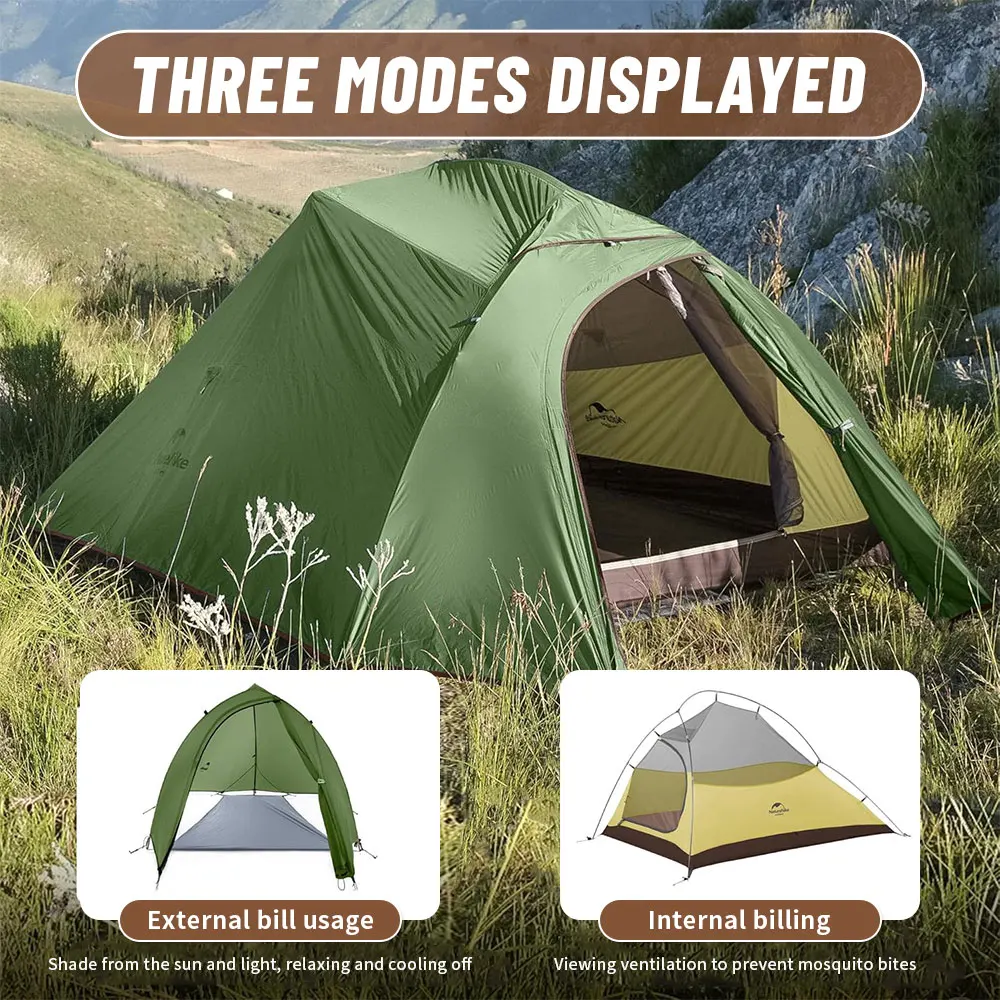
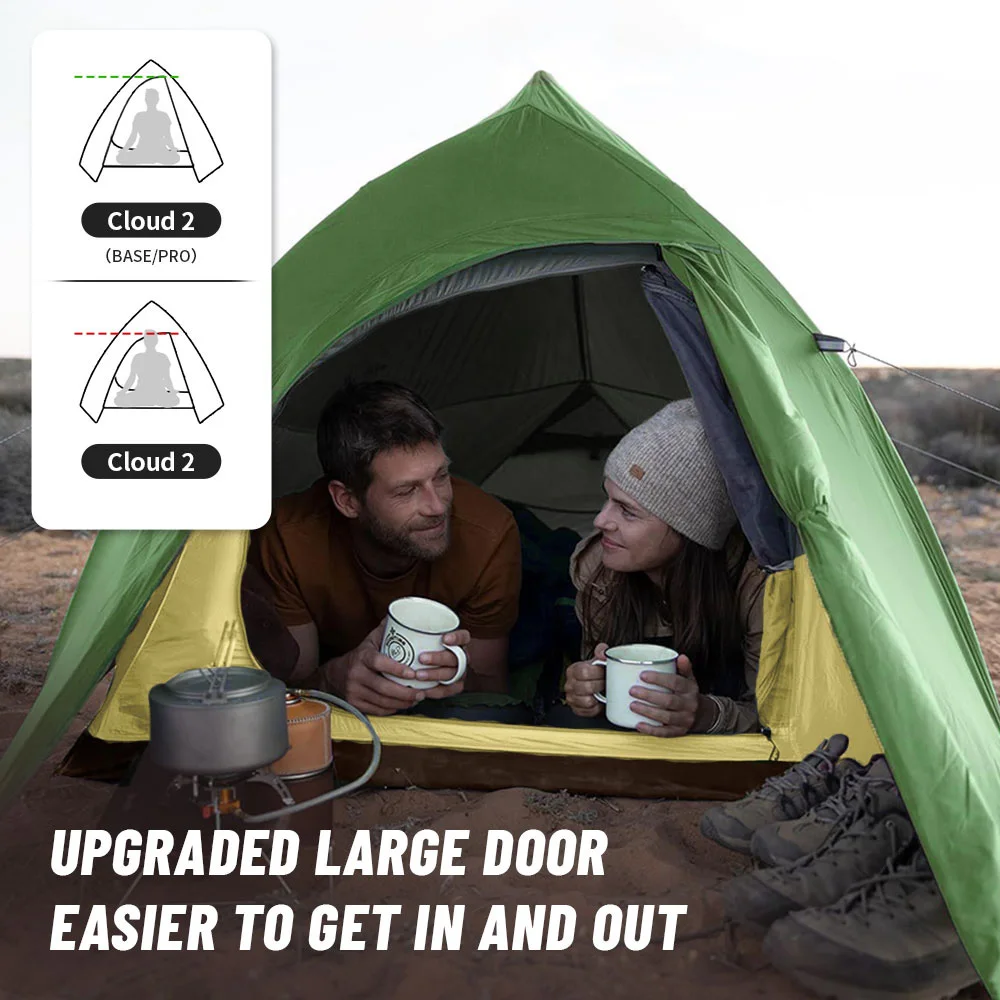
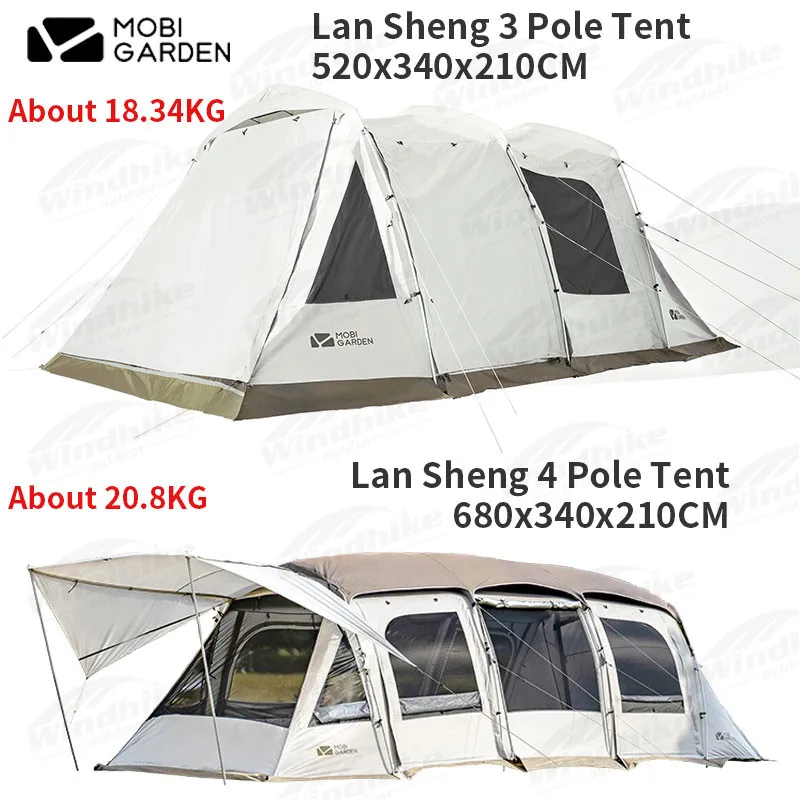
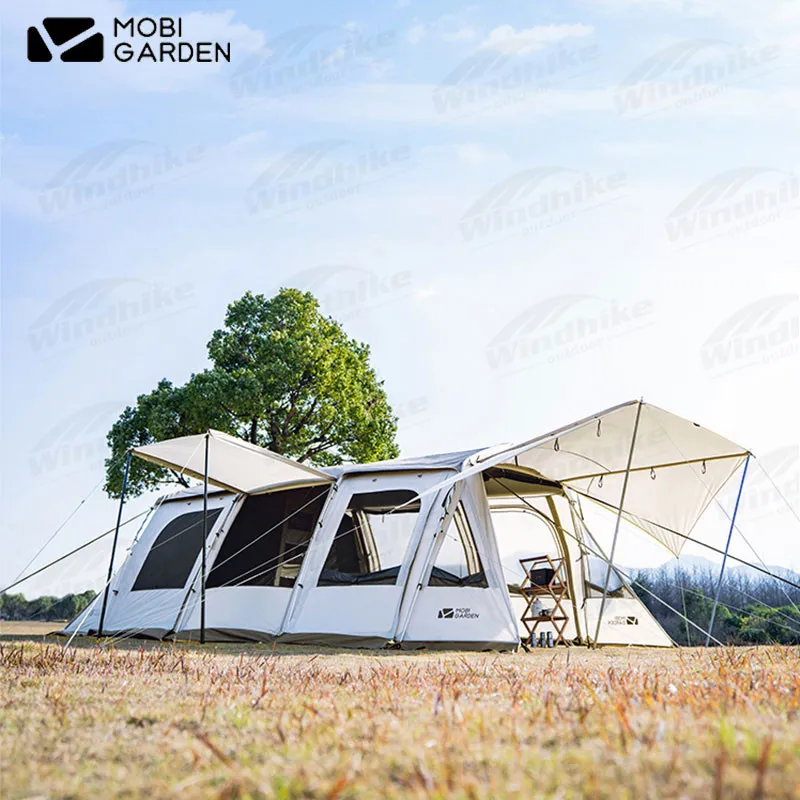
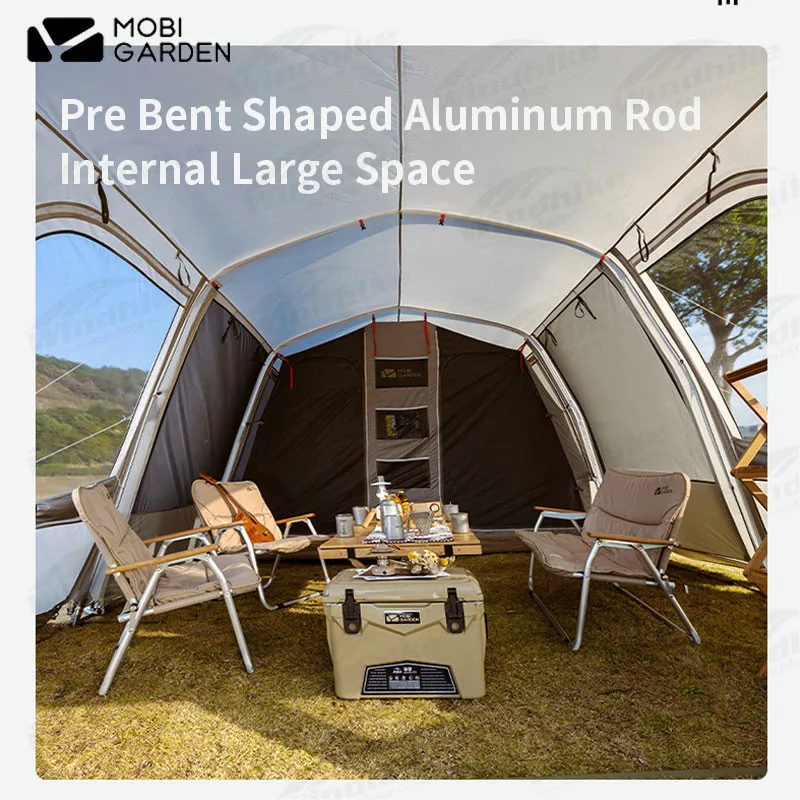
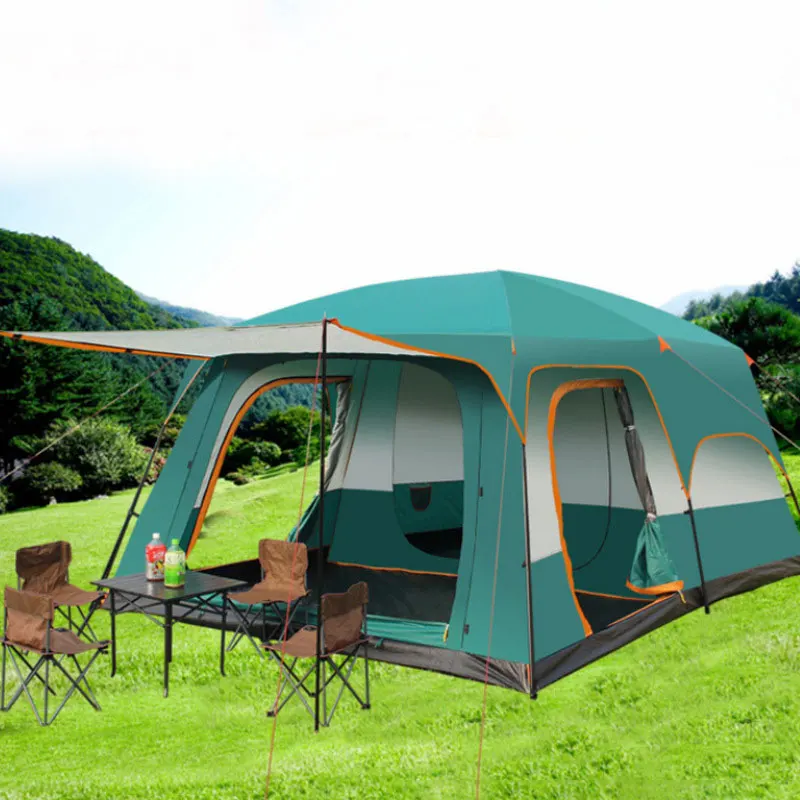
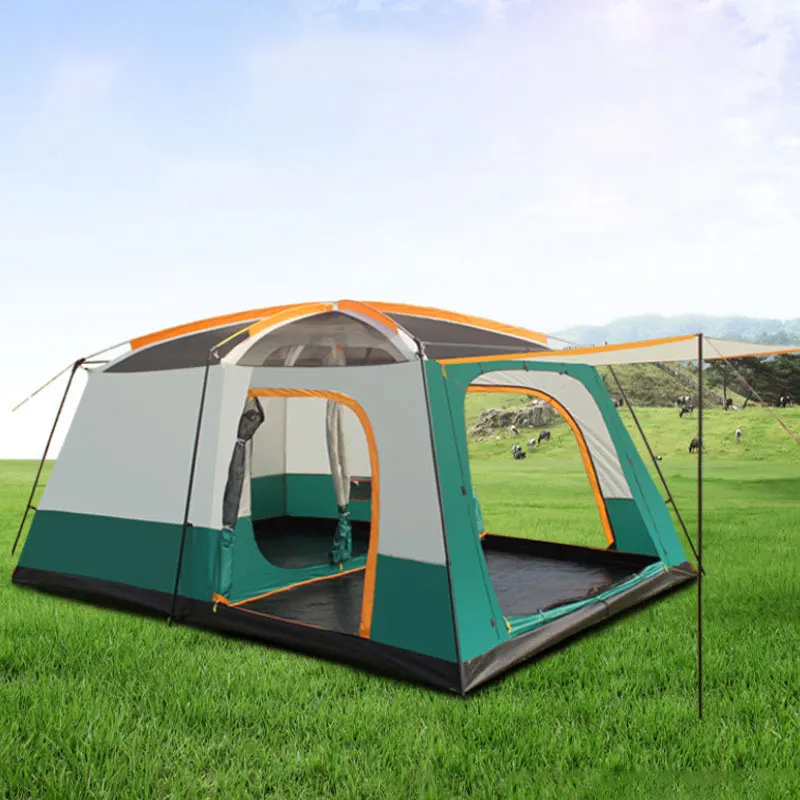
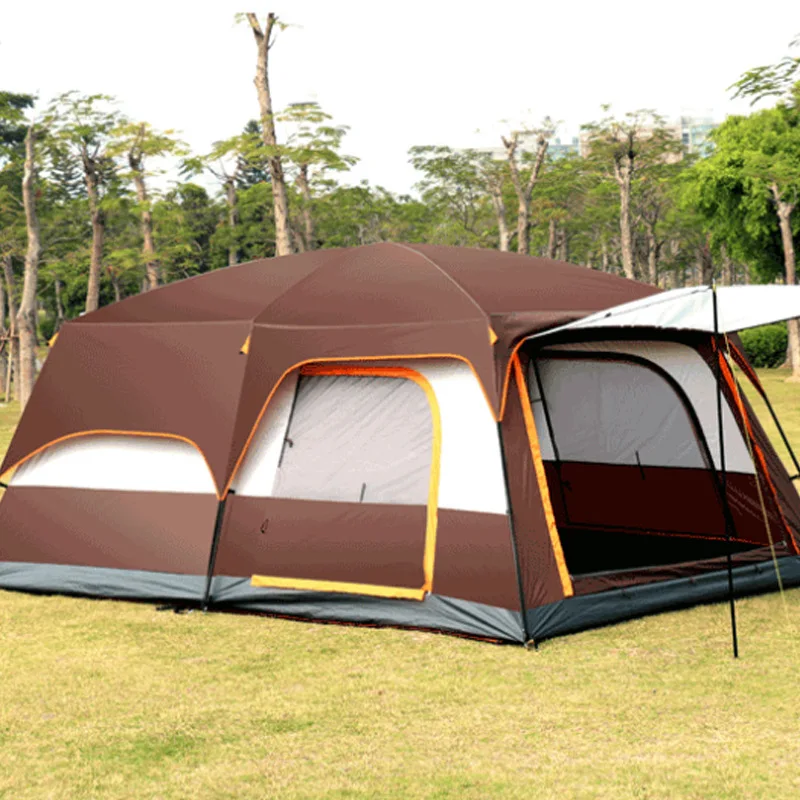
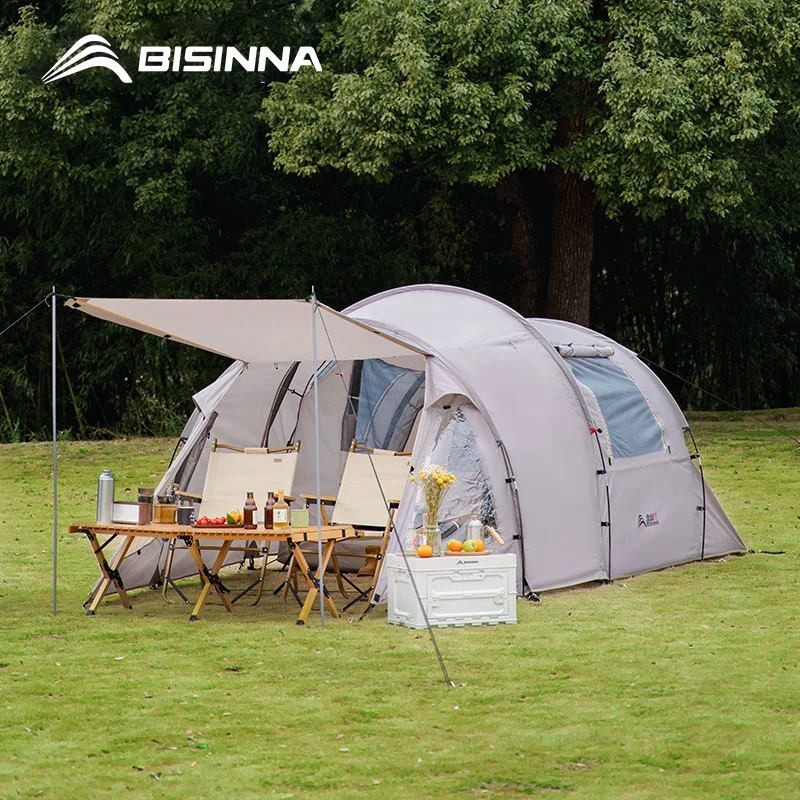
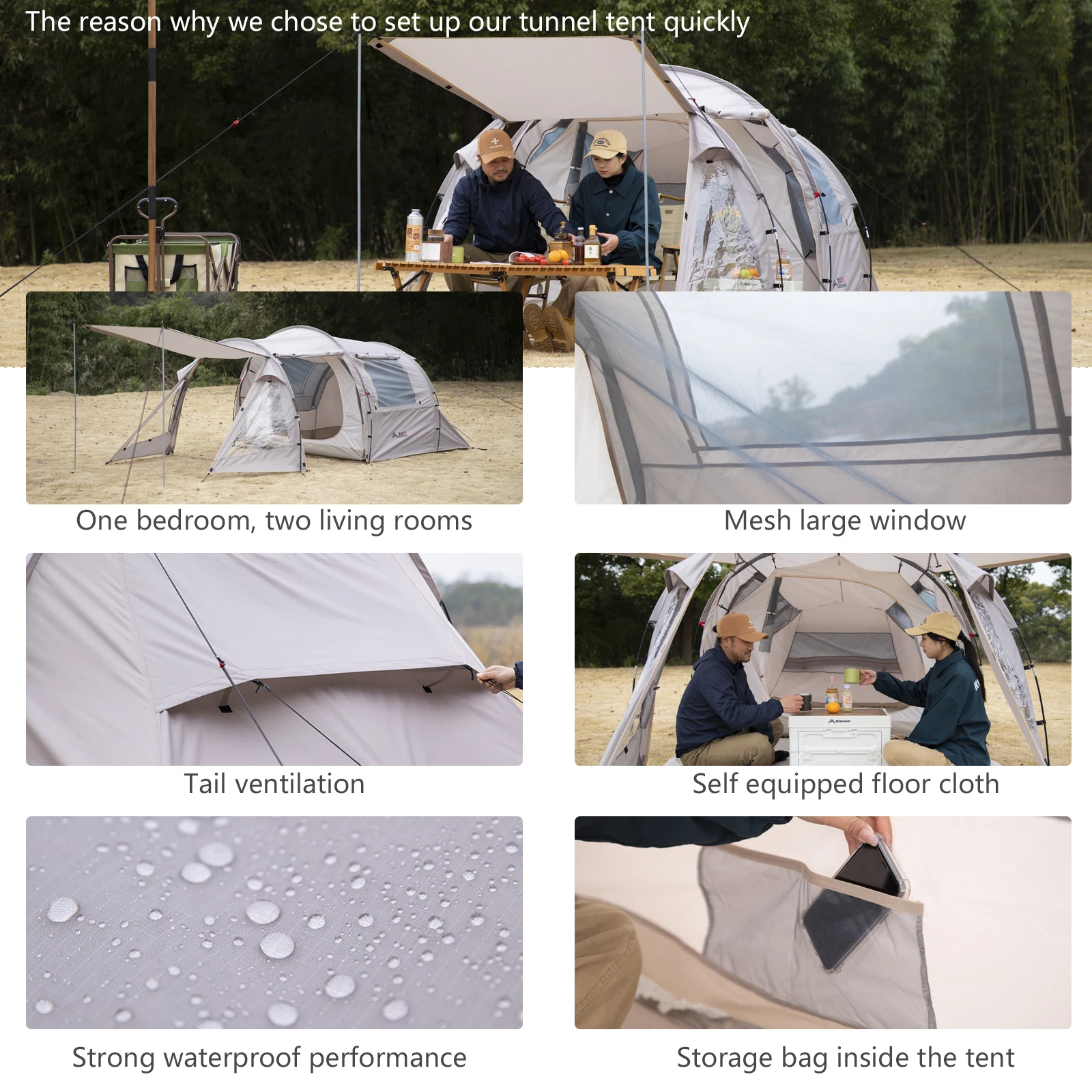
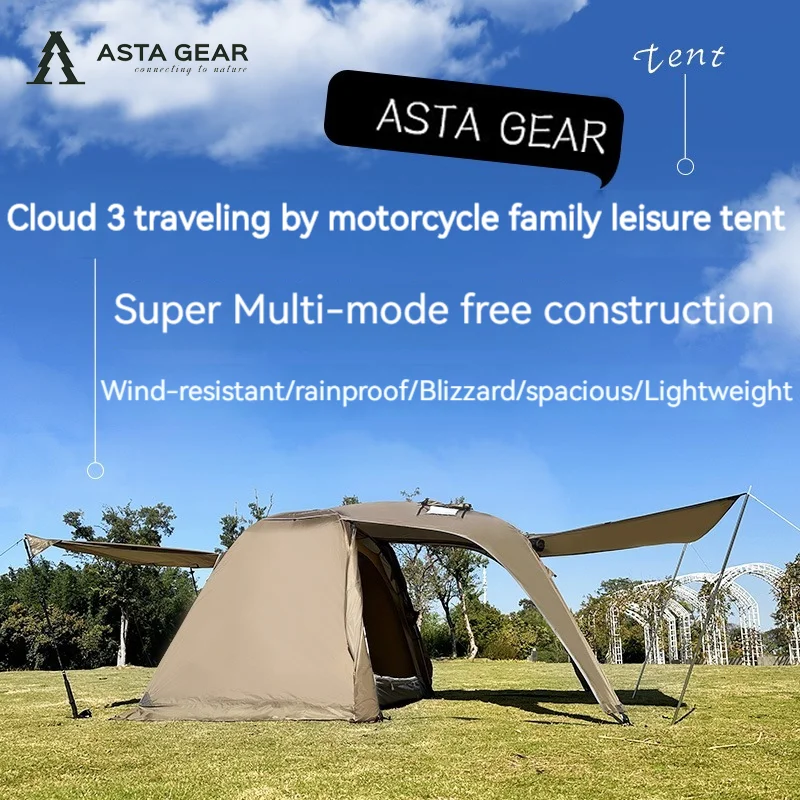
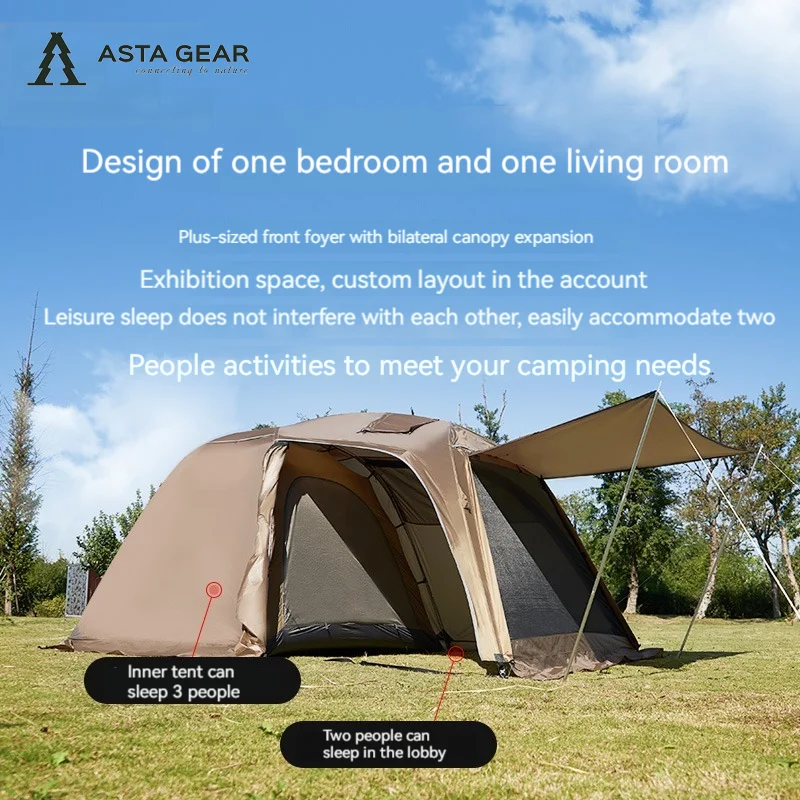
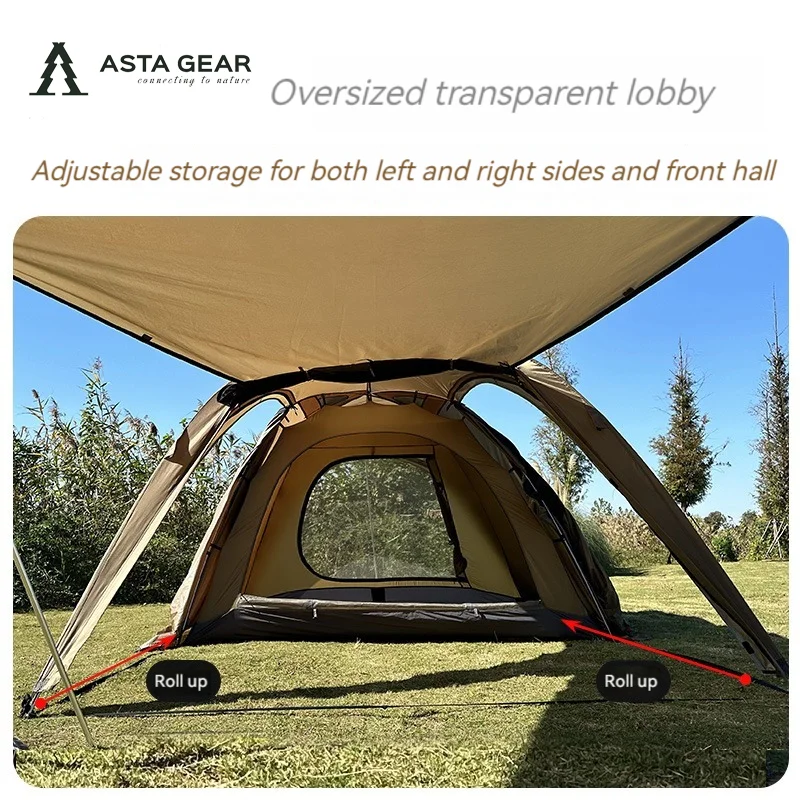
The layout is how the space under the flysheet is divided. A simple tent is one room to sleep in. A bigger one adds a living area, often called a hall, where you sit, eat and keep bags when it rains, with one or two bedrooms opening off it. Most tents also have a porch of some kind at the door for boots and wet coats. Each tent here is filed by its maker's own description: "one bedroom one living room", "2 bedroom 1 hall", or a porch, vestibule or entrance hall.
The ranges By Layout
How to choose a layout
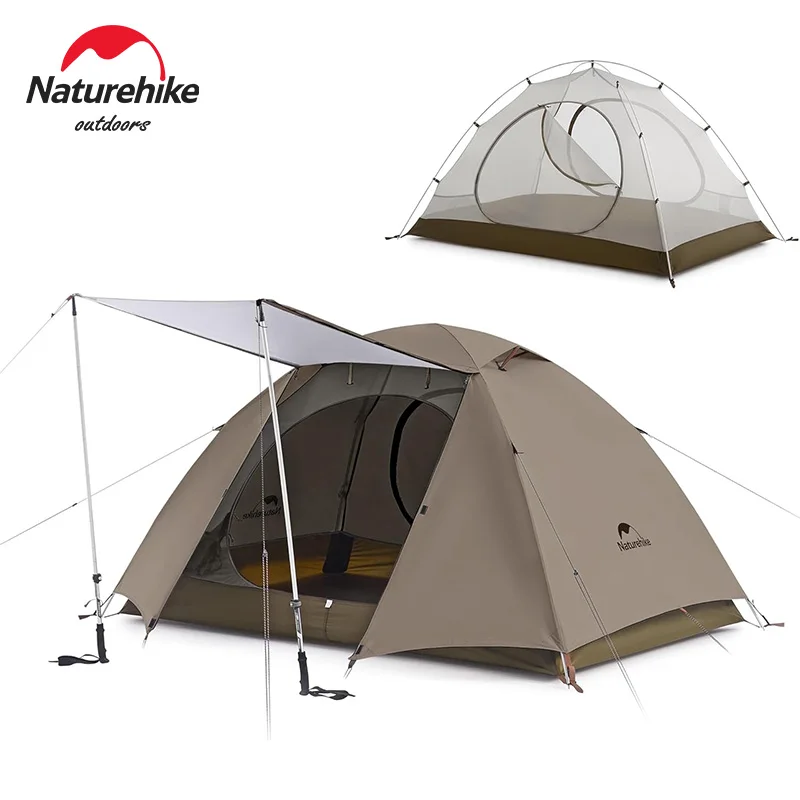
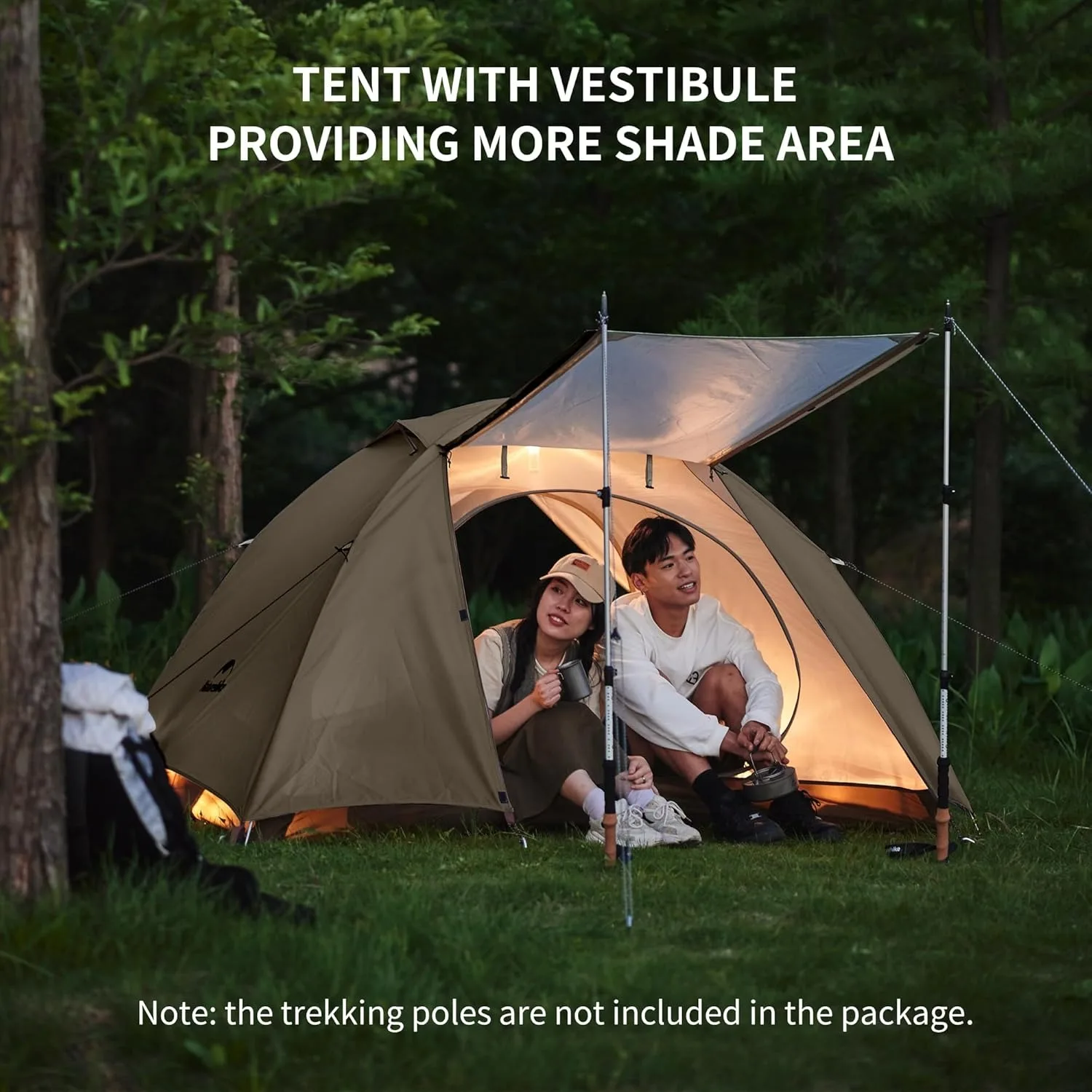
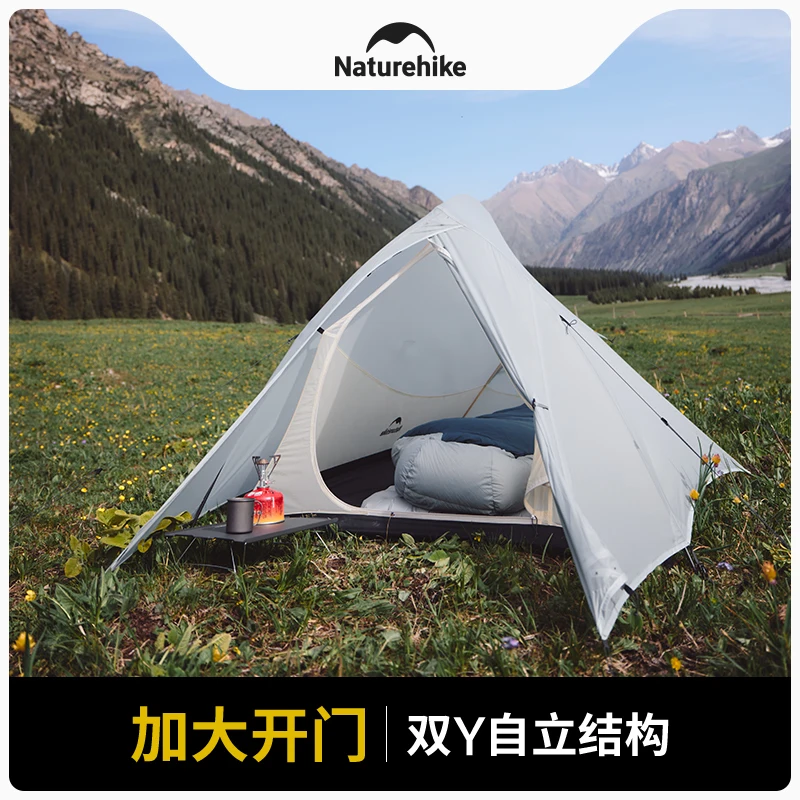
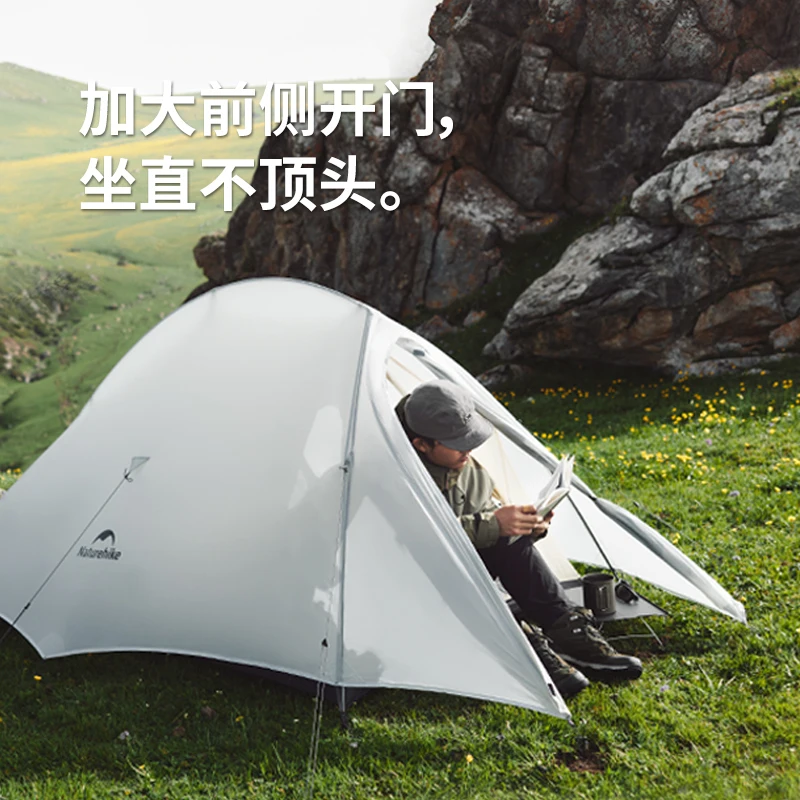
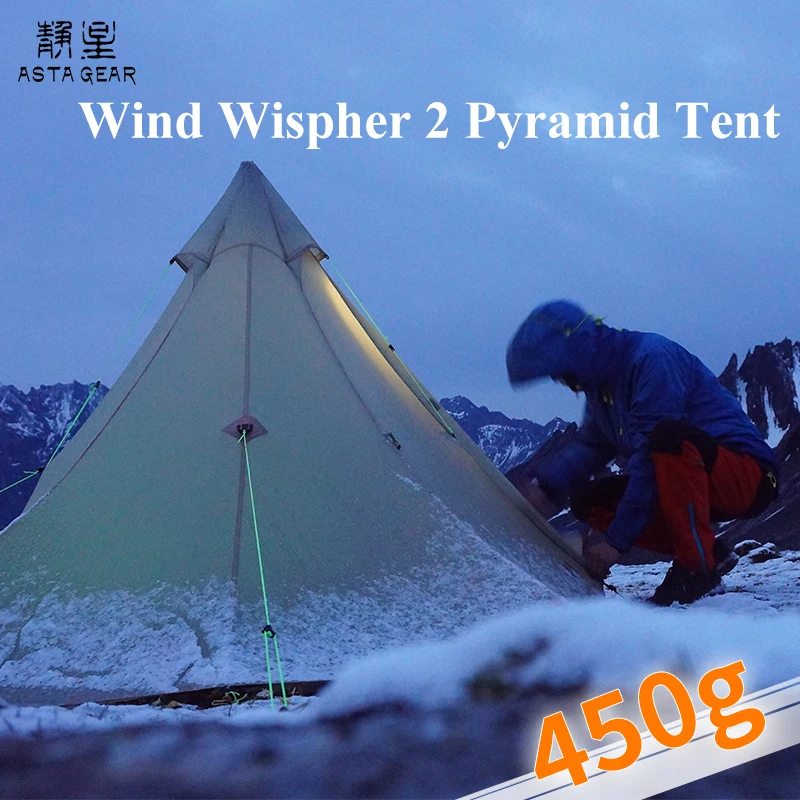
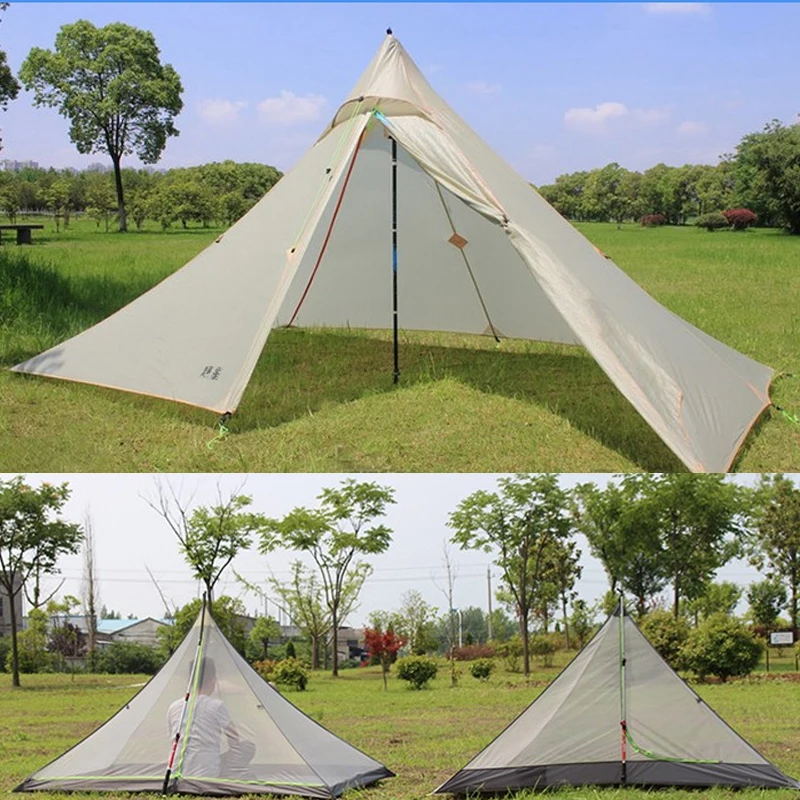
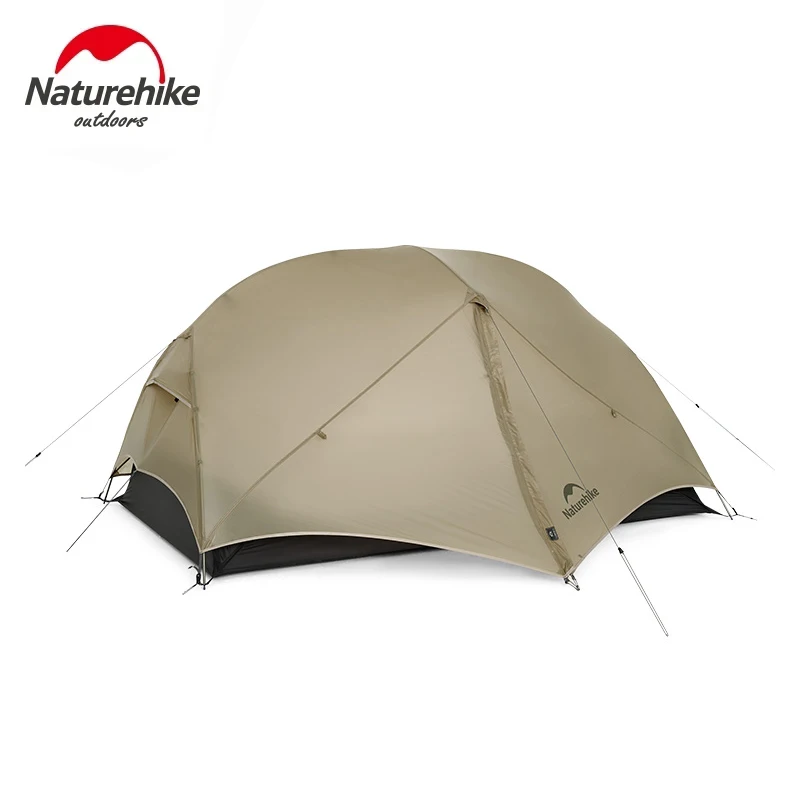
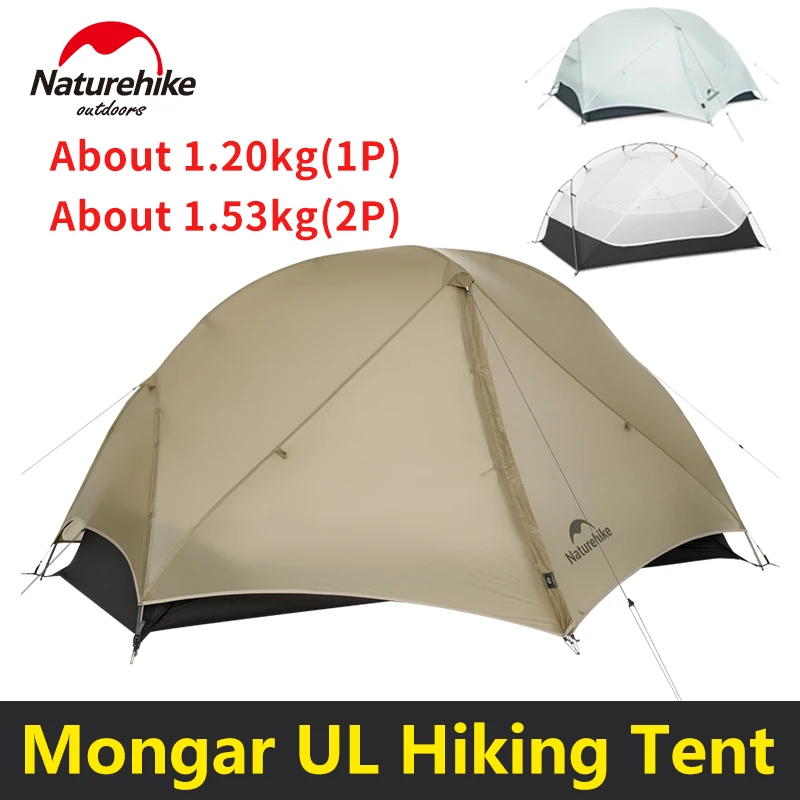
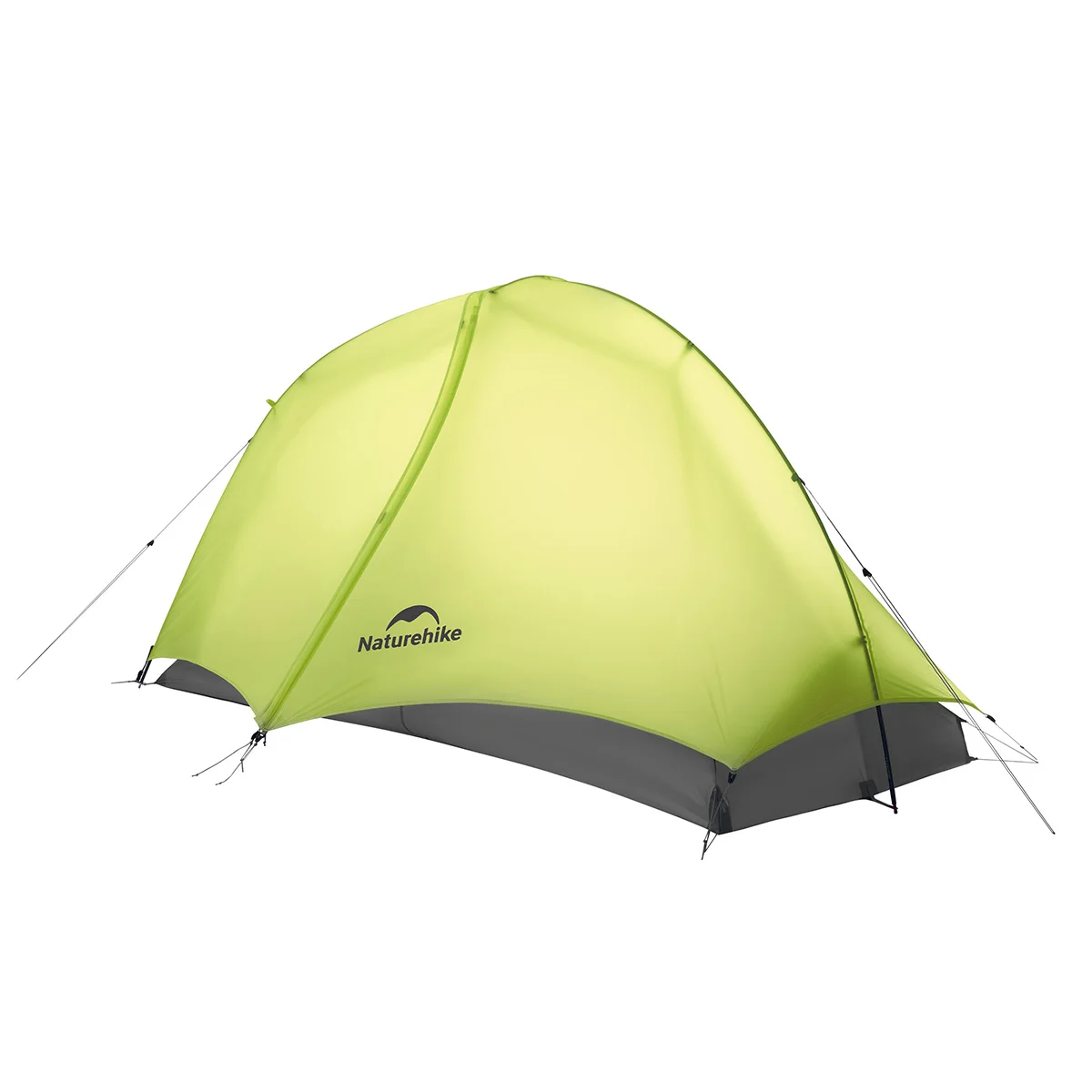
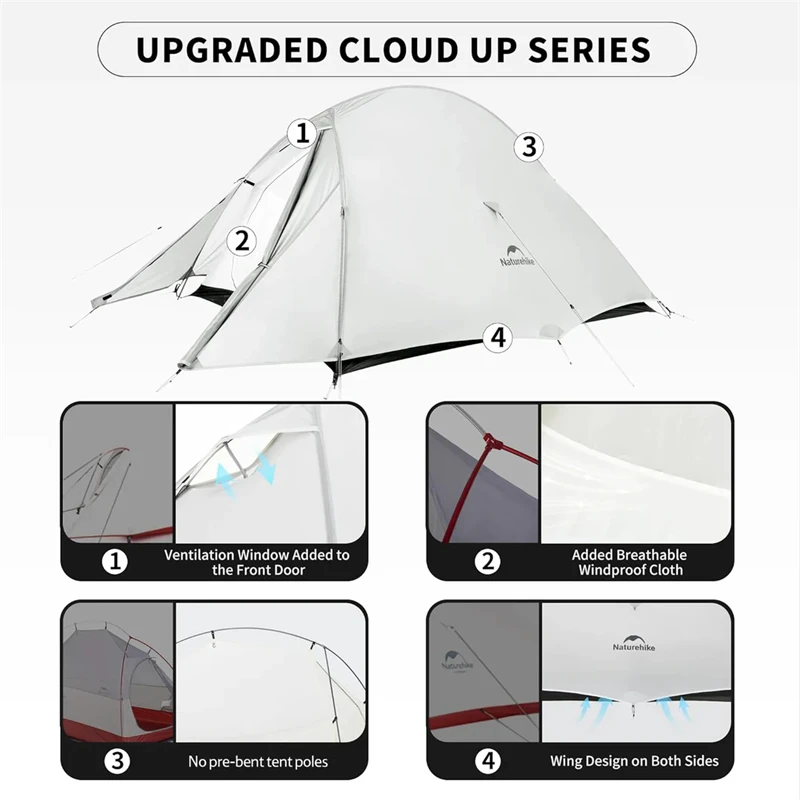
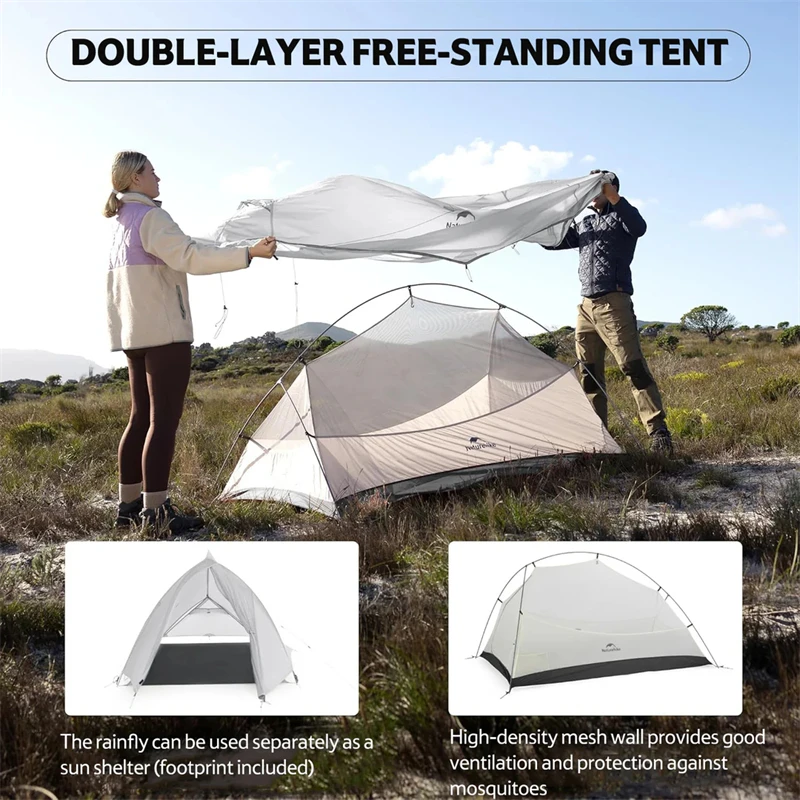
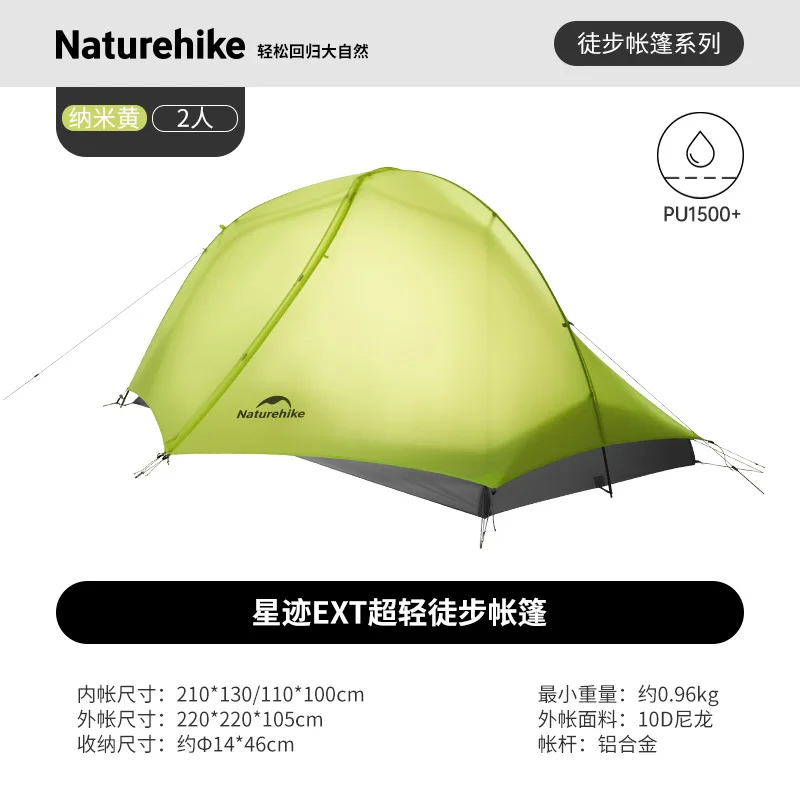
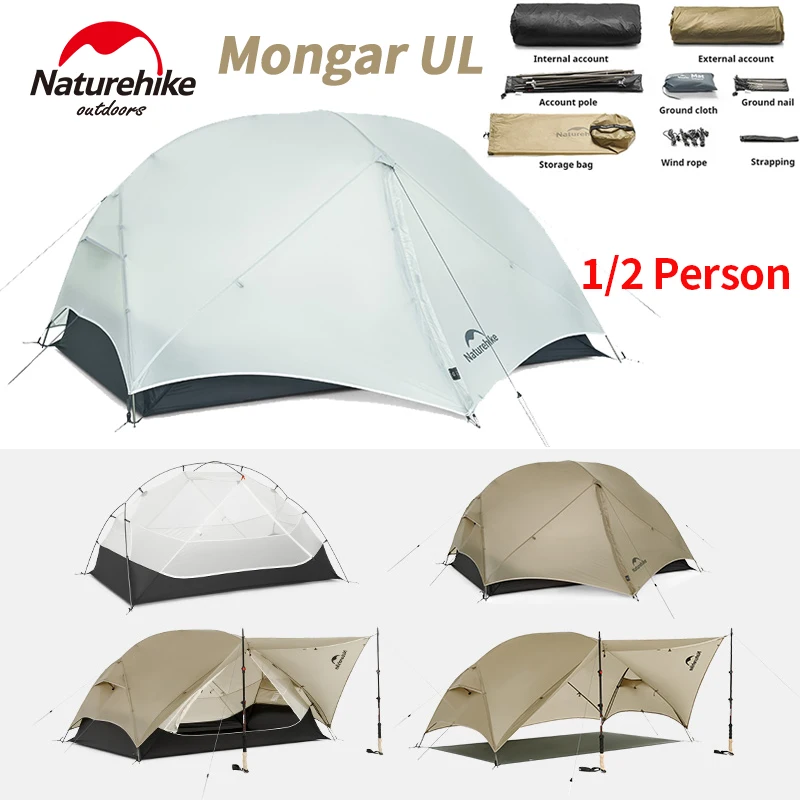
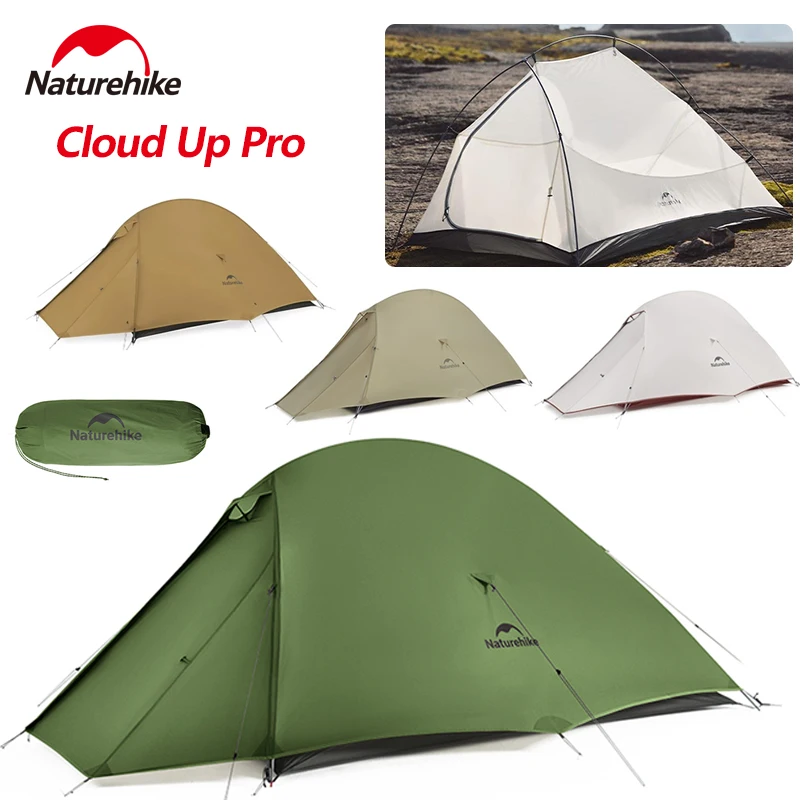
For one or two people walking, a porch is all the extra room you need, and it adds little weight: on the Naturehike Mongar UL the entrance hall is about 0.6 square metres for the 1-person tent. A couple or a small family staying a few nights will use a living area every day, for somewhere to sit when it rains and room for the cool box. For two adults and children, or two families sharing, two bedrooms let people go to bed at different times and give everyone some privacy. More rooms mean a bigger, heavier tent and a bigger pitch, so check the campsite's pitch size before you book.
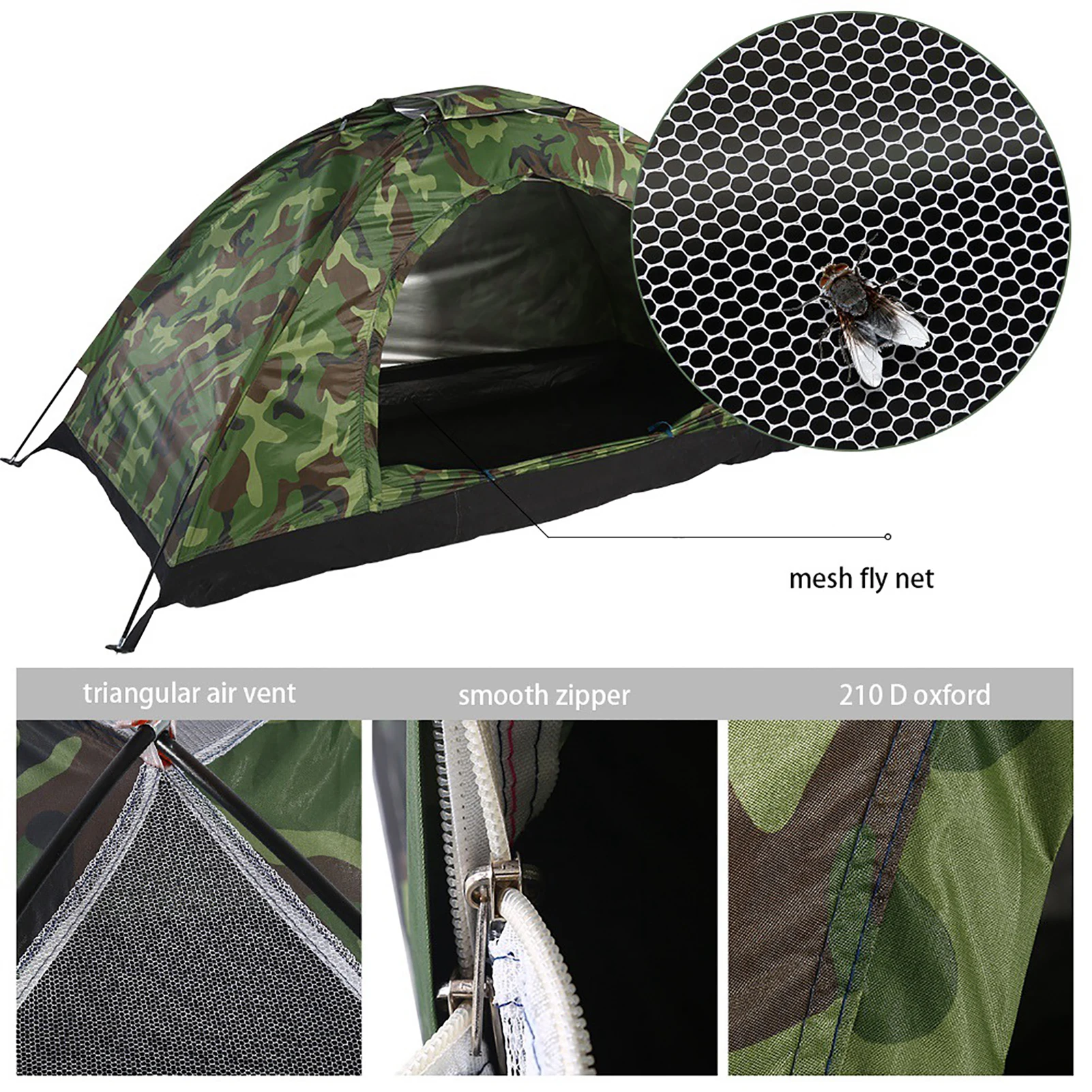
Read the floor plan as well as the name. A maker's "one-bedroom structure" can mean a single room with no separate living area at all.
Questions people ask about tent layouts
Can we cook in the living area?
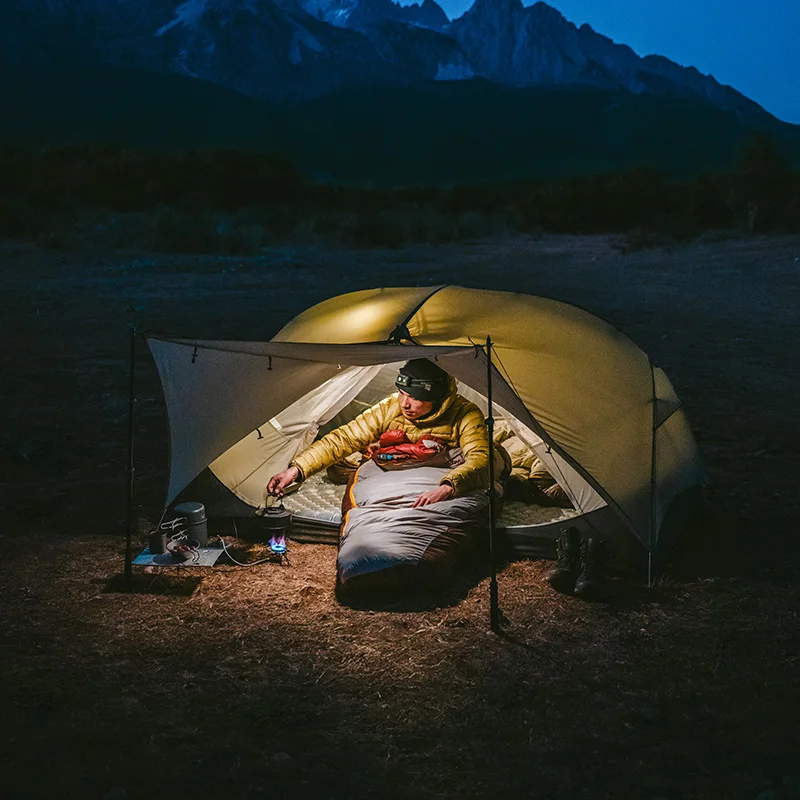
Cook outside, away from the tent, never in the porch, the living area or a bedroom: a stove in a tent can set it alight and gives off carbon monoxide. Never take a barbecue into a tent, even one that has gone out: it gives off carbon monoxide, which can kill.
Is a two-room tent the same as a two-bedroom tent?
Not always. Some two-room tents are one bedroom and one living area. A two-bedroom tent has two sleeping rooms as well as the living area. See two and three room tents.
How long does delivery take?
Delivery is included in every price and tracked to your door. Each product page says when that tent usually arrives, so check it before ordering for a set date.
More to look at