What a cabin tent is
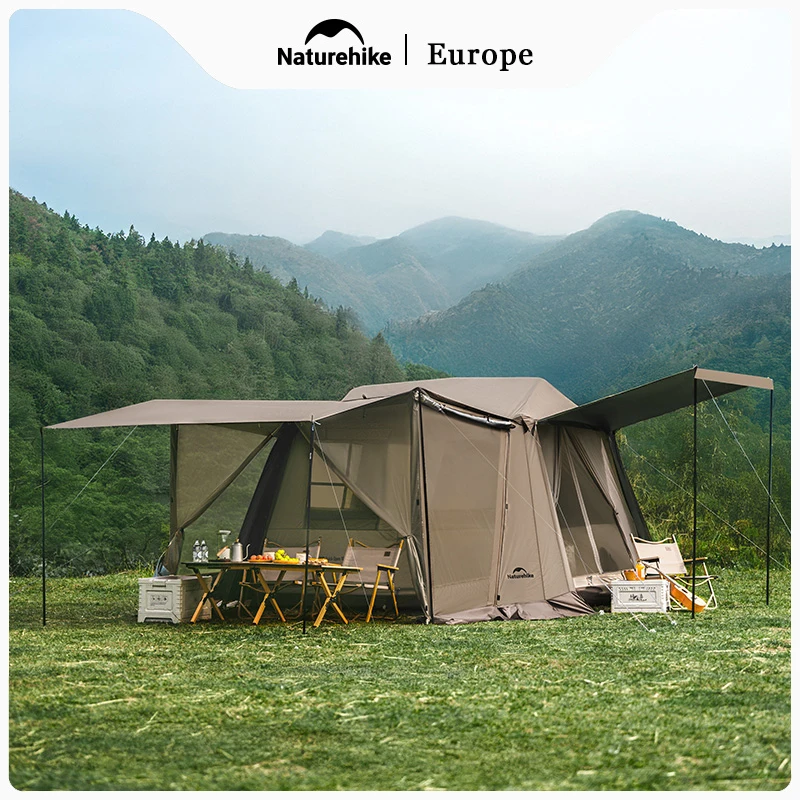
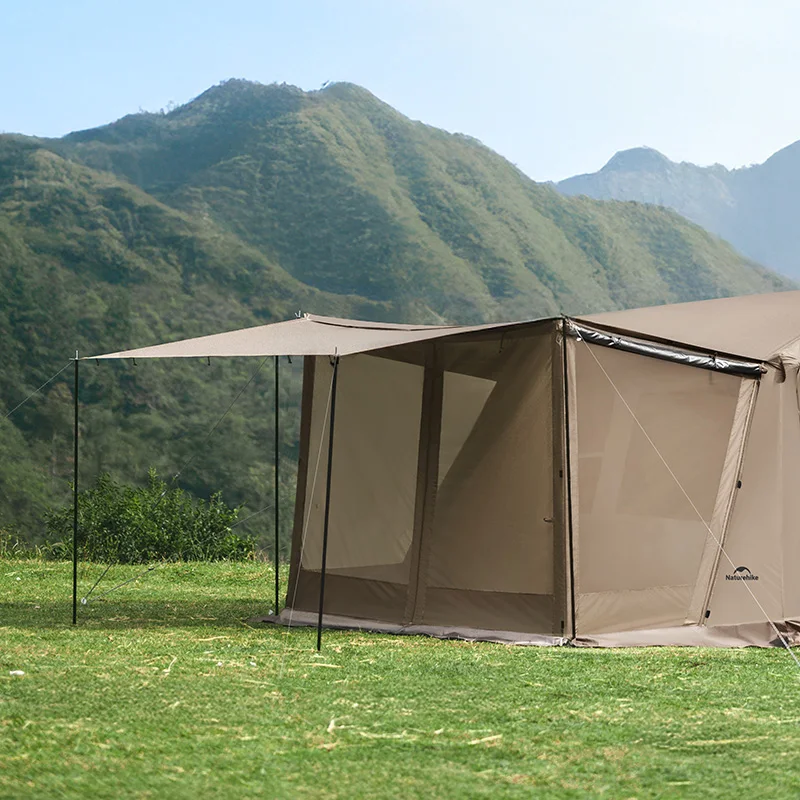
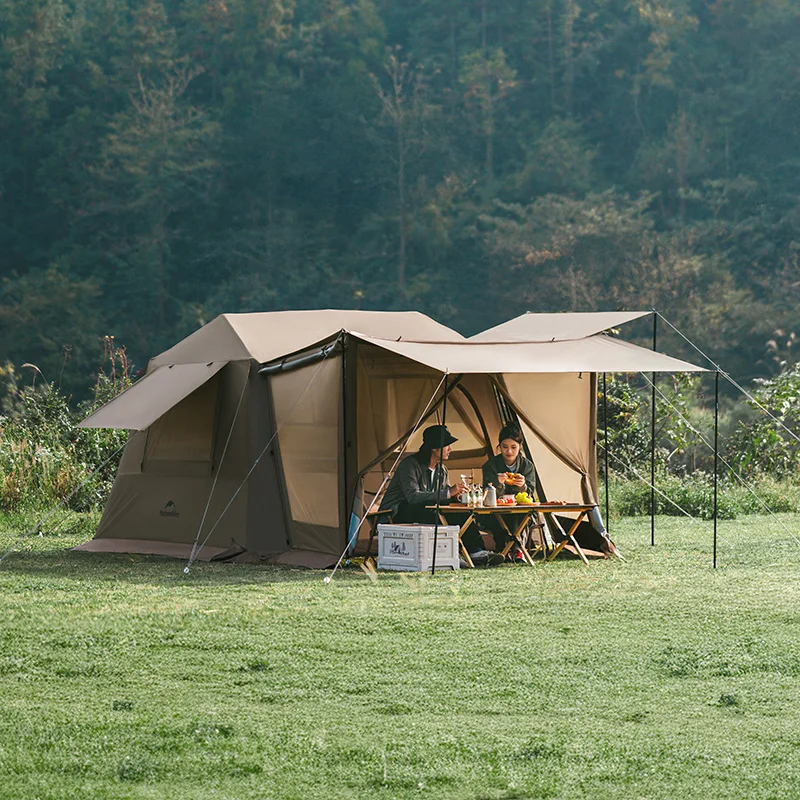
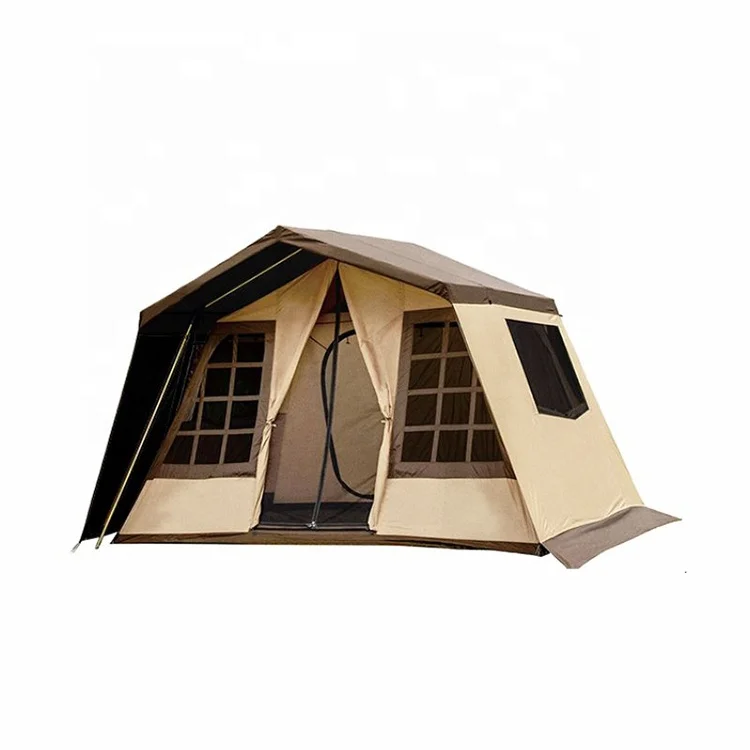
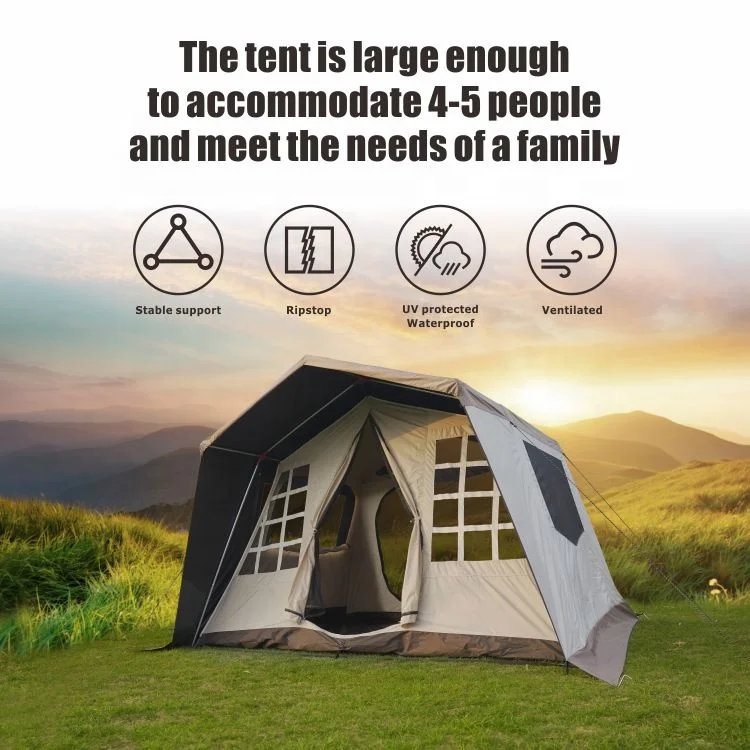
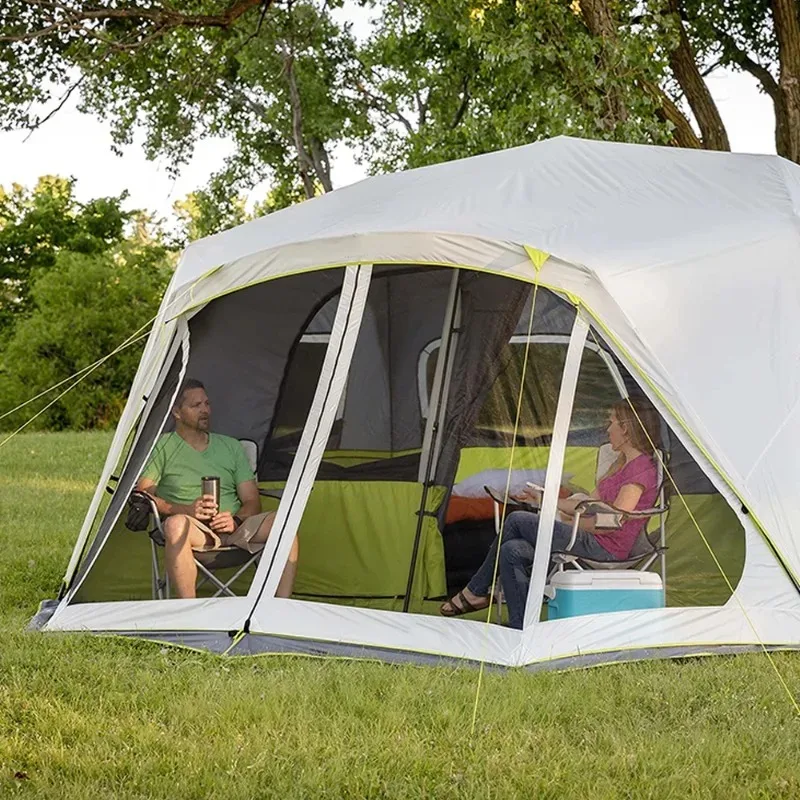
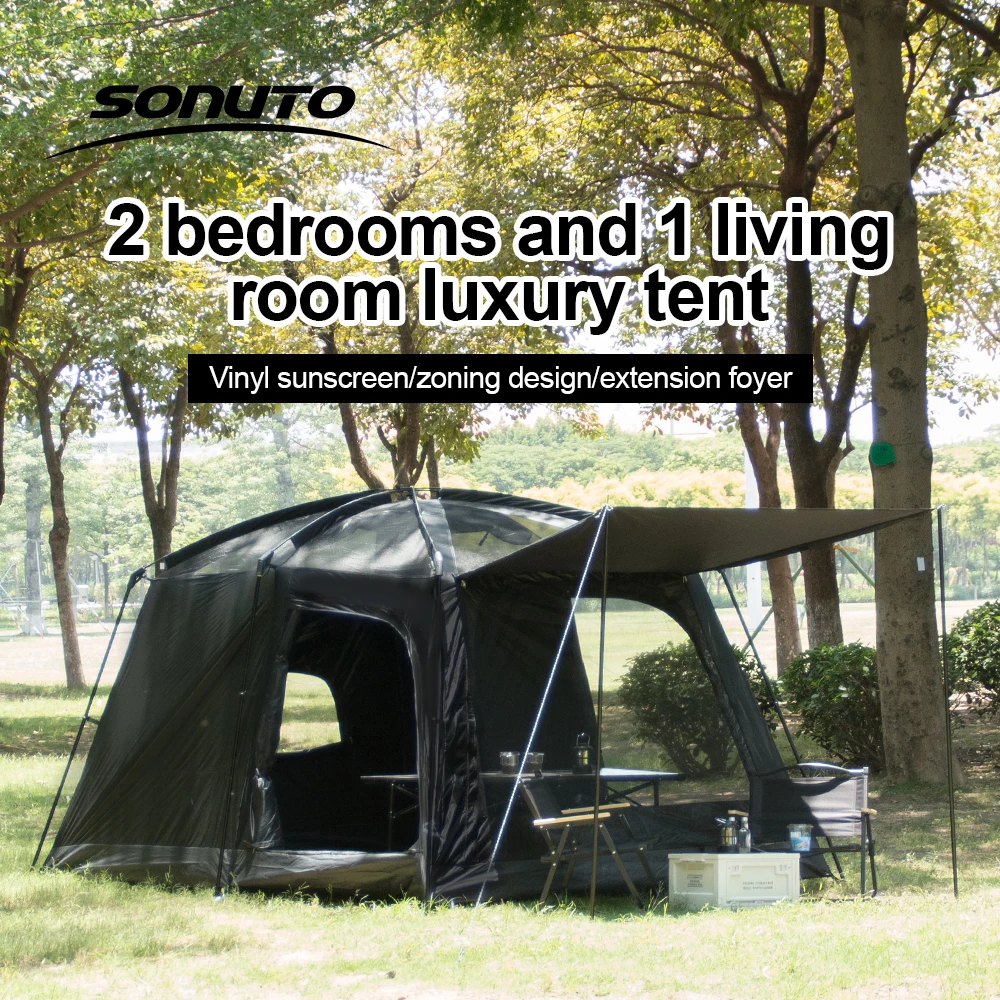
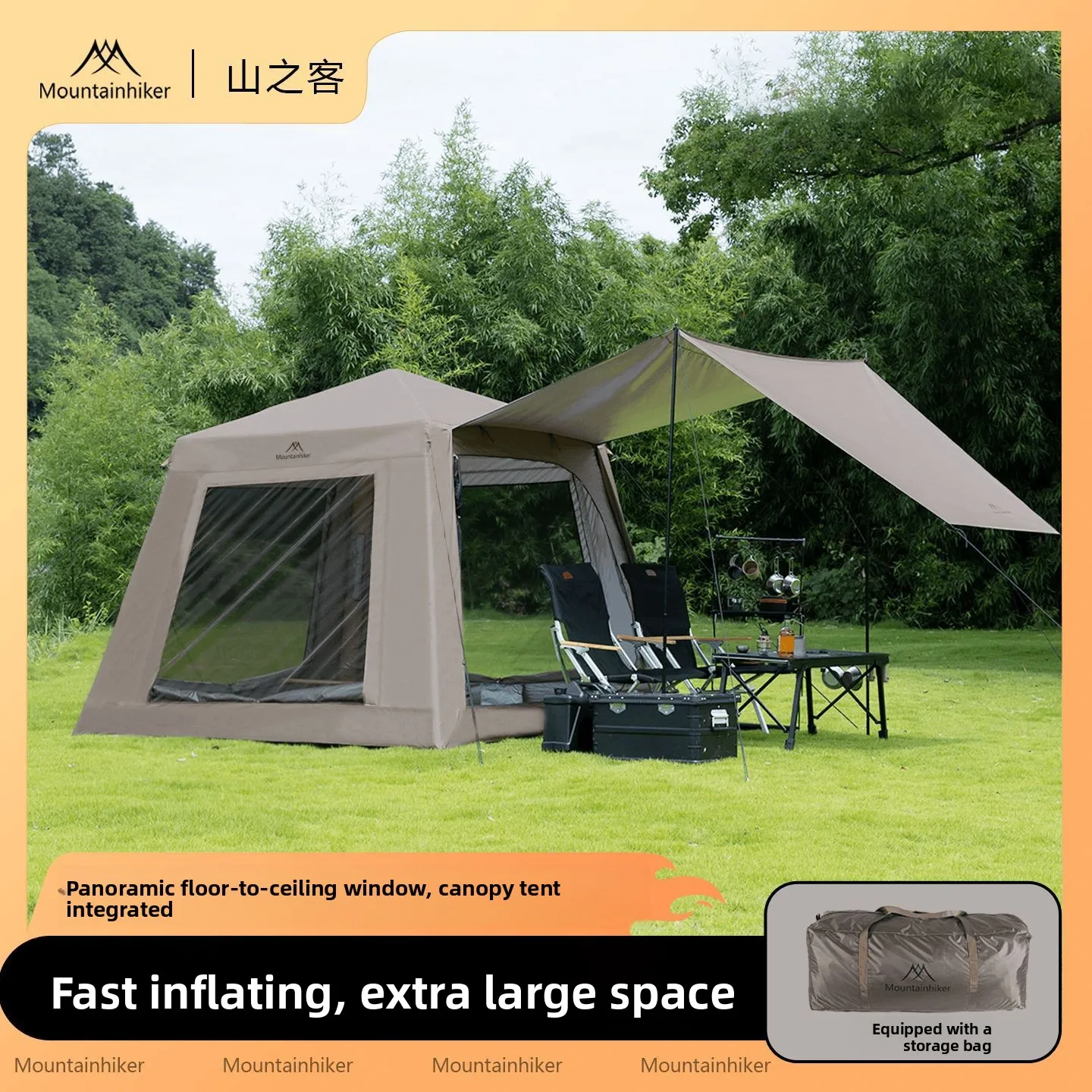
A cabin tent has walls that rise nearly straight up and a flat or ridged roof, so it is shaped more like a small room than a dome. That shape puts the headroom right out to the walls, not only in the middle, so you can stand up across most of the floor and fit camp beds, chairs and a table. Cabin tents are family and group tents, made to go in the car and stay up for a week.
Instant, ridge, inflatable or glamping: which cabin tent
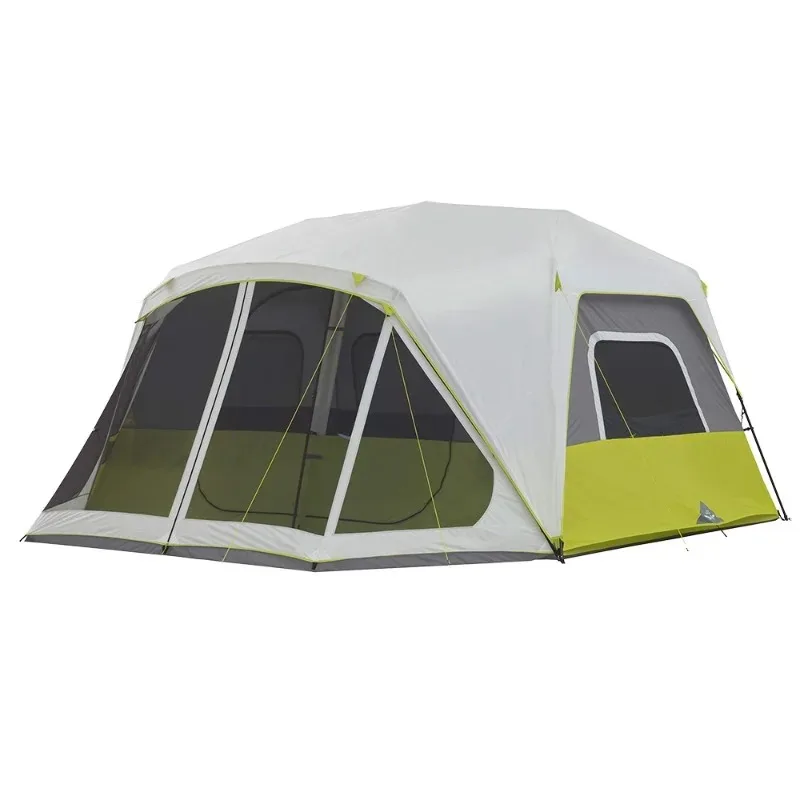
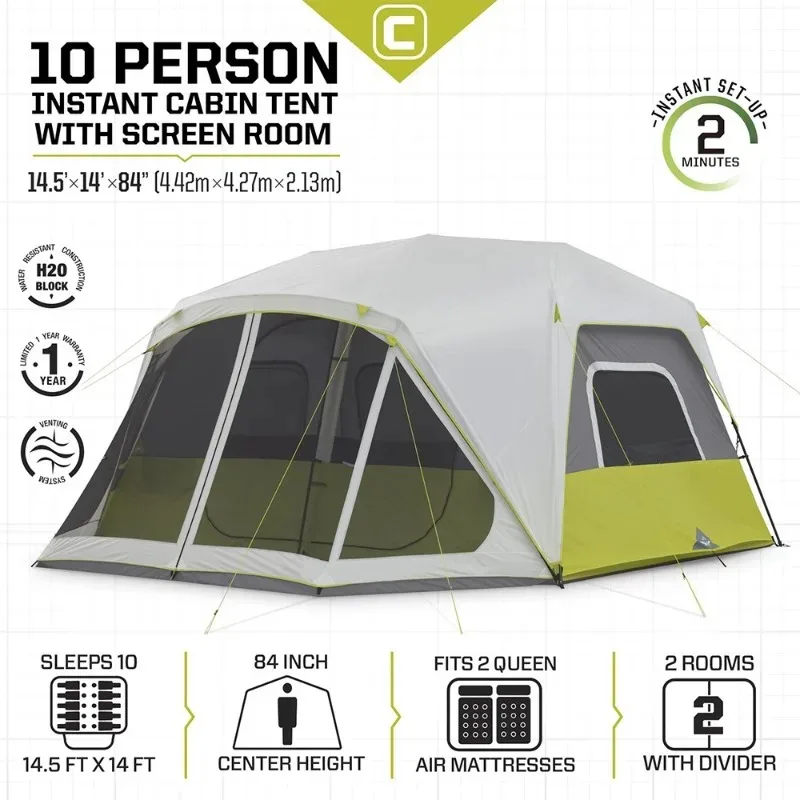
- Instant cabin tents with a built-in frame, such as the 10 person cabin with two bedrooms and a screen room. See instant and automatic tents.
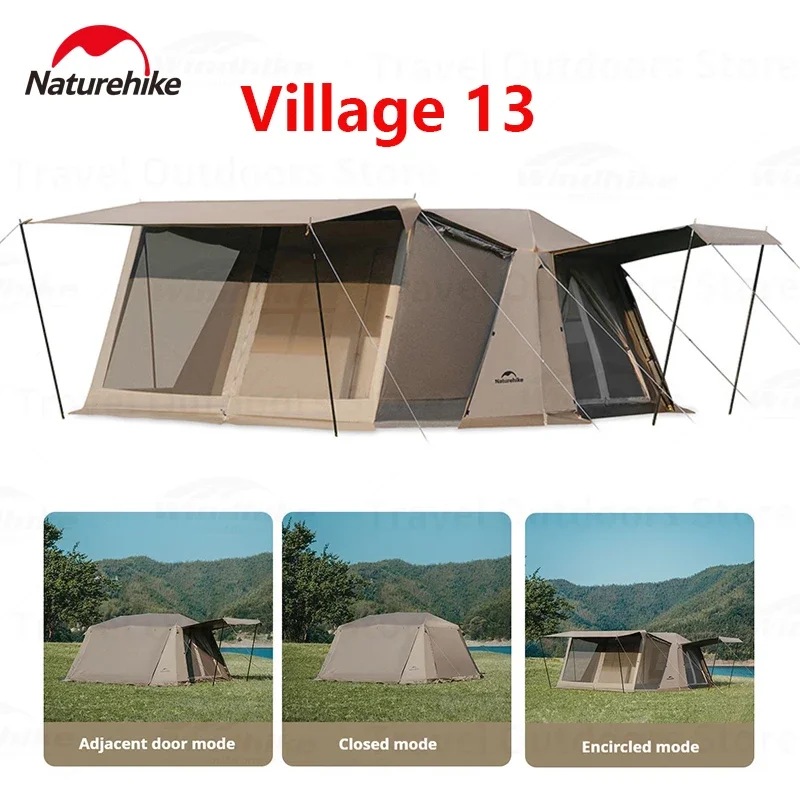
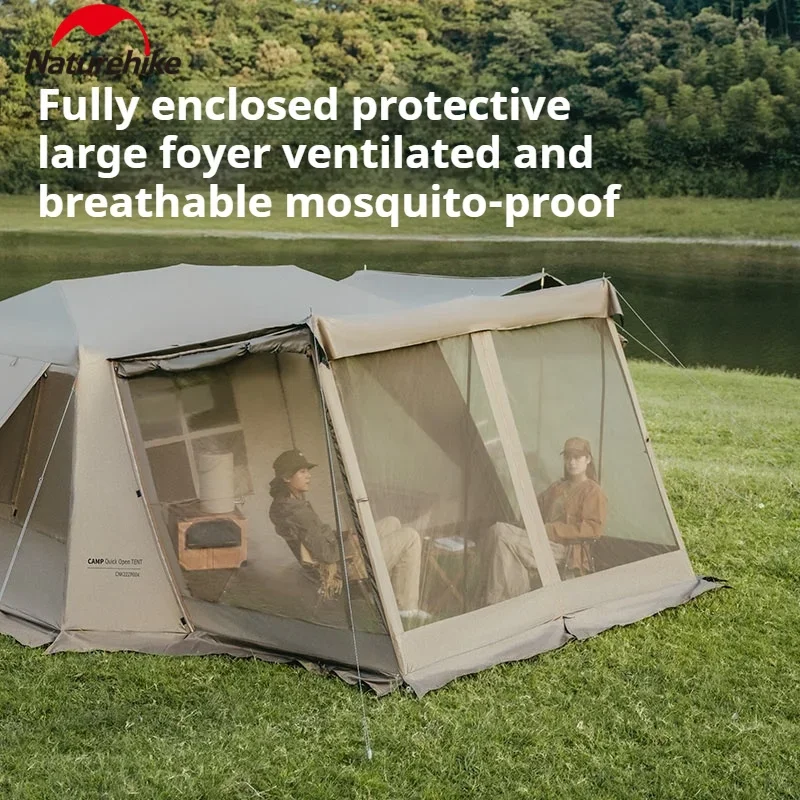
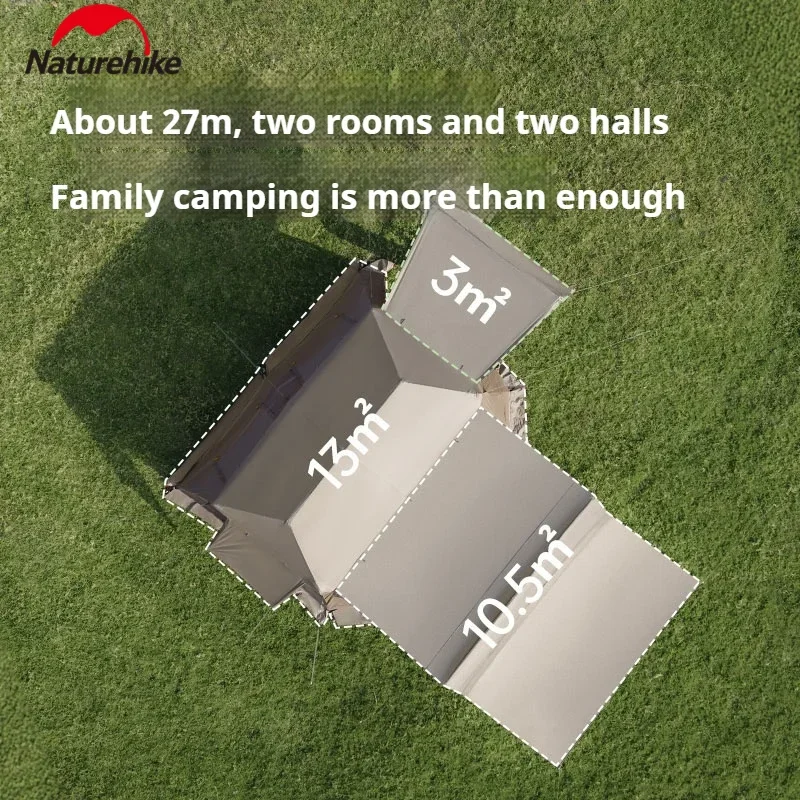
- Automatic ridge tents: the Naturehike Village 13 and Village 6.0 open on a ridge frame. See tunnel tents.
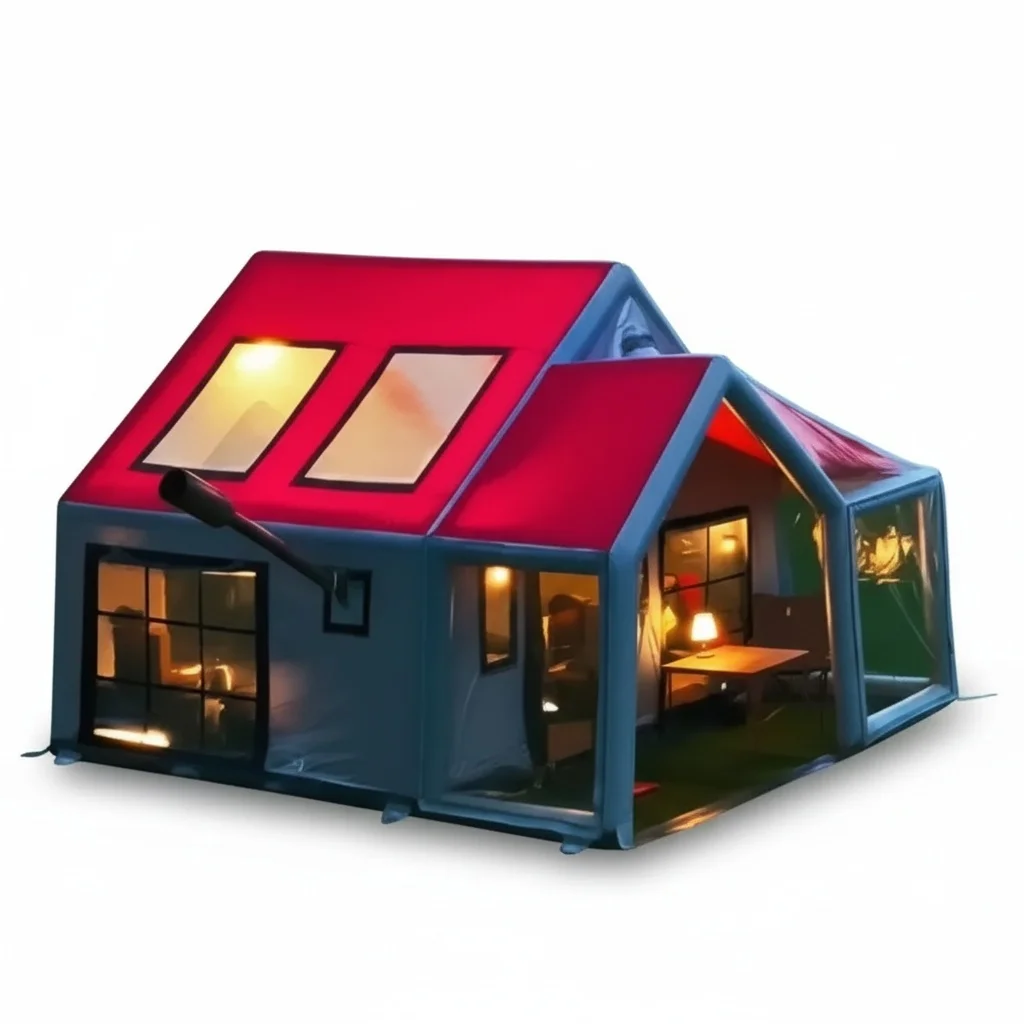
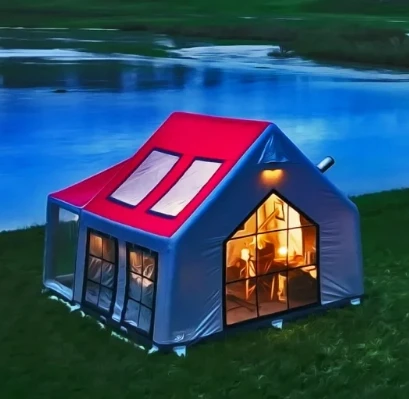
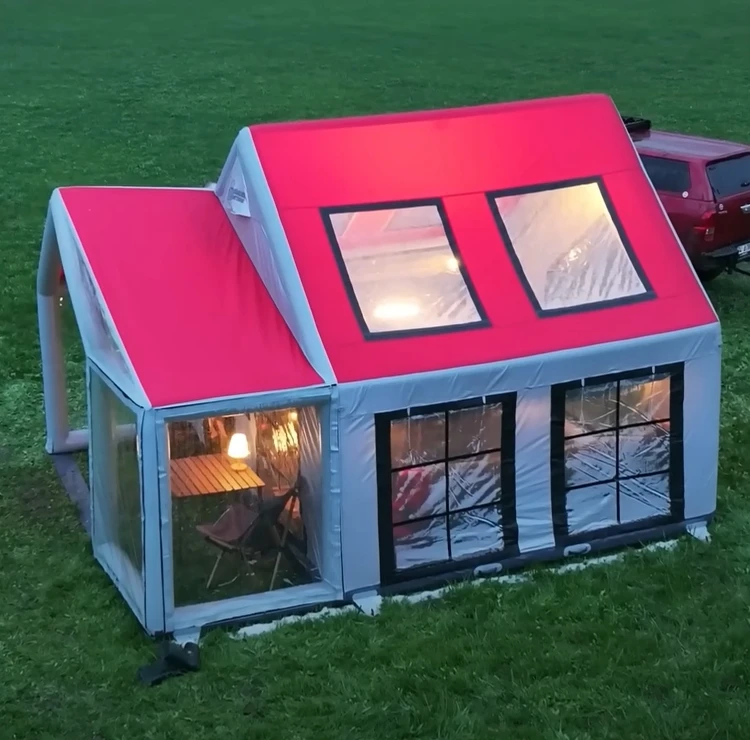
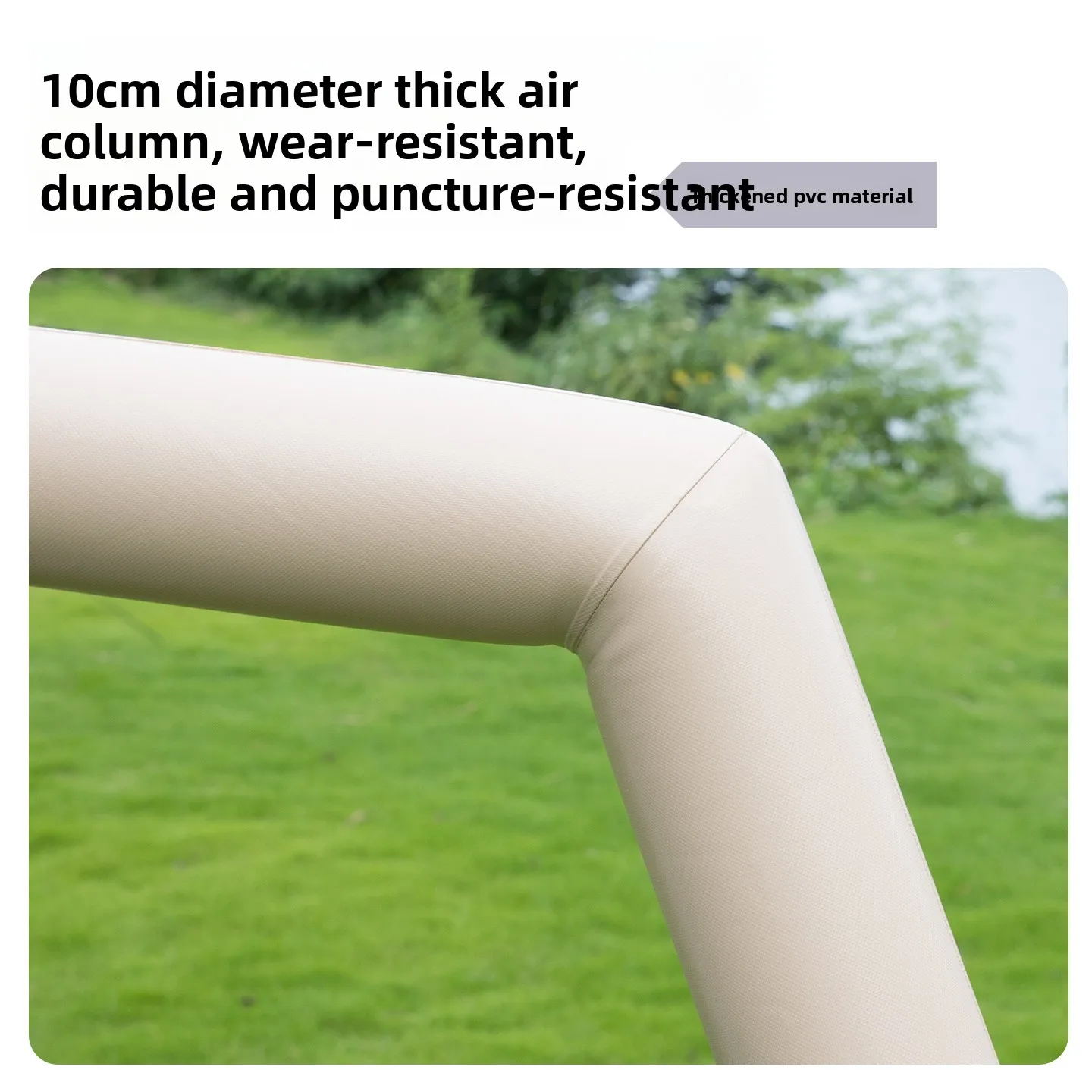
- Inflatable cabin tents stand on air beams. See inflatable air tents.
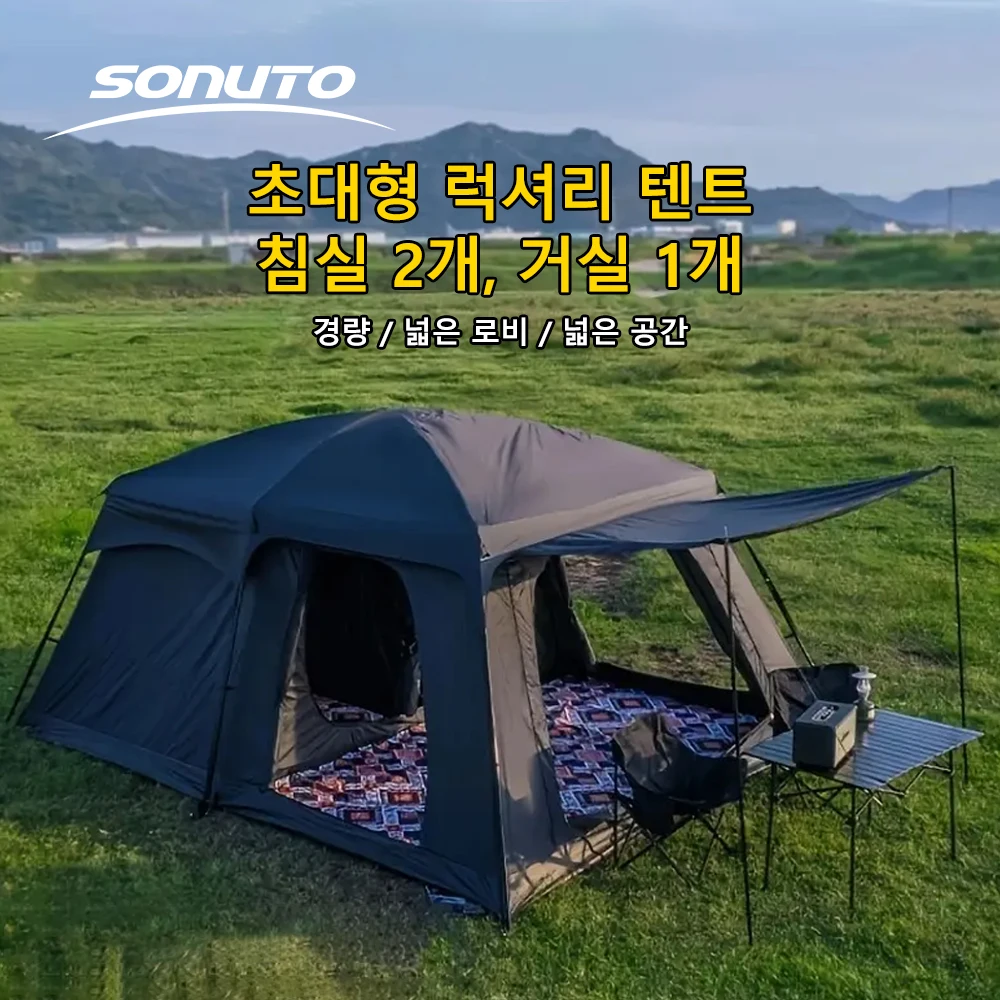
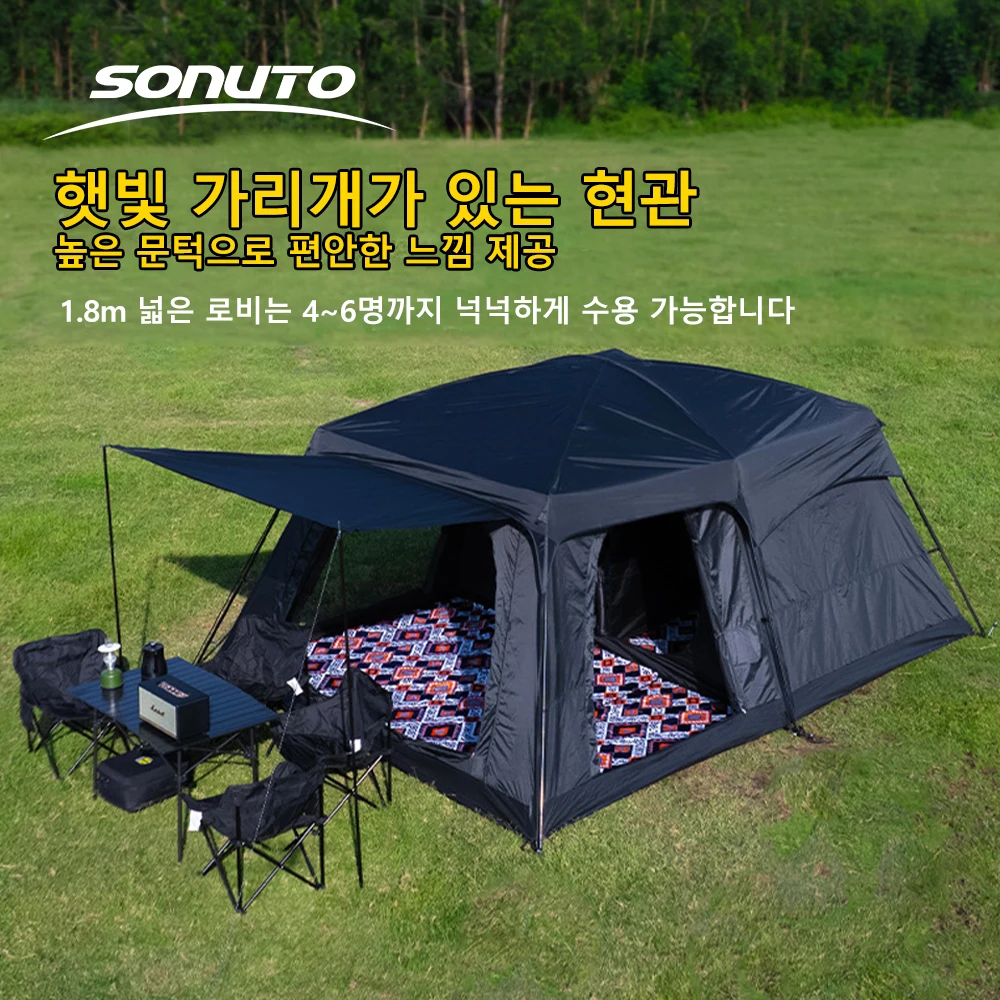
- Two-room cabin tents give separate bedrooms. See two and three room tents.
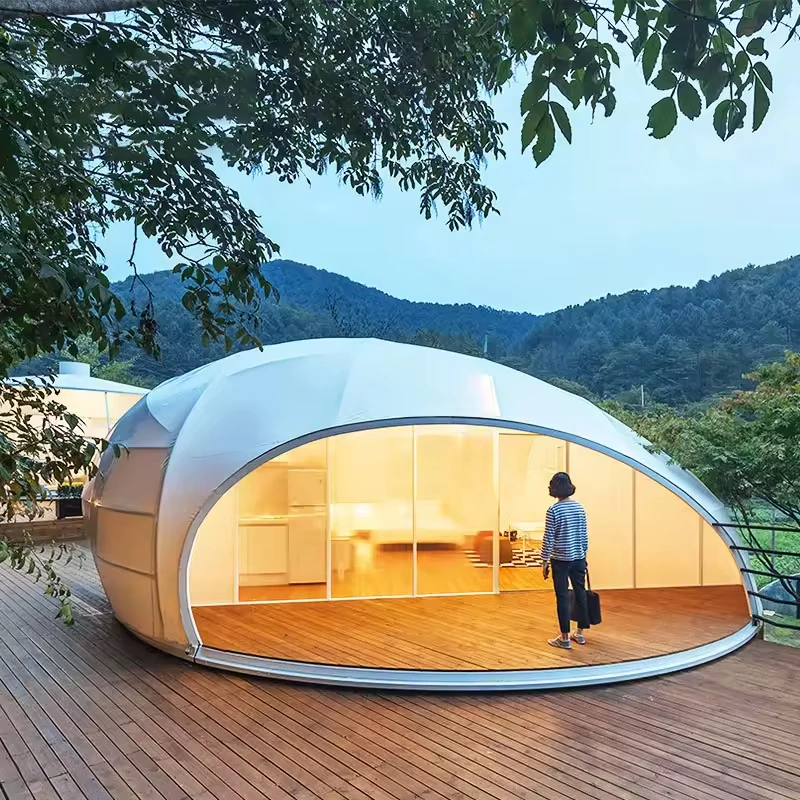
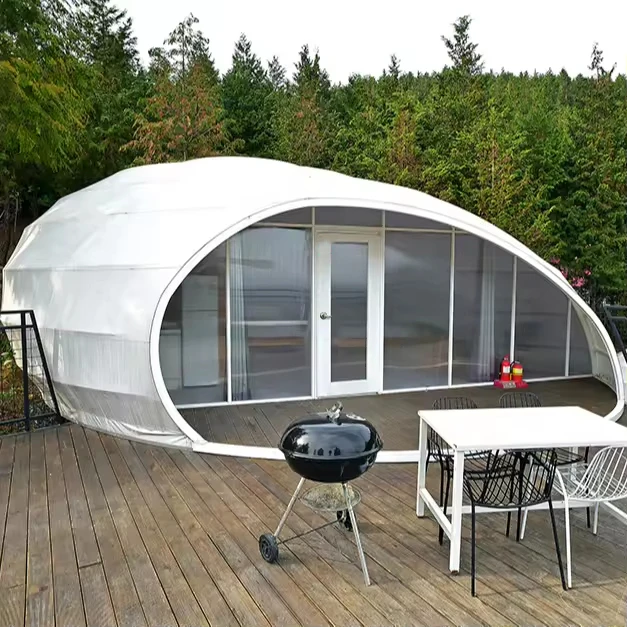
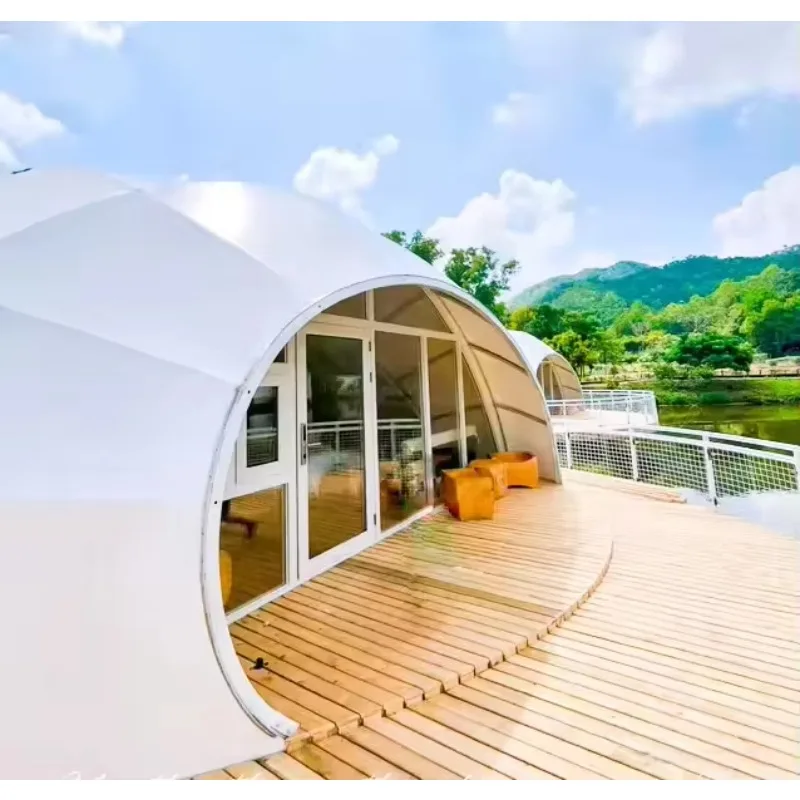
- Glamping pod cabins on steel frames, for sites and holiday lets. See glamping.
How tall is tall enough
A cabin tent is bought for standing room, so check the height against the tallest person going. The Naturehike Village 13 is 395 by 270cm and 183cm high, the Village 6.0 180cm high, and the big inflatable cabin 330cm at the peak. Upright walls also mean the full floor area is usable, so a cabin tent feels bigger than a dome with the same floor.
Weight and getting it there
All that frame and fabric is heavy. The Village 6.0 weighs 14.7kg, the Village 13 about 23.8kg and packs to 110 by 30 by 30cm, and the inflatable cabin weighs 95kg. Measure the boot, and plan on two people to lift and pitch.
What the waterproof rating means on a cabin tent
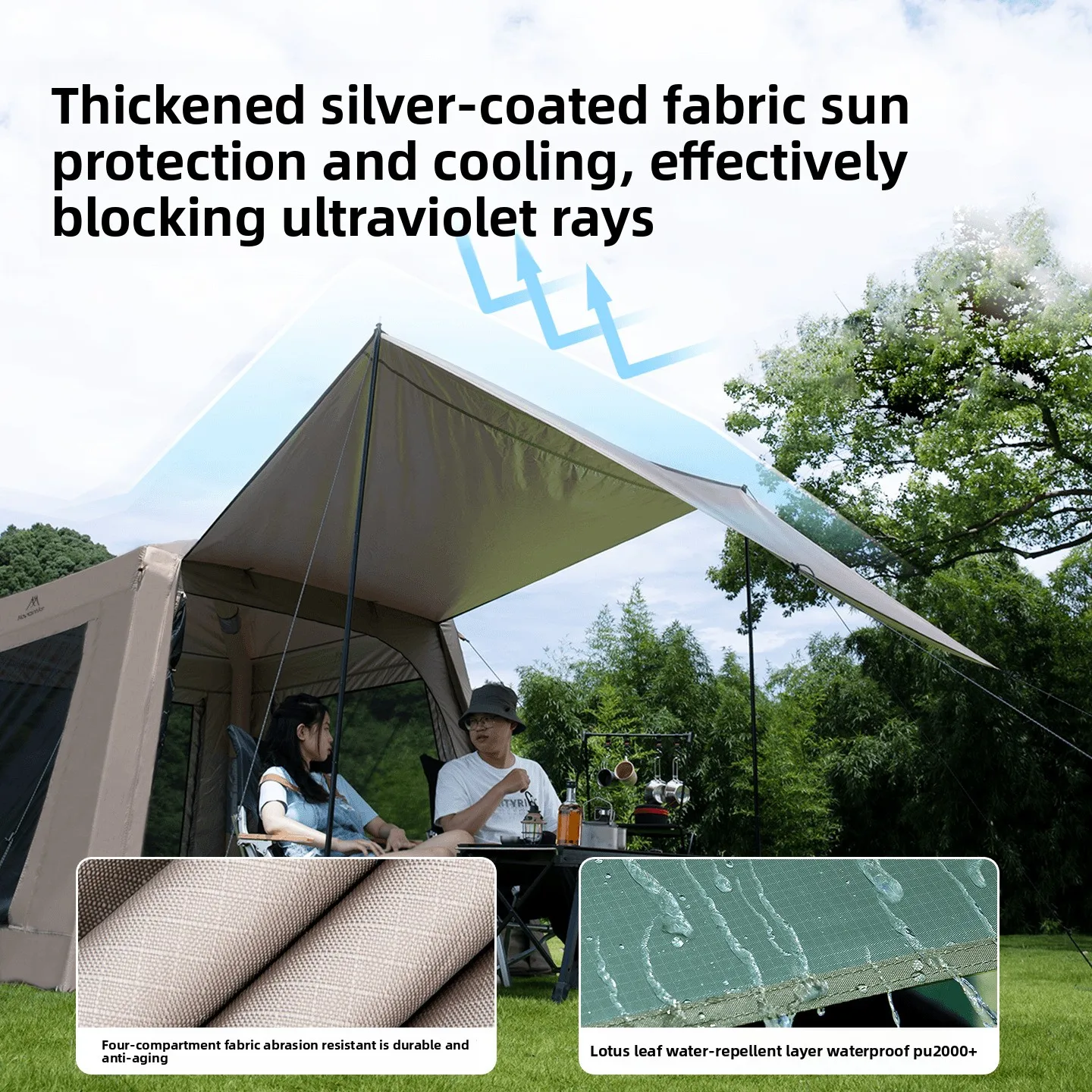
The rating in millimetres, the hydrostatic head, is the height of a column of water the fabric holds back before it leaks, tested to BS EN ISO 811. About 1,000mm is the lowest rating usually called waterproof, most lightweight flysheets are 1,500mm to 3,000mm, and more is worth having for long wet trips or a family tent left up for days. The groundsheet is often rated higher, because you kneel and lie on it. Taped seams matter as much as the number. Shop by rating: to 2,000mm, to 3,000mm and 5,000mm and over.
Questions people ask about cabin tents
Are cabin tents good in wind?
Upright walls catch more wind than a dome, so peg out every guy line and pitch the narrow end into the wind.
Which cabin tents are for winter?
A 4-season tent: stronger poles, and a snow skirt round the bottom of the flysheet to stop wind and snow blowing underneath. See 4-season tents, and hot tents with a stove jack for tents that take a stove. Never take a barbecue or a stove without a flue into a tent: carbon monoxide kills. With a hot tent, use its own kind of stove and a carbon monoxide alarm.
How long does delivery take?
Delivery is included in every price and tracked to your door. Each product page says when that tent usually arrives, so check it before ordering for a set date.
More to look at