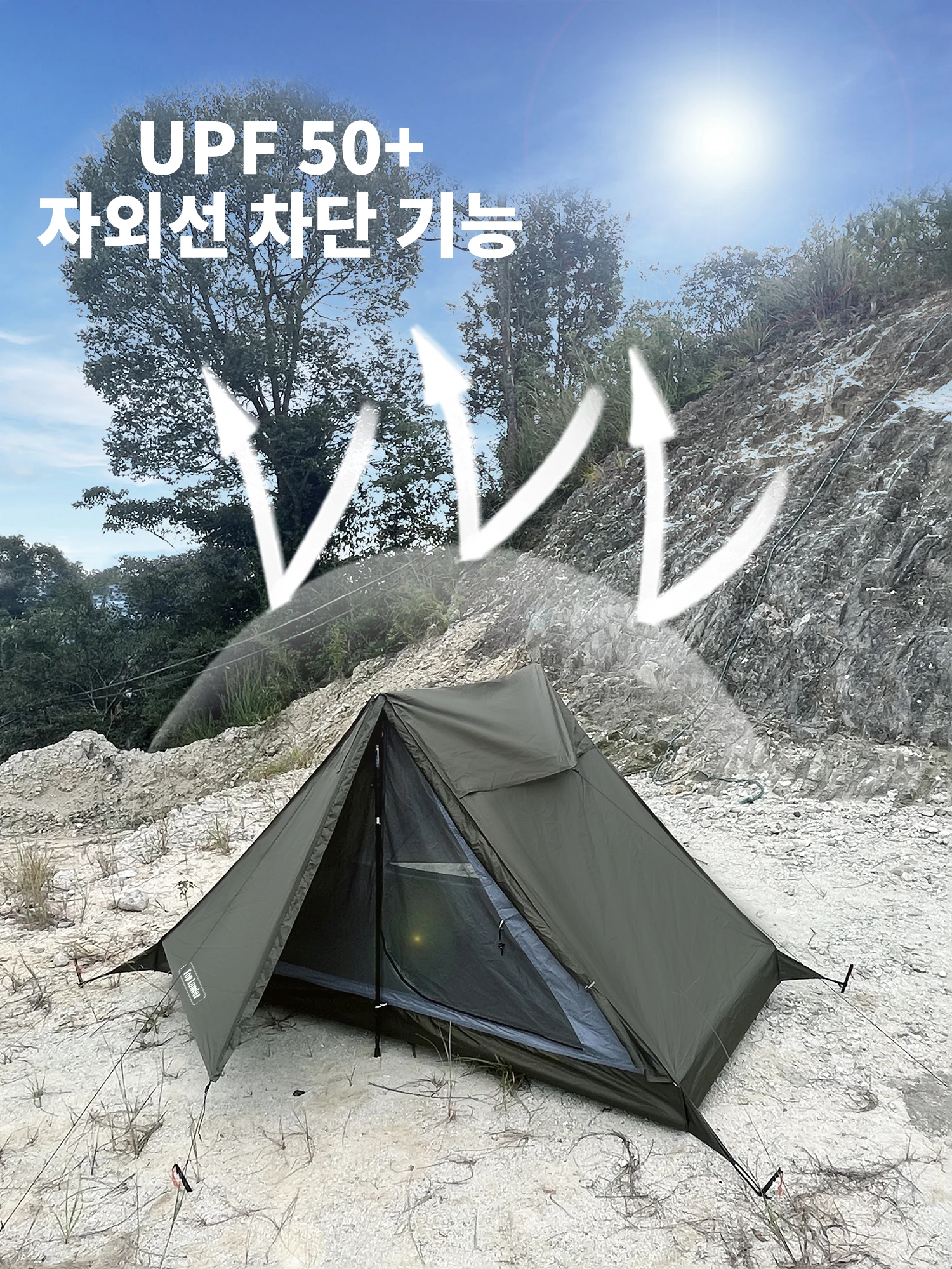
What a backpacking tent is
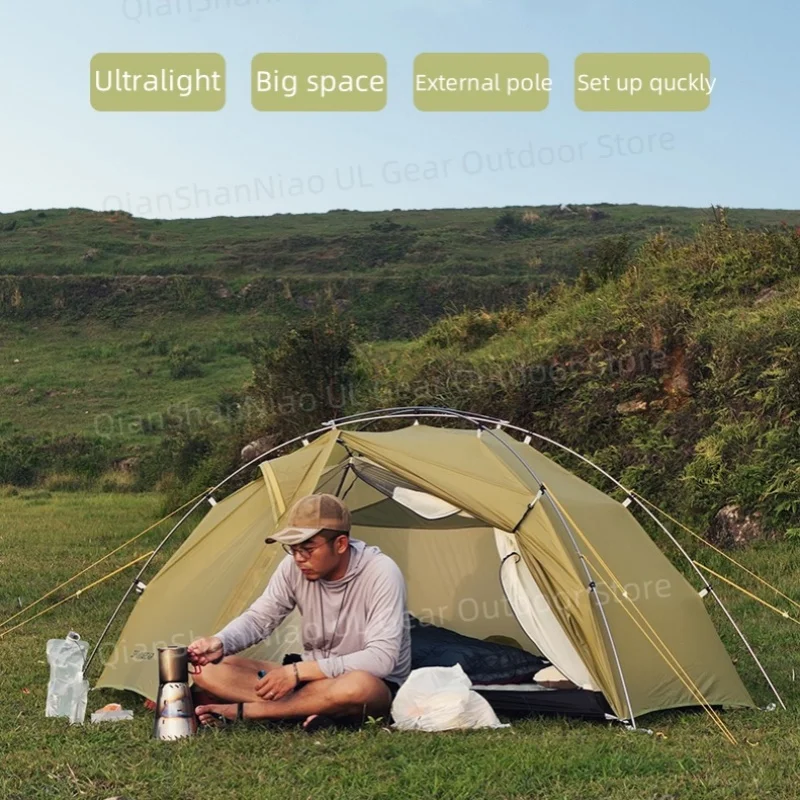
A backpacking tent is one you carry, with everything else, for several days at a time: from one camp to the next on a long-distance path, a trek through the hills, or a few nights in a row away from the car. That changes what matters. It has to be light enough to carry all day, pack small enough to fit inside or on your rucksack, and stand up to whatever weather comes on the third night, not just the first. For a single night out on a walk, see hiking tents.
Double layer, tunnel, pyramid or hot tent
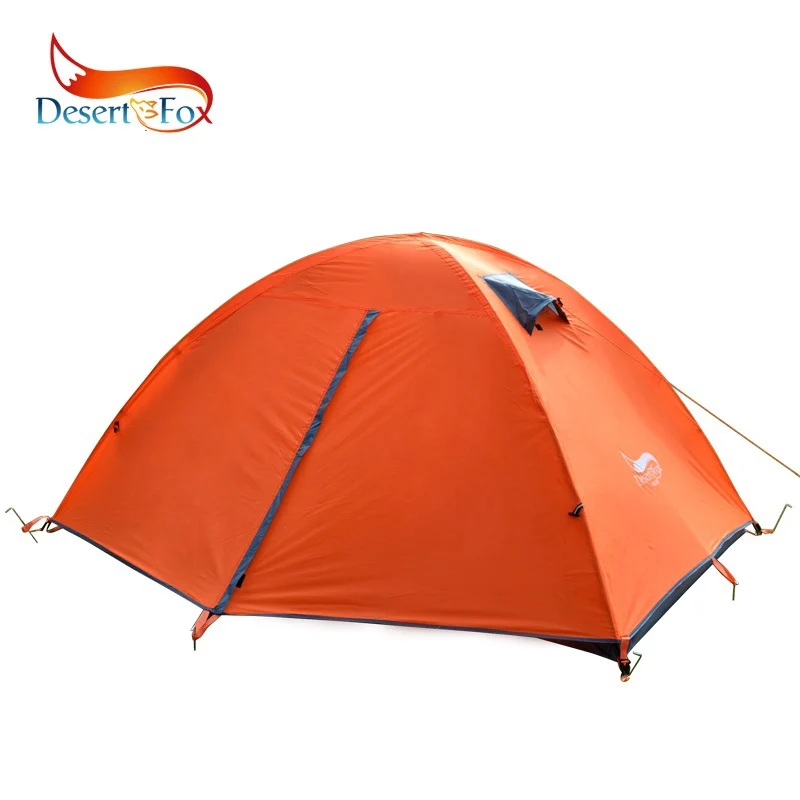
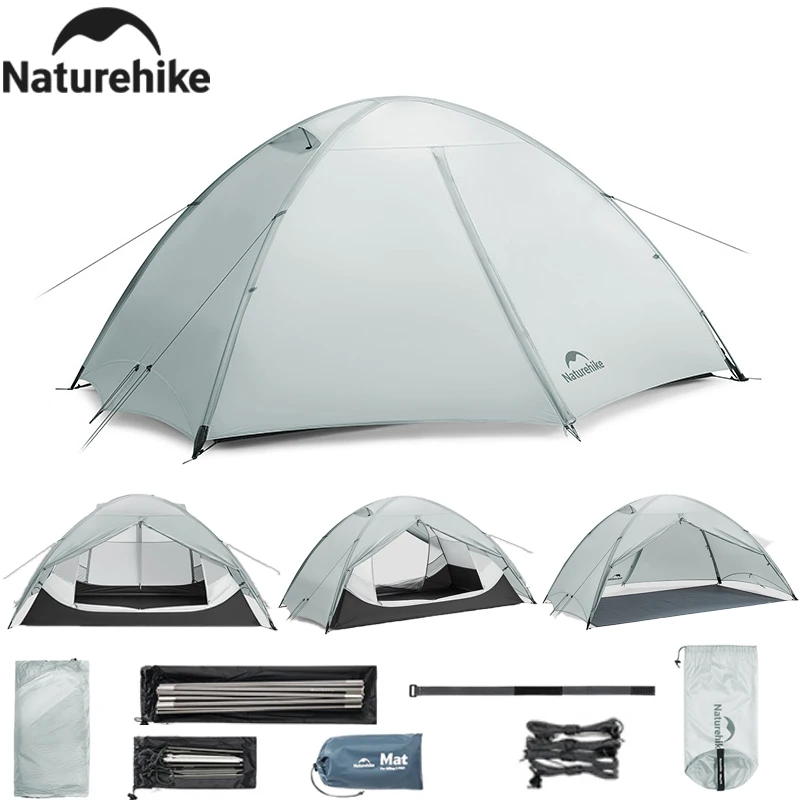
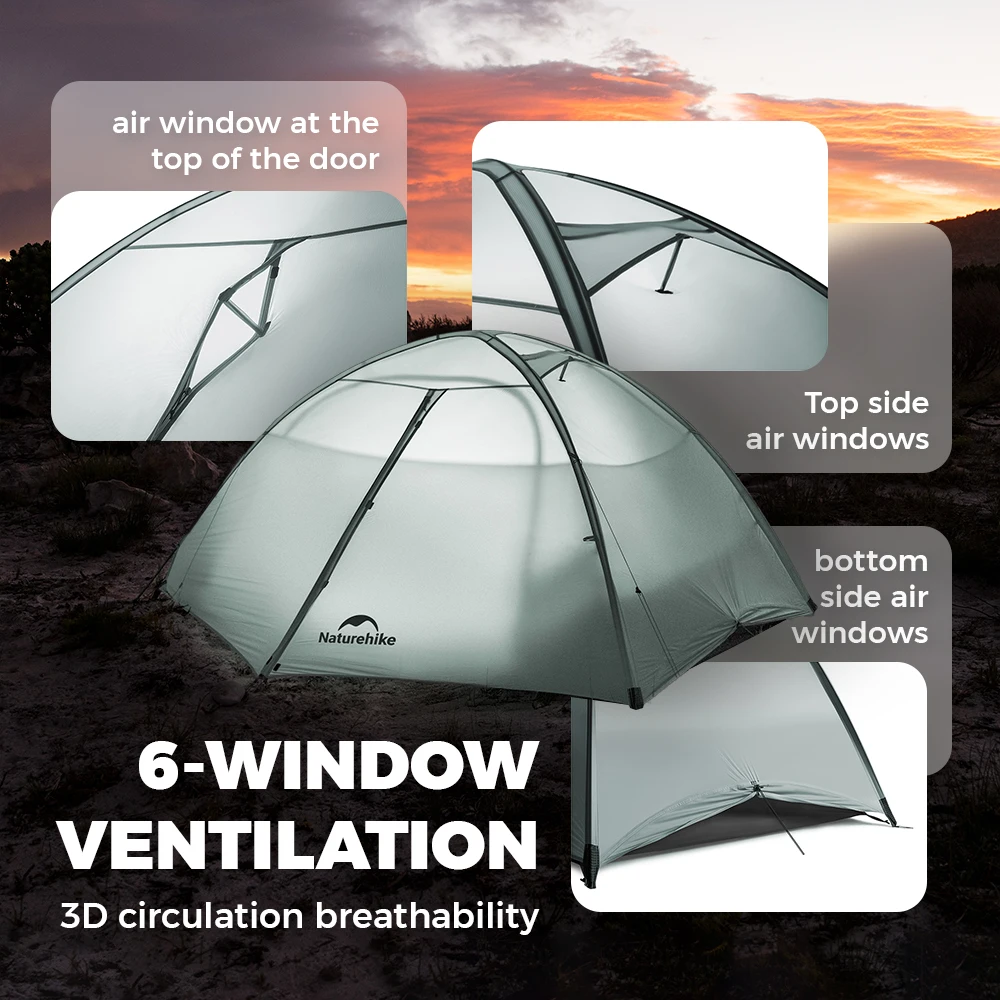
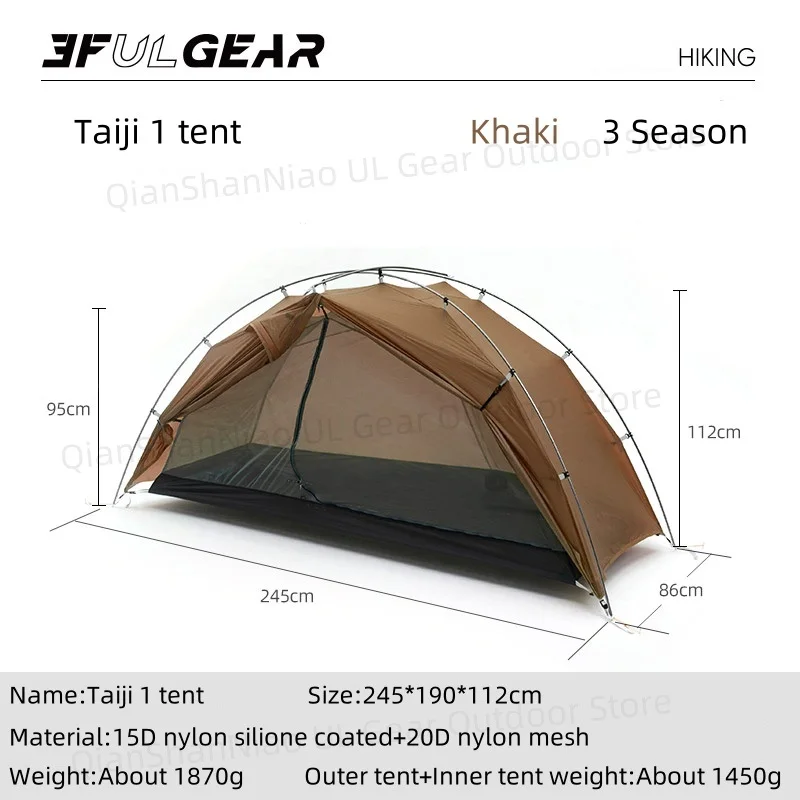
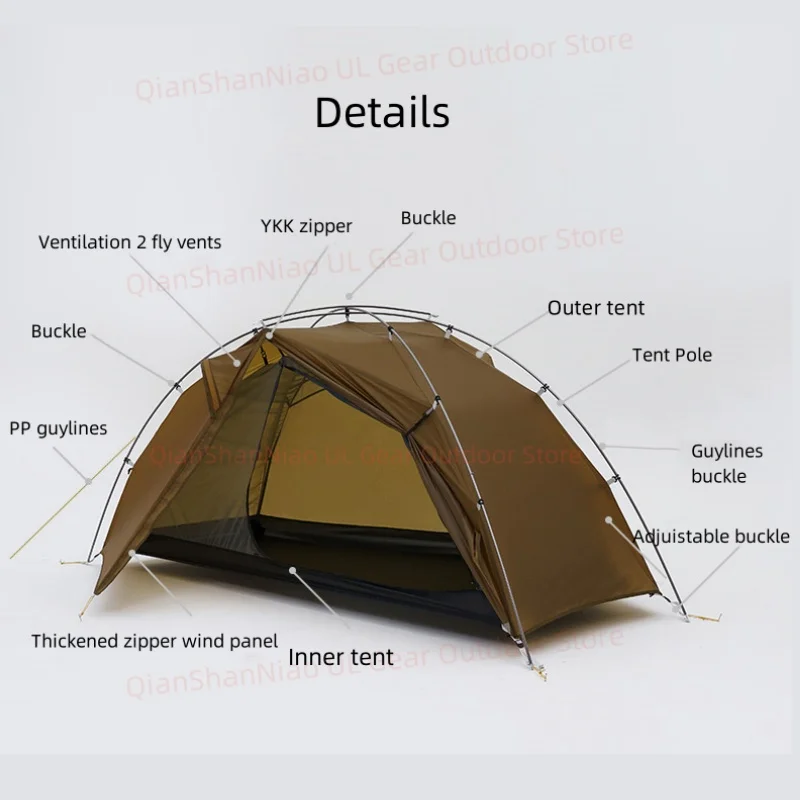
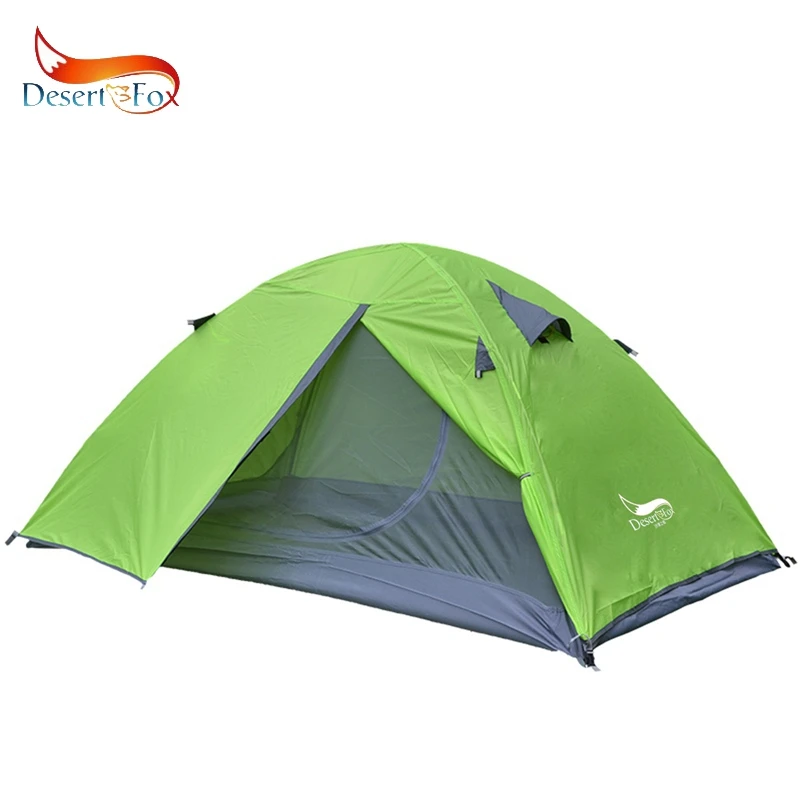
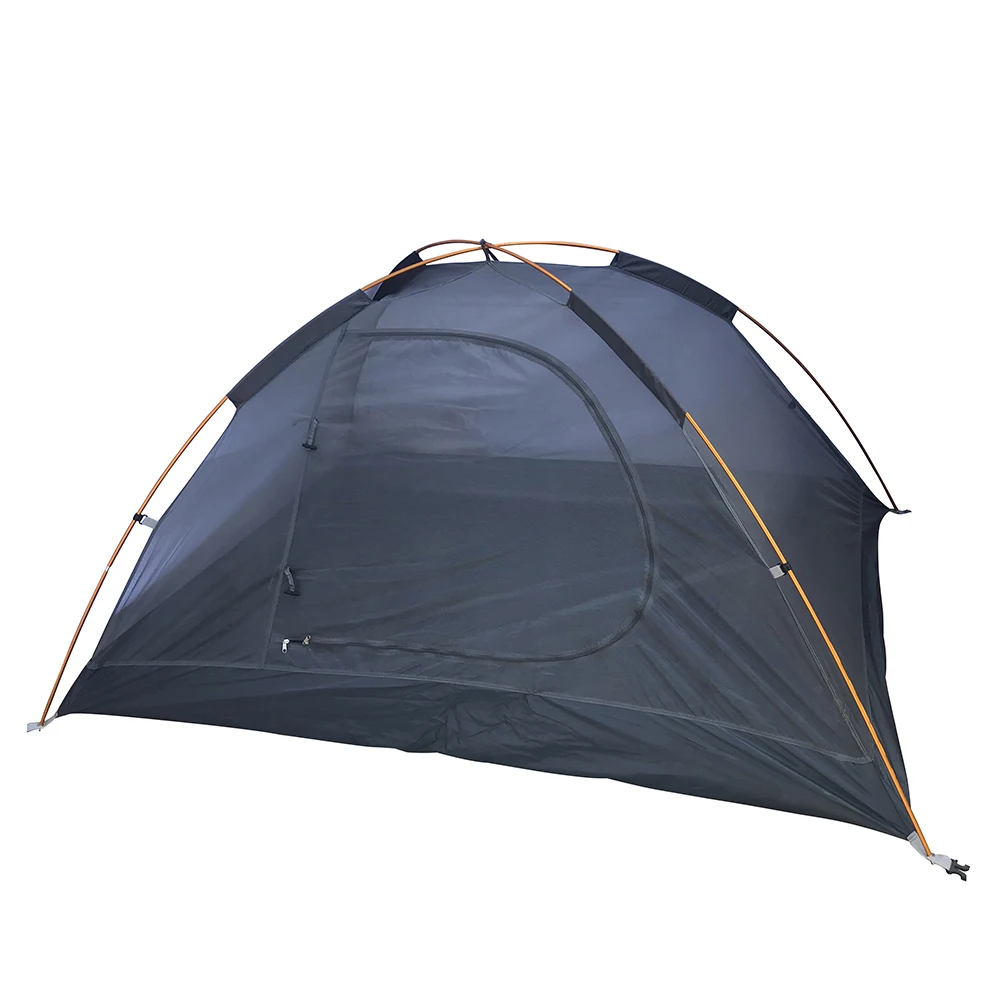
- Ultralight double-layer tents are the biggest group here, mostly for one or two people. See double layer tents.
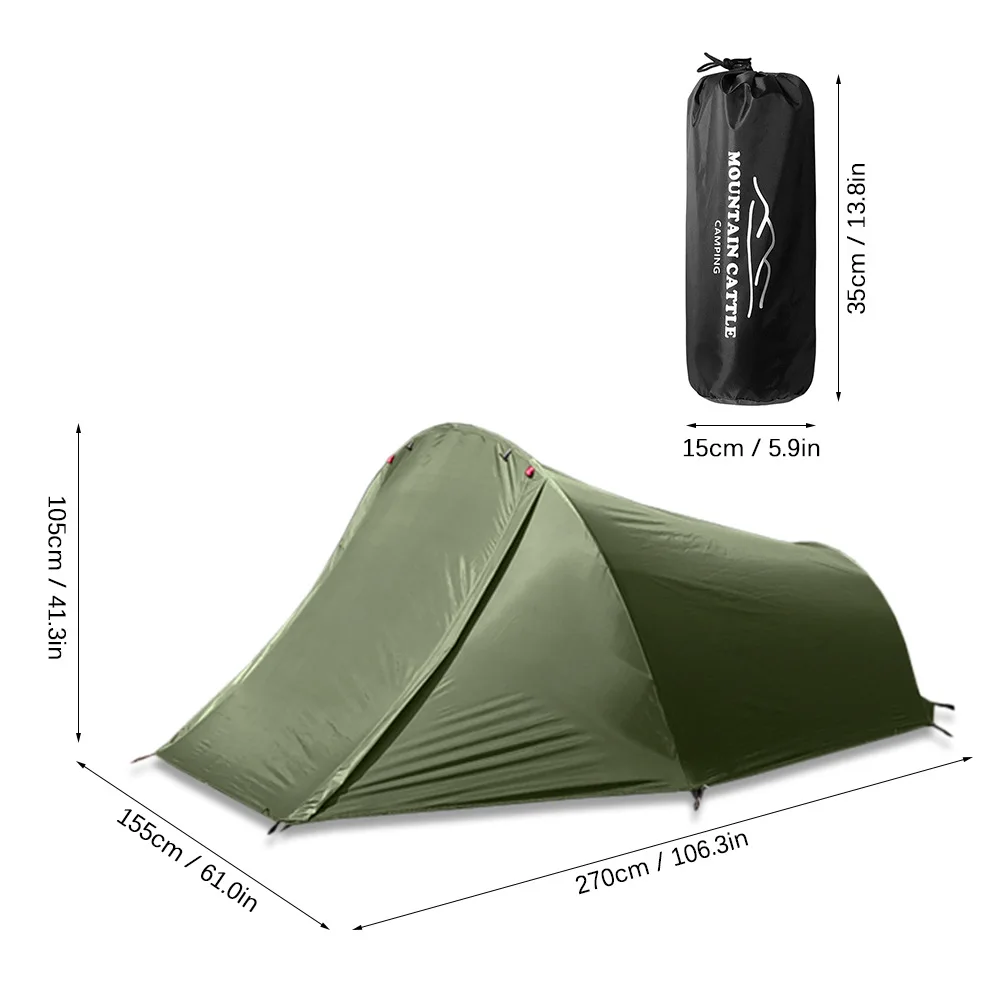
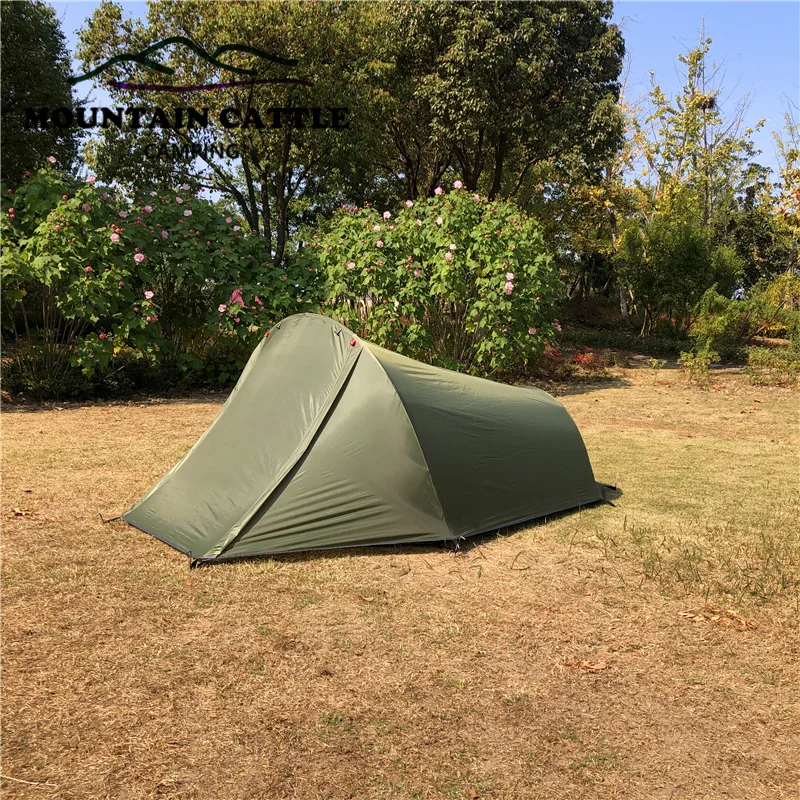
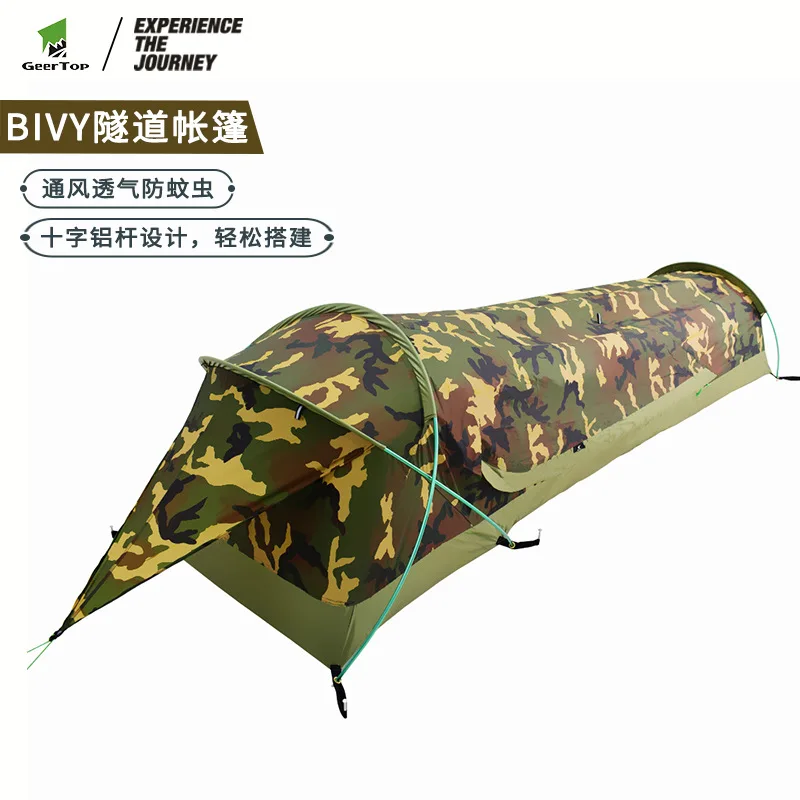
- Tunnel tents give a lot of room for their weight, and need pegging out to stand. See tunnel tents.
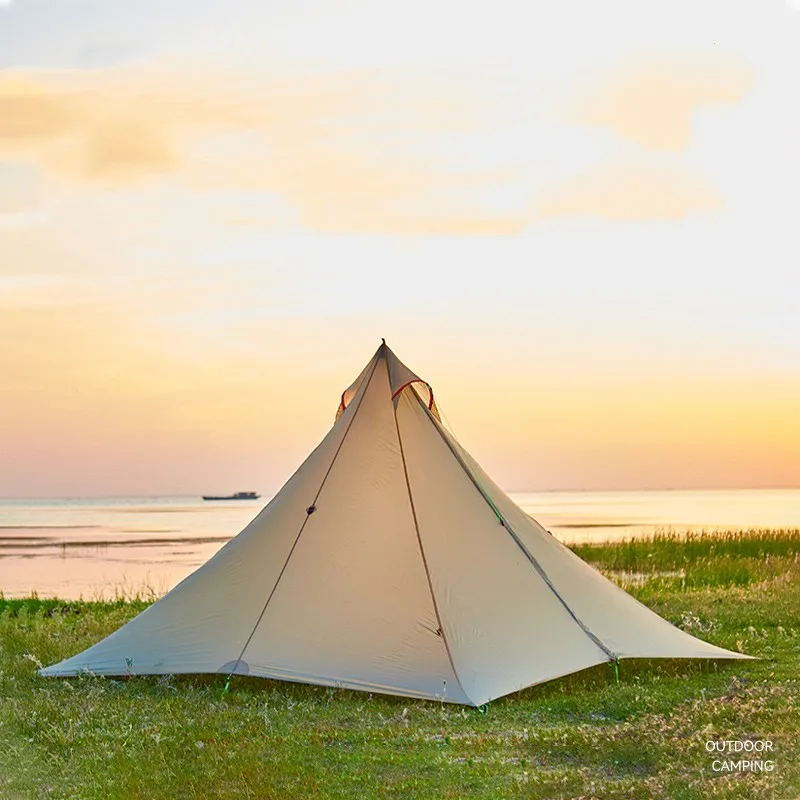
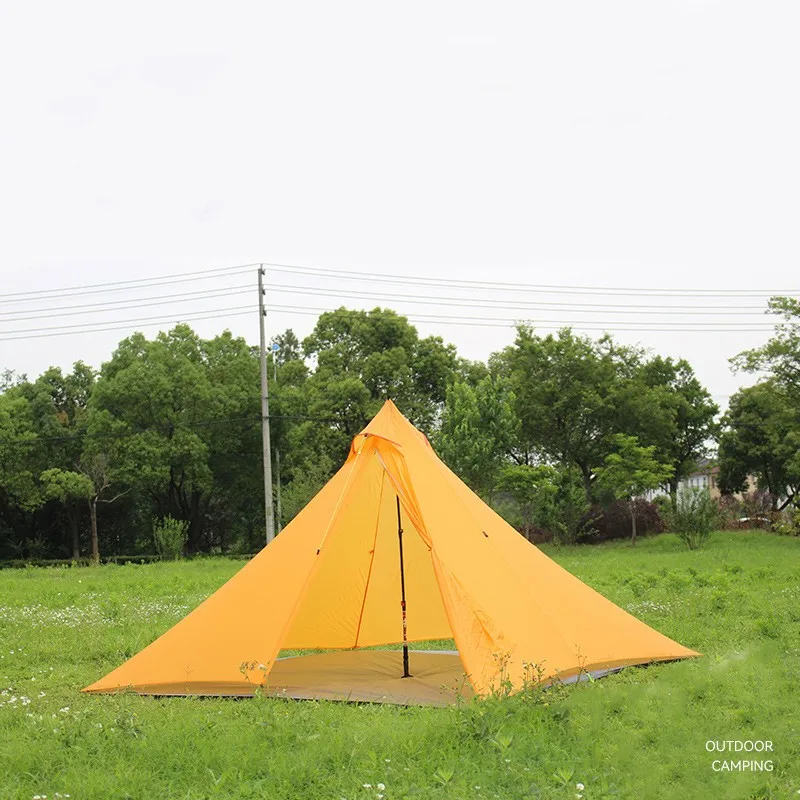
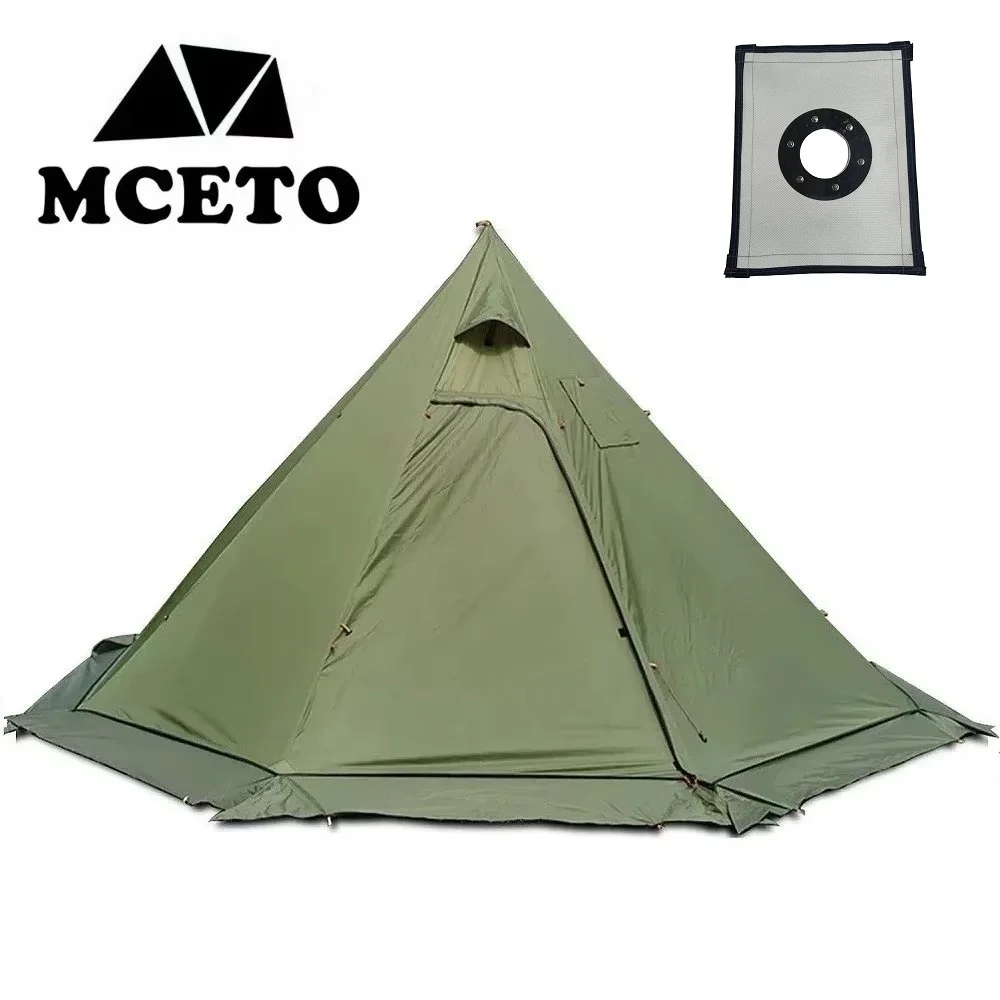
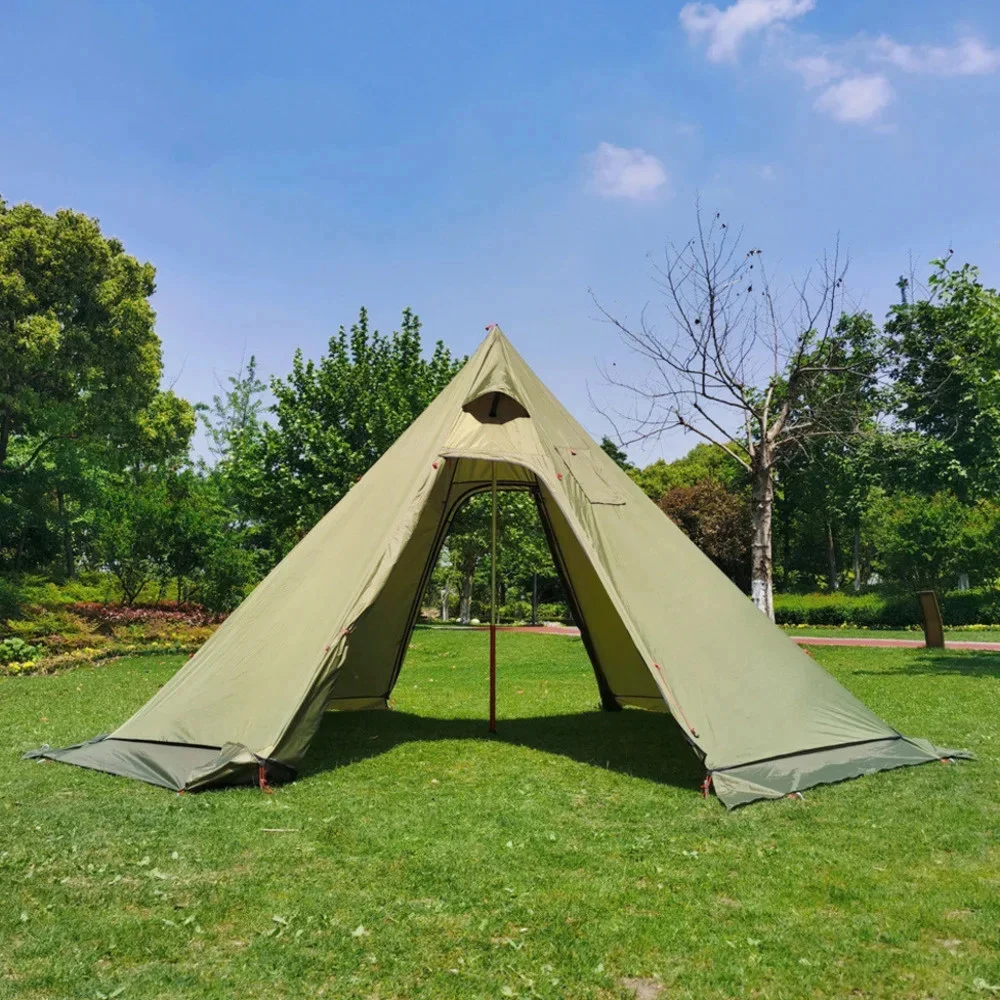
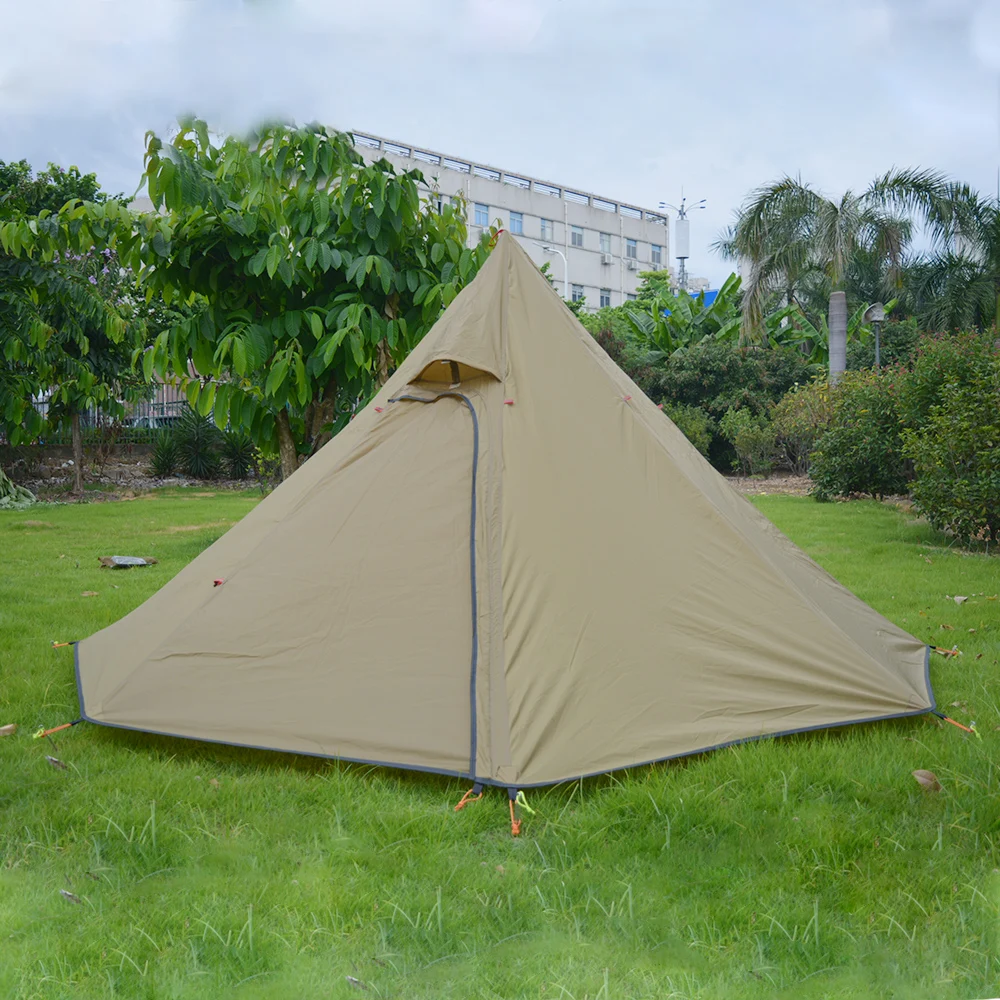
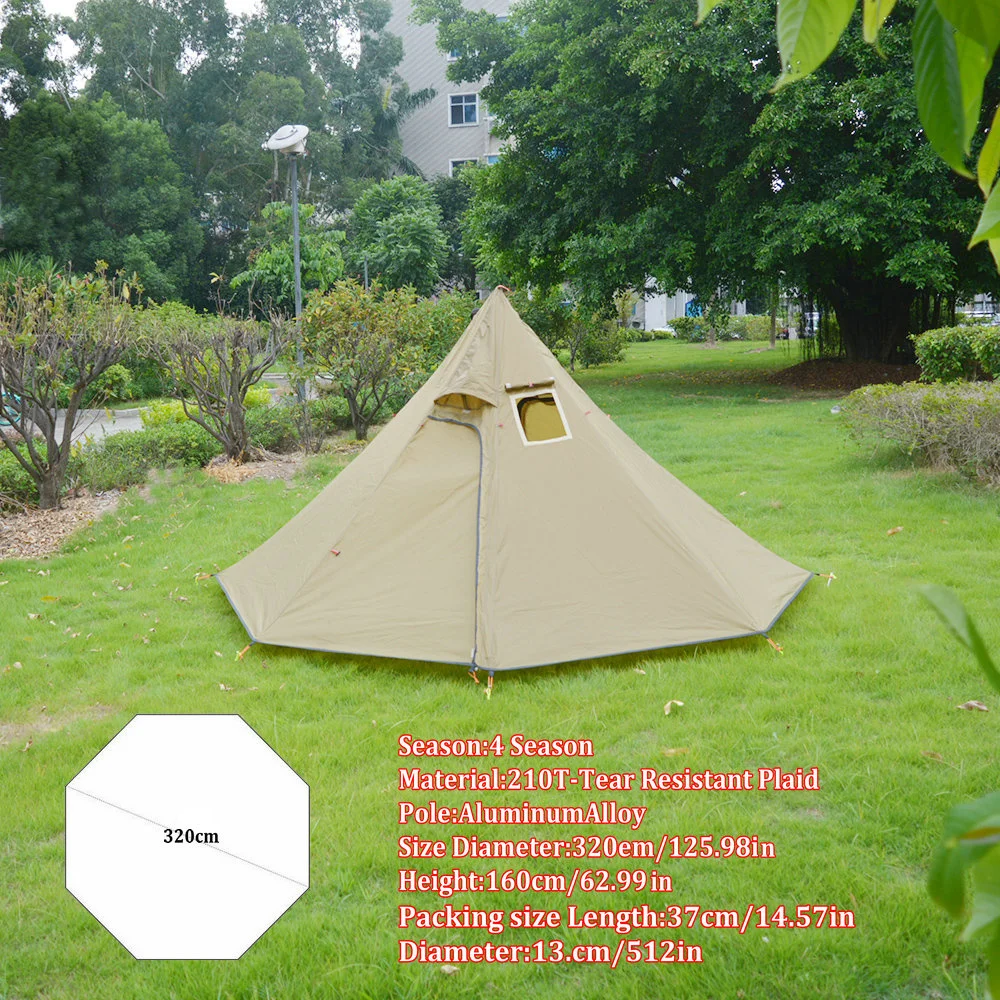
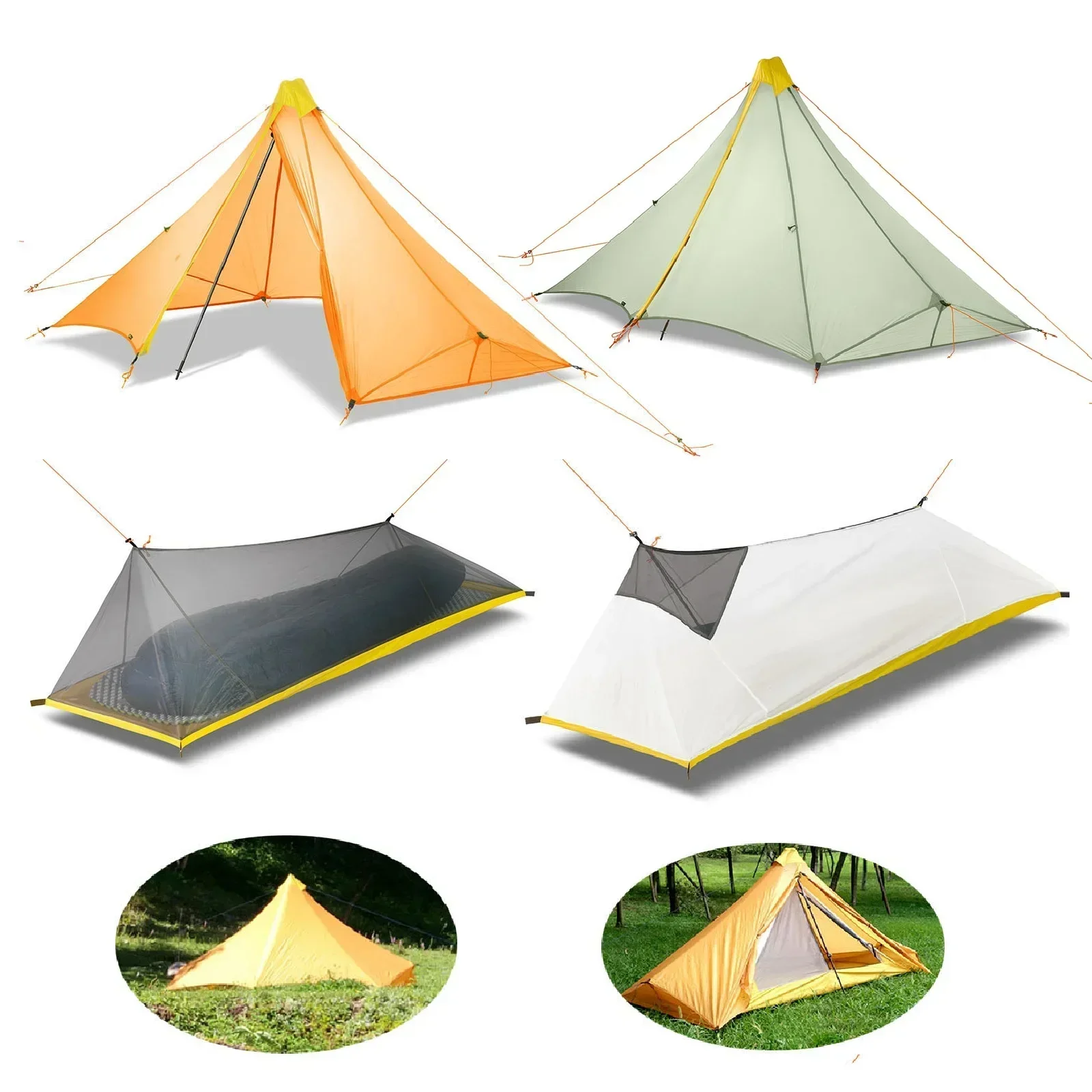
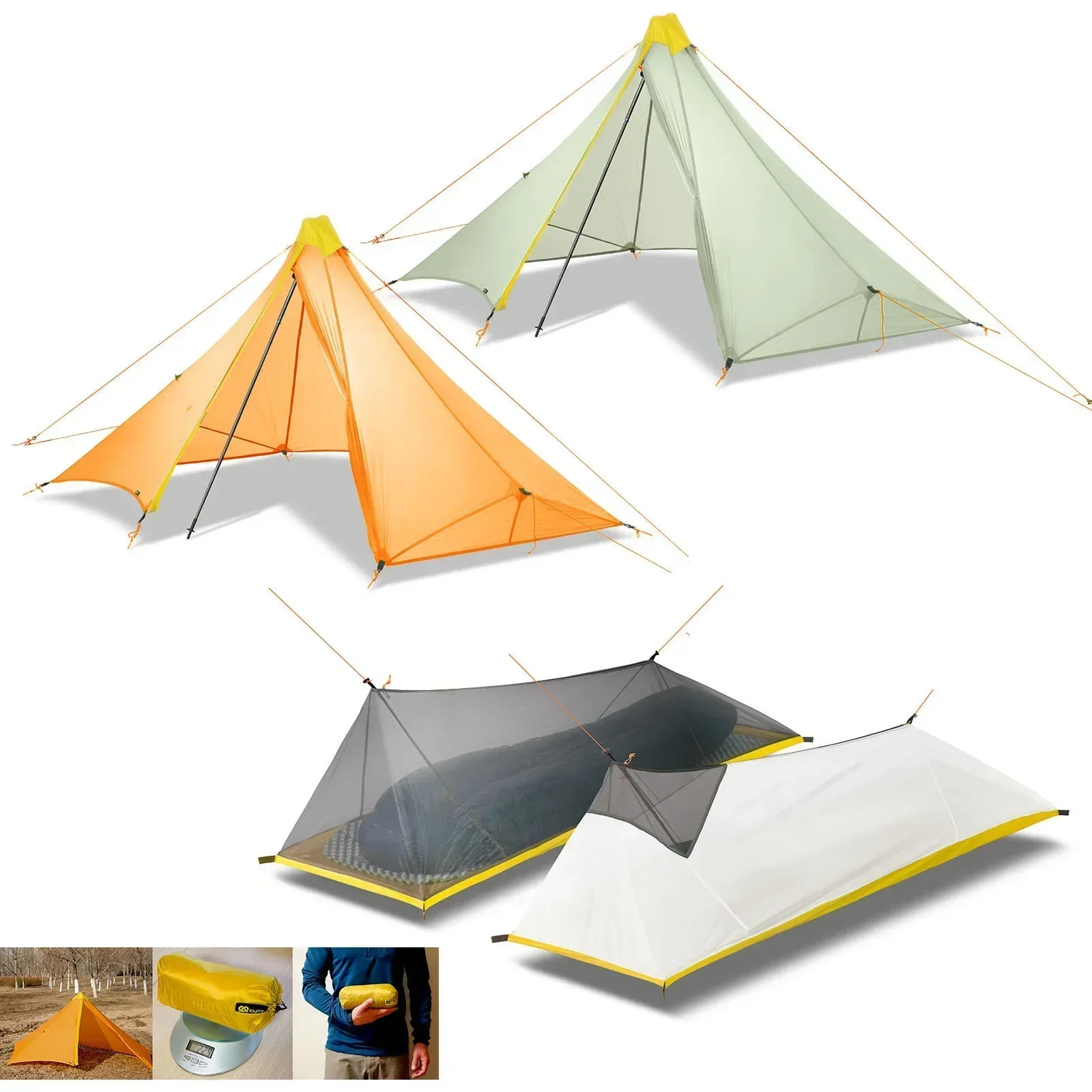
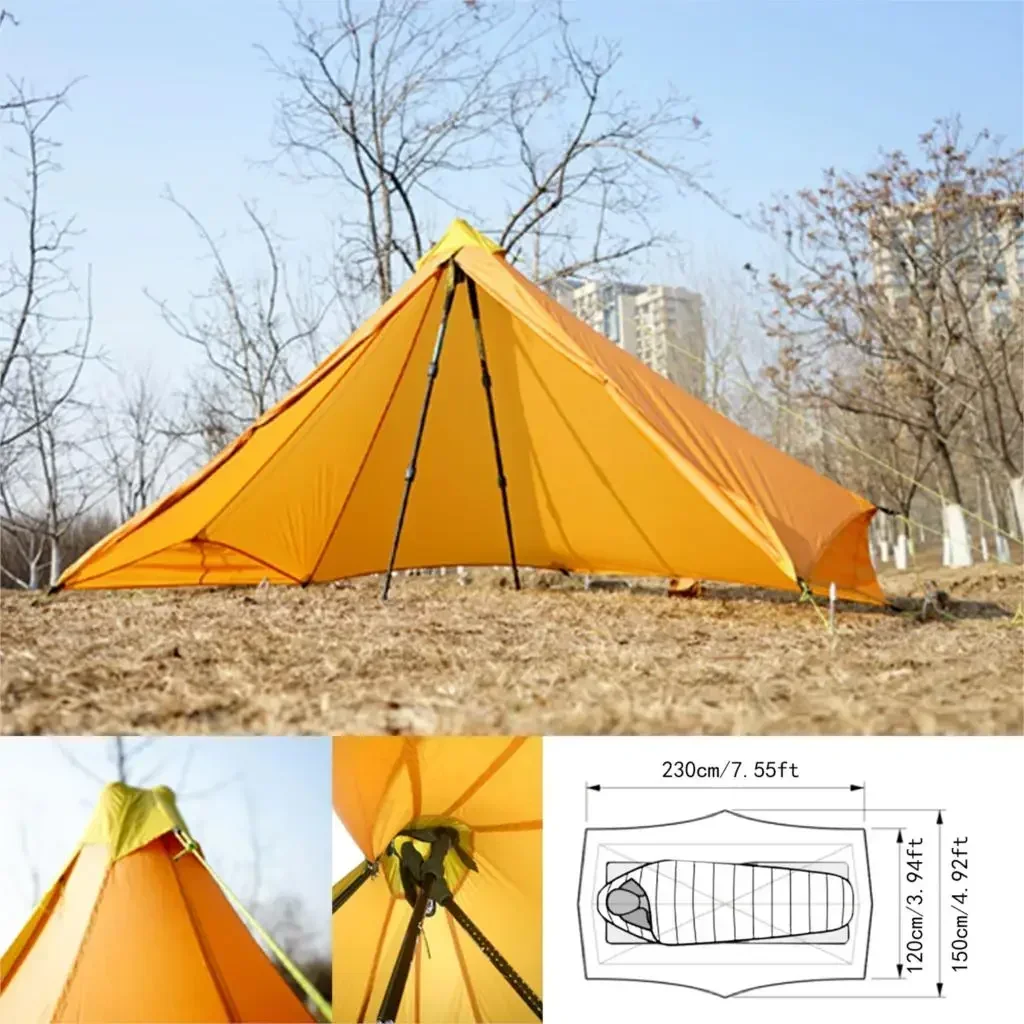
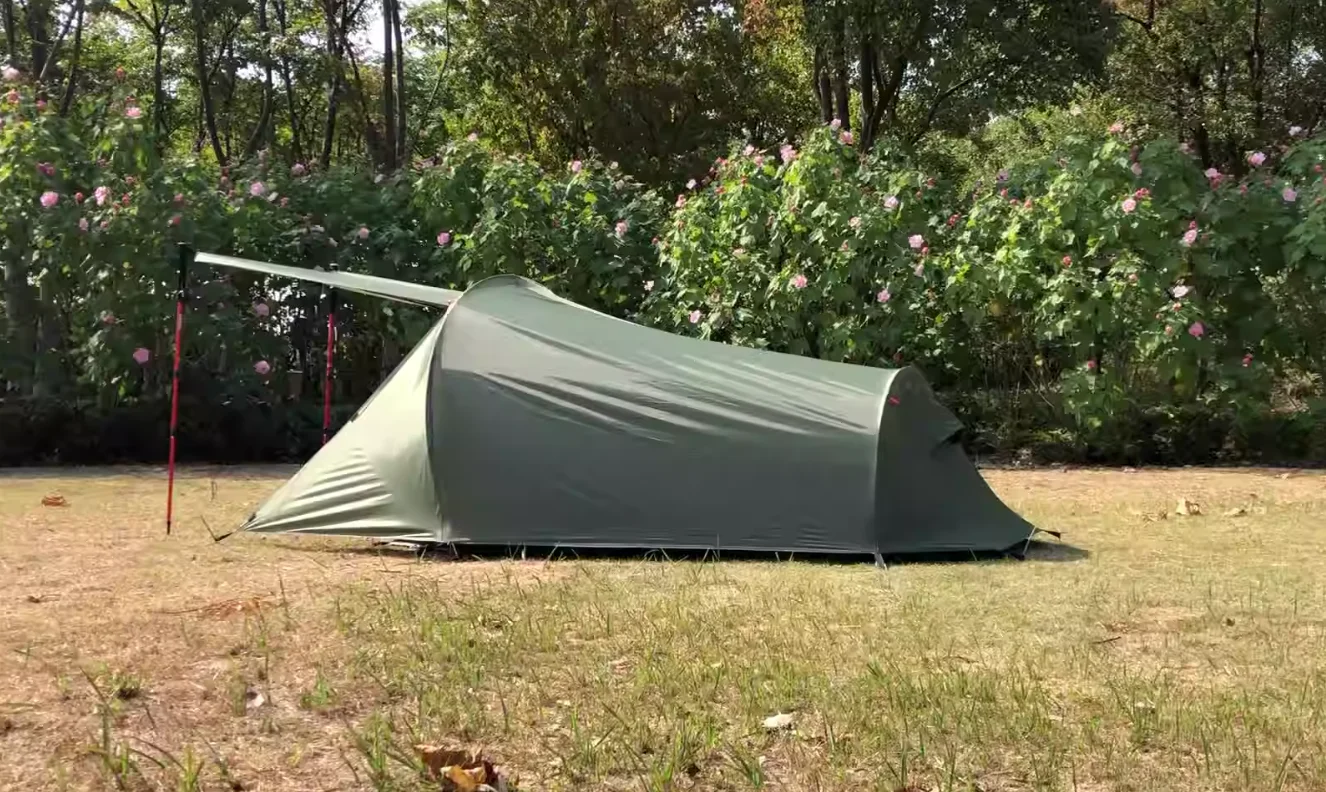
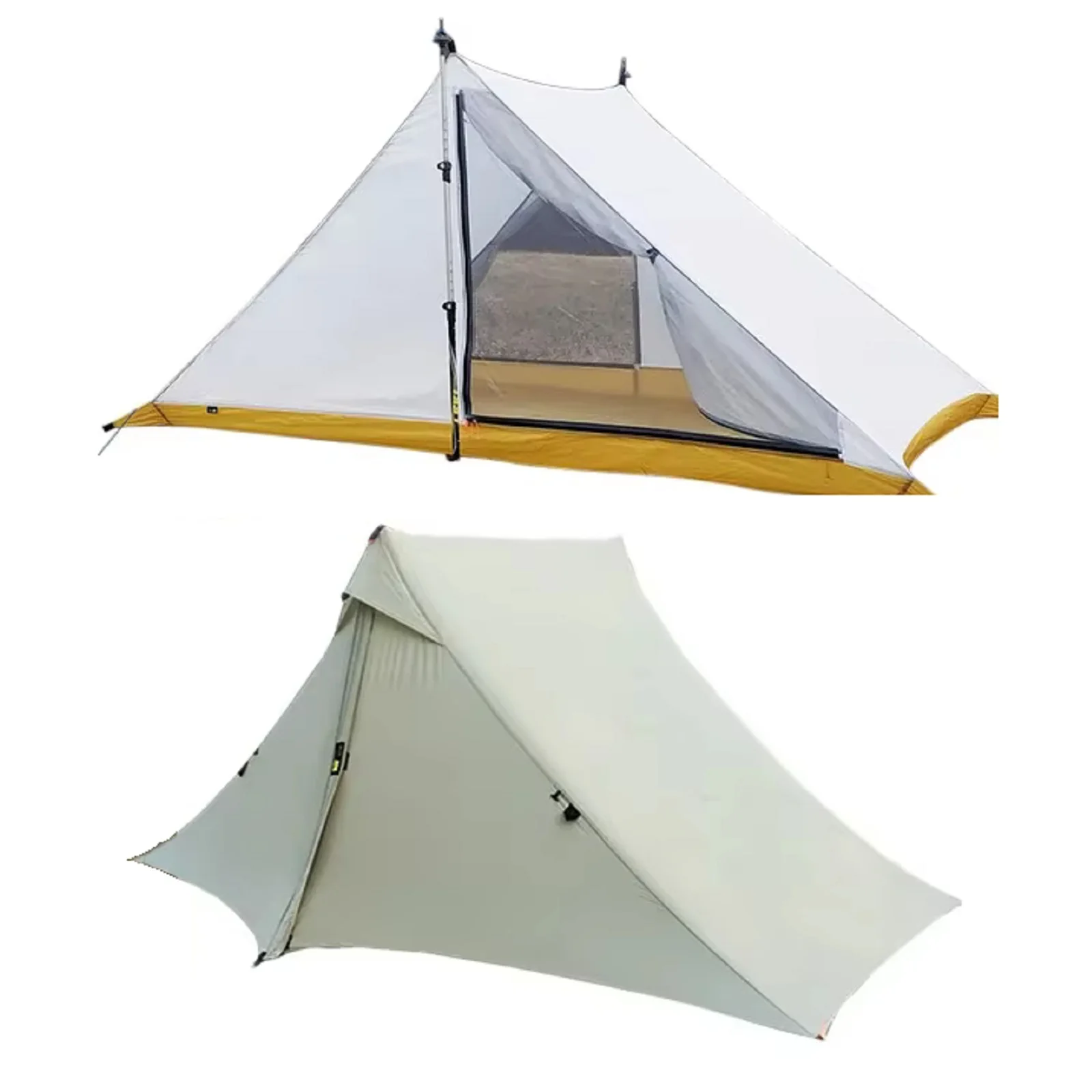
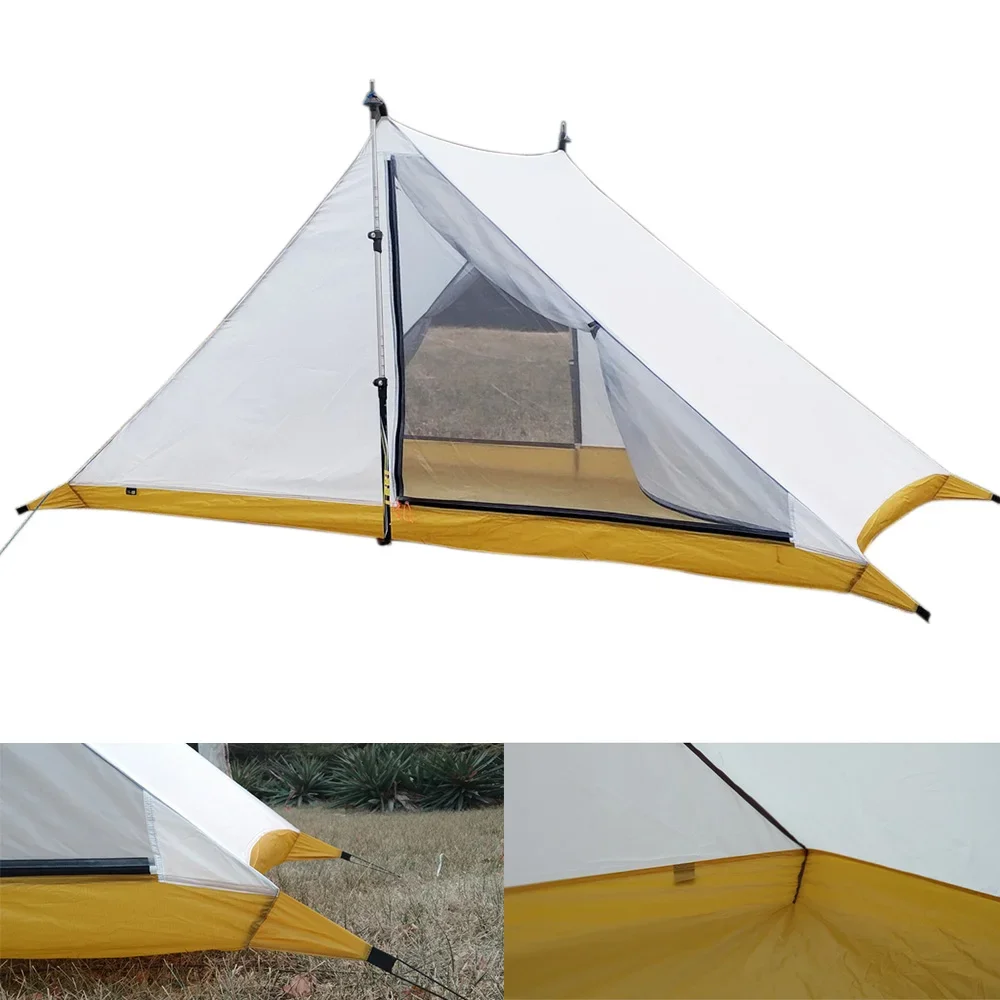
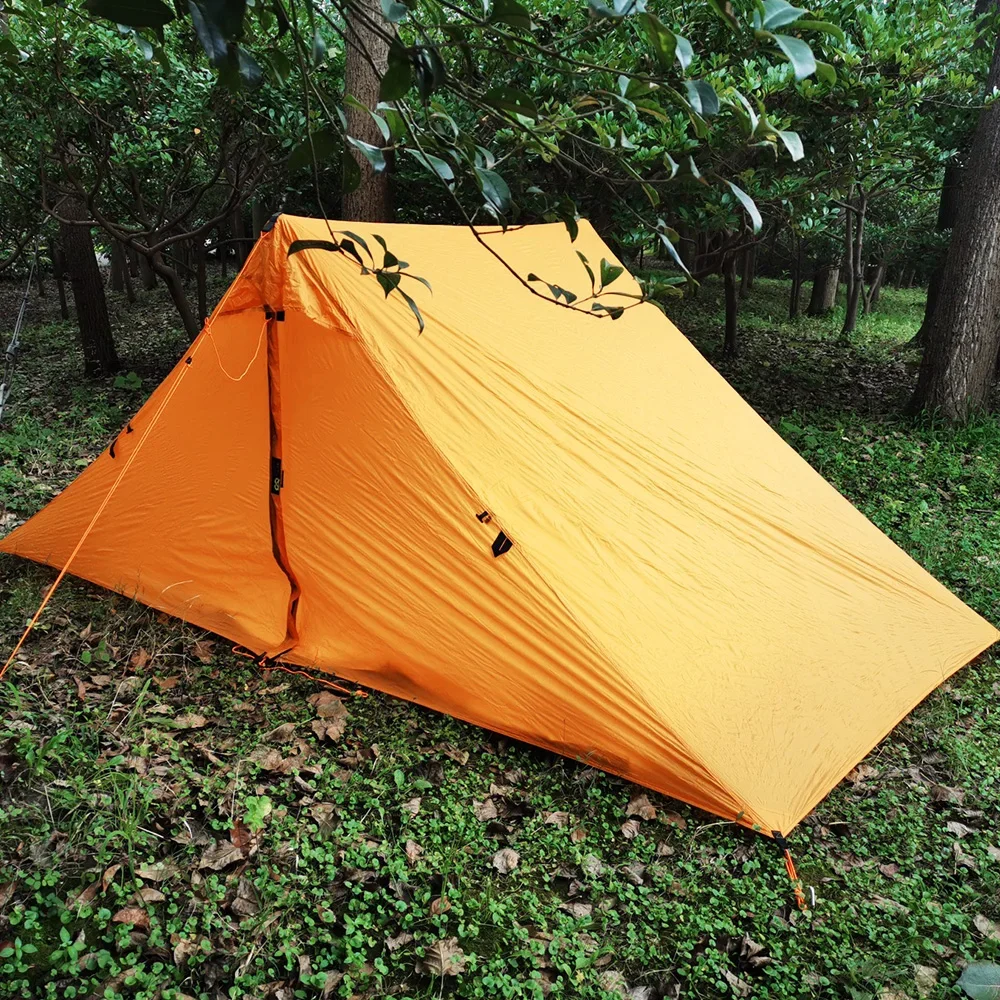
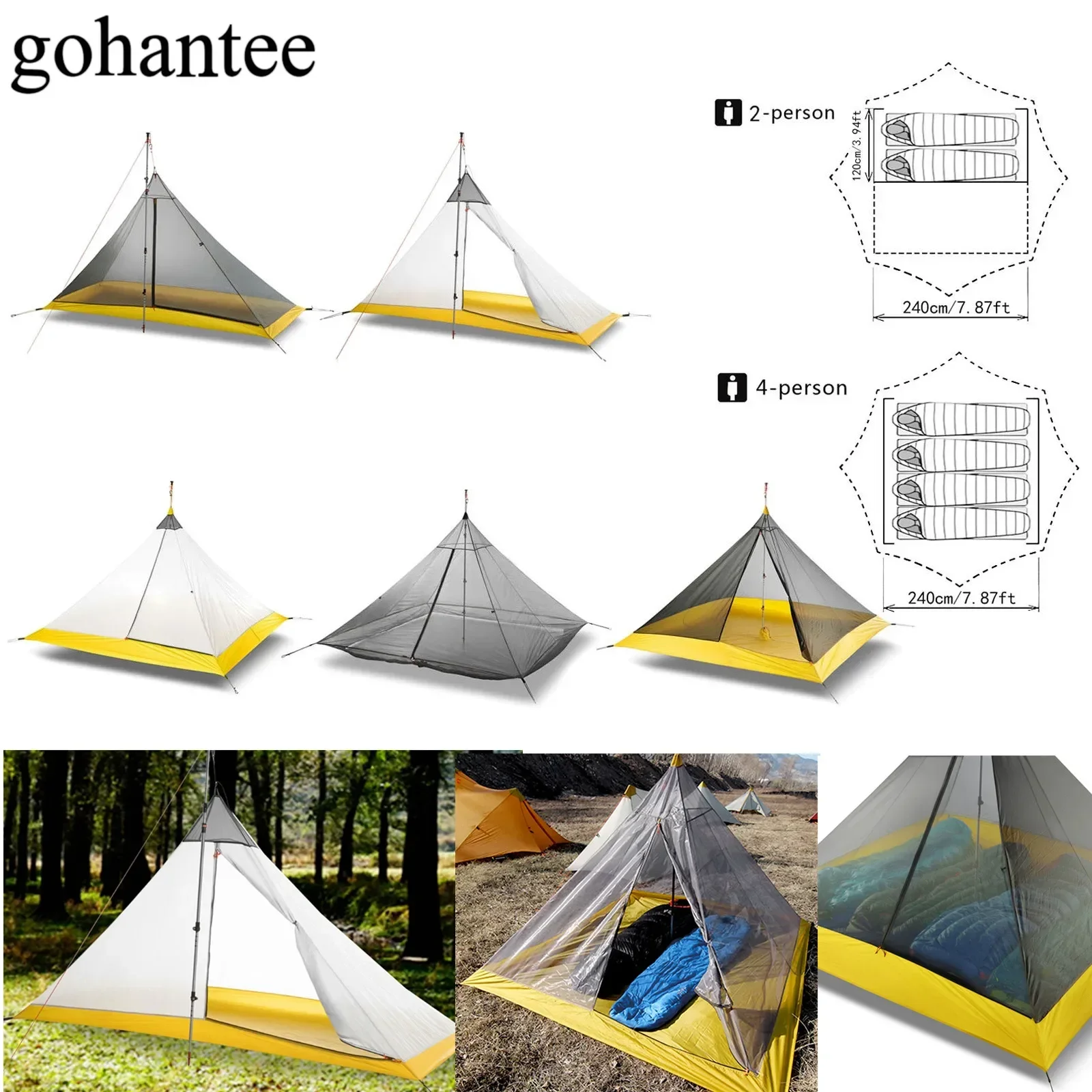
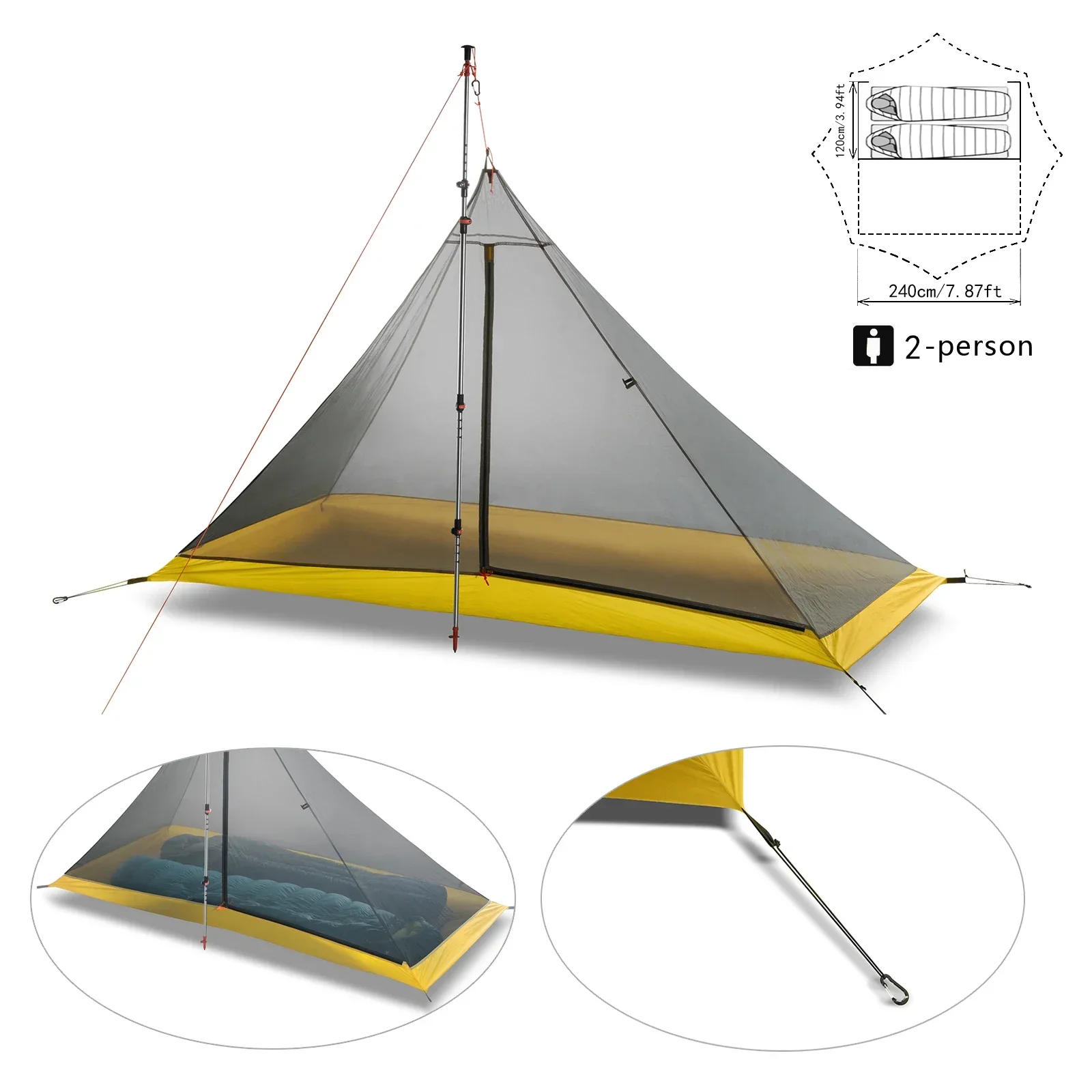
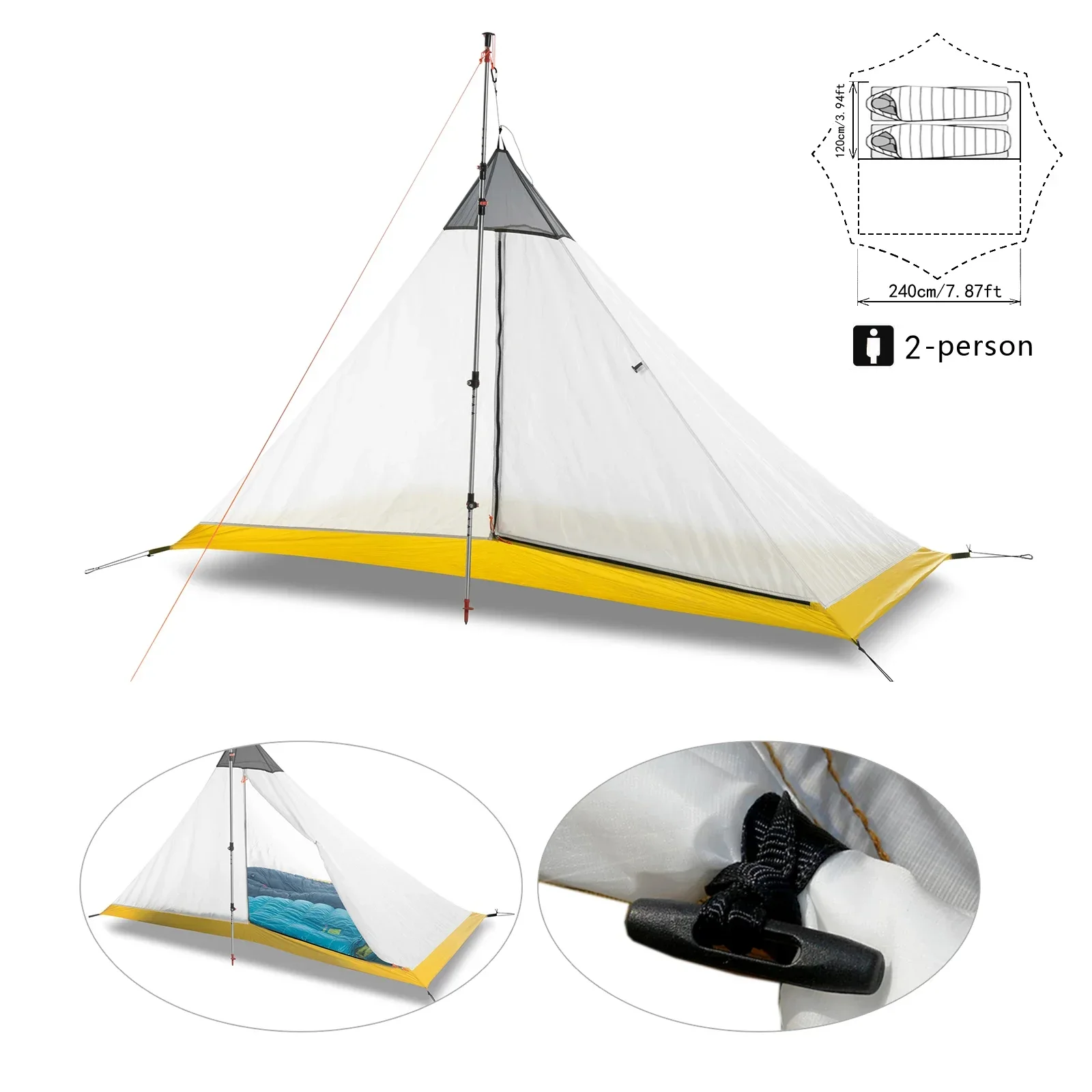
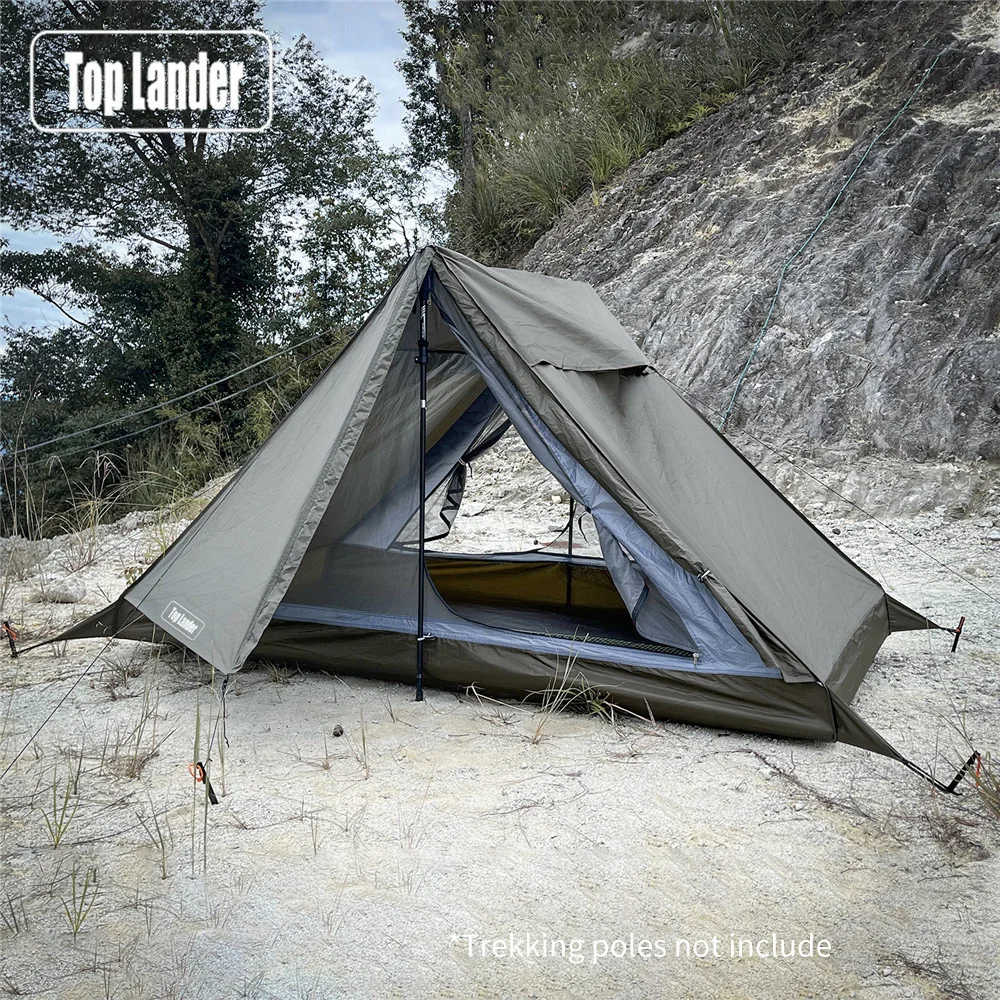
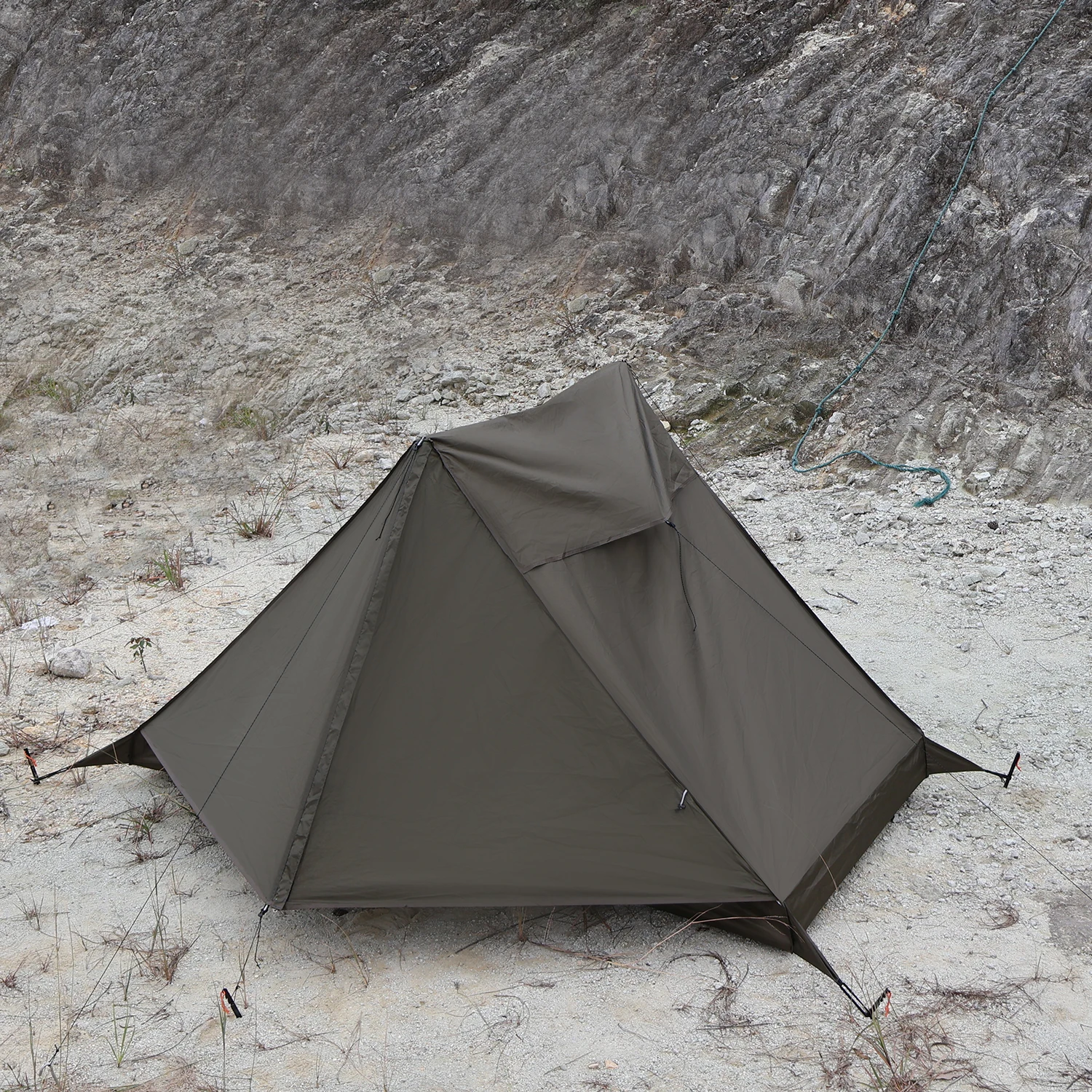
- Pyramid tents stand on one pole, often a walking pole, which saves carrying tent poles. See pyramid tents.
- Hot tents for backpacking take a small stove for winter treks. See hot tents with a stove jack.
Pack weight over several days
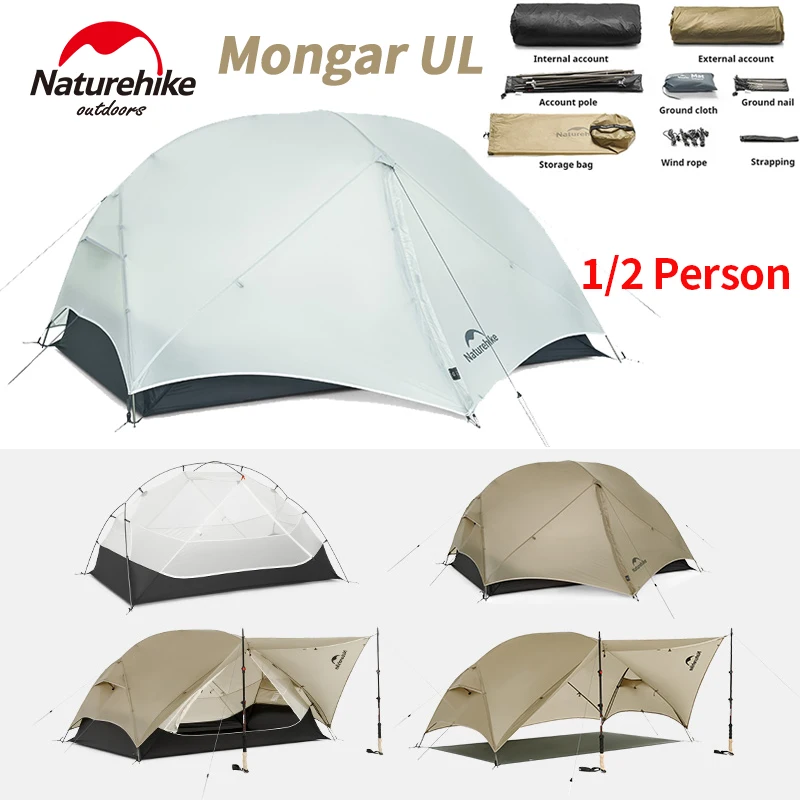
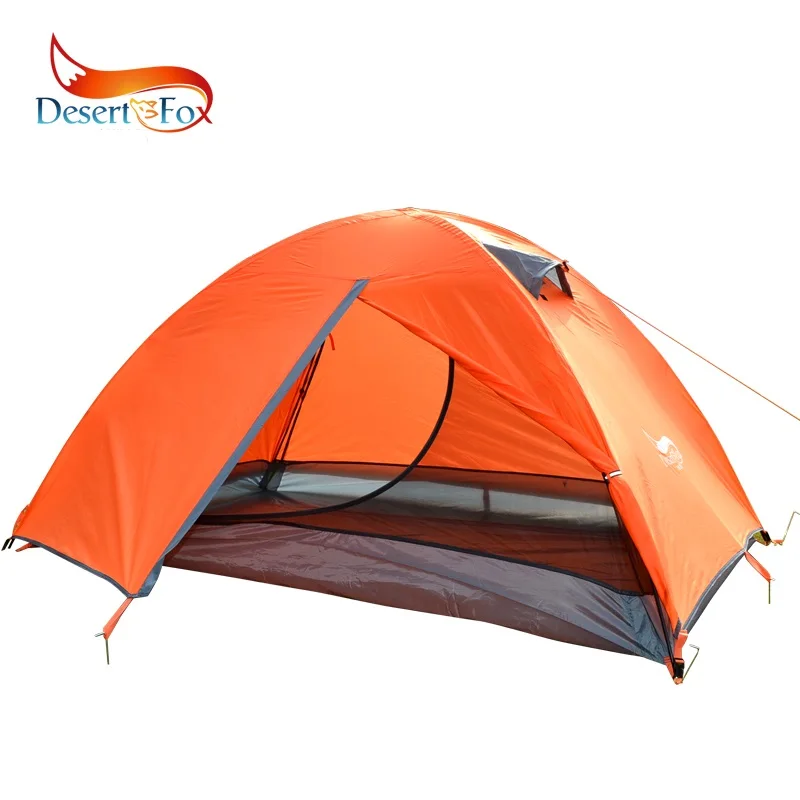
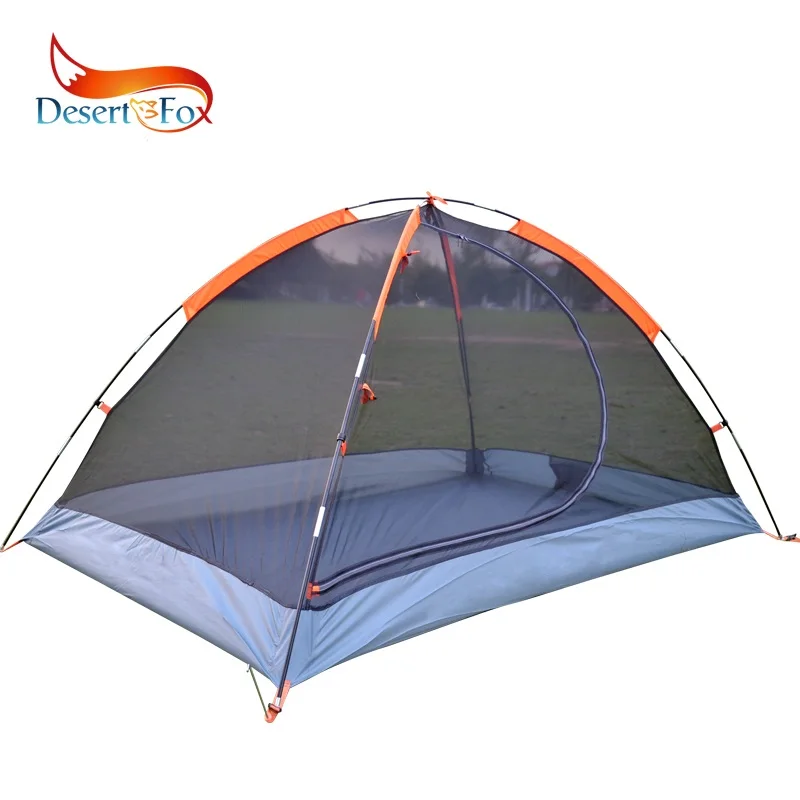
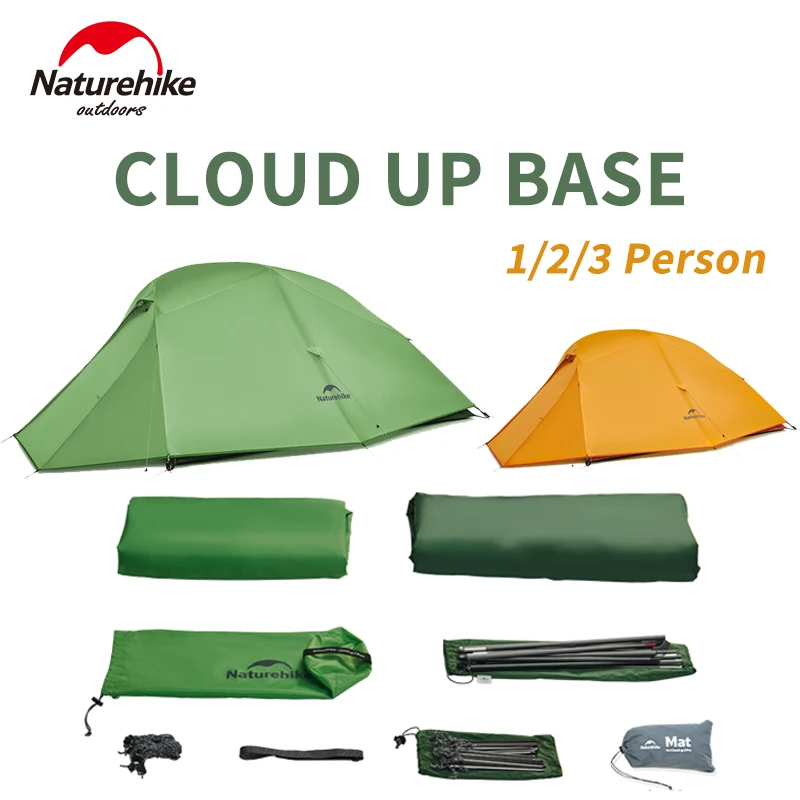
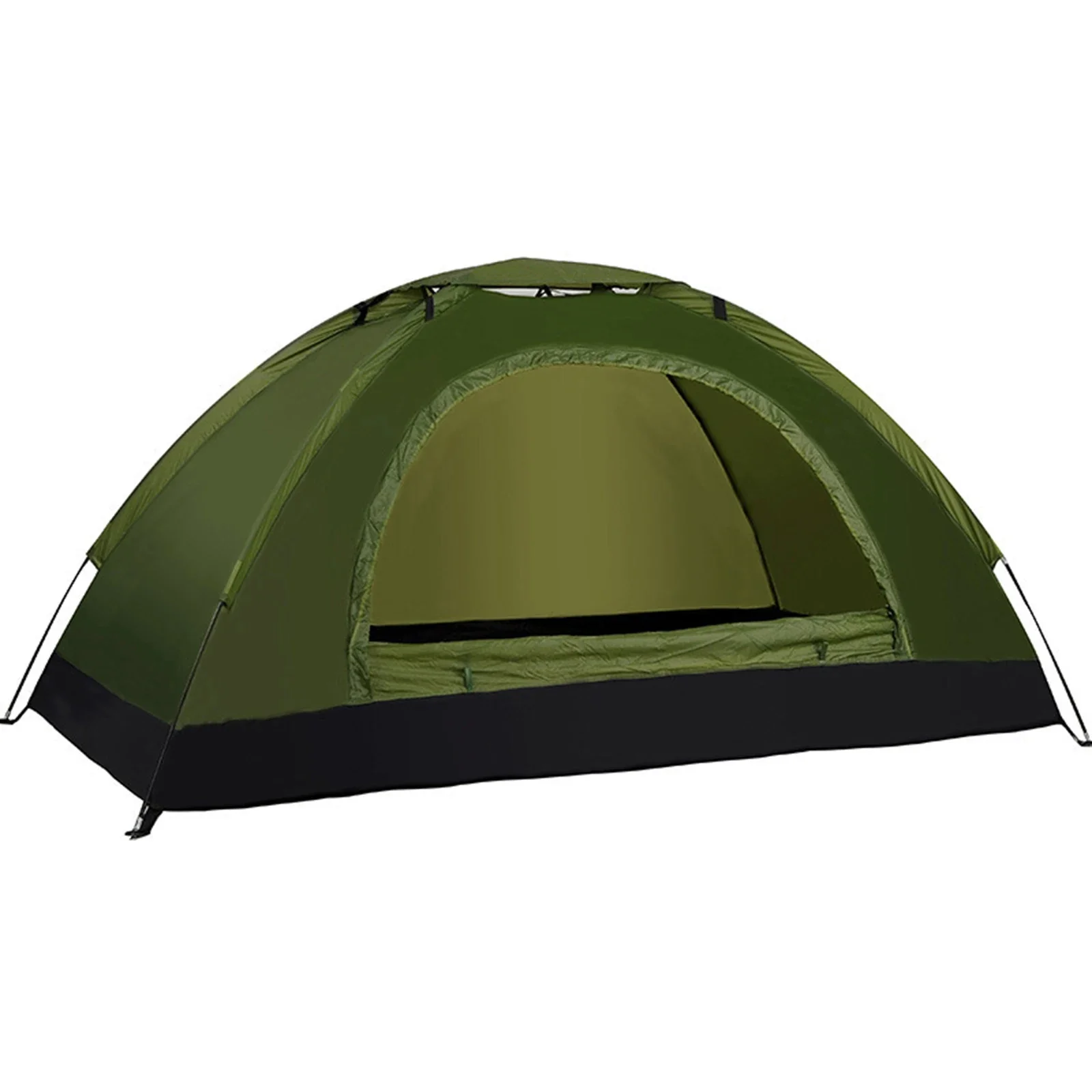
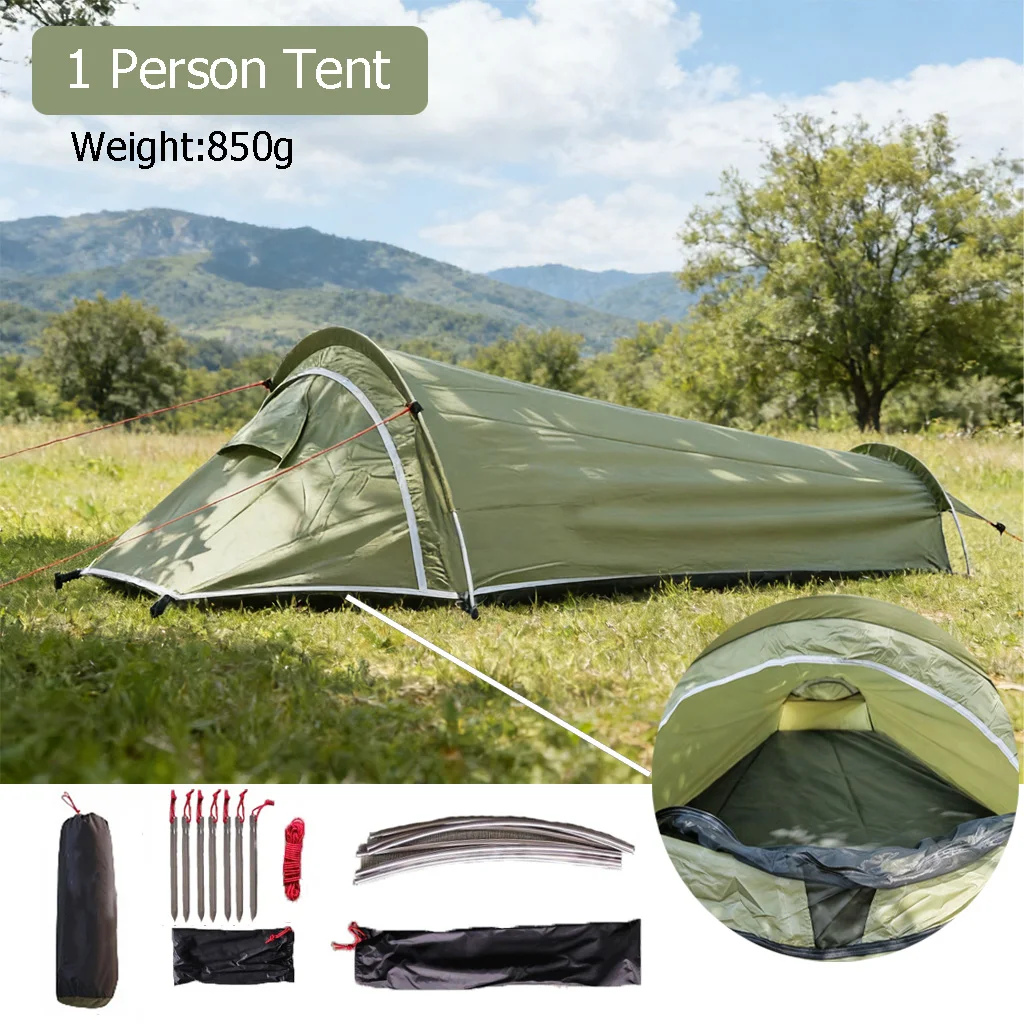
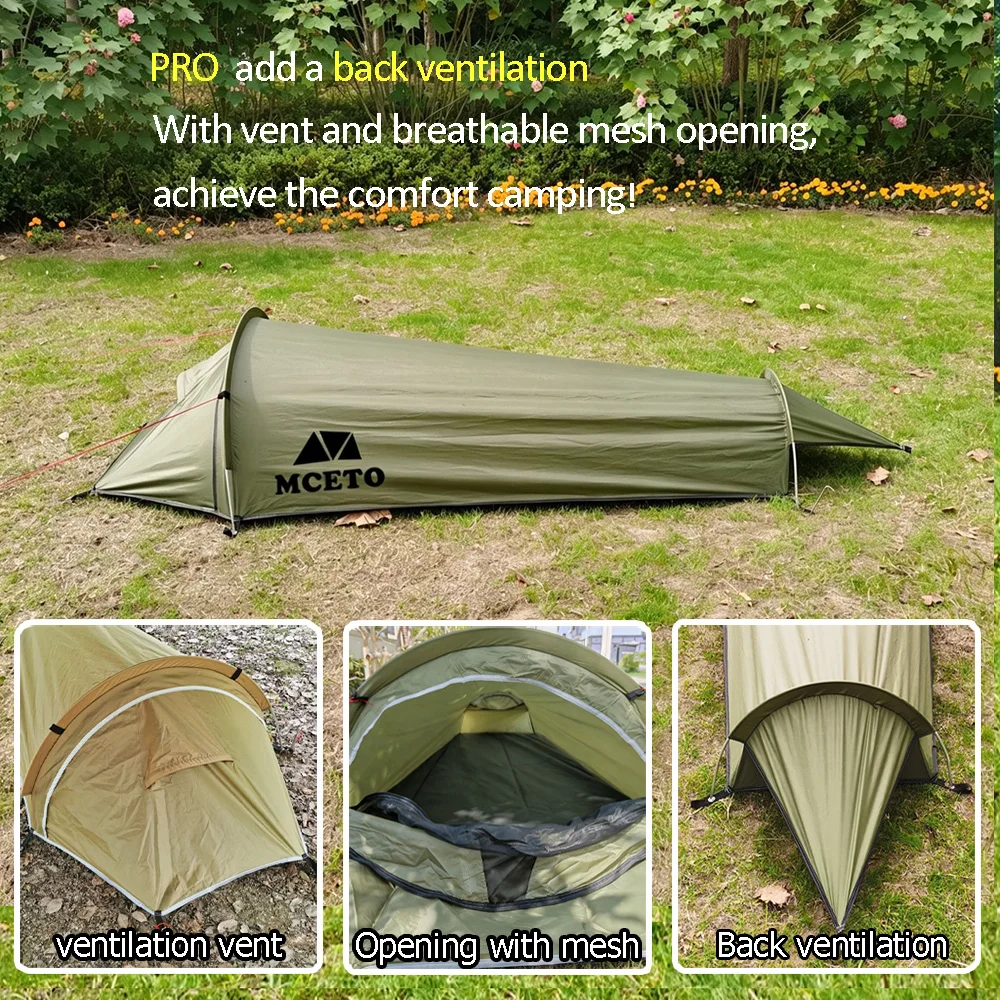
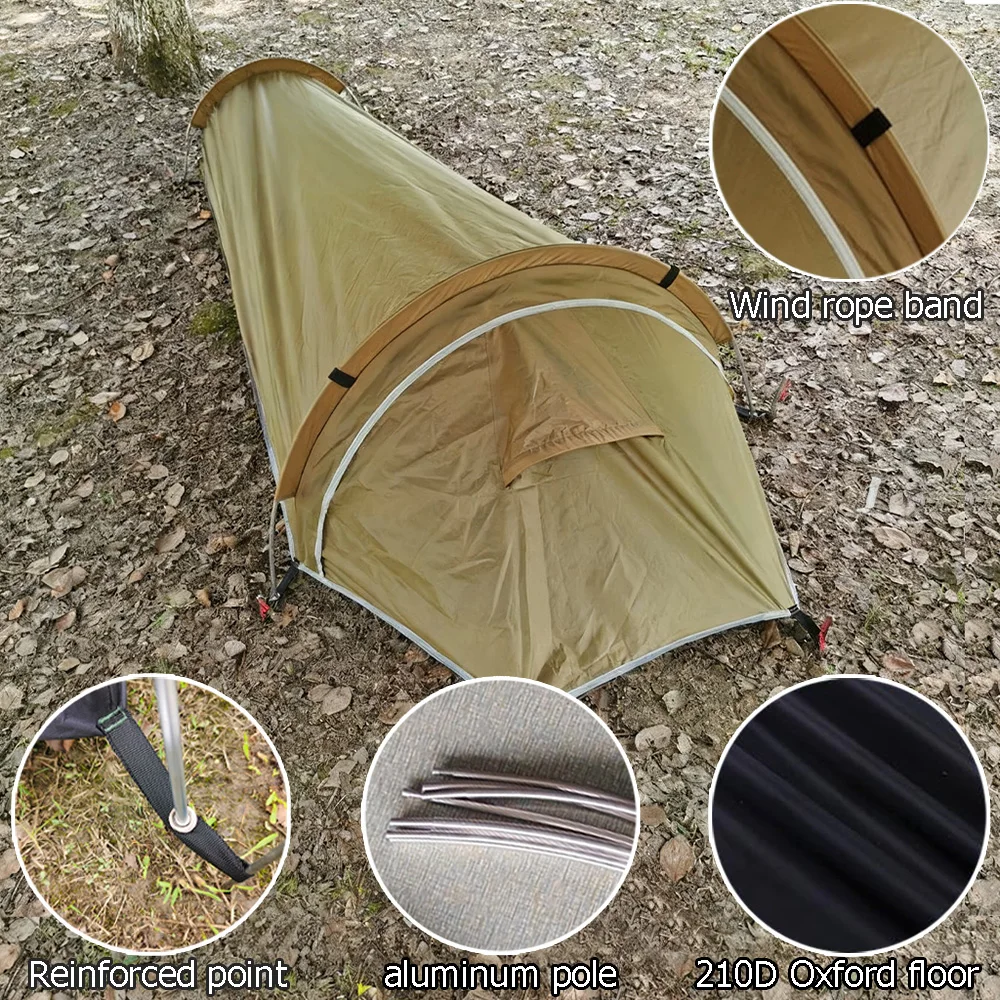
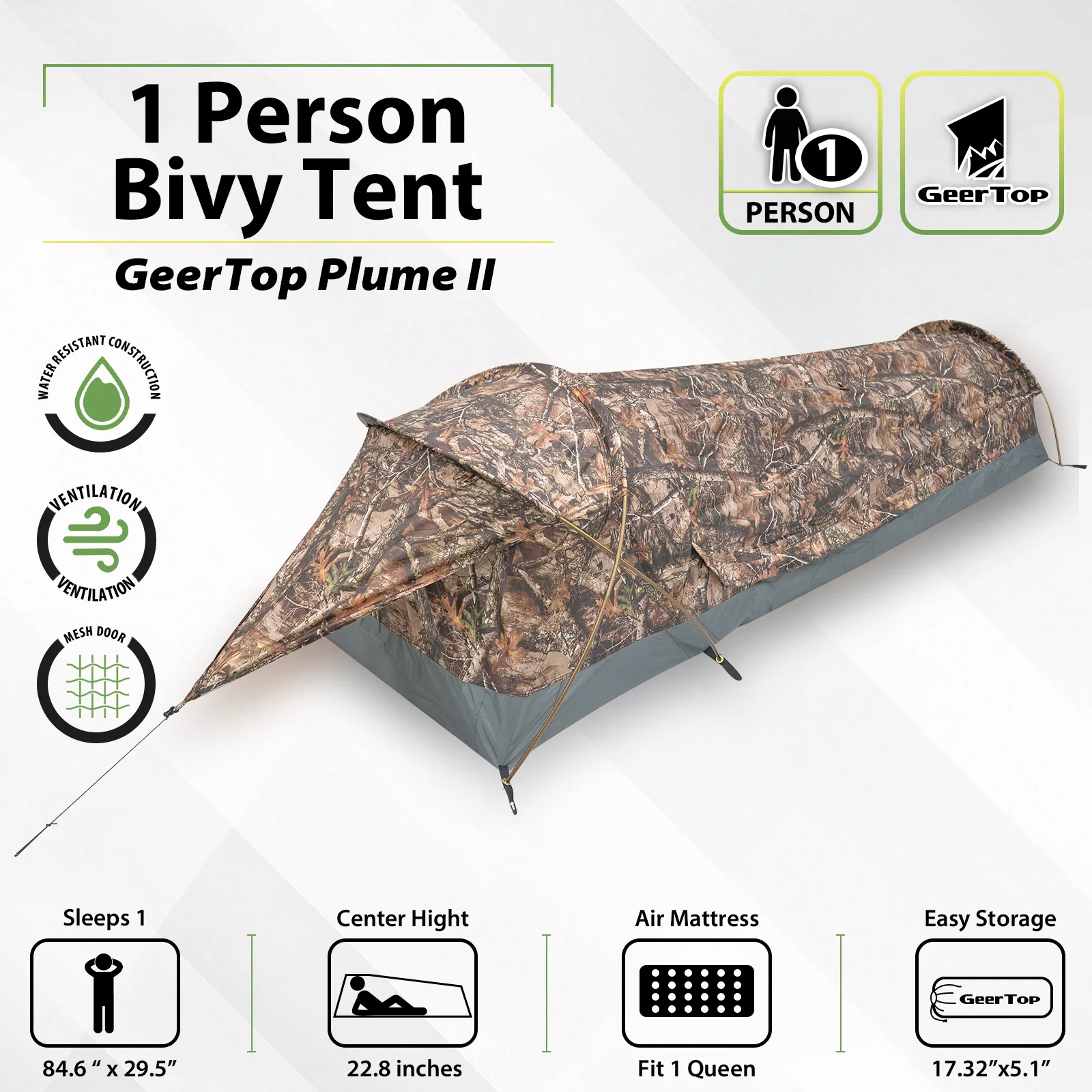
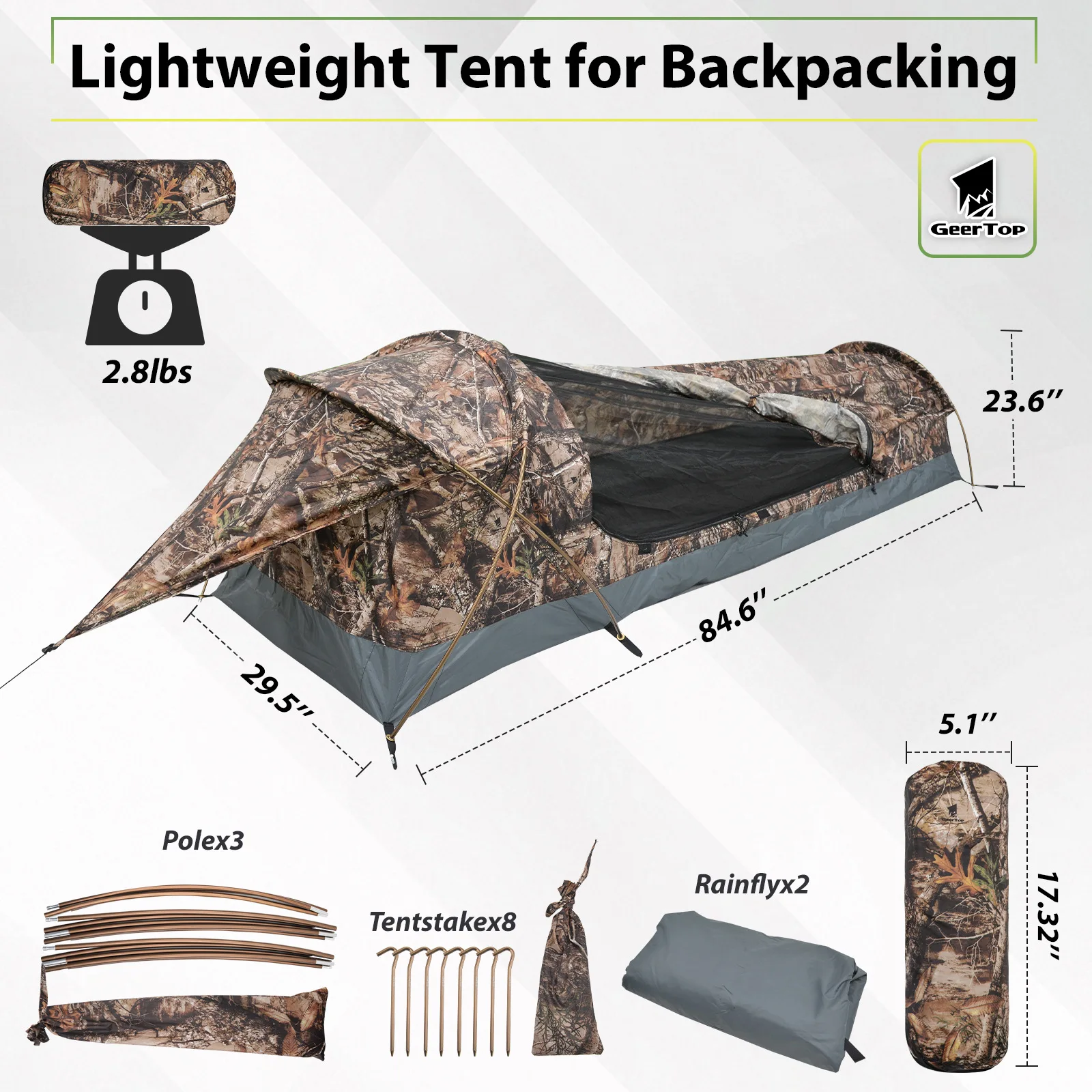
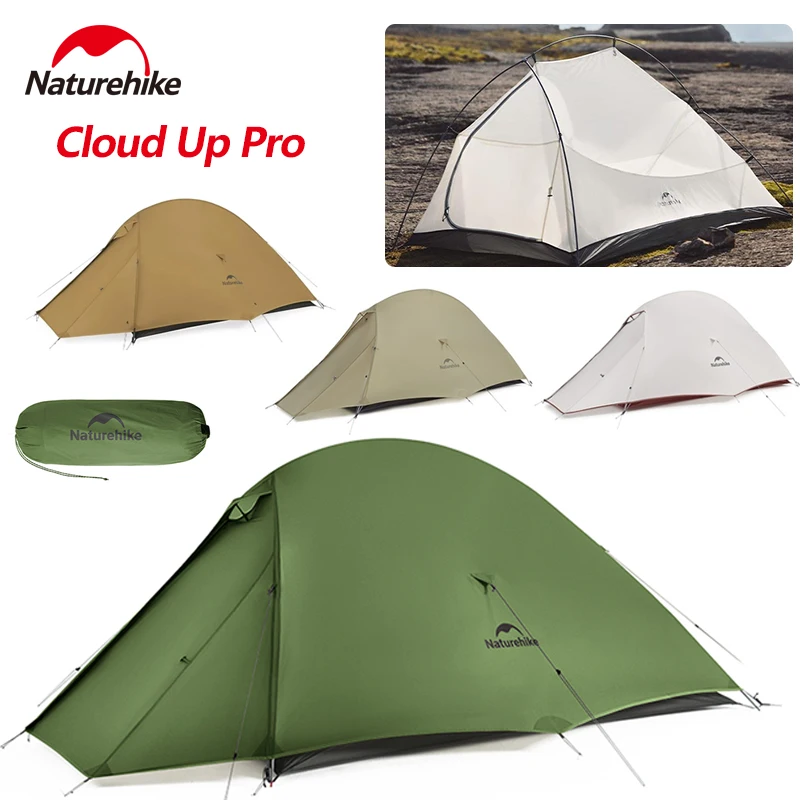
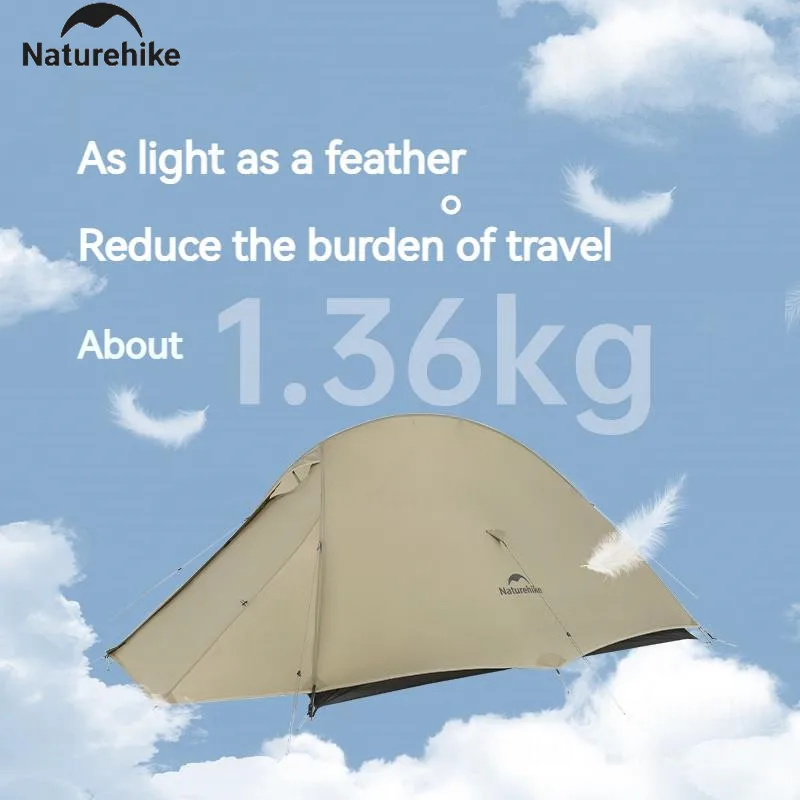
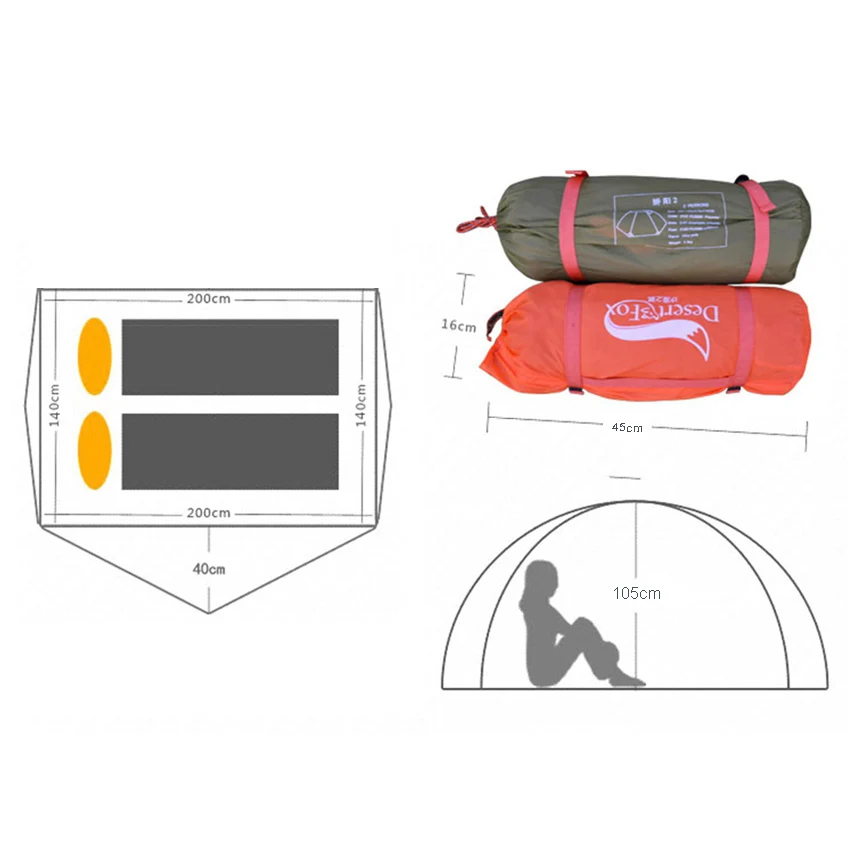
The tent is one of the three heaviest things in most rucksacks, with the sleeping bag and the mat. The lightest tents here weigh under a kilo: the single person tent with a waterproof groundsheet is about 690g. Many two-person tents come in under 2kg, such as the Mongar UL at about 1.67kg packed, and it packs to 15 by 41cm. Check whether a weight is the "minimum", which leaves out pegs and bag, or the packed weight.
Fabric and what the D means
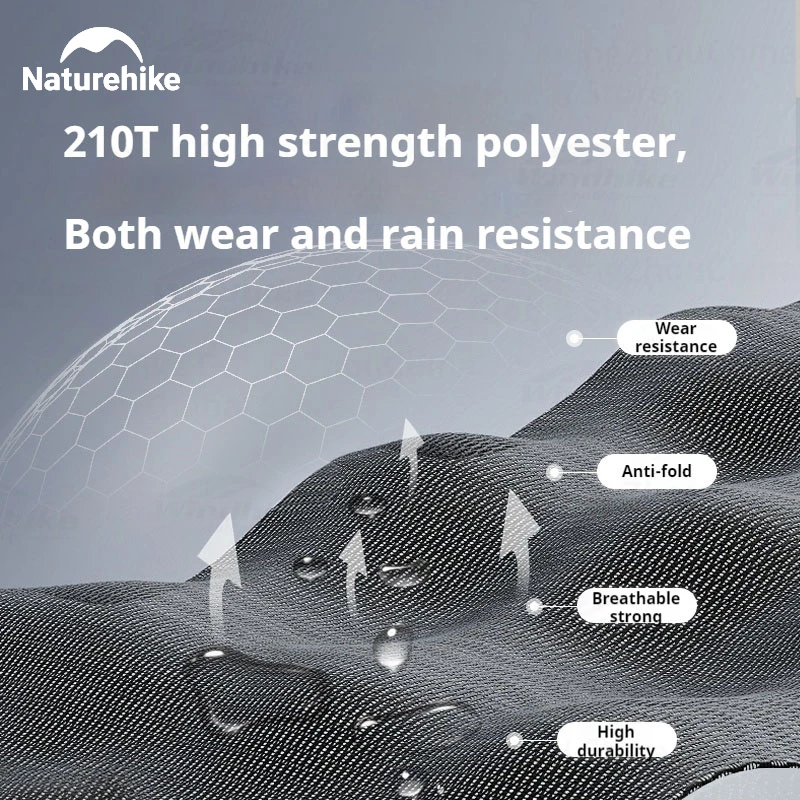
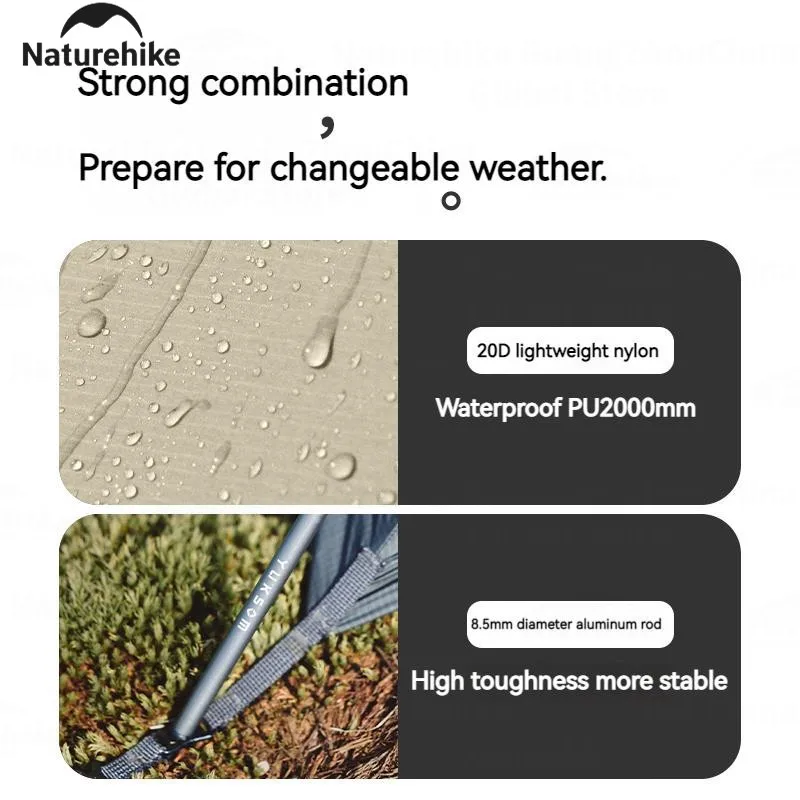
Most of these tents are nylon or polyester marked 10D, 15D or 20D. The D is denier, the thickness of the yarn: a lower number is lighter, a higher one tougher. A silicone coating, called silnylon, sheds water and saves weight.
What the waterproof rating means on a backpacking tent
The rating in millimetres, the hydrostatic head, is the height of a column of water the fabric holds back before it leaks, tested to BS EN ISO 811. About 1,000mm is the lowest rating usually called waterproof, most lightweight flysheets are 1,500mm to 3,000mm, and more is worth having for long wet trips or a backpacking tent left up for days. The groundsheet is often rated higher, because you kneel and lie on it. Taped seams matter as much as the number. Shop by rating: to 2,000mm, to 3,000mm and 5,000mm and over.
Questions people ask about backpacking tents
Which backpacking tents are for winter?
A 4-season tent: stronger poles, and a snow skirt round the bottom of the flysheet to stop wind and snow blowing underneath. See 4-season tents, and hot tents with a stove jack for tents that take a stove. Never take a barbecue or a stove without a flue into a tent: carbon monoxide kills. With a hot tent, use its own kind of stove and a carbon monoxide alarm.
Is a 1-person or 2-person tent better for backpacking alone?
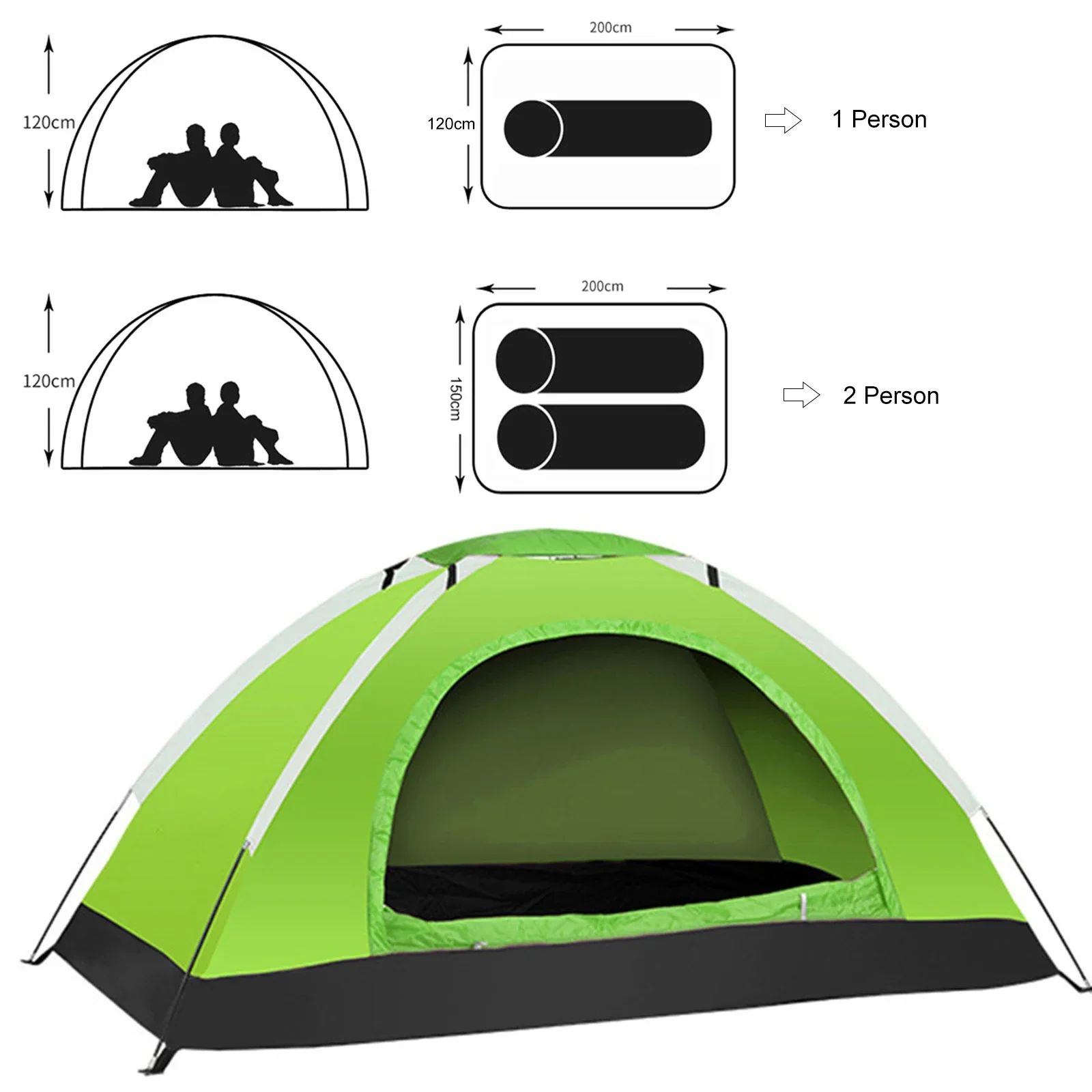
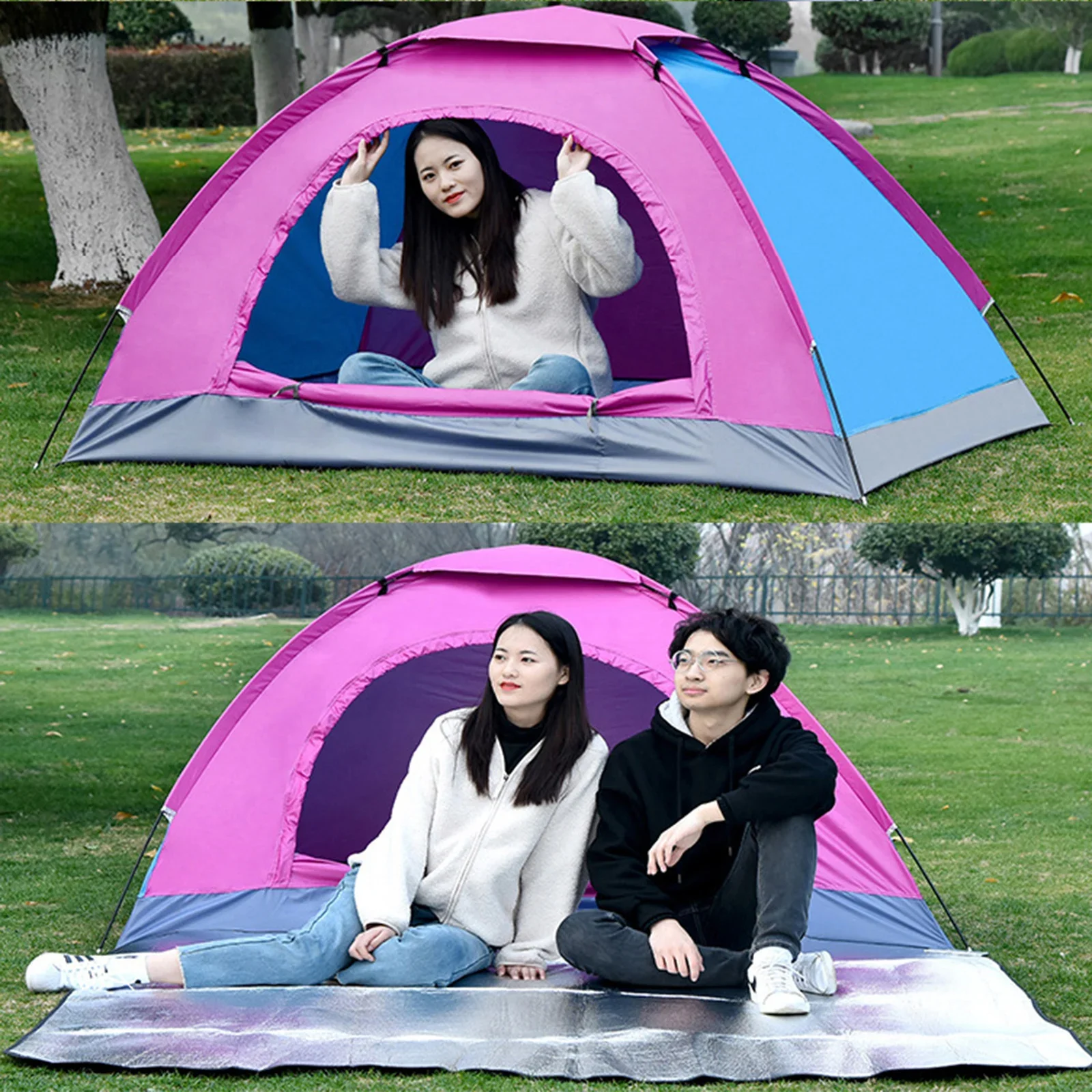
A 1-person tent is lighter. A 2-person tent weighs a little more and gives room for your rucksack inside on a wet night. See 1-man and 2-man tents.
How long does delivery take?
Delivery is included in every price and tracked to your door. Each product page says when that tent usually arrives, so check it before ordering for a set date.
More to look at