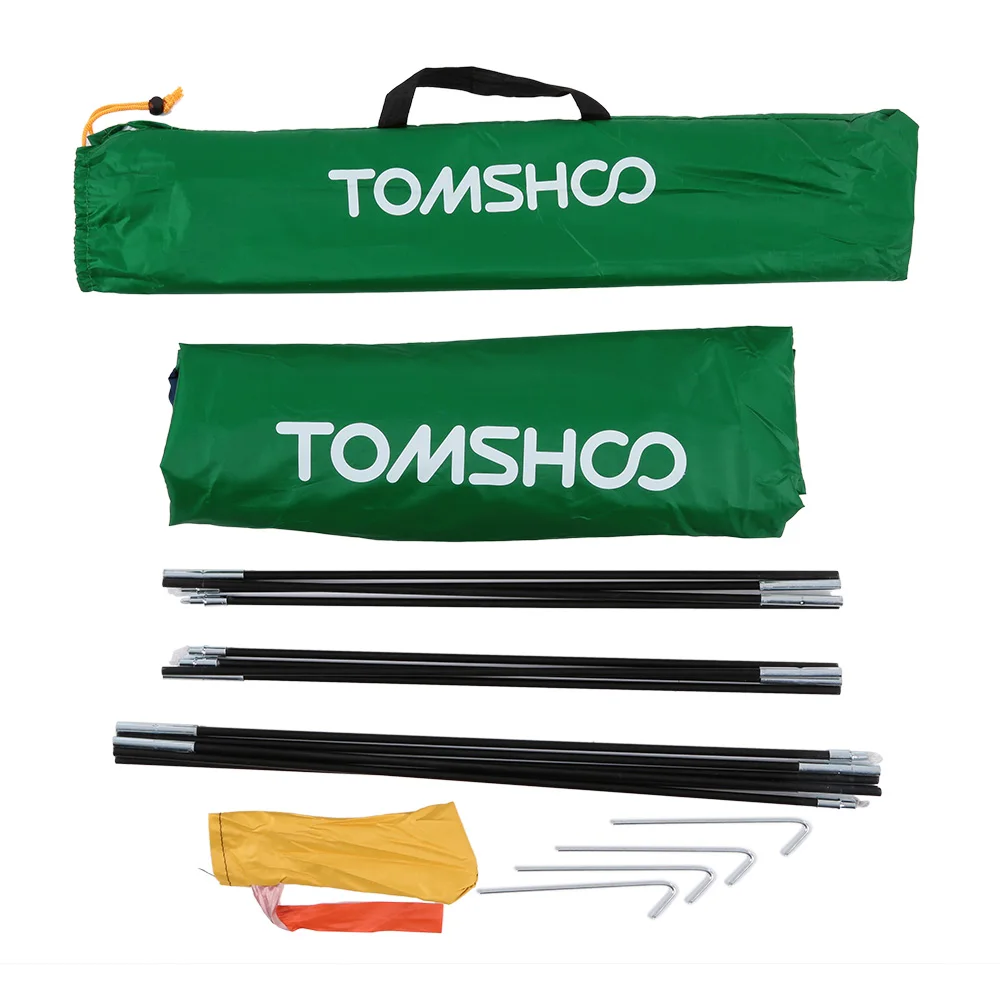
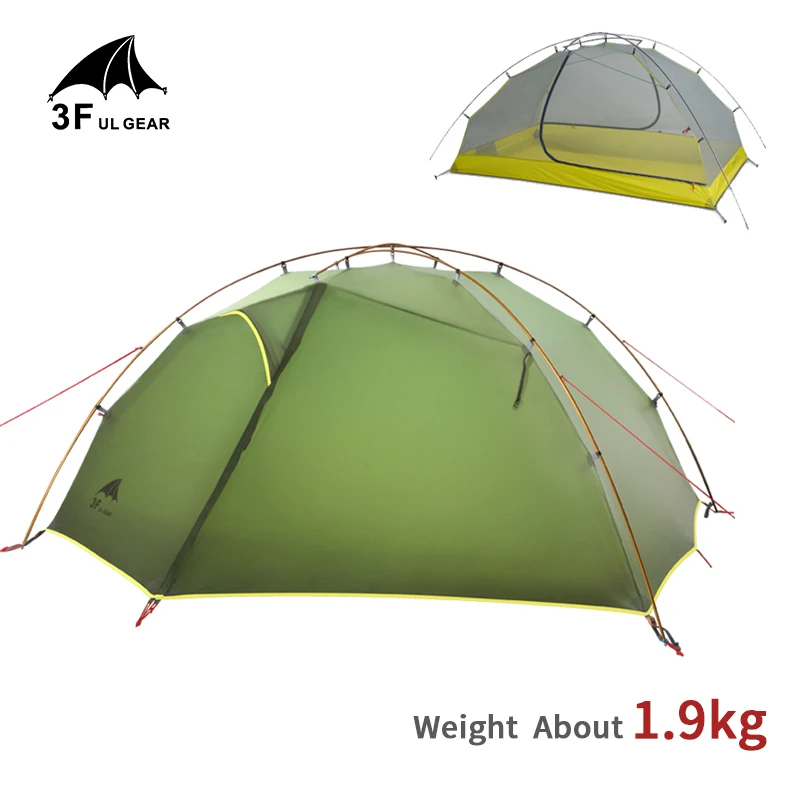
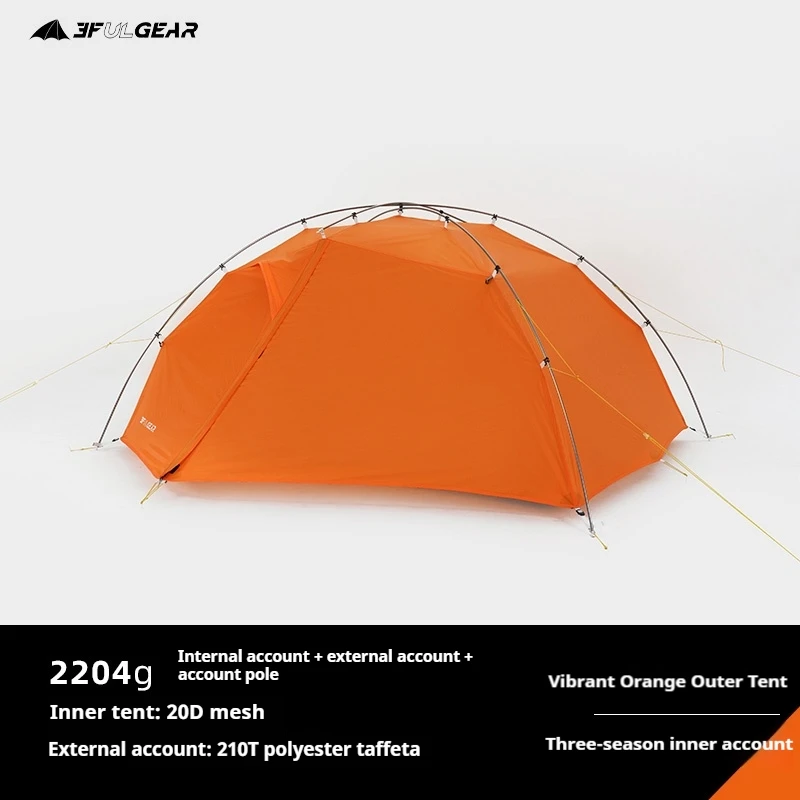
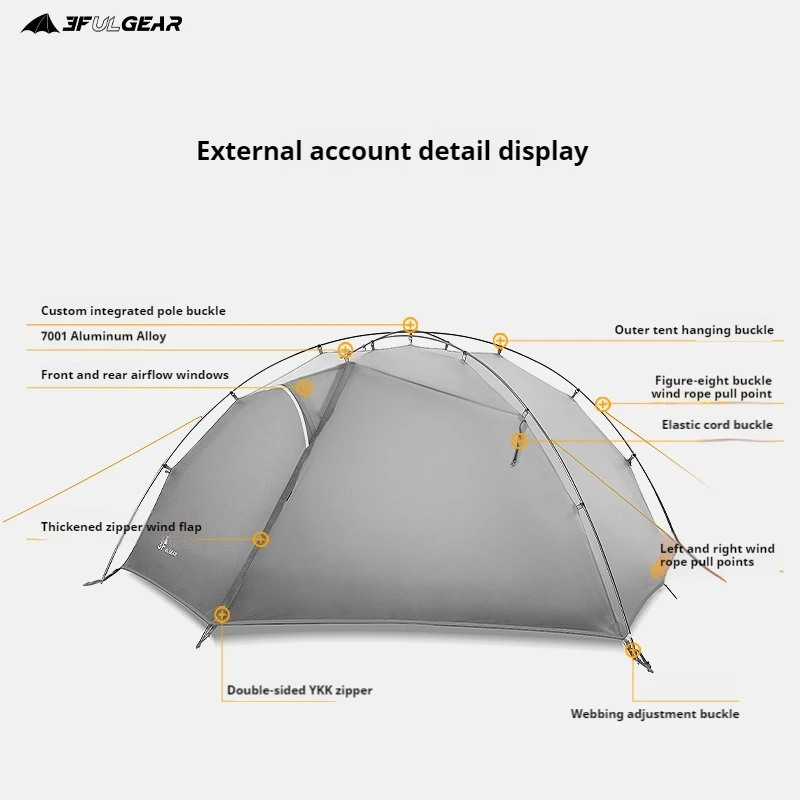
What shopping by fabric is for
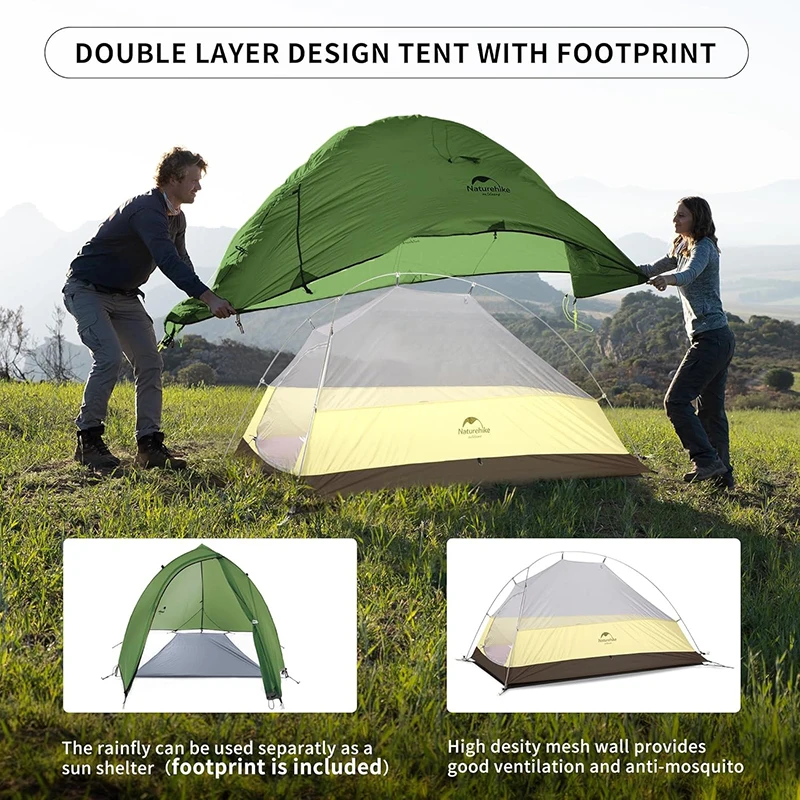
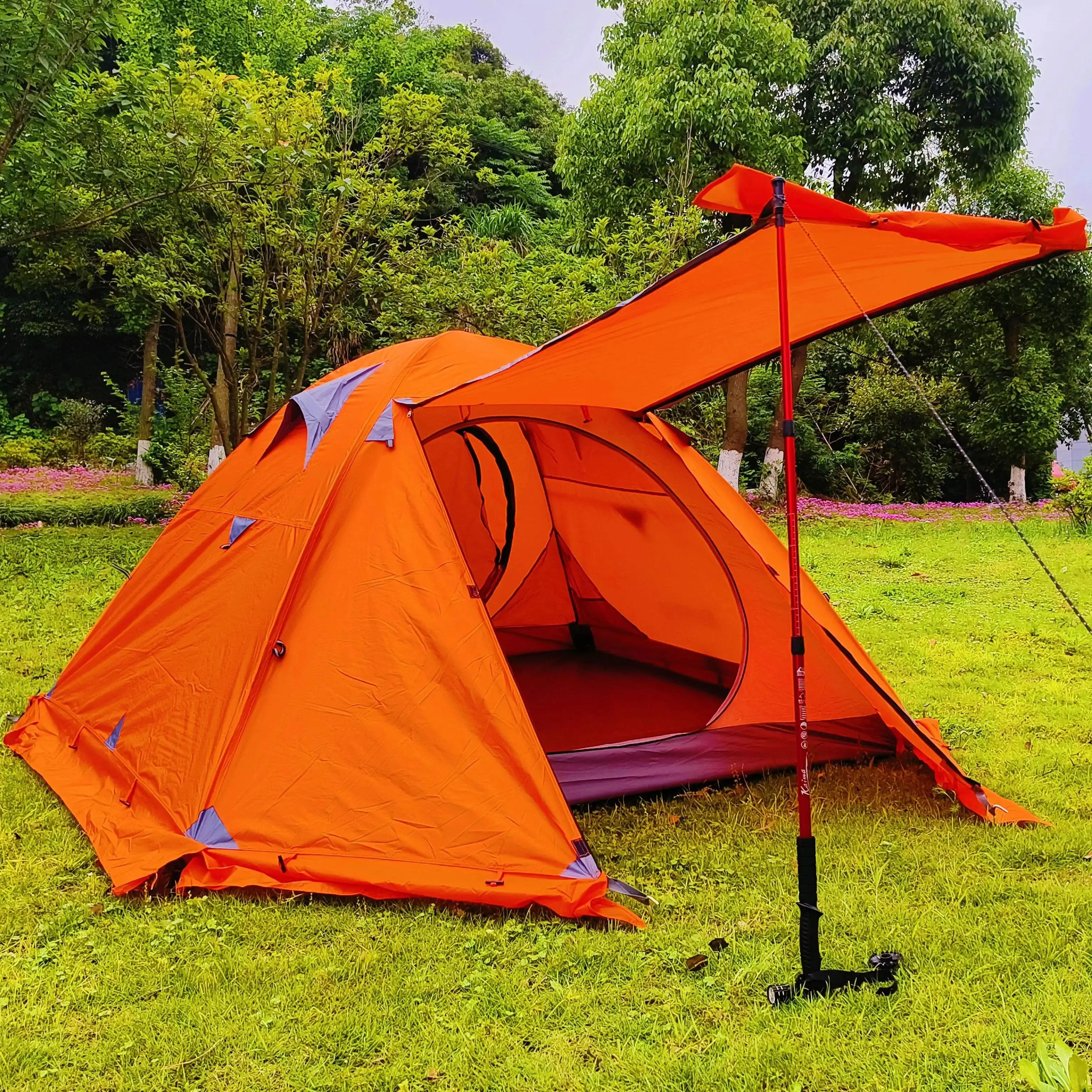
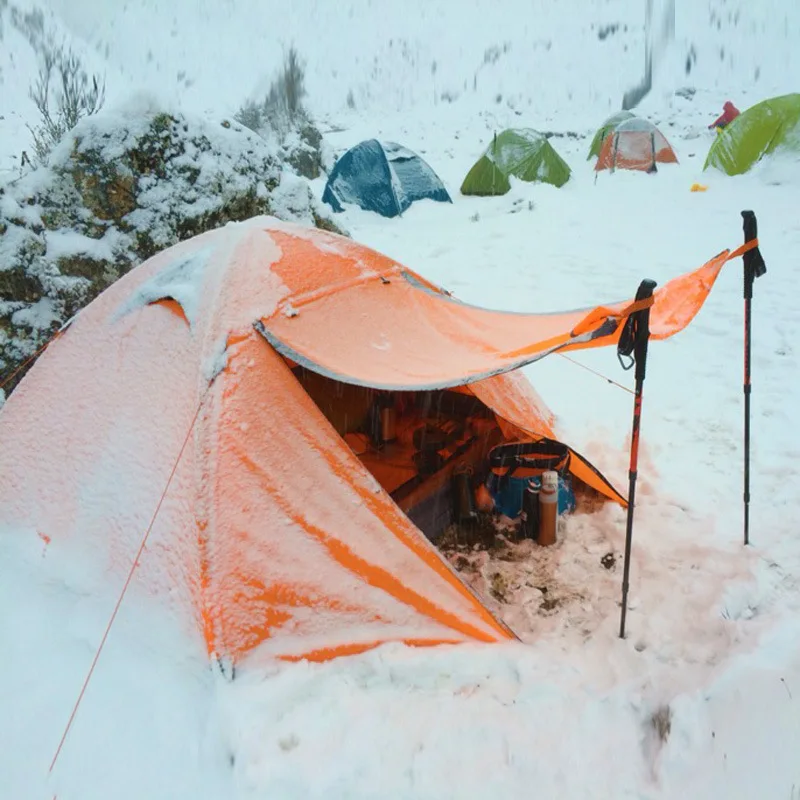
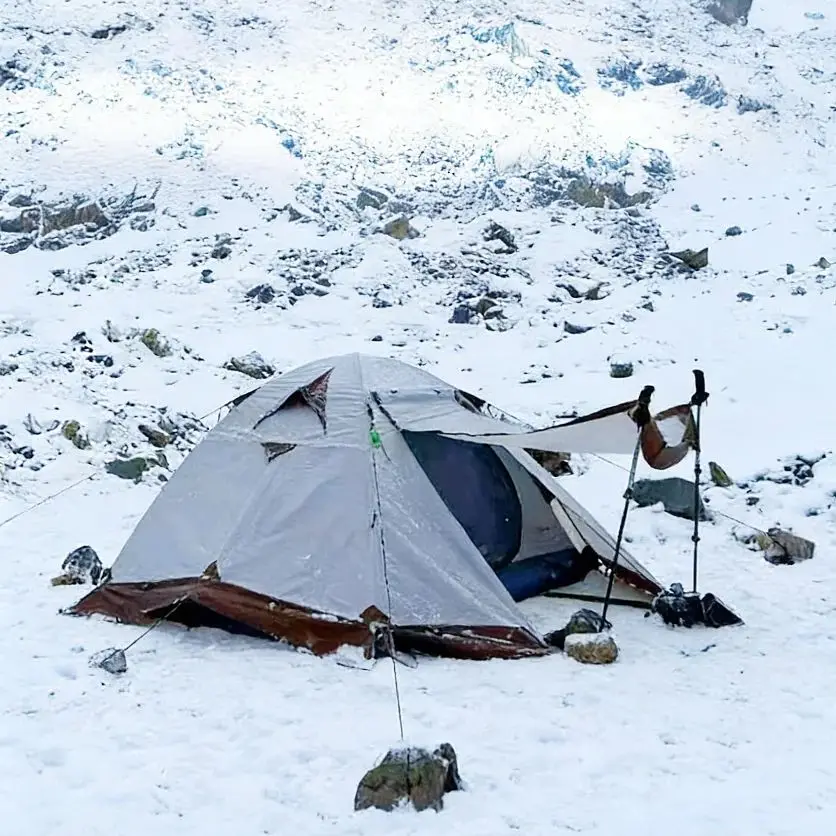
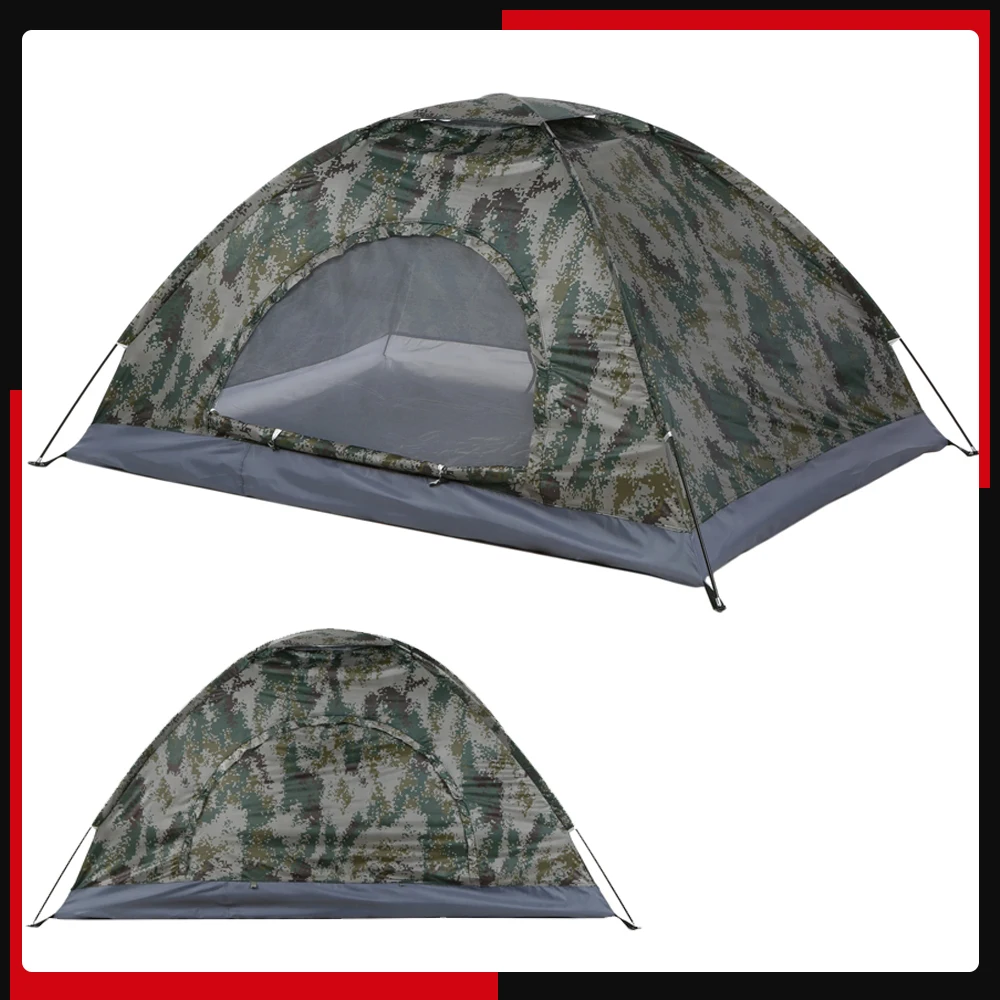
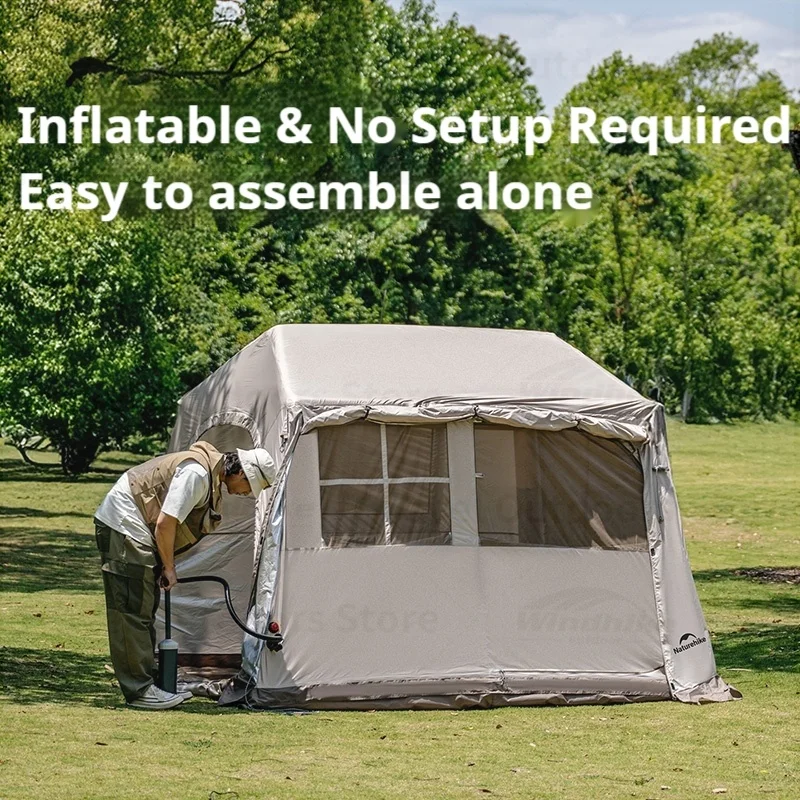
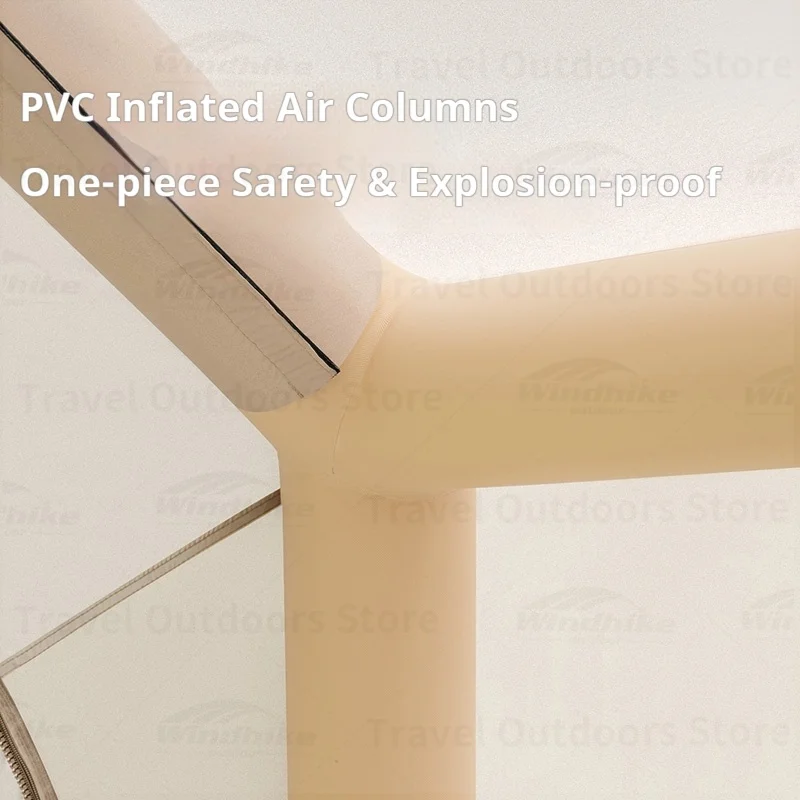
The fabric decides how much a tent weighs, how it copes with rain and sun, and how it feels inside on a warm morning. This group sorts tents by the fabric their makers name in their own descriptions. Most tents use more than one: a nylon flysheet over a polyester floor, or an Oxford groundsheet under a polyester tent, so many appear in two or three of these ranges.
The fabric ranges
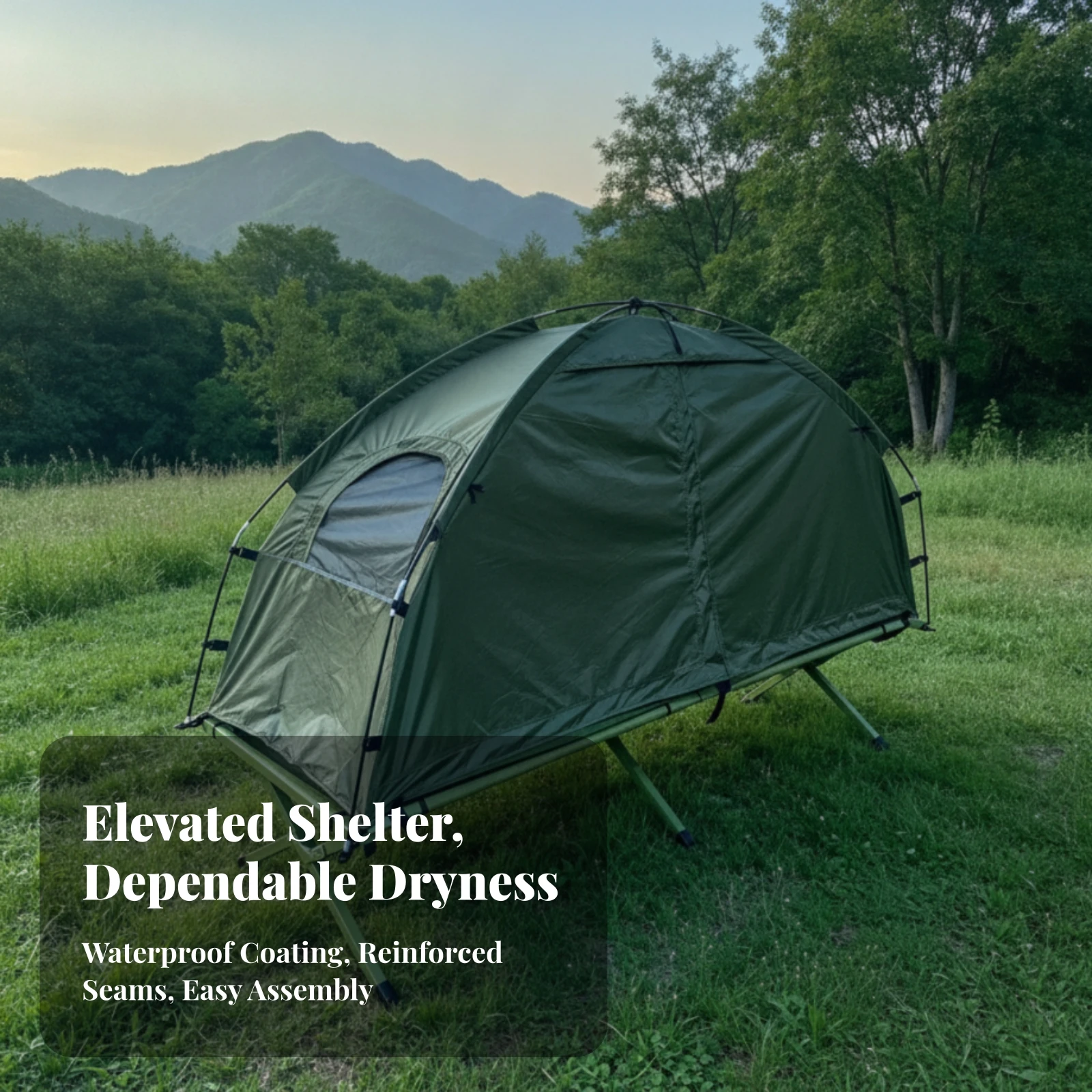
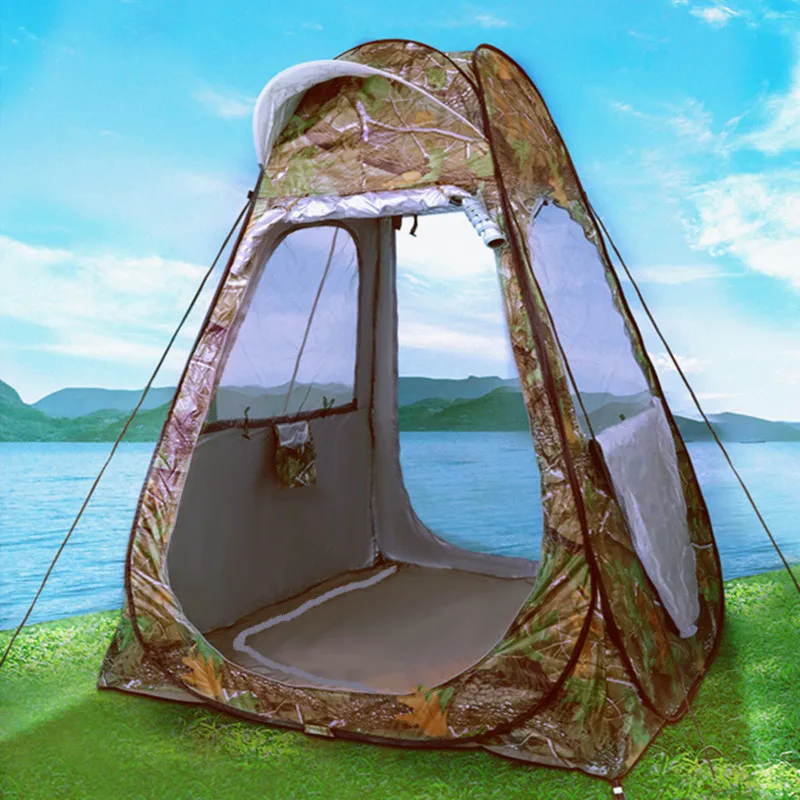
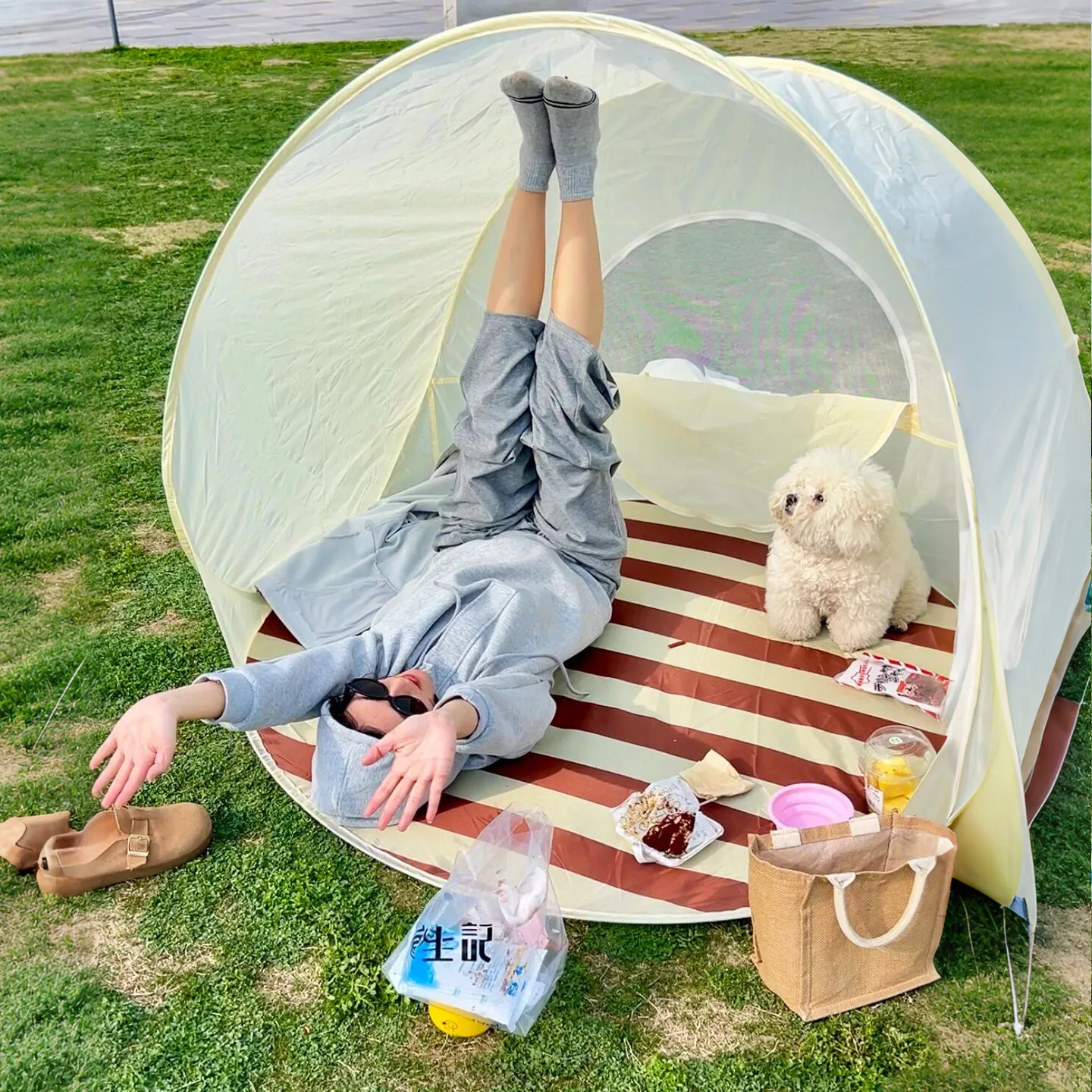
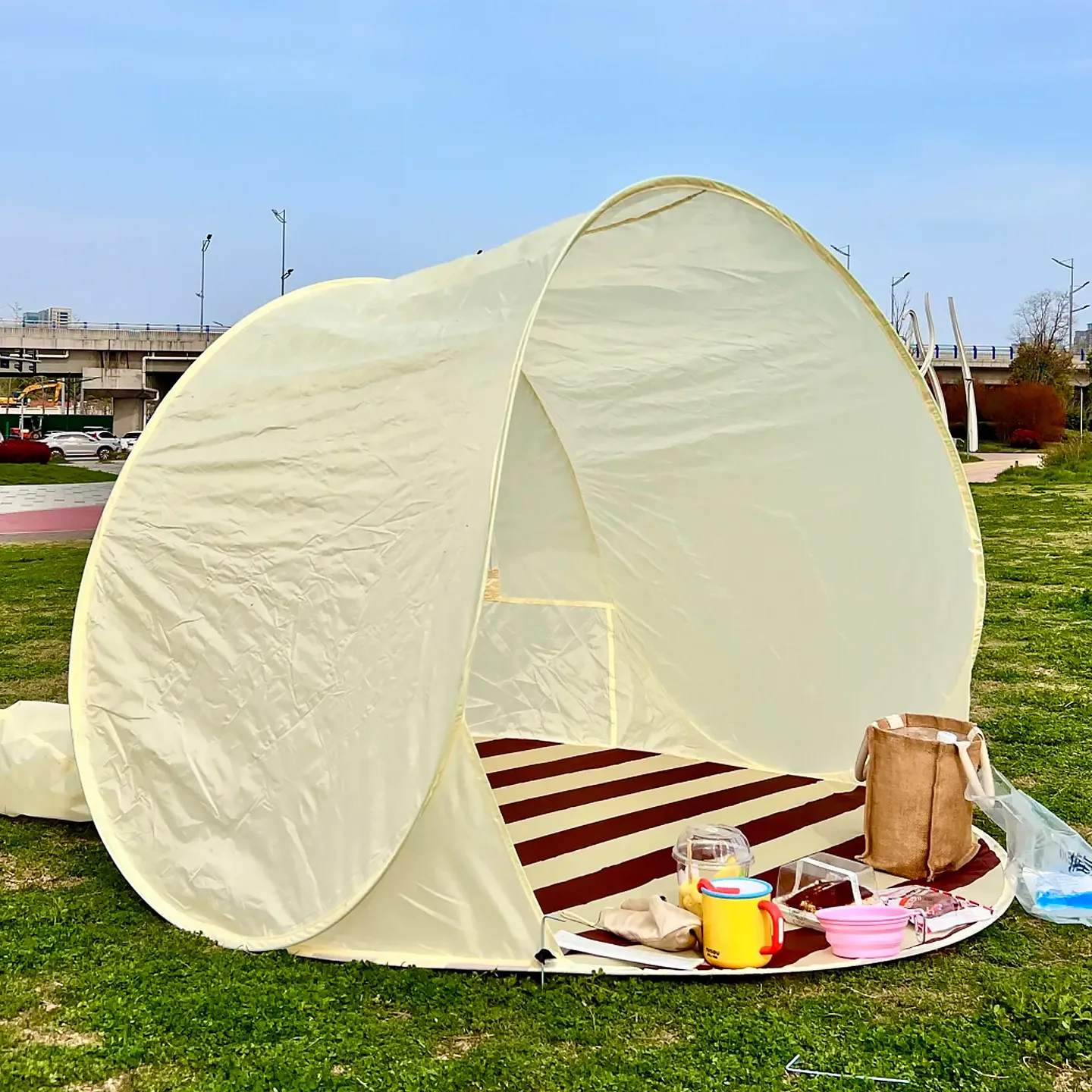
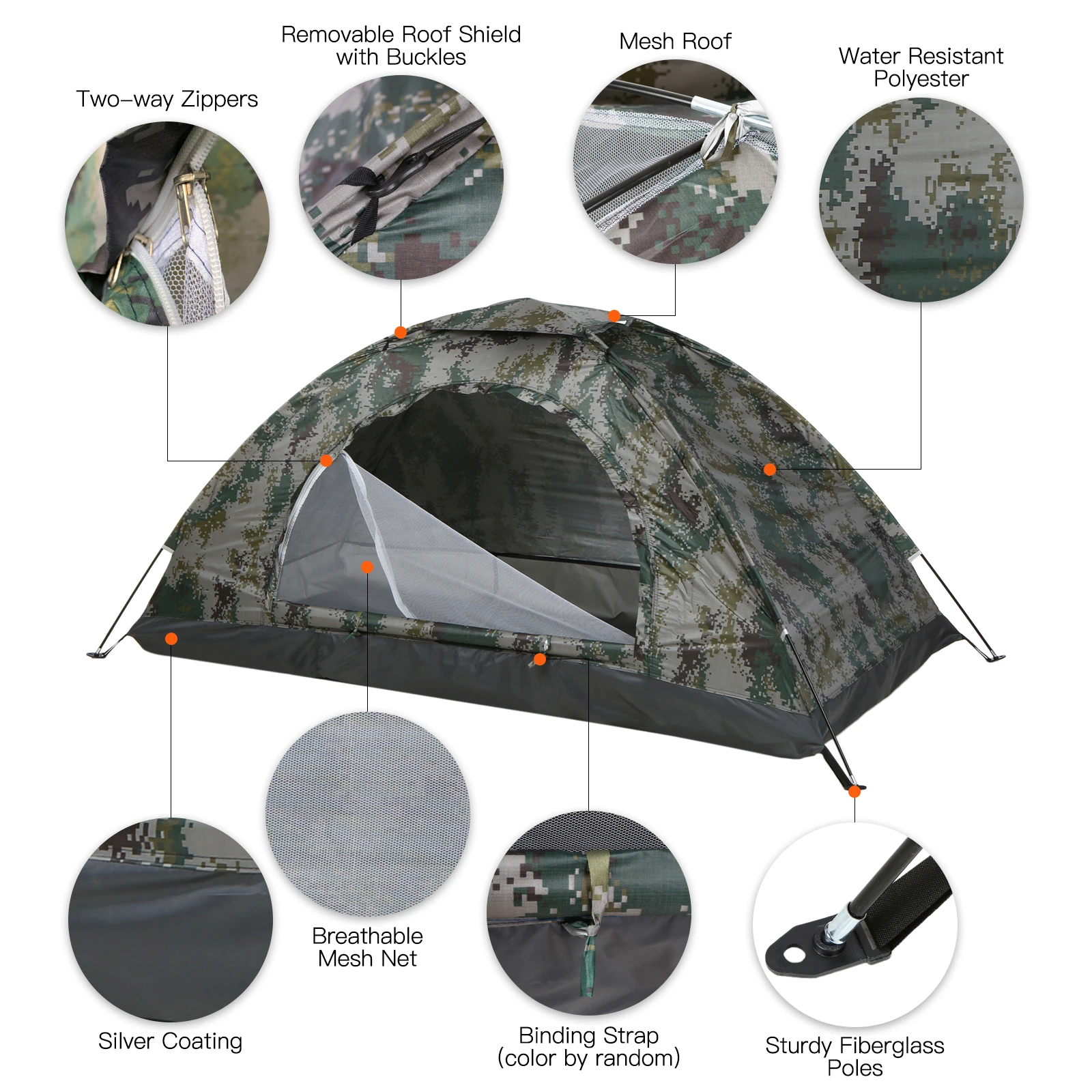
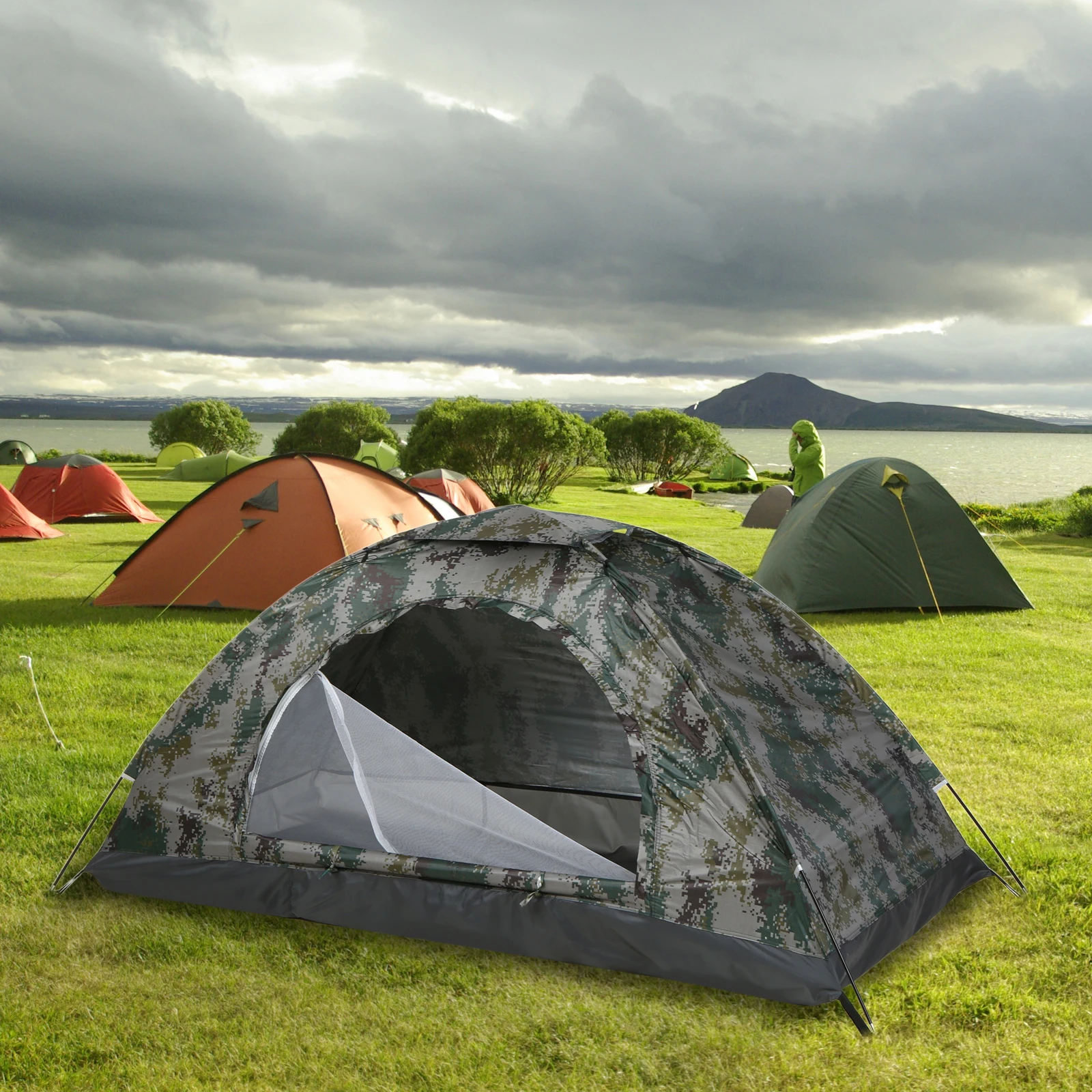
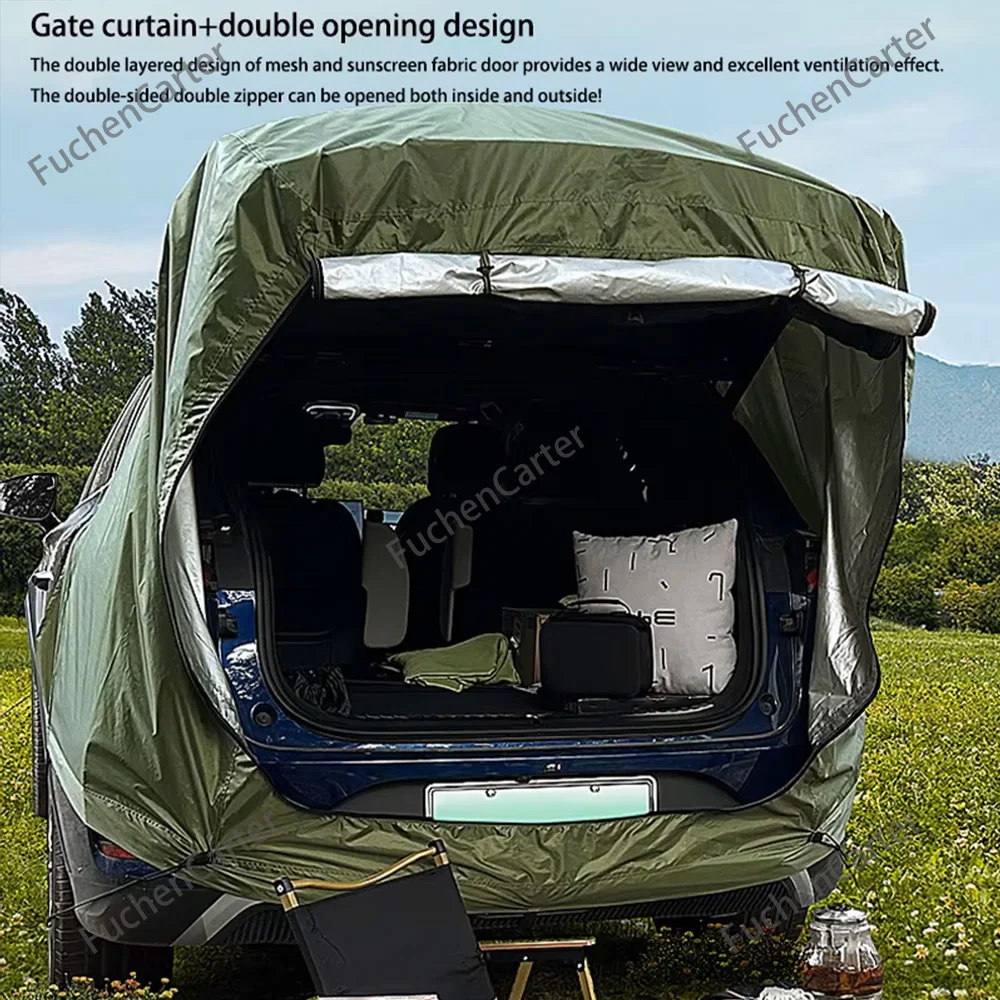
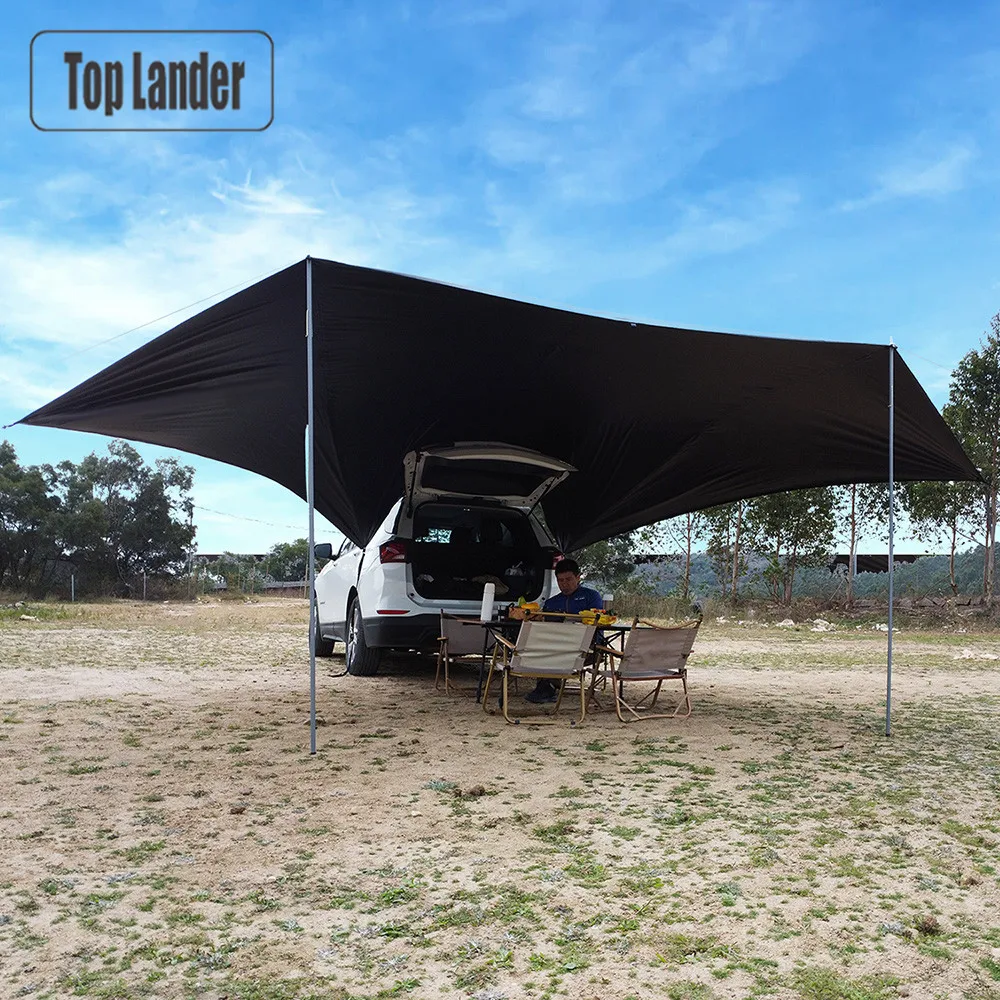
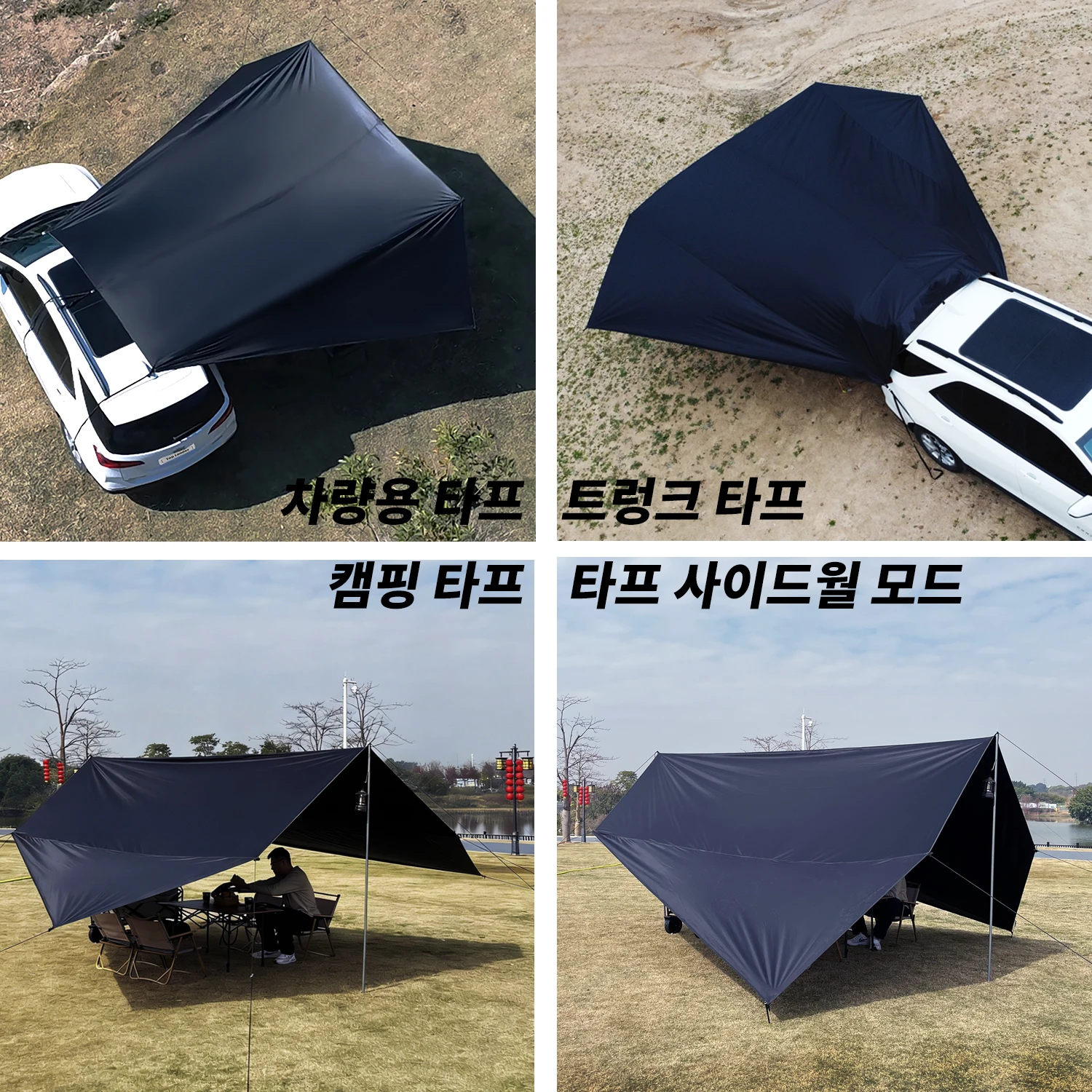
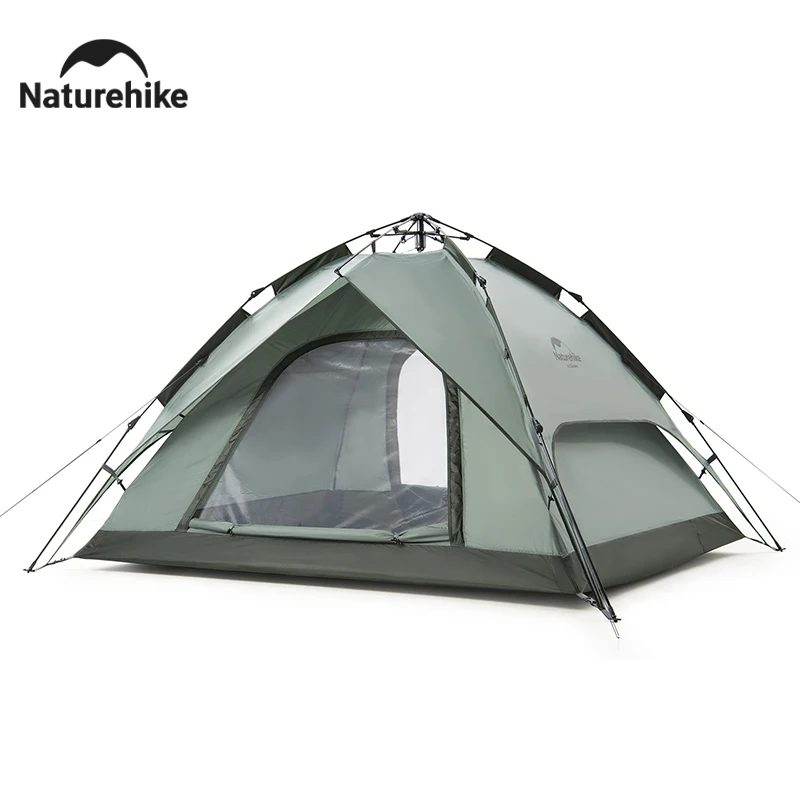
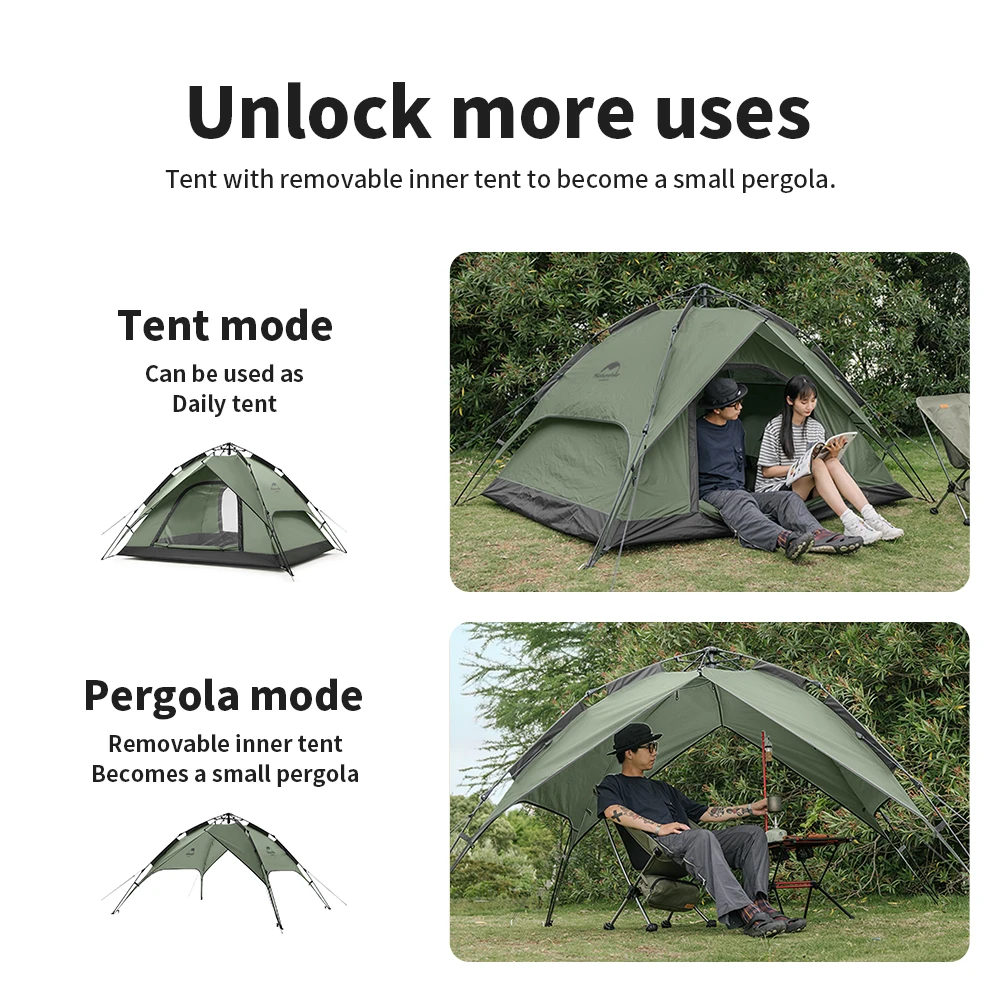
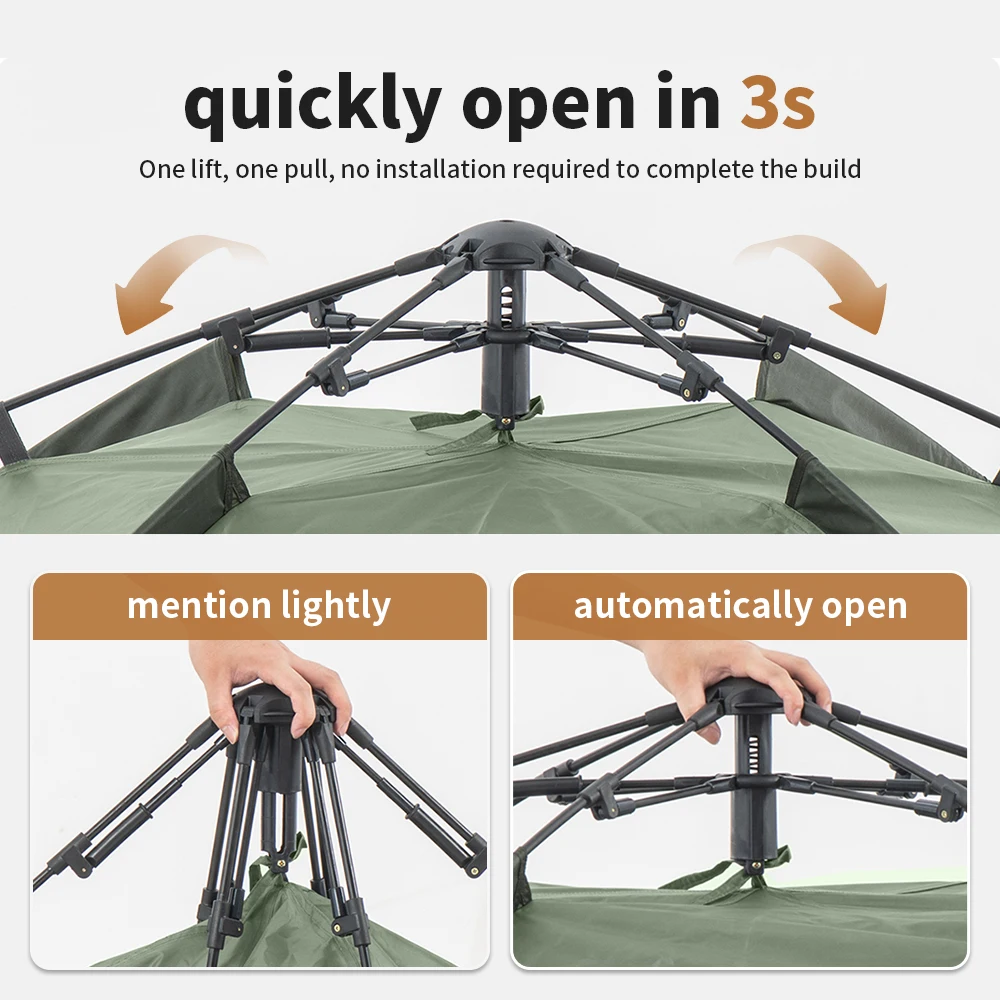
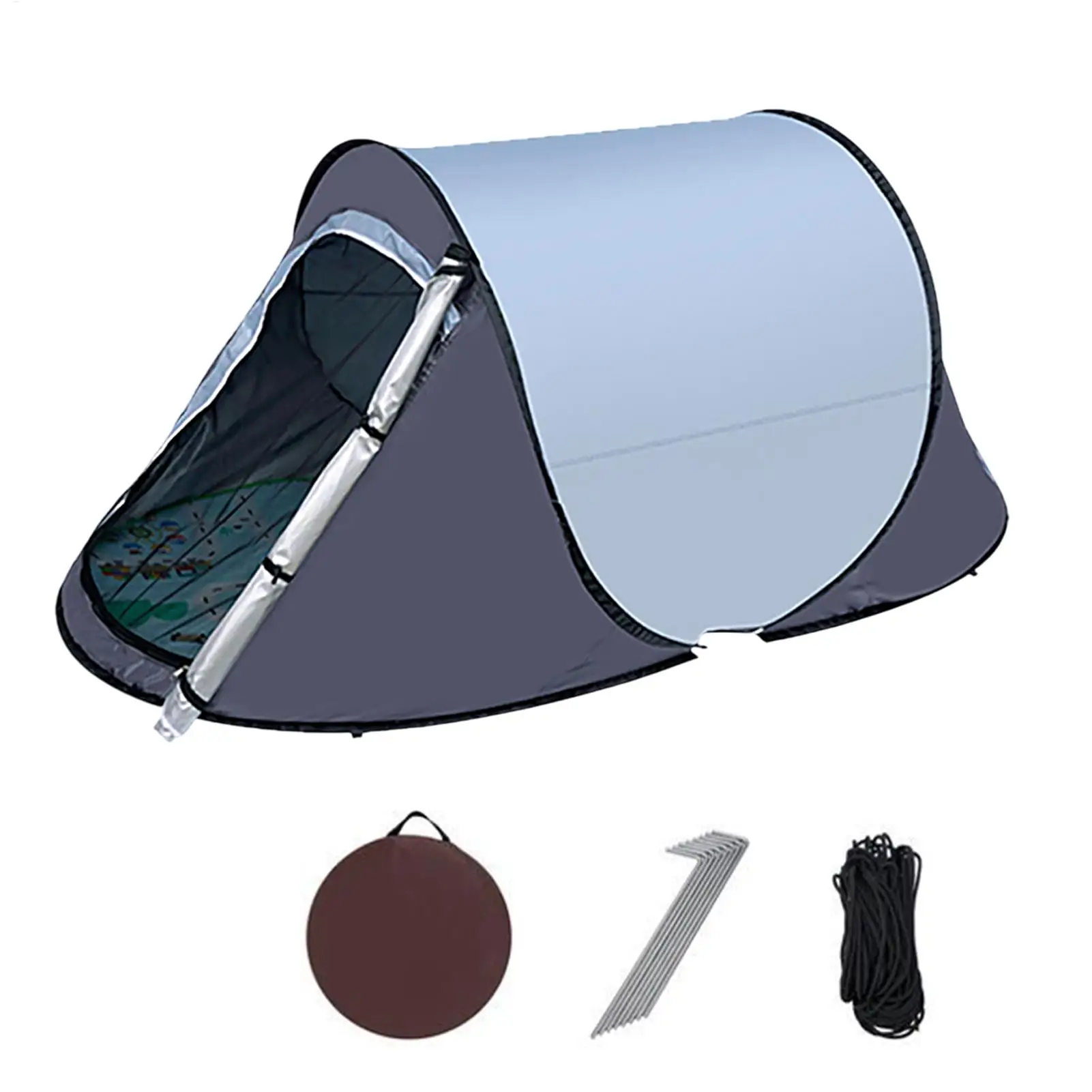
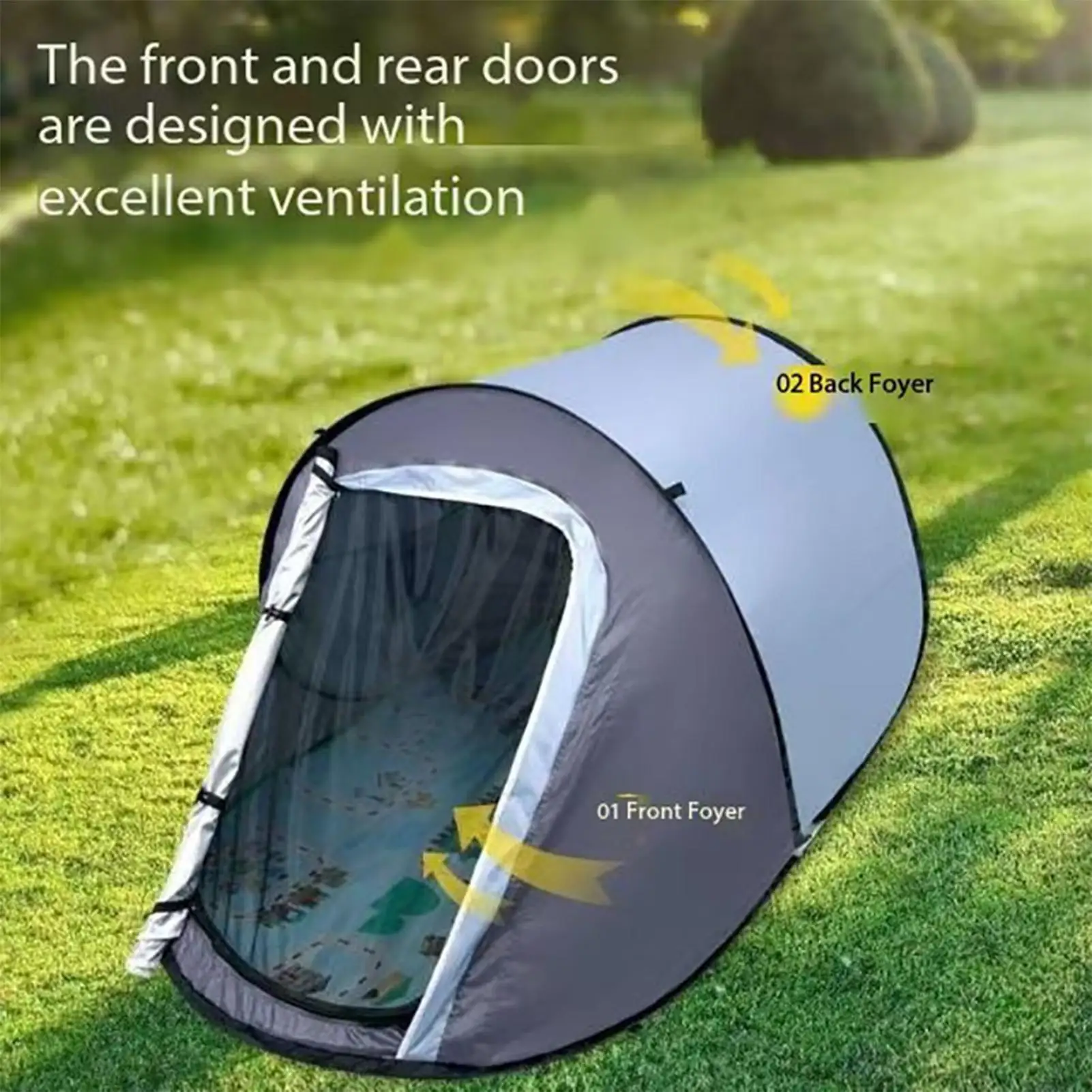
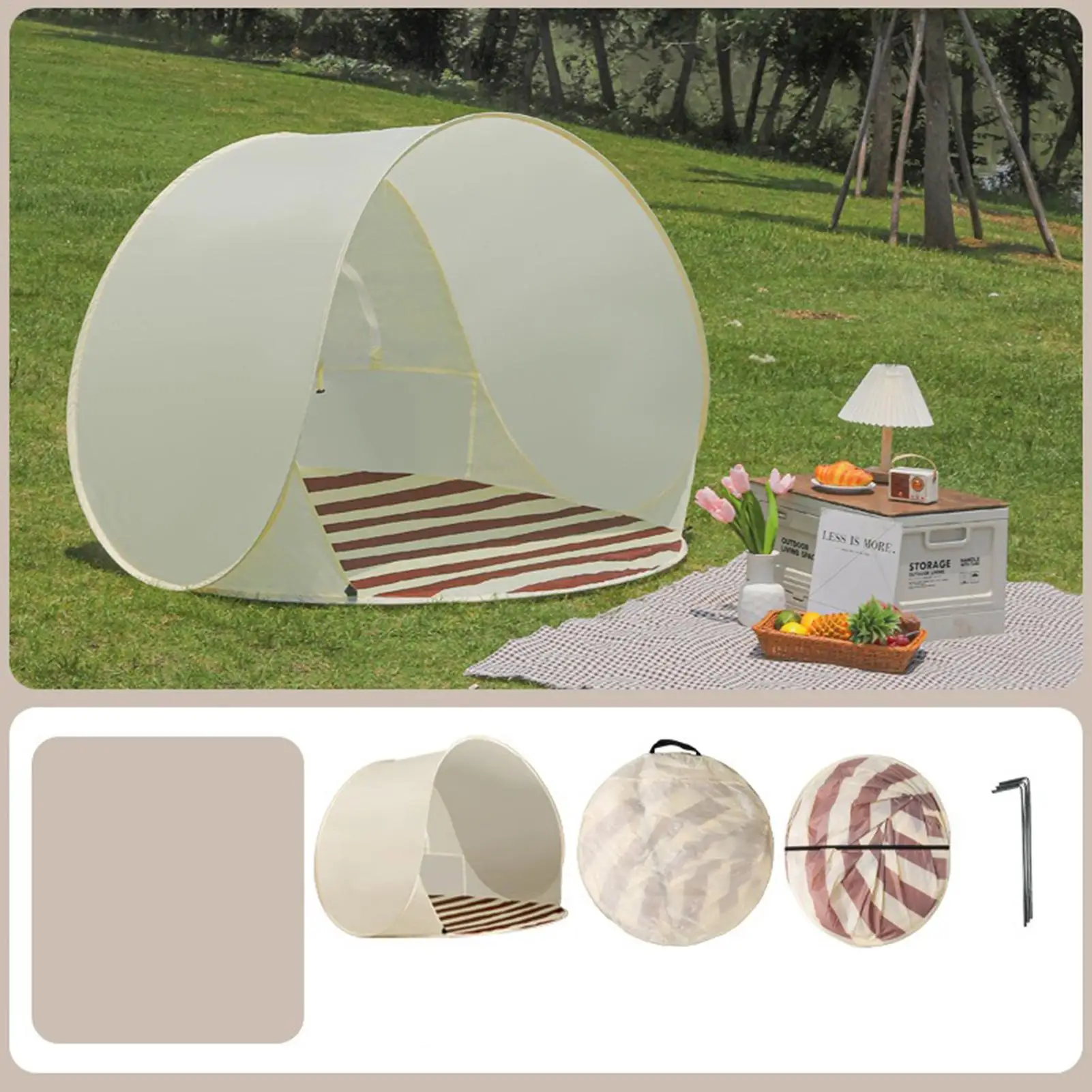
- Polyester tents use the most common tent fabric. Polyester does not stretch when wet and stands up to sunlight well, so it suits family tents, pop-ups and tents left up for days. See polyester tents.
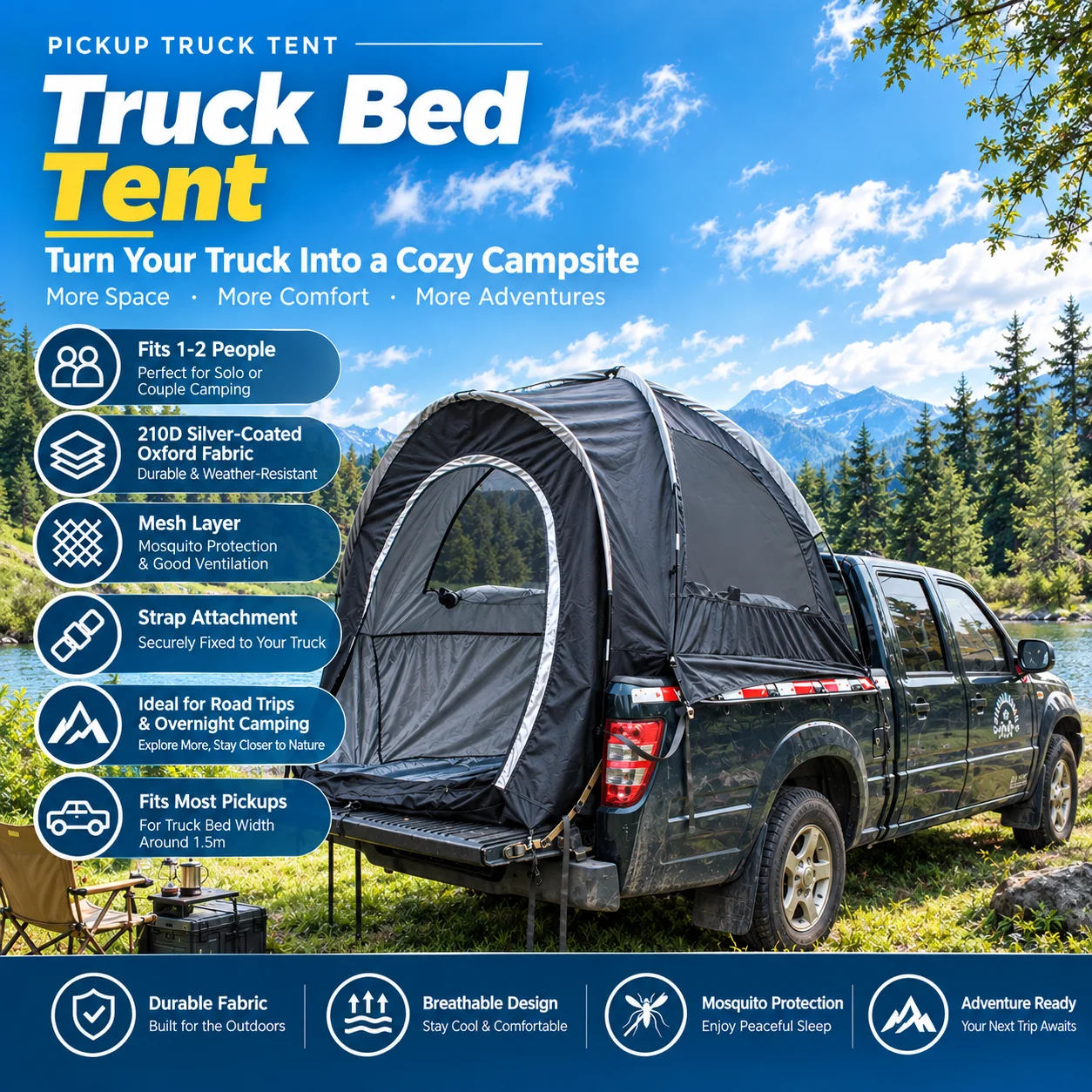
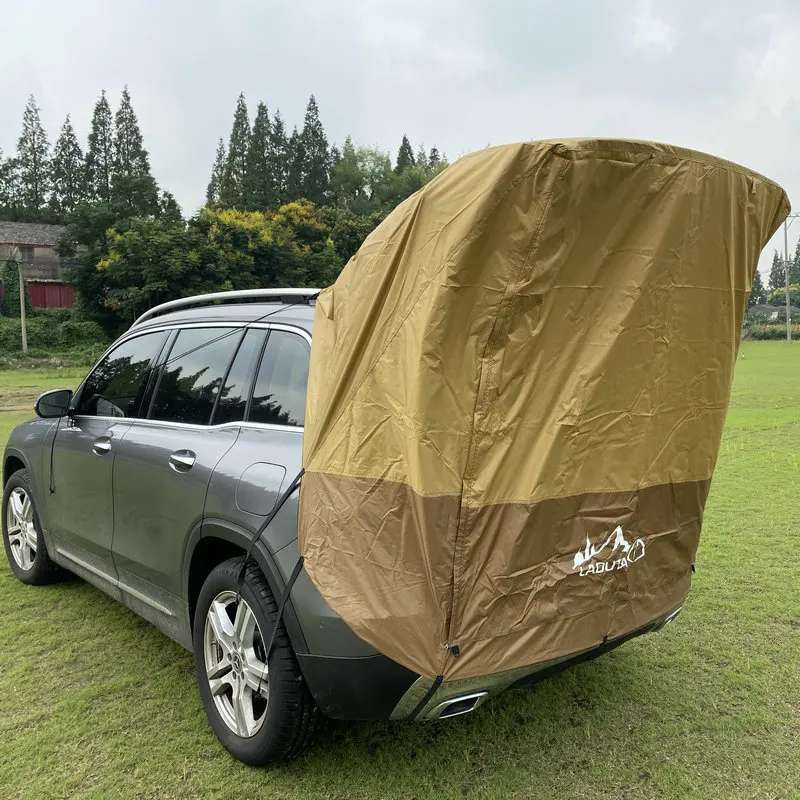
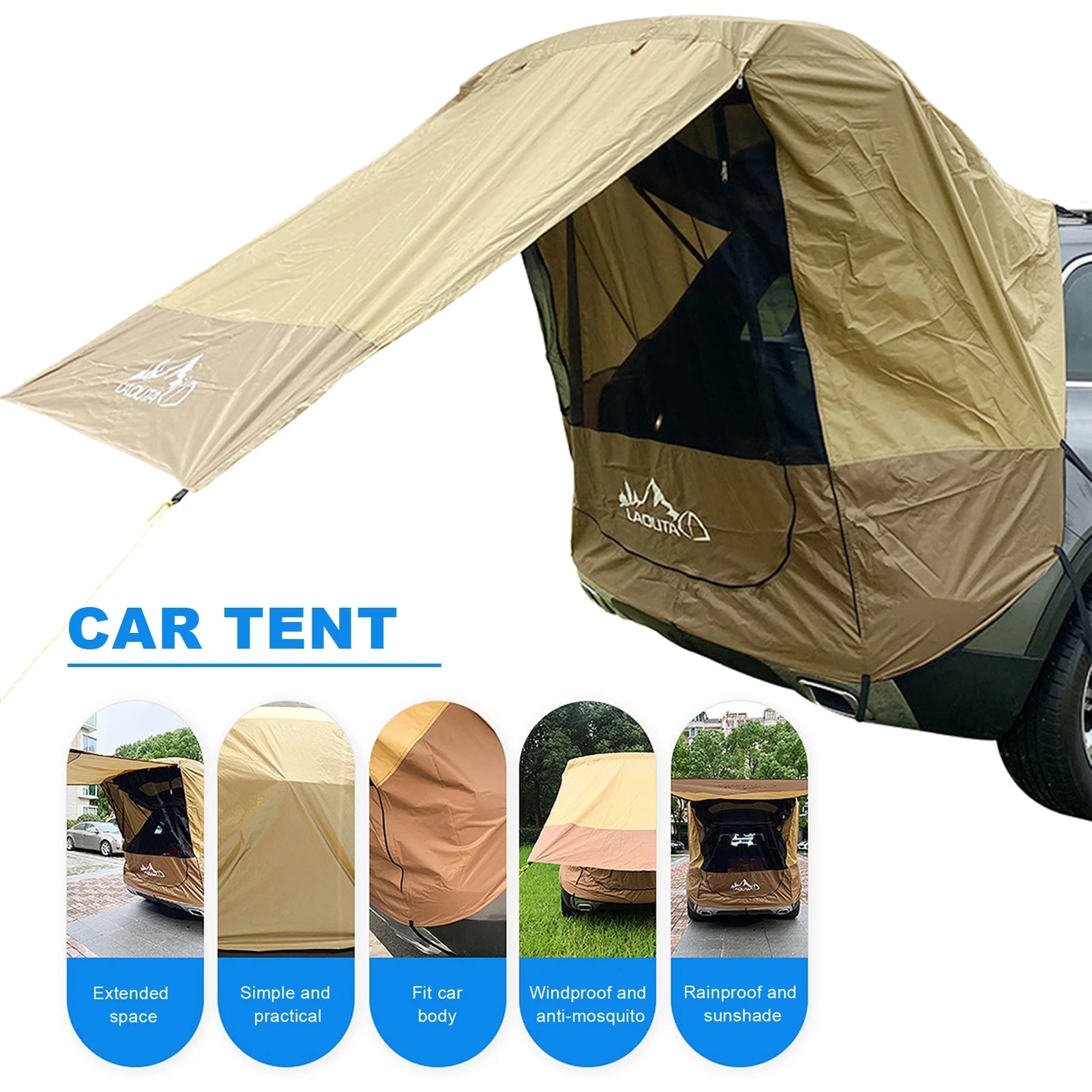
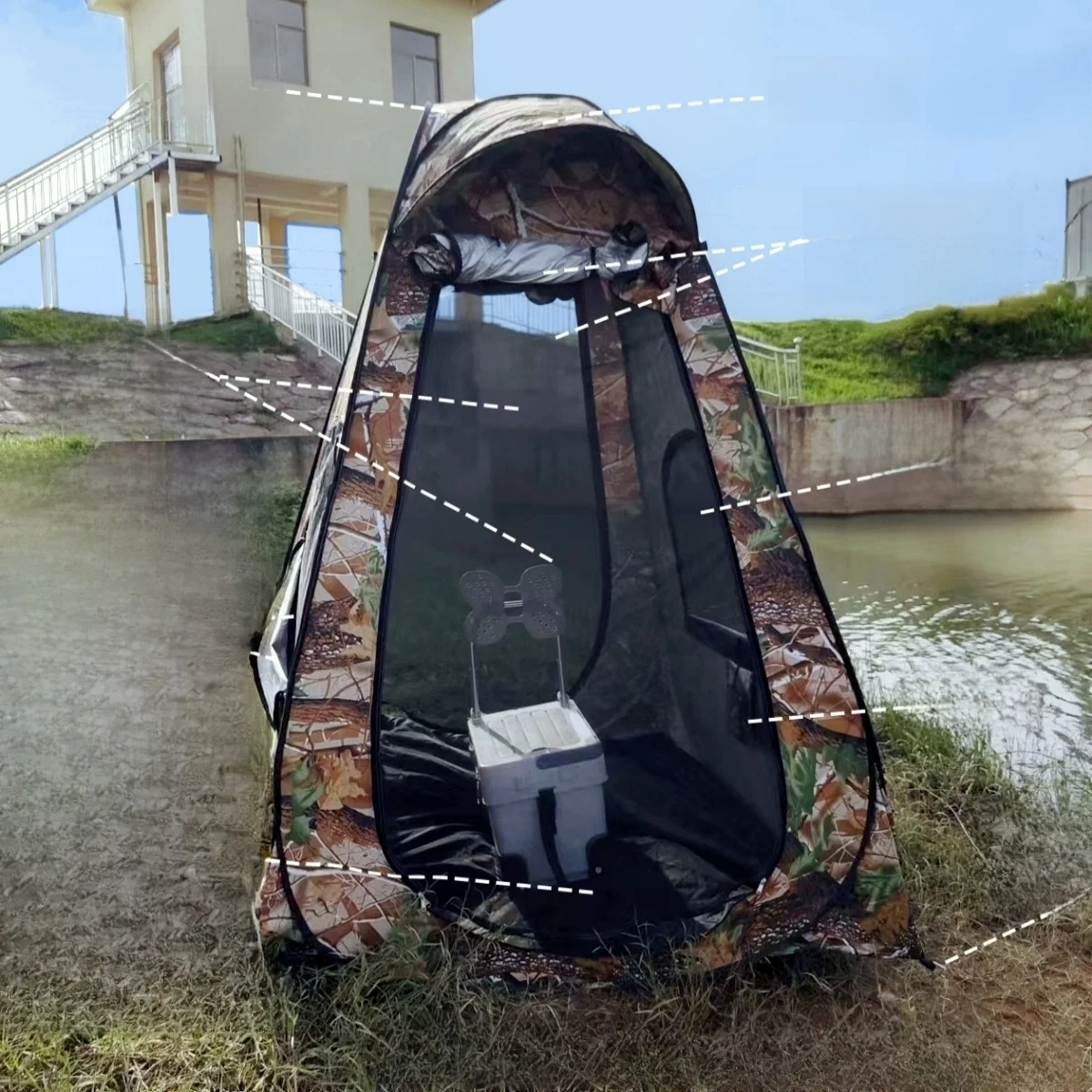
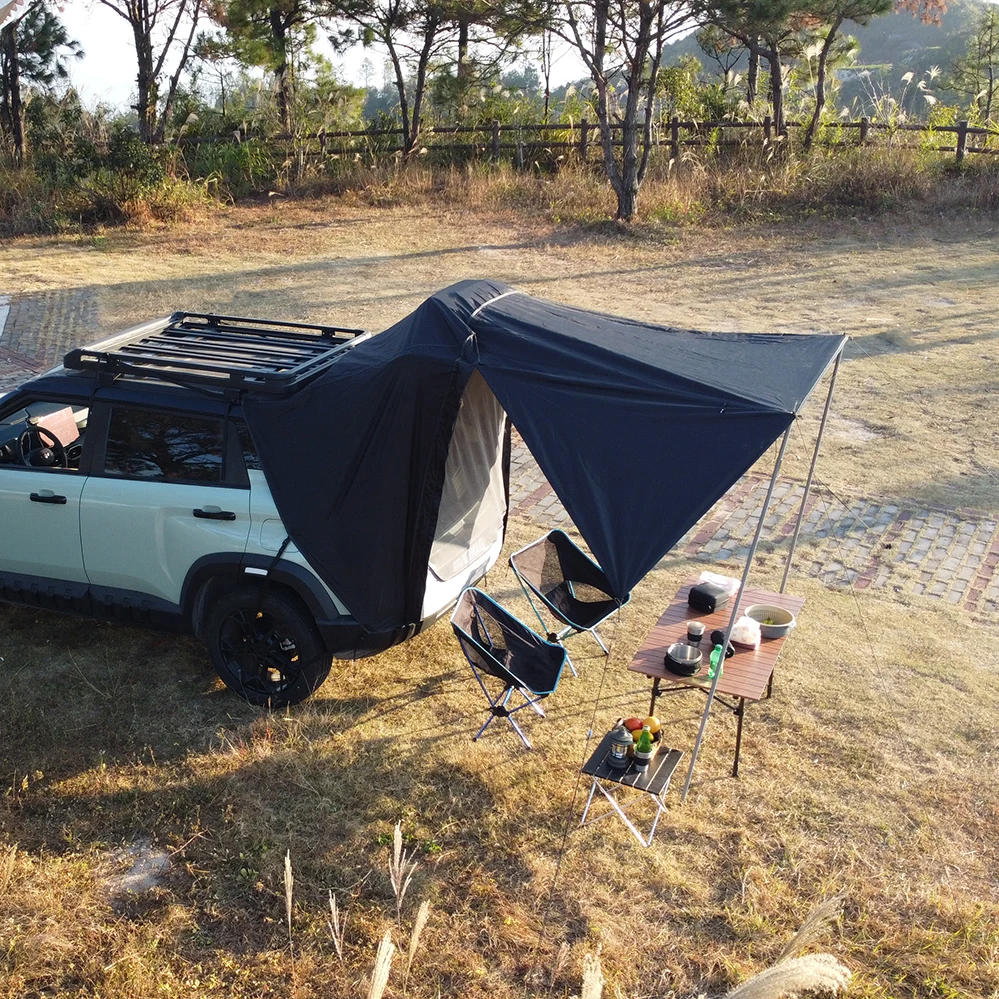
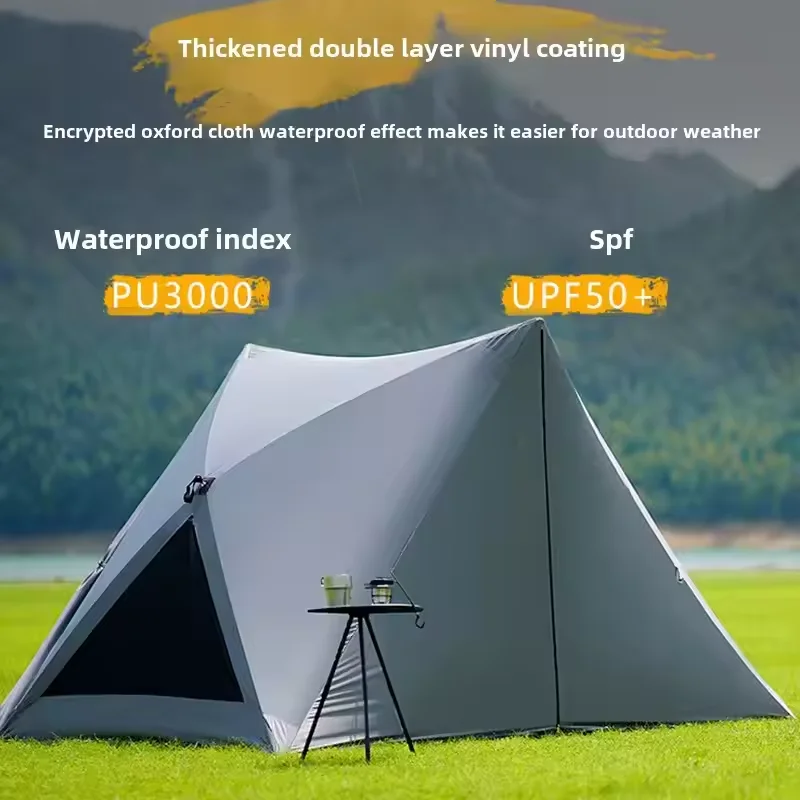
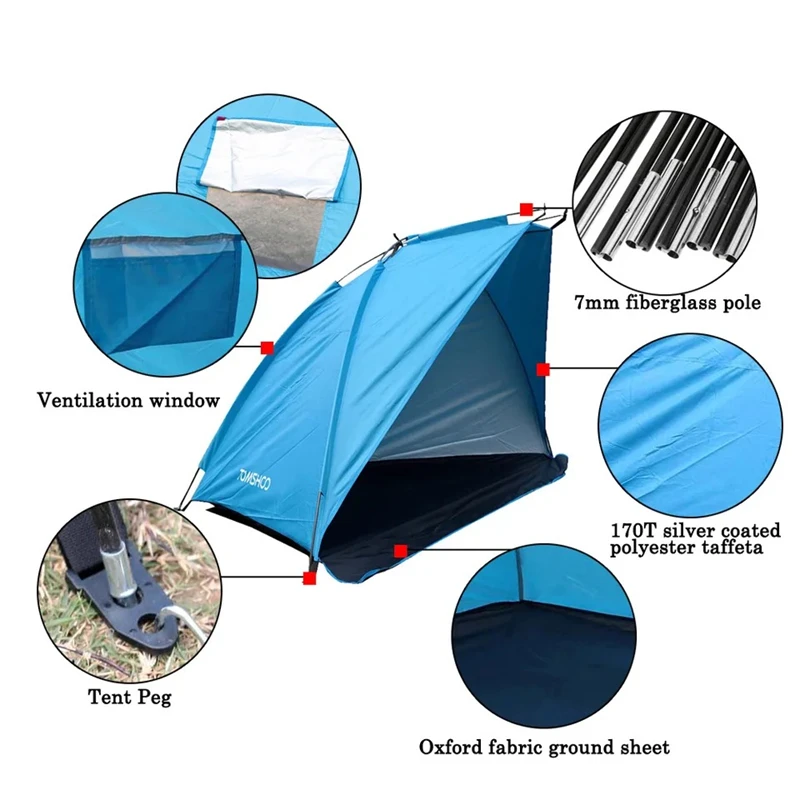
- Oxford fabric tents use a thick, hard-wearing woven fabric, usually polyester, coated to keep water out. It is used for floors, groundsheets and tough tents such as motorbike shelters. See Oxford fabric tents.
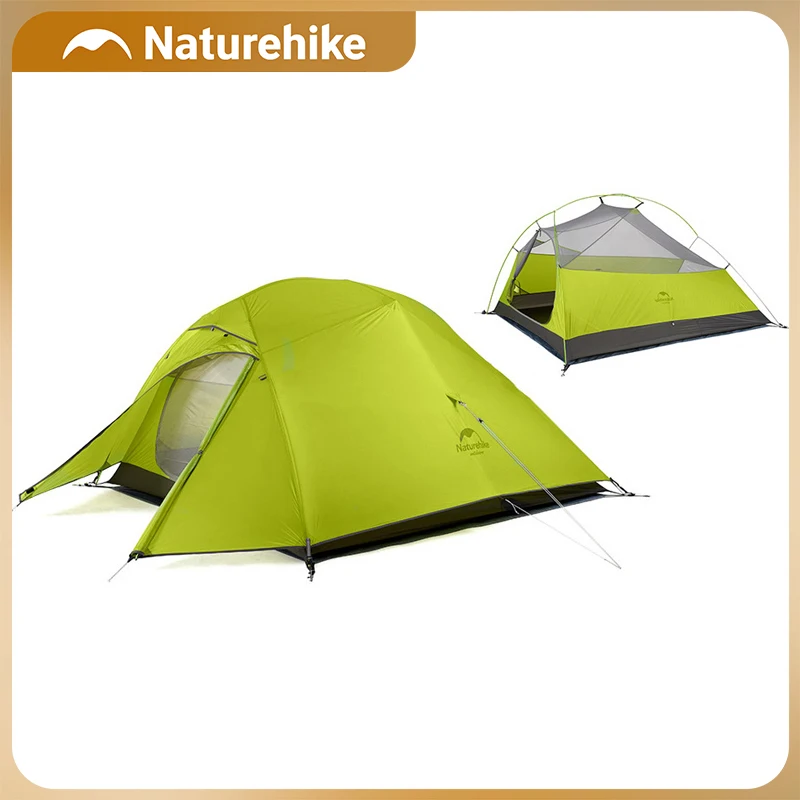
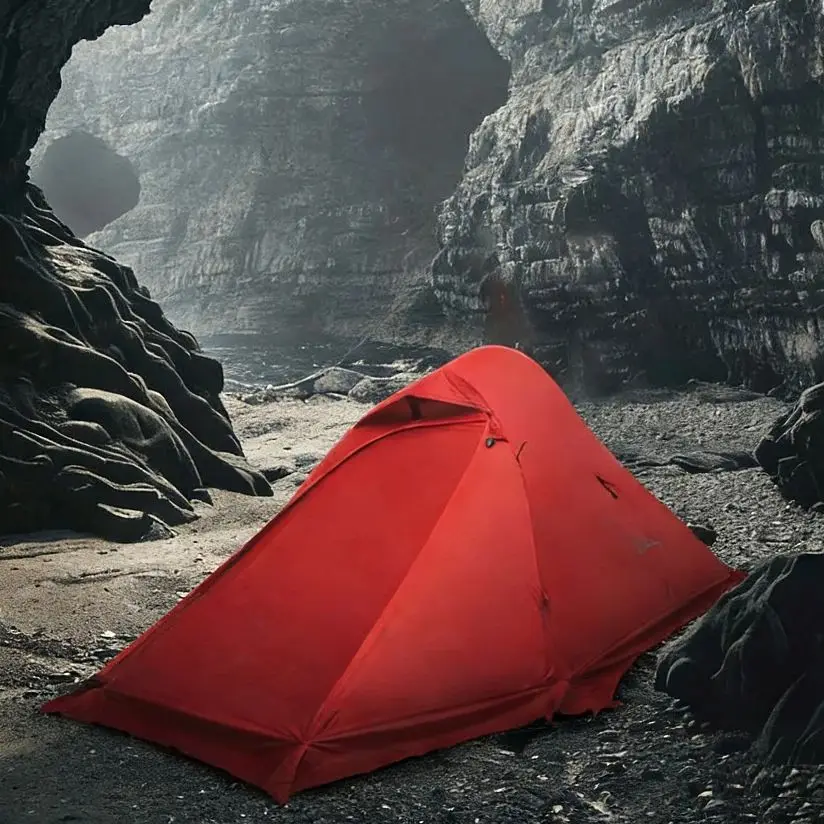
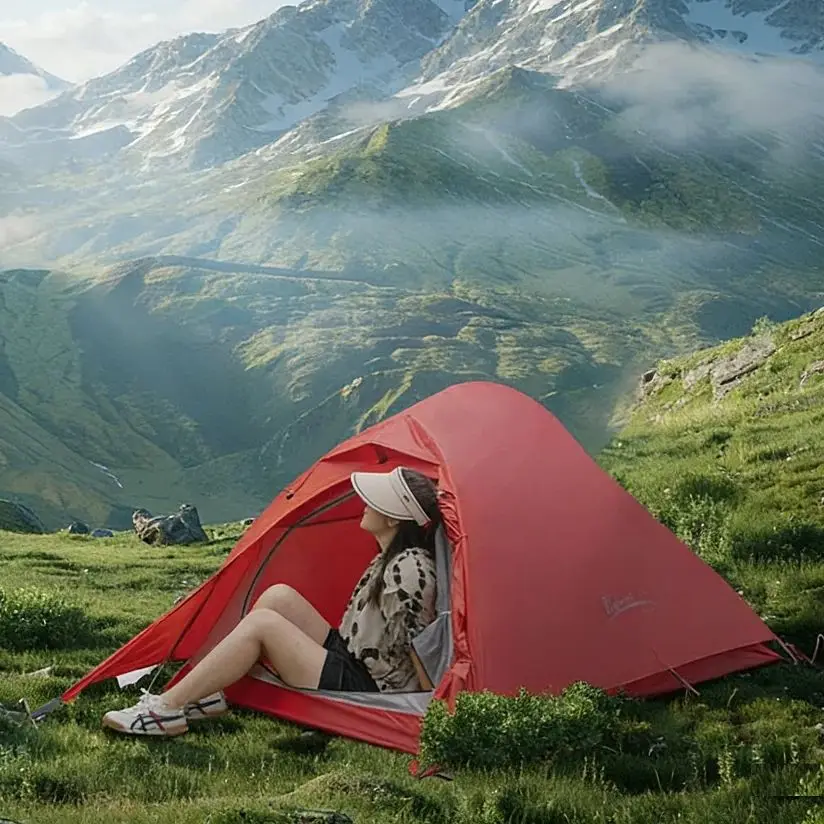
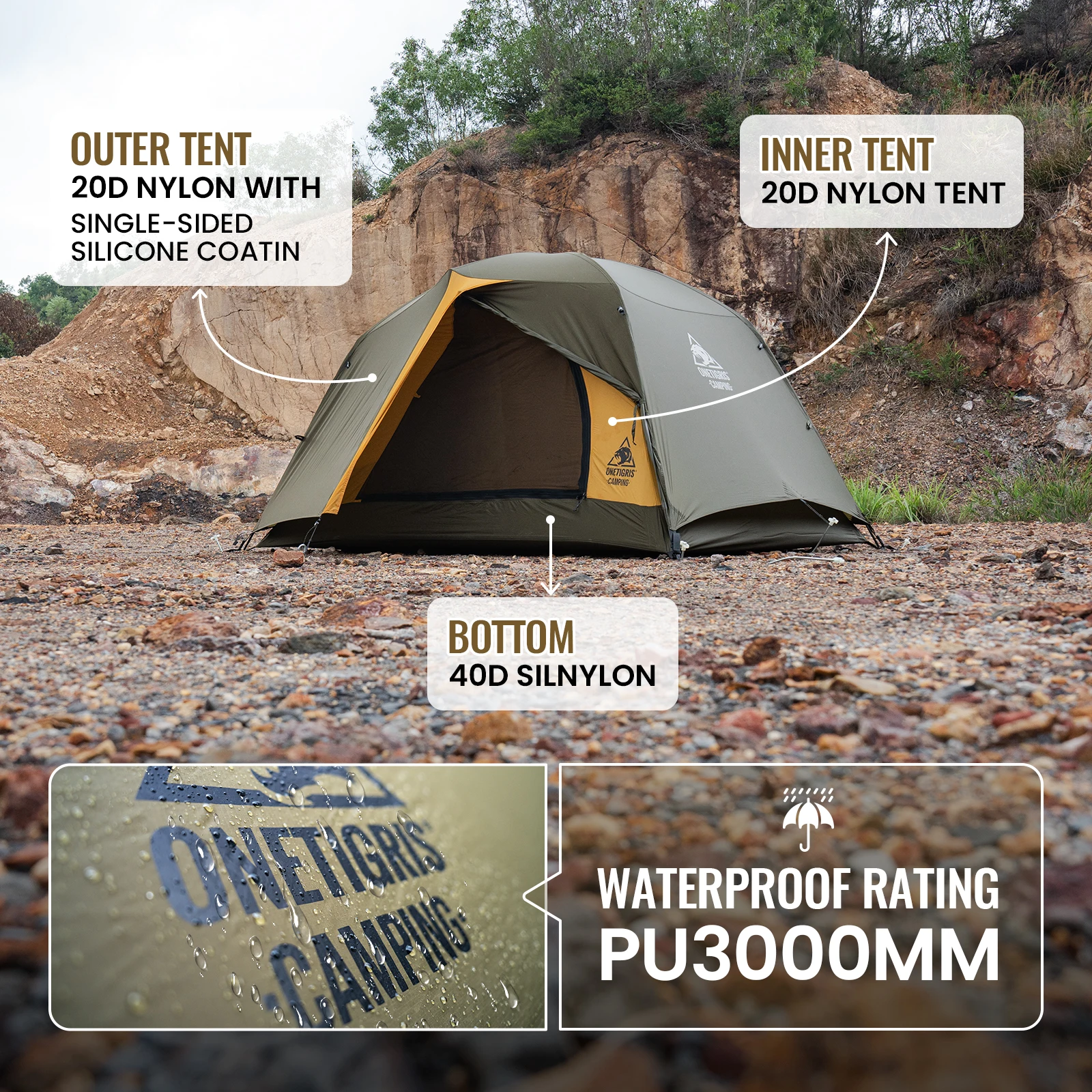
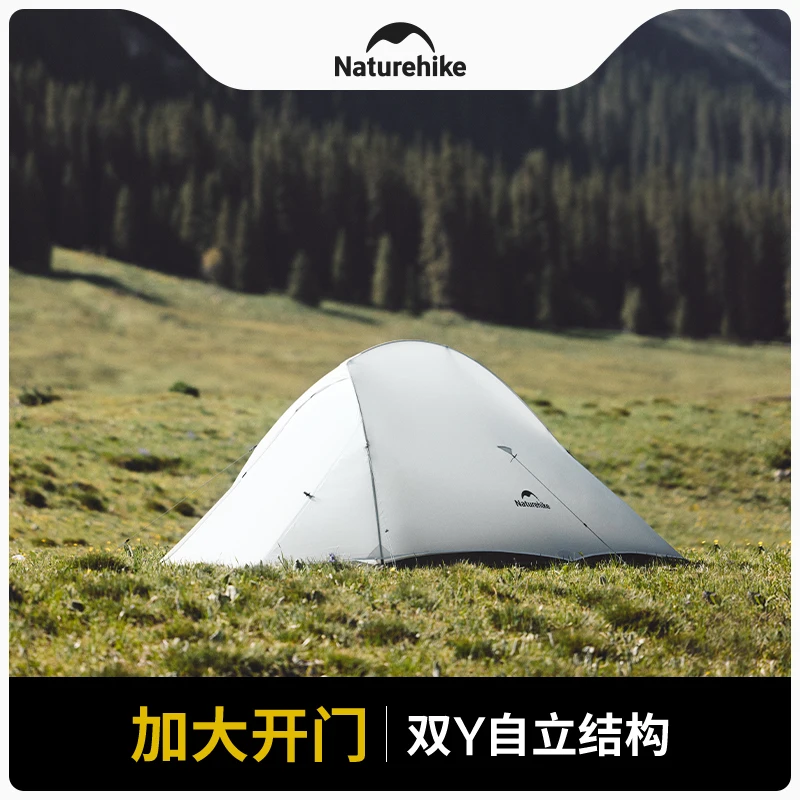
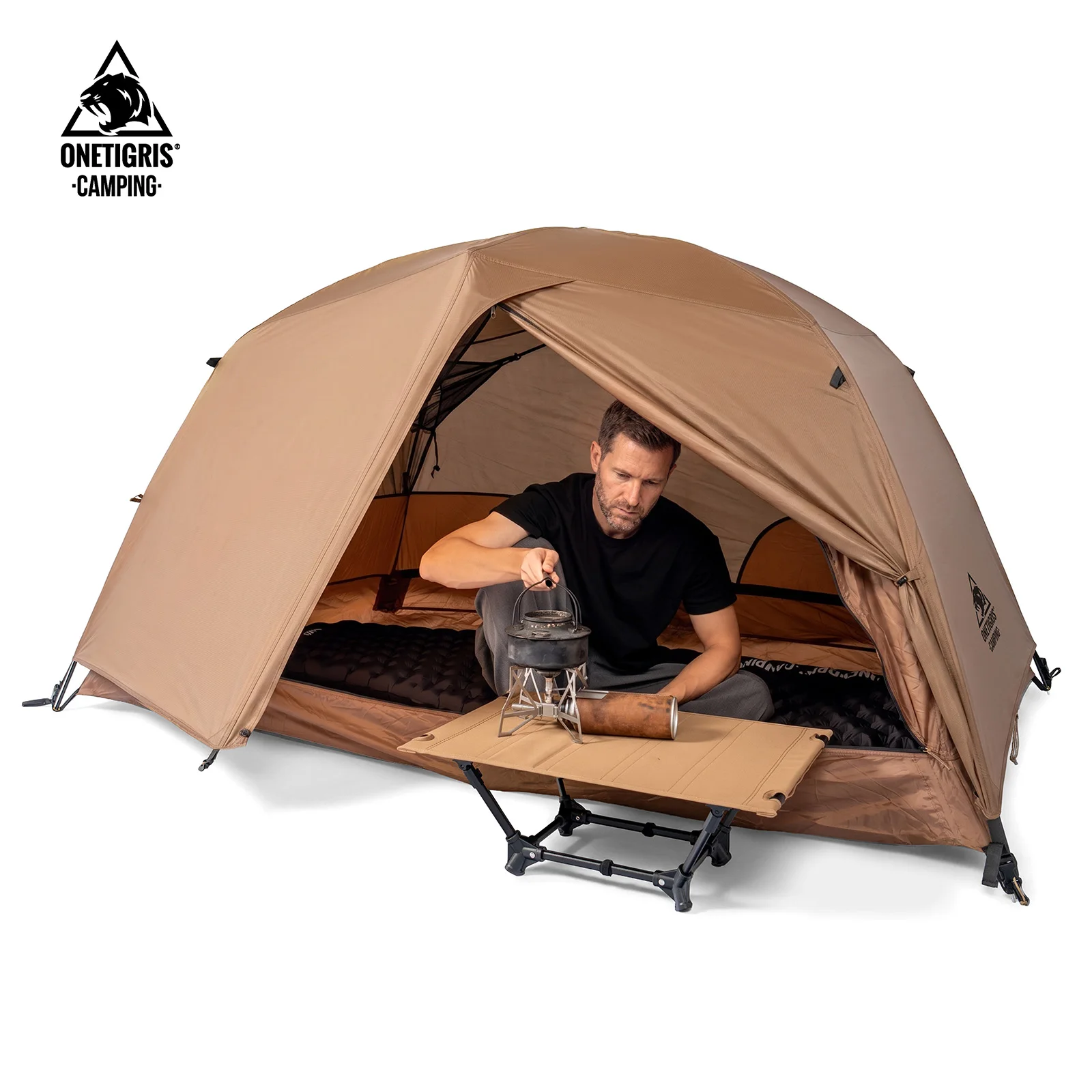
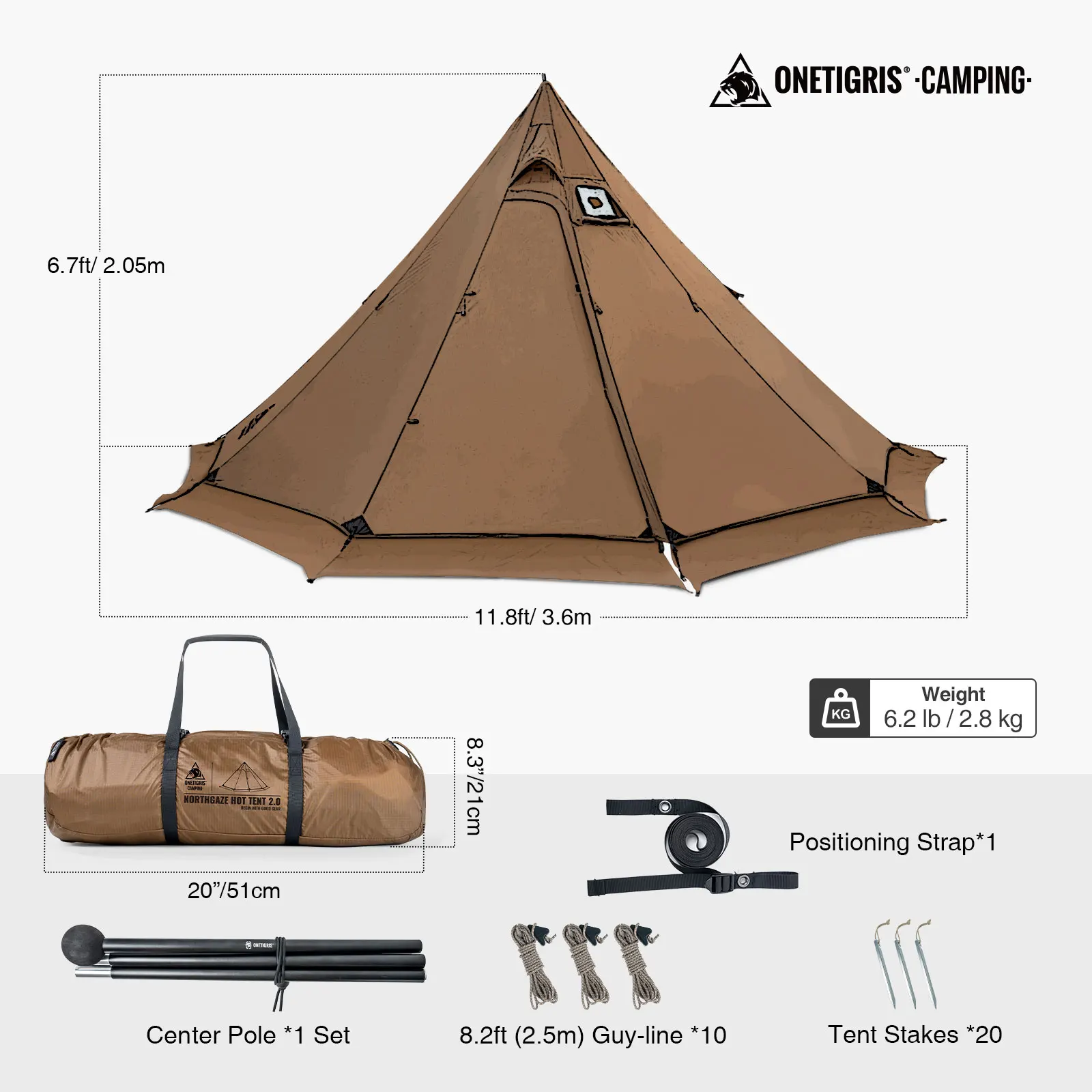
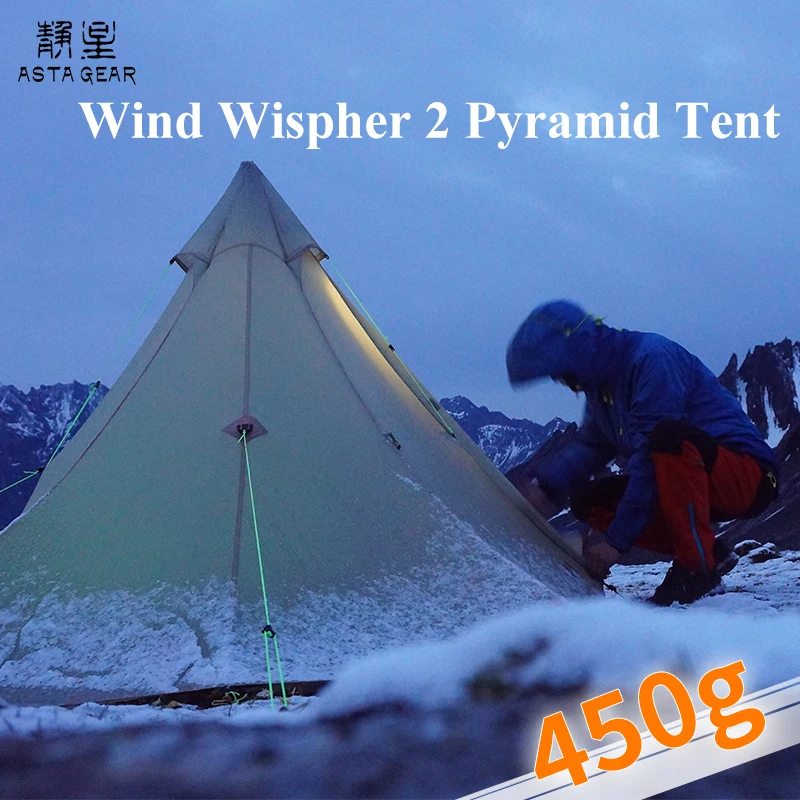
- Nylon tents are the lightest: most ultralight backpacking tents are nylon, often silicone-coated. See nylon tents.
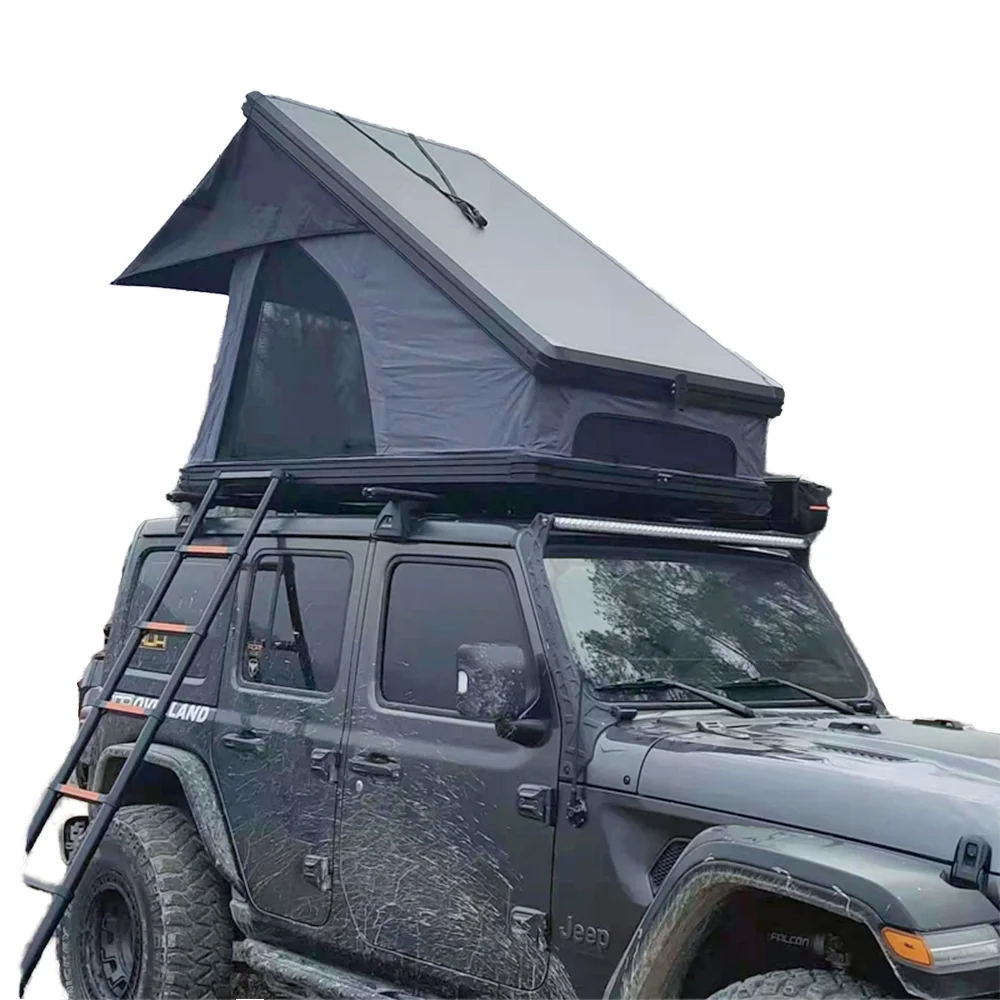
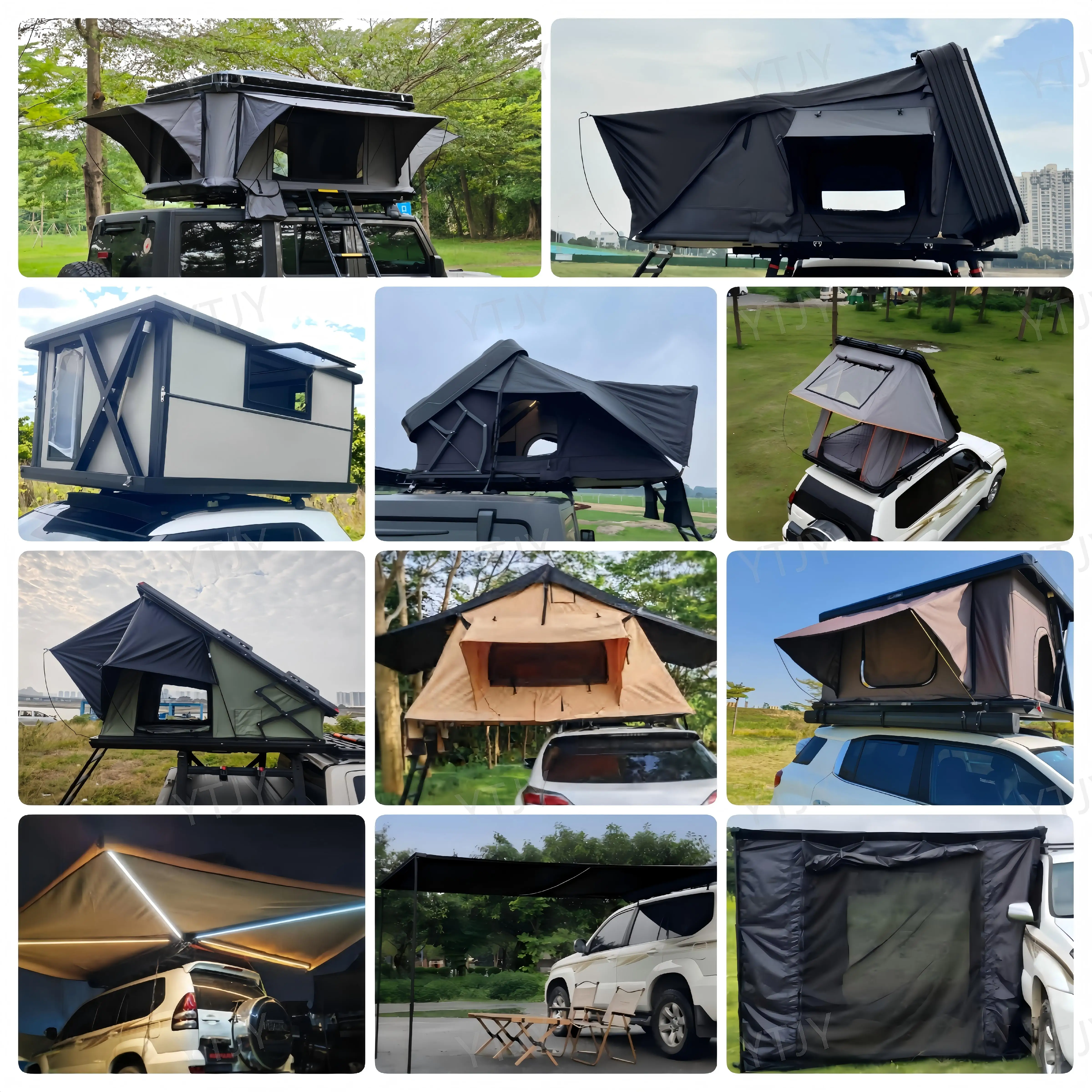
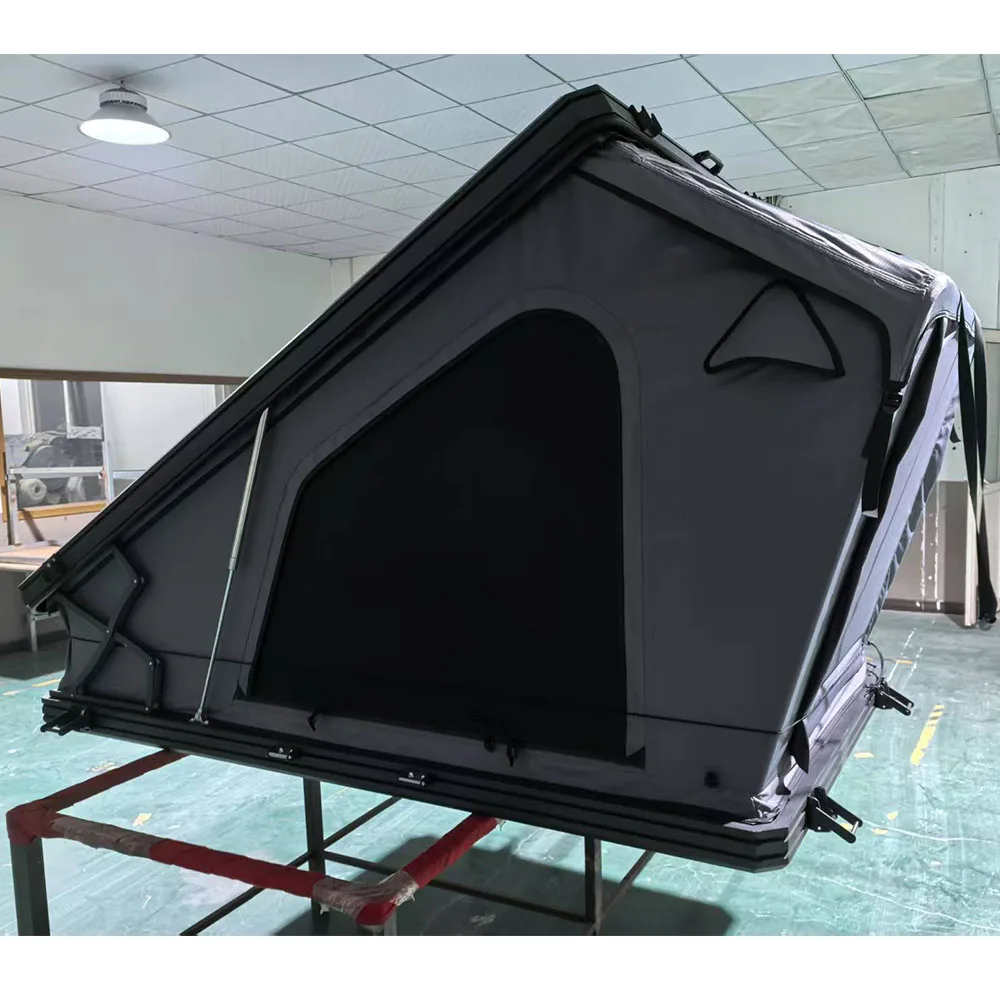
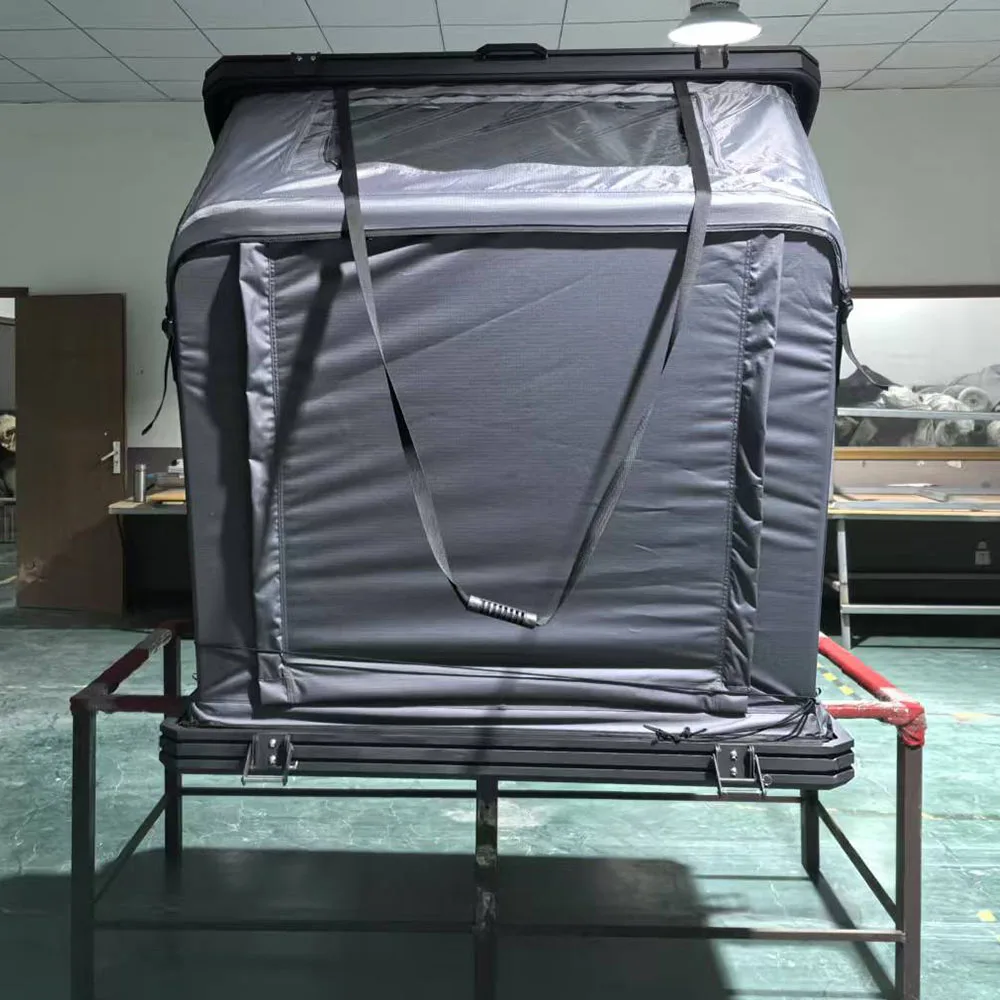
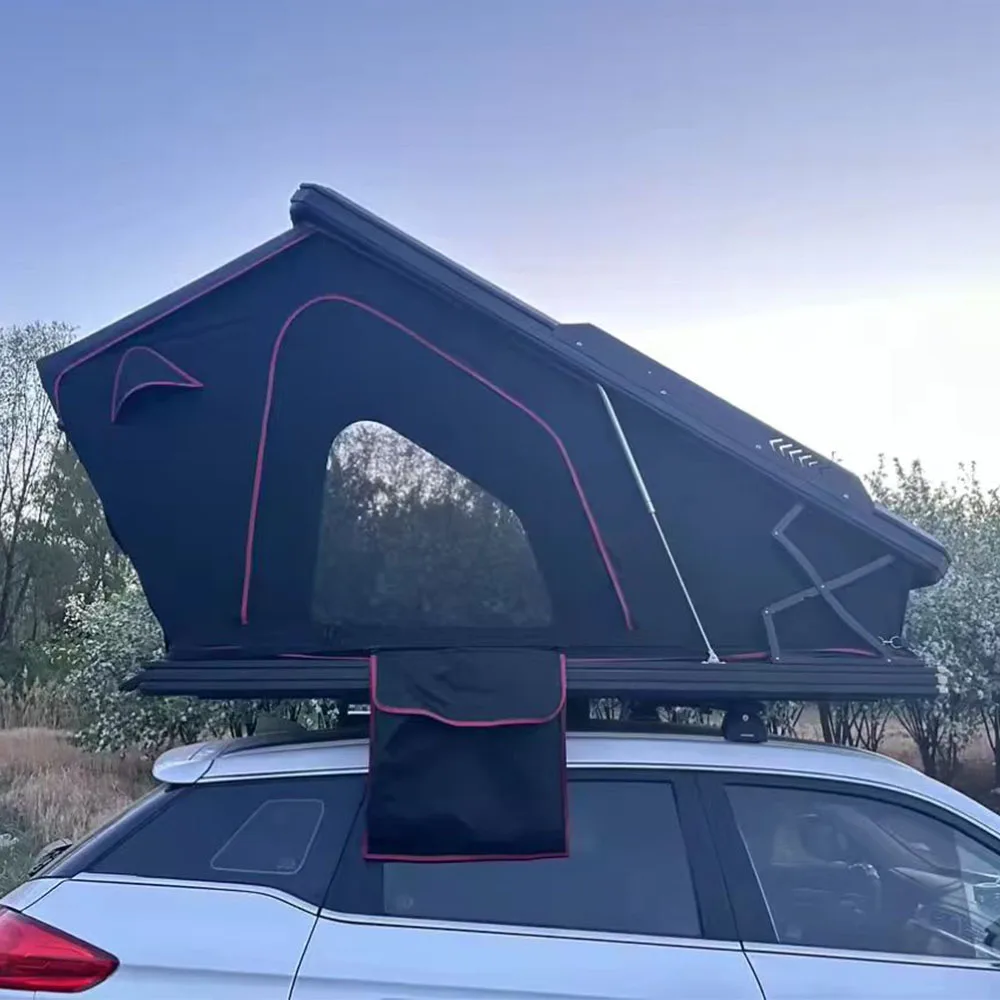
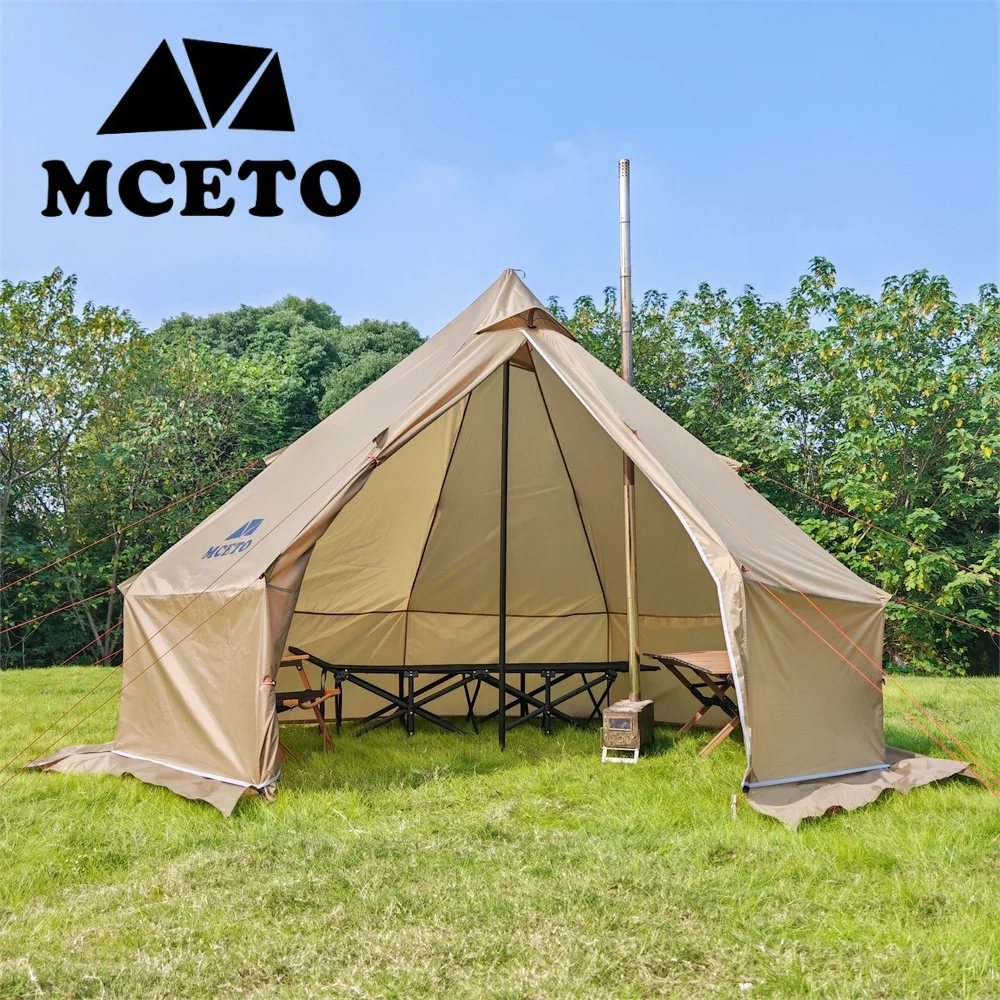
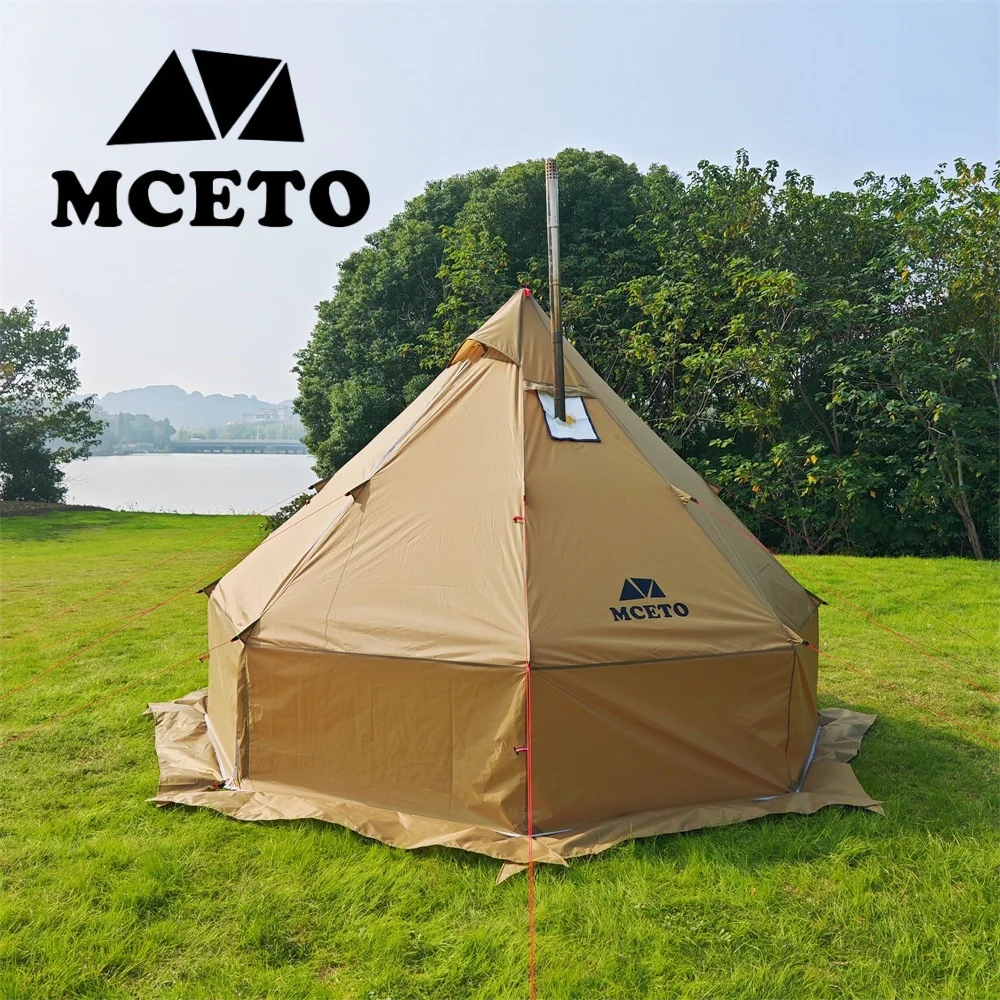
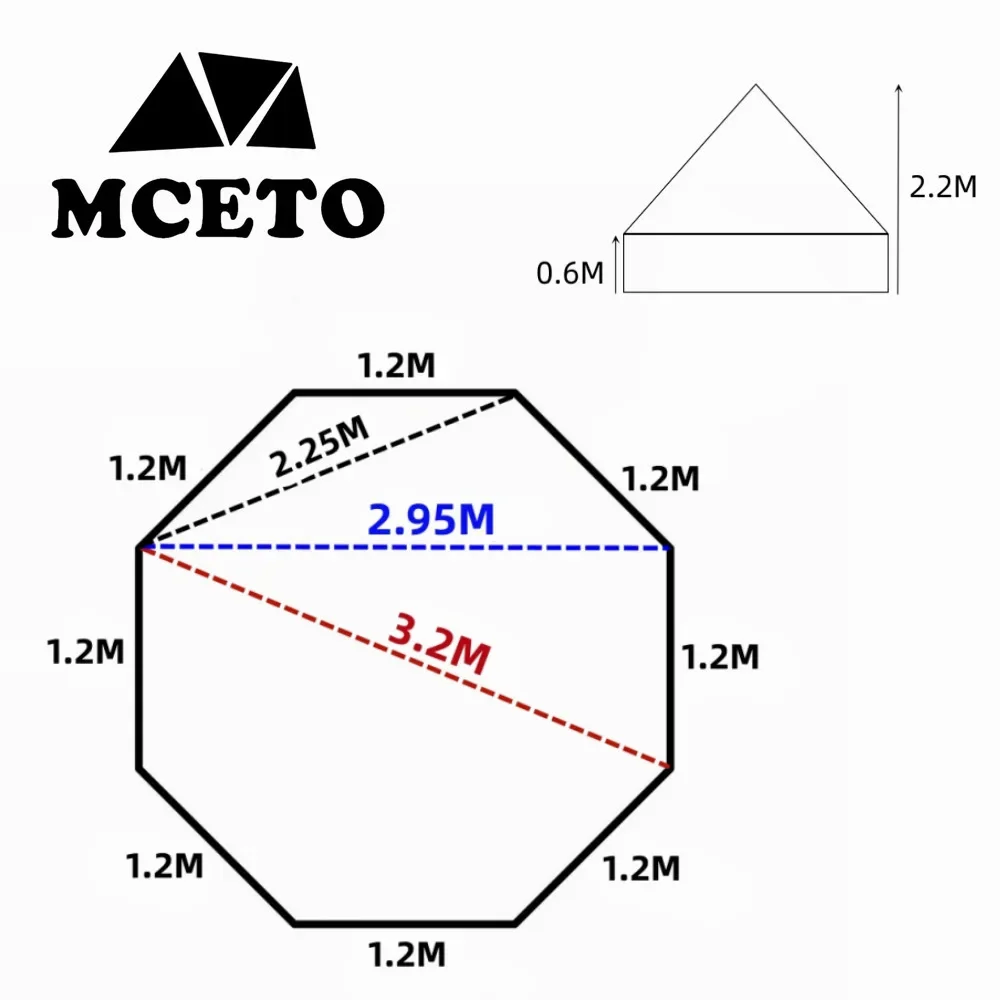
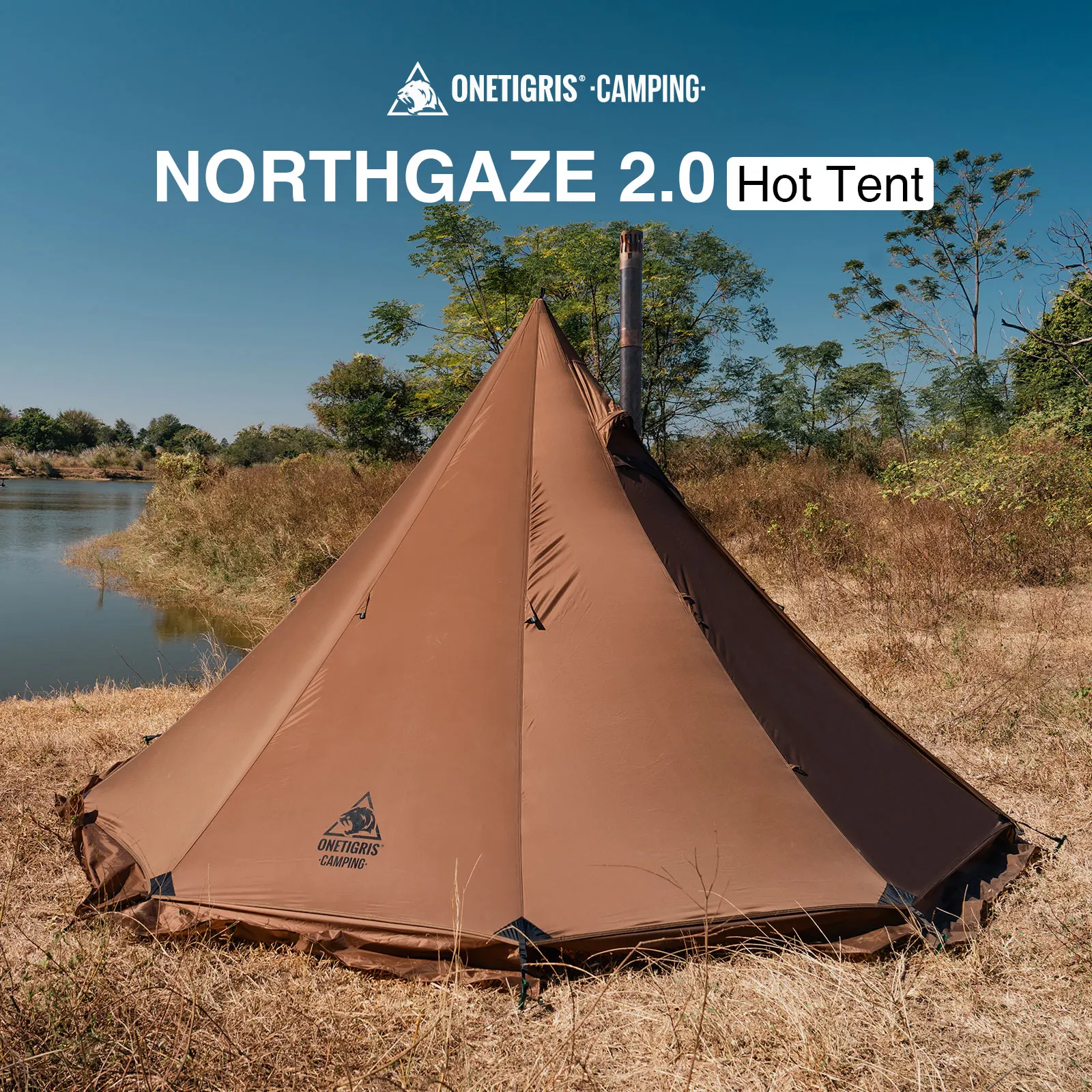
- Canvas and cotton tents breathe, so they are cooler in sun and damp less inside, but they are heavy. Bell tents, polycotton hot tents and roof tents are here. See canvas and cotton tents.
- Synthetic fibre tents are those whose makers name a polyethylene (PE) groundsheet or a PU-coated fabric. See synthetic fibre tents.
- Aluminium foil tents are emergency shelters and bivvy bags that reflect body heat, with foil ground mats and foil-lined pet tents. See aluminium foil tents.
Reading the fabric numbers
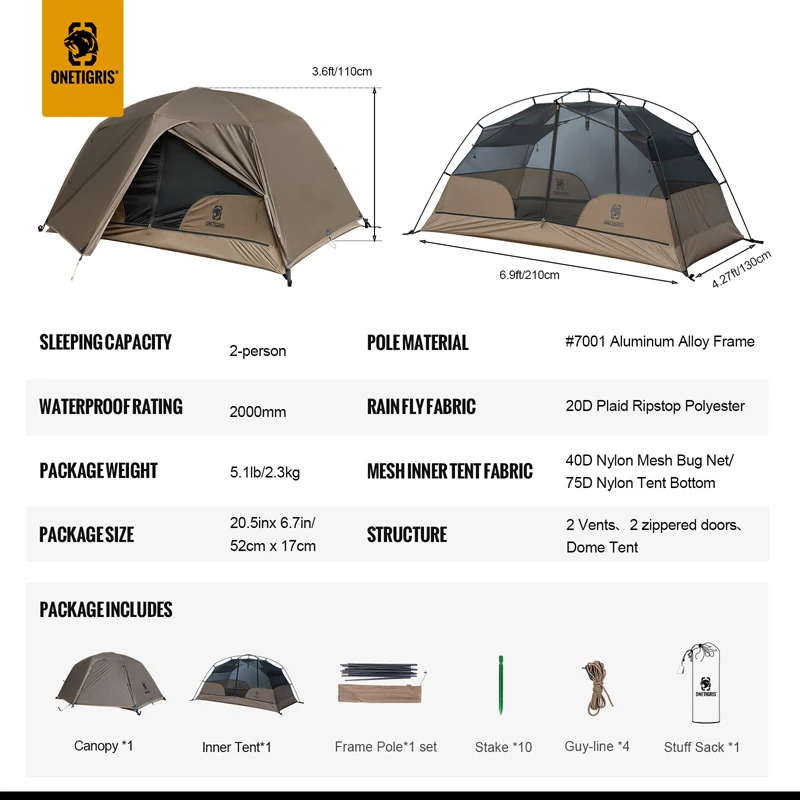
Two numbers turn up again and again. A figure followed by D is the denier, the thickness of the yarn: the weight in grams of 9,000 metres of it. 10D and 15D nylon are very fine and light, 210D Oxford is a common floor, and 600D and 900D are thick and heavy. A figure followed by T is the thread count, the number of threads in a square inch, so 190T and 210T polyester are fine, close weaves. A higher denier is generally tougher and heavier; a higher thread count is not, on its own, a stronger fabric.
Coatings: silicone and PU
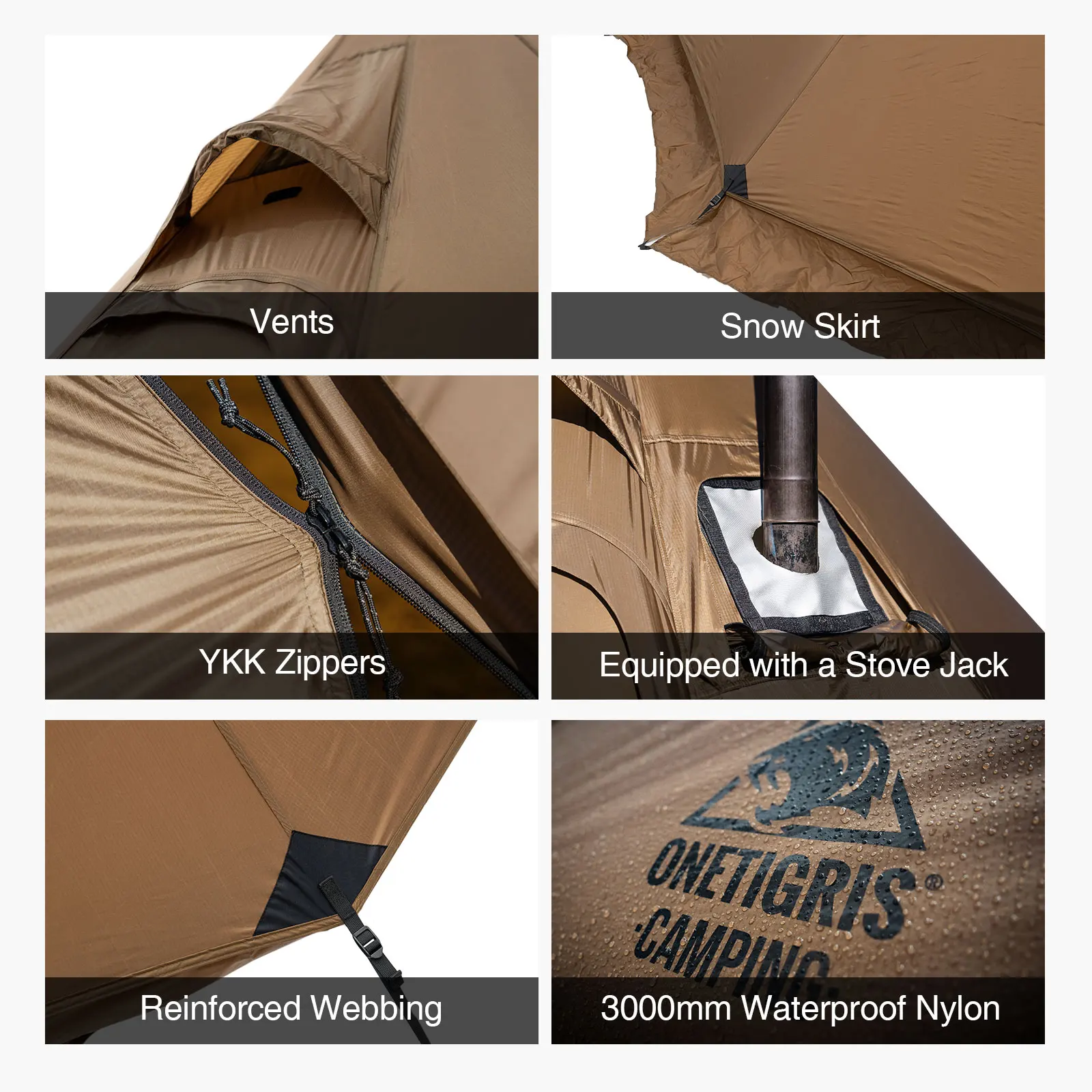
The coating is what keeps the rain out. PU (polyurethane) is on most tents: it is cheap and takes seam tape. Silicone soaks into the fabric, makes it stronger and sheds water; nylon coated this way is called silnylon. Silicone seams cannot be taped, so they are sealed with a liquid seam sealer. PU breaks down slowly over the years, faster if a tent is stored damp, so dry every tent before you pack it away. How well a coating holds water back is the rating in millimetres: see shop by waterproof rating.
Questions people ask about tent fabrics
Which tent fabric is the lightest?
Nylon, for the same strength. The lightest nylon tents here weigh under a kilo: a 10D nylon 1-person tent packs to about 0.87kg.
Which fabric is best in hot sun?
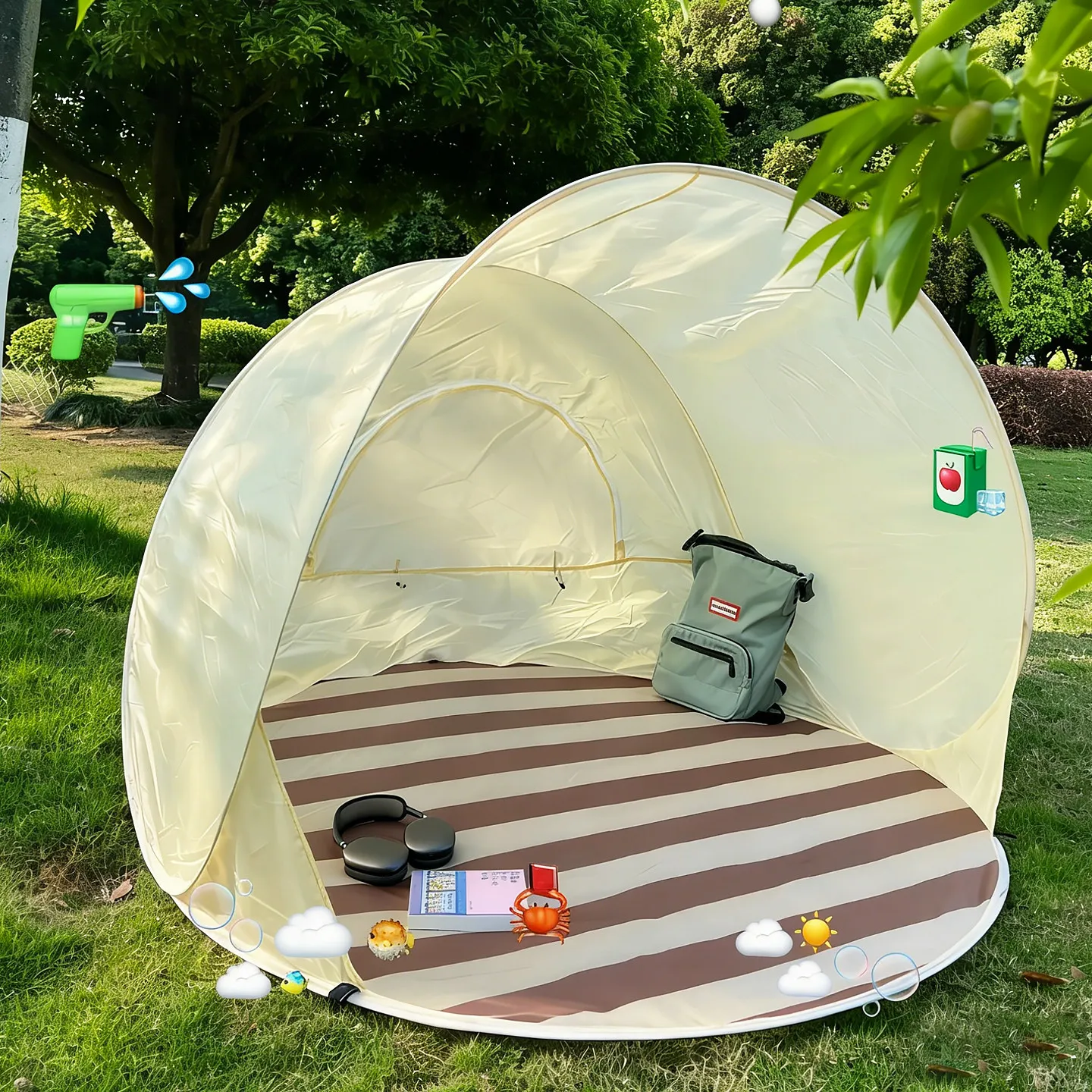
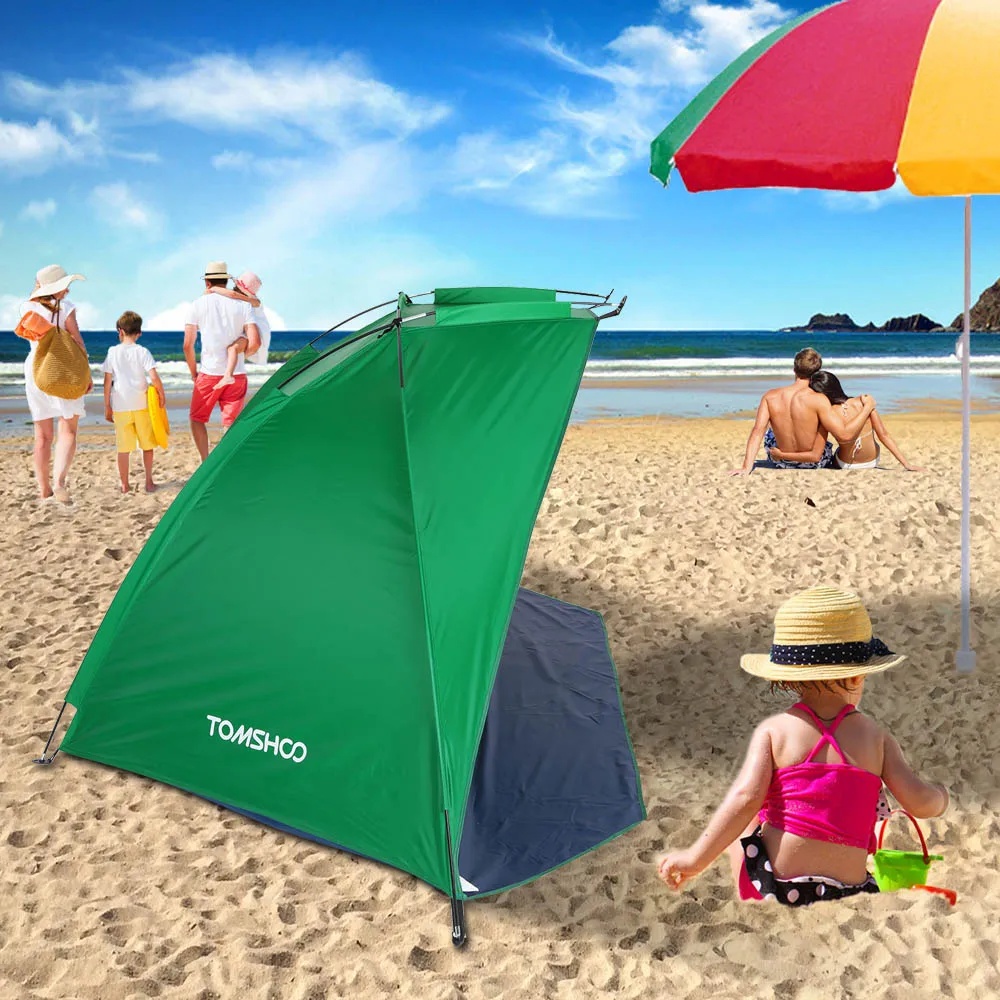
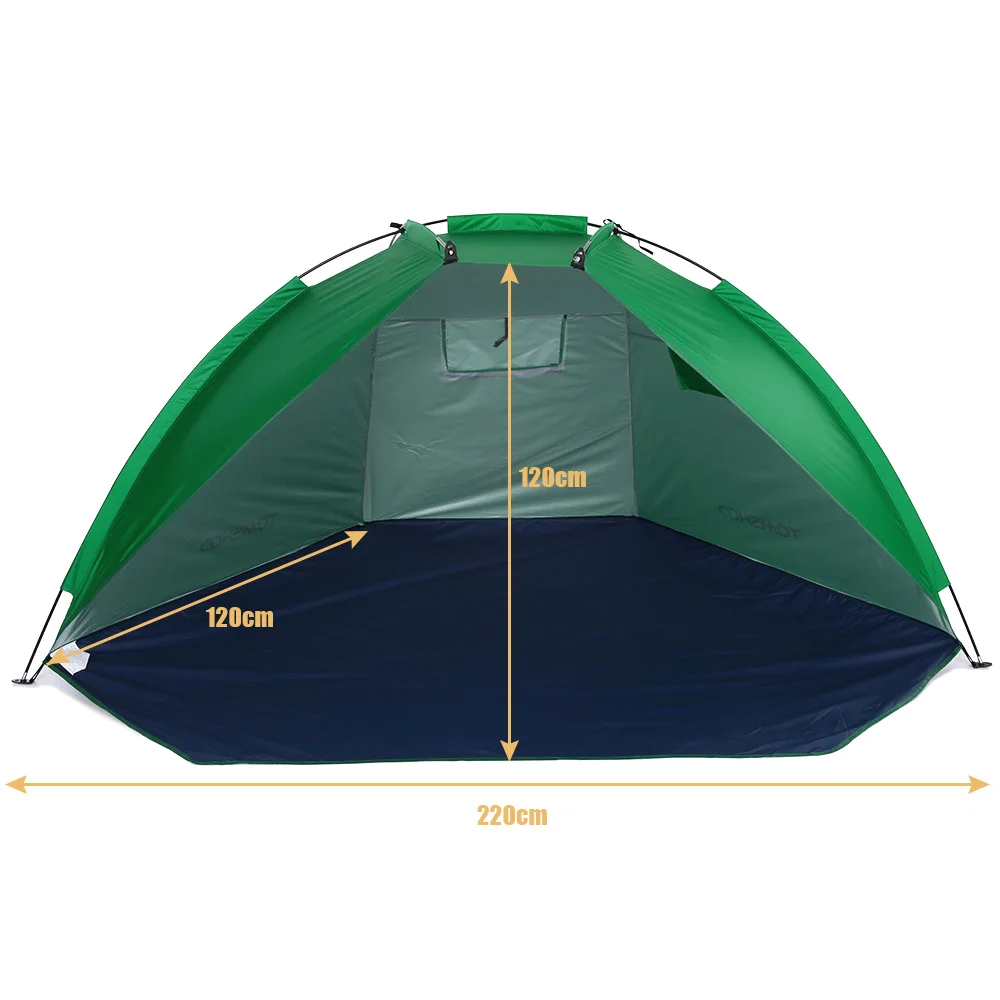
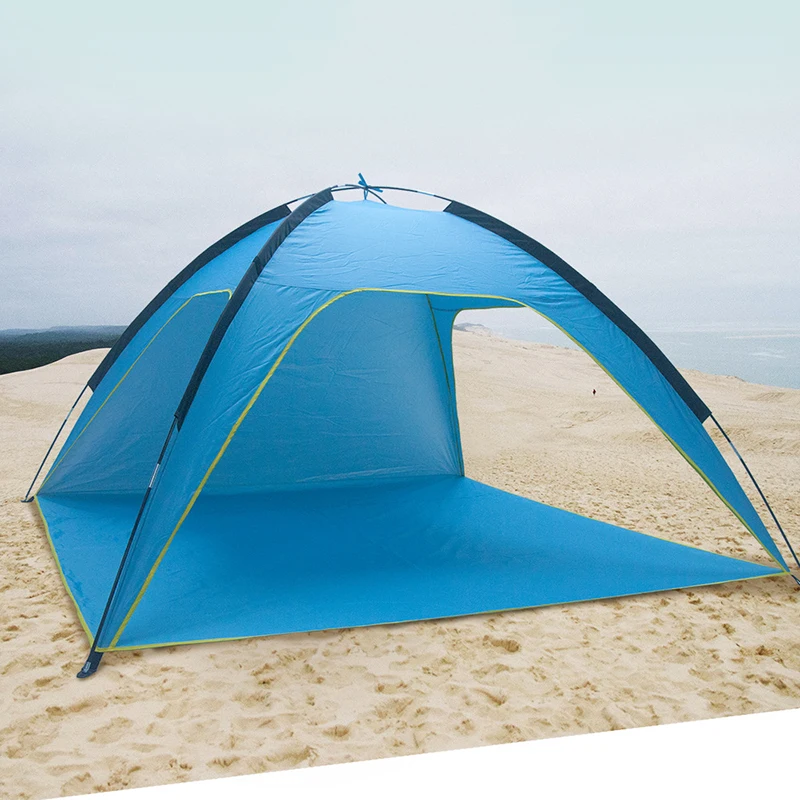
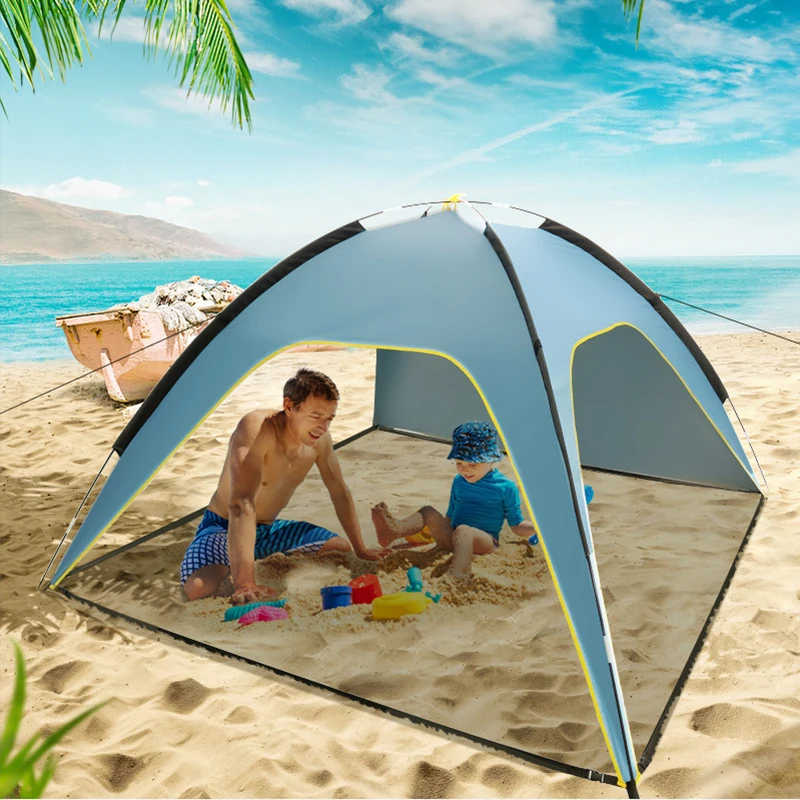
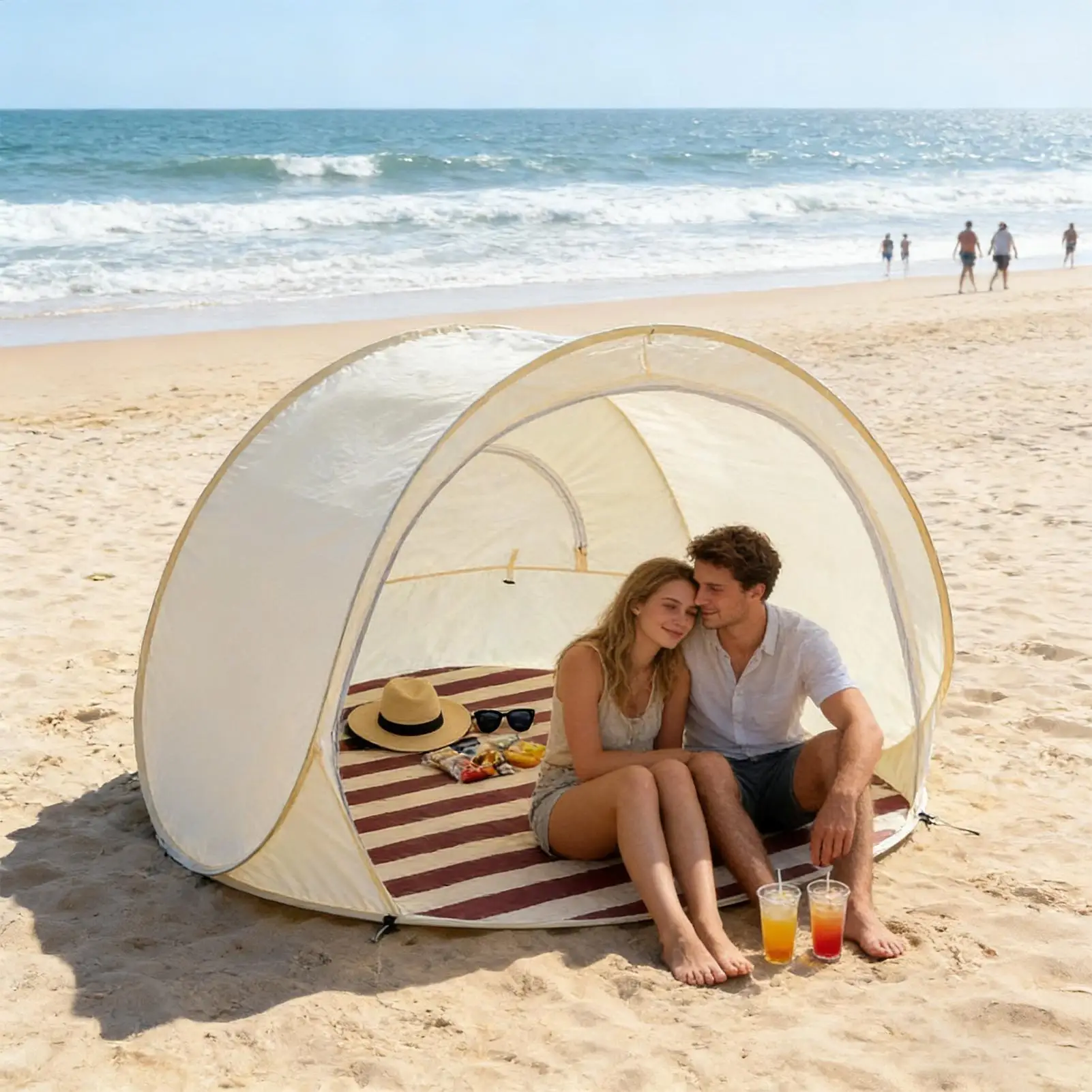
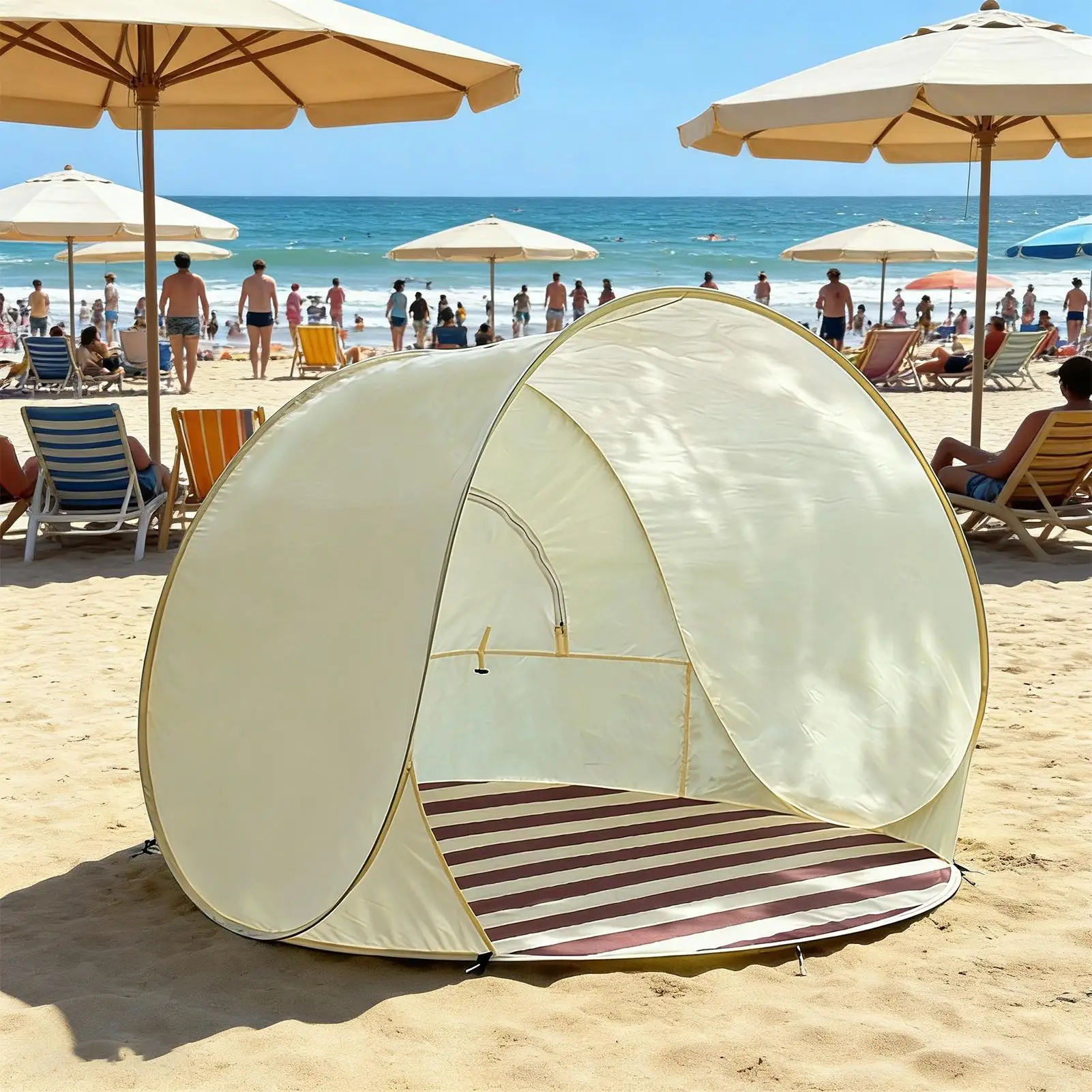
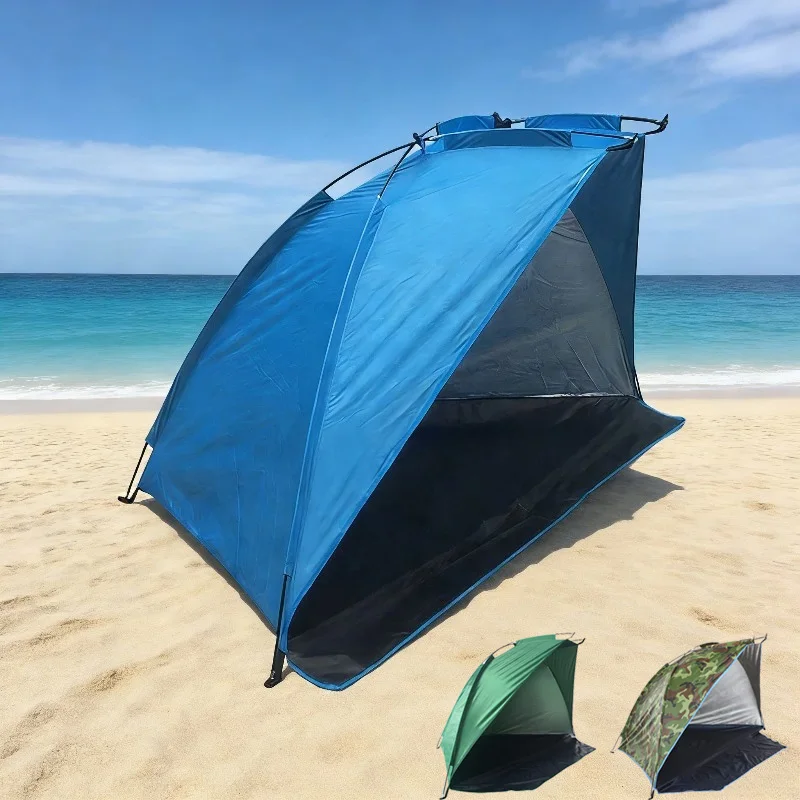
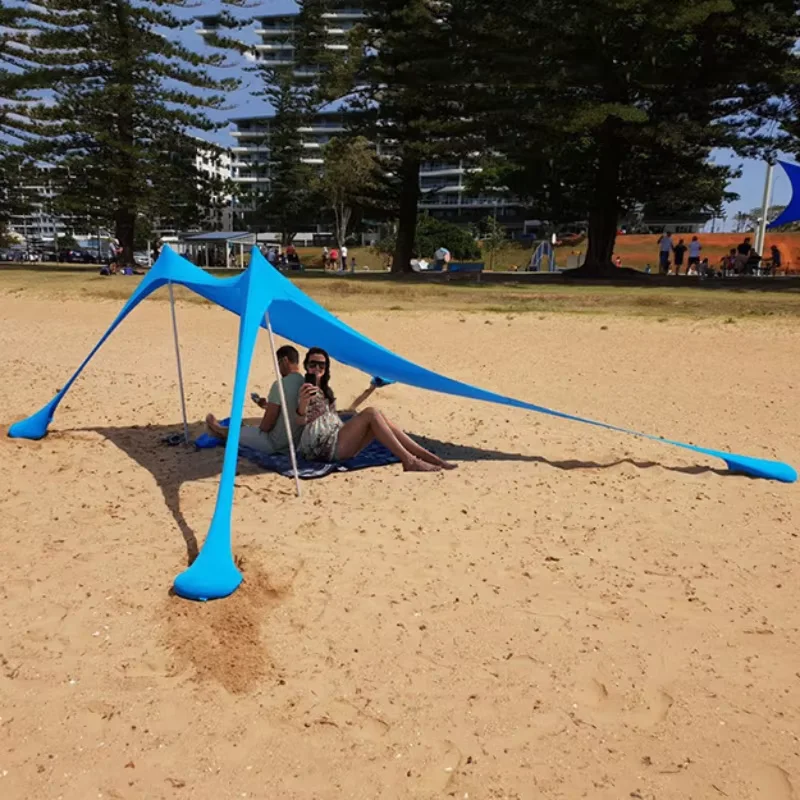
Canvas and polycotton breathe, so they stay cooler inside. Many polyester beach tents and shelters have a silver coating that reflects the sun.
How long does delivery take?
Delivery is included in every price and tracked to your door. Each product page says when that tent usually arrives, so check it before ordering for a set date.
More to look at