What a tent's season rating means
A season rating describes the weather a tent is built for, not the dates on the calendar. A summer tent is made for warm, settled weather, with plenty of mesh to let air through. A 3-season tent is the everyday tent for spring, summer and autumn, and it copes with rain, wind and the odd cold night. A 4-season tent is built for winter: stronger poles, less mesh, and a snow skirt round the bottom of the flysheet to stop wind and snow blowing underneath. Each tent here is filed by its maker's own words: it says summer, 3-season or 4-season, or it has the features that go with one, such as a single skin and mesh for summer, or a snow skirt or a stove jack for winter.
The ranges By Season
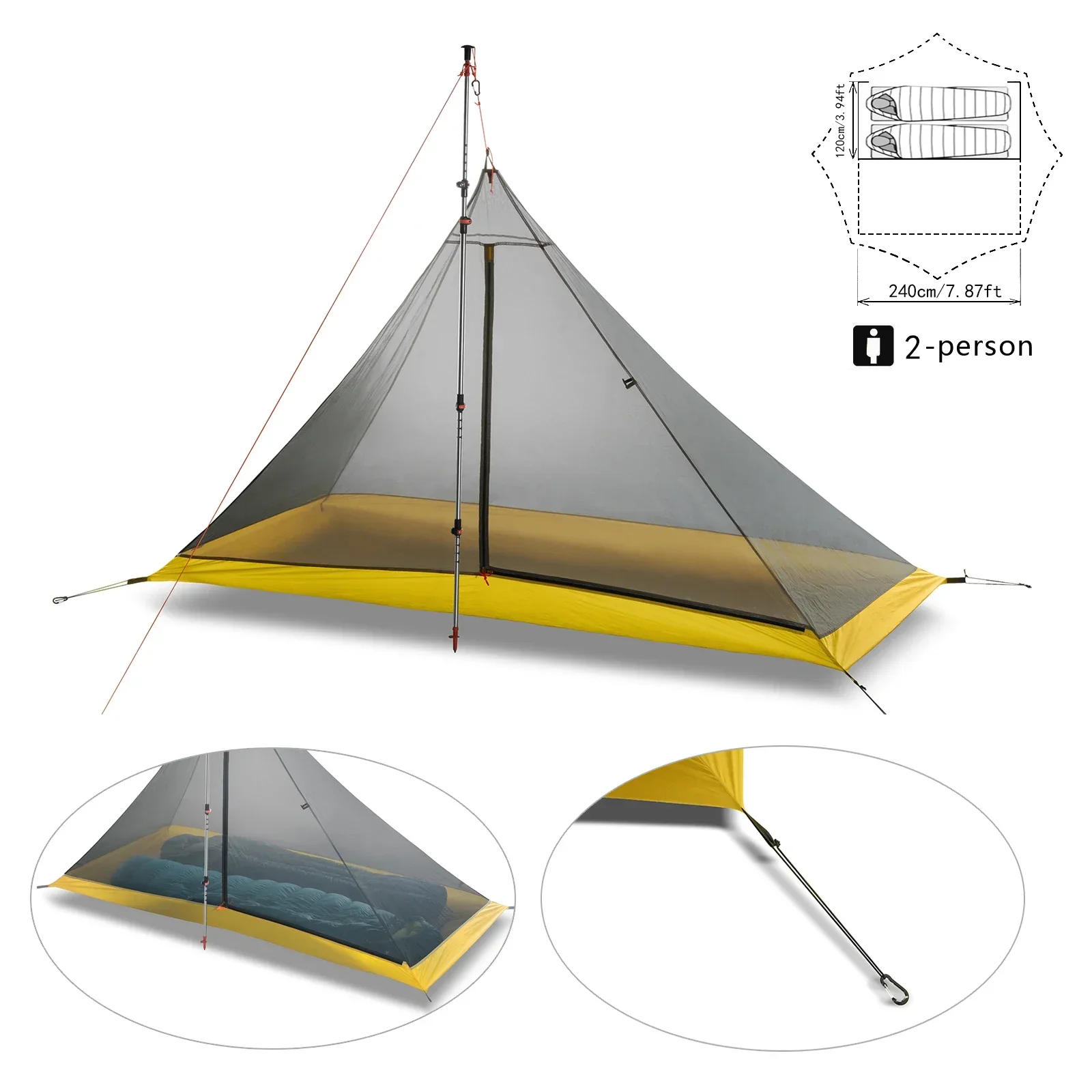
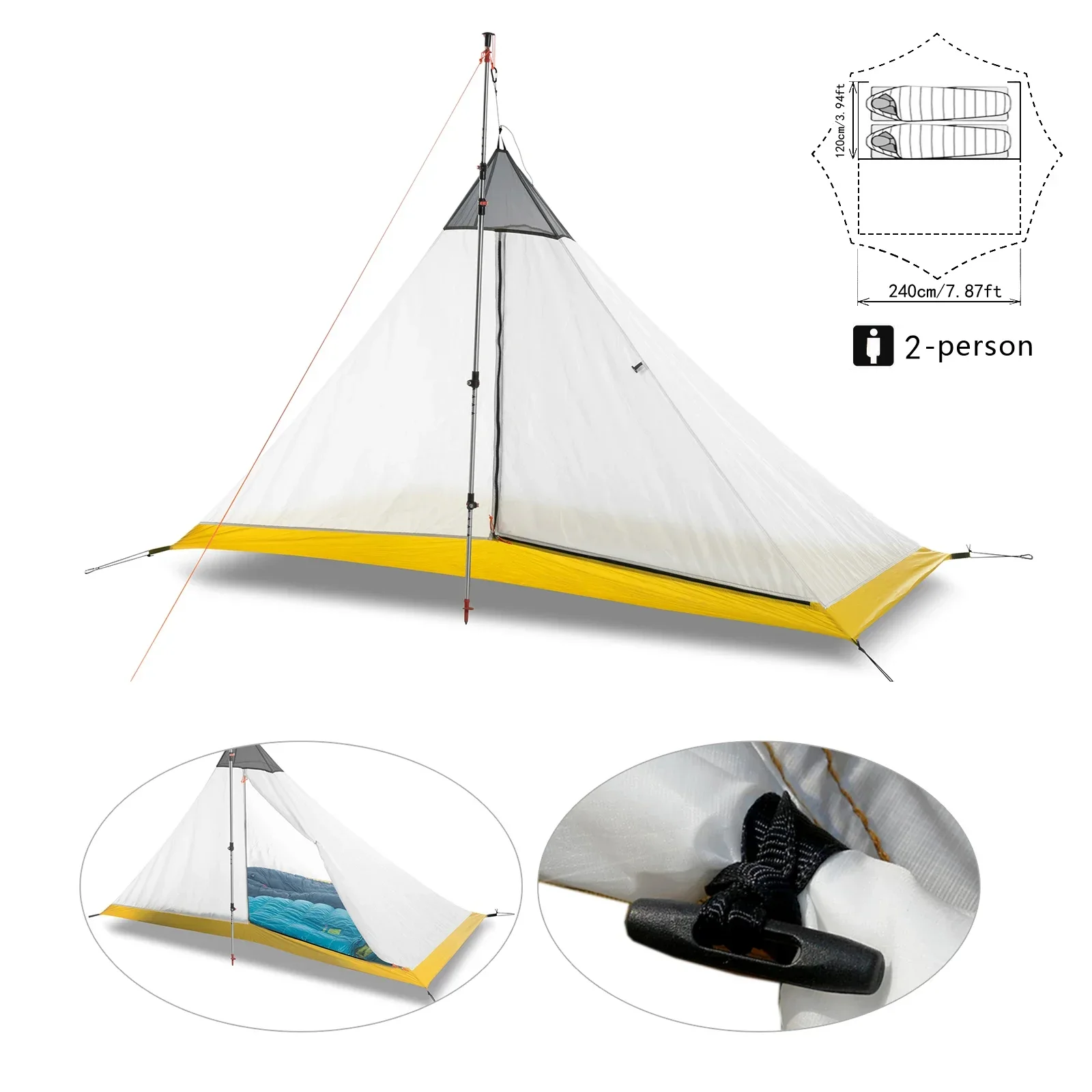
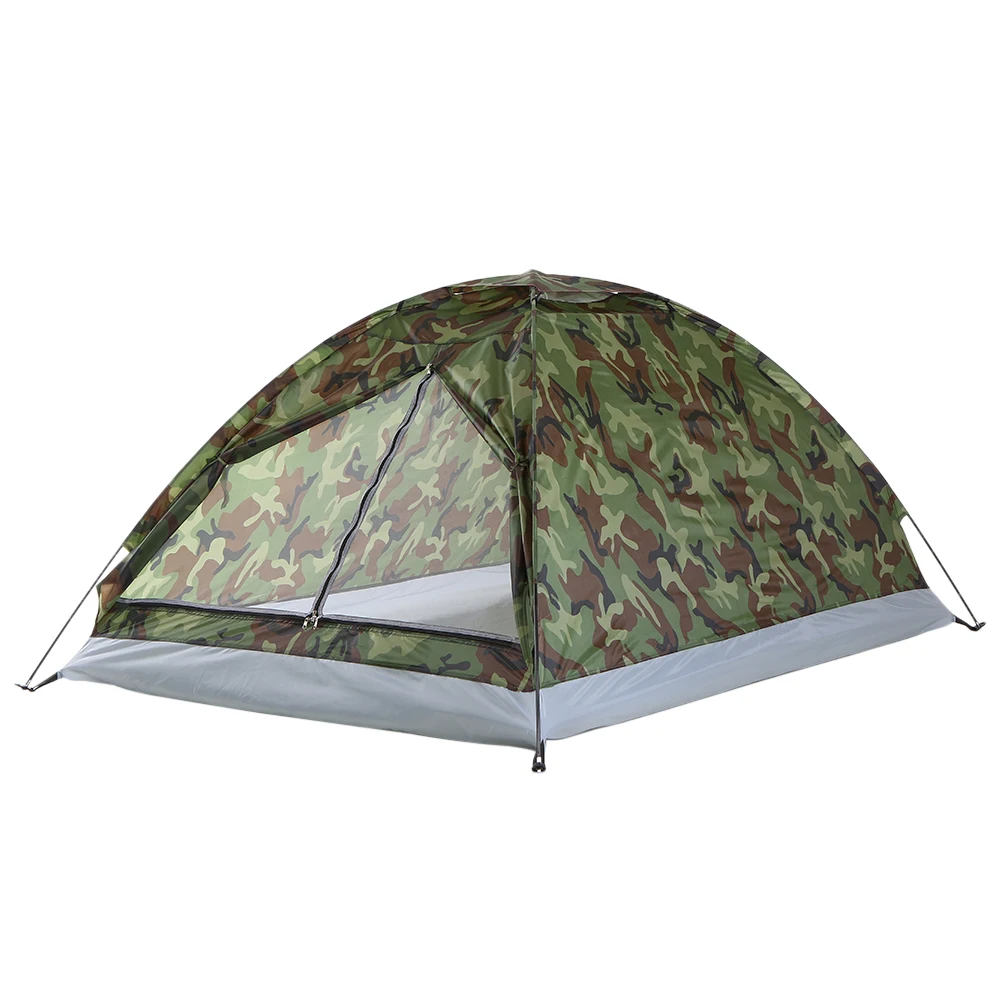
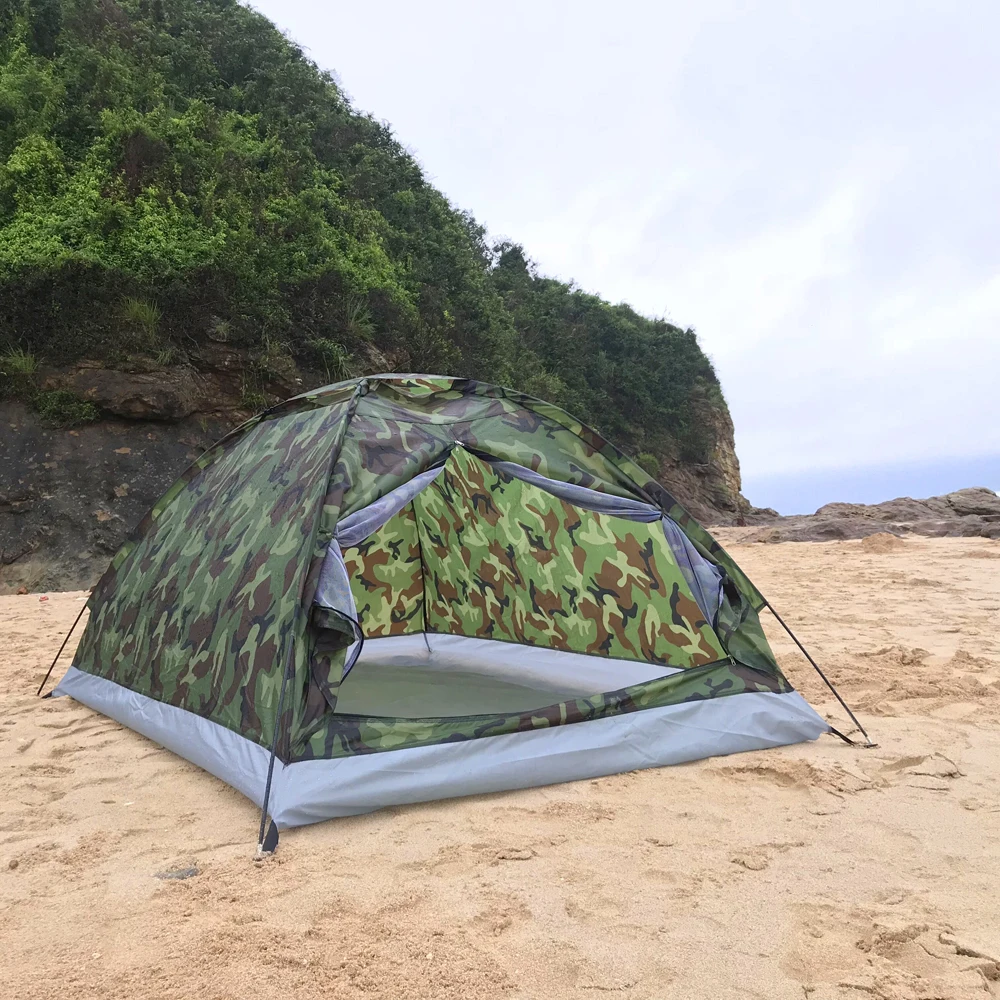
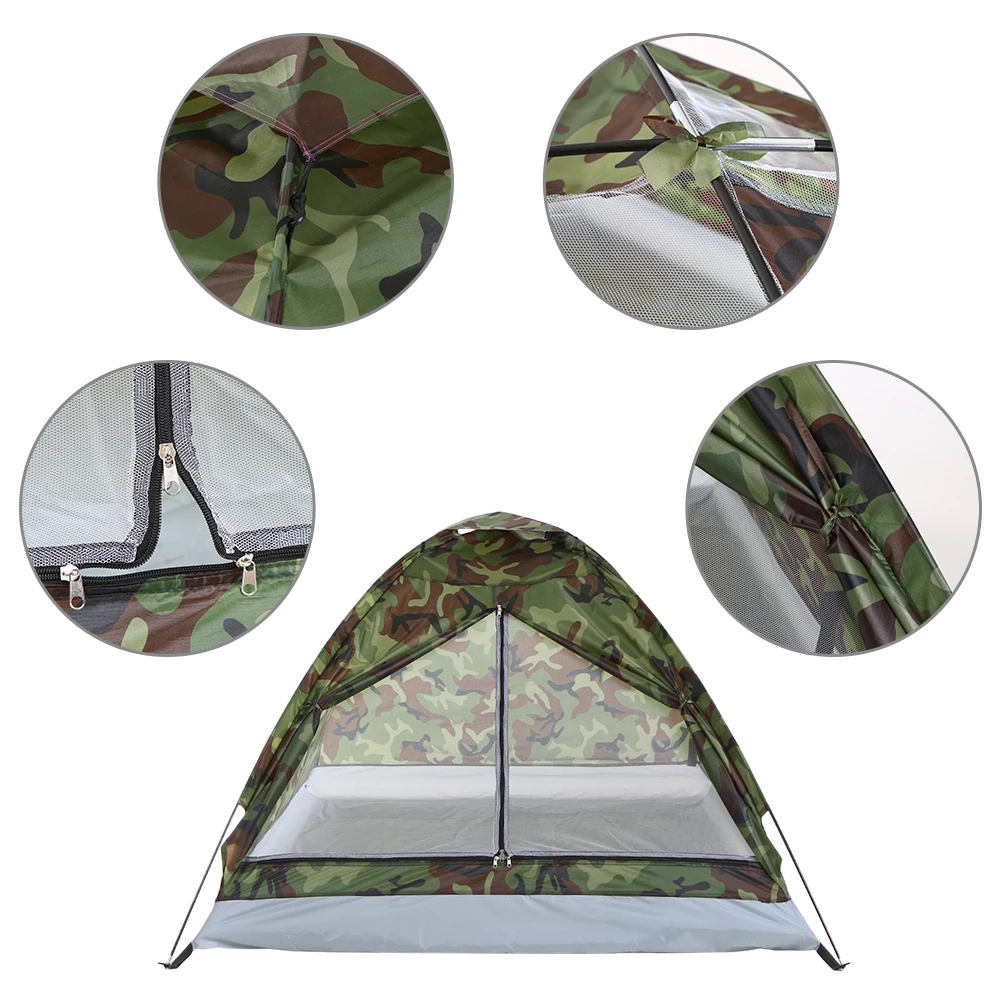
- Summer tents are single-layer tents, pop-up beach tents and mesh tents: light and airy for warm nights. See summer tents.
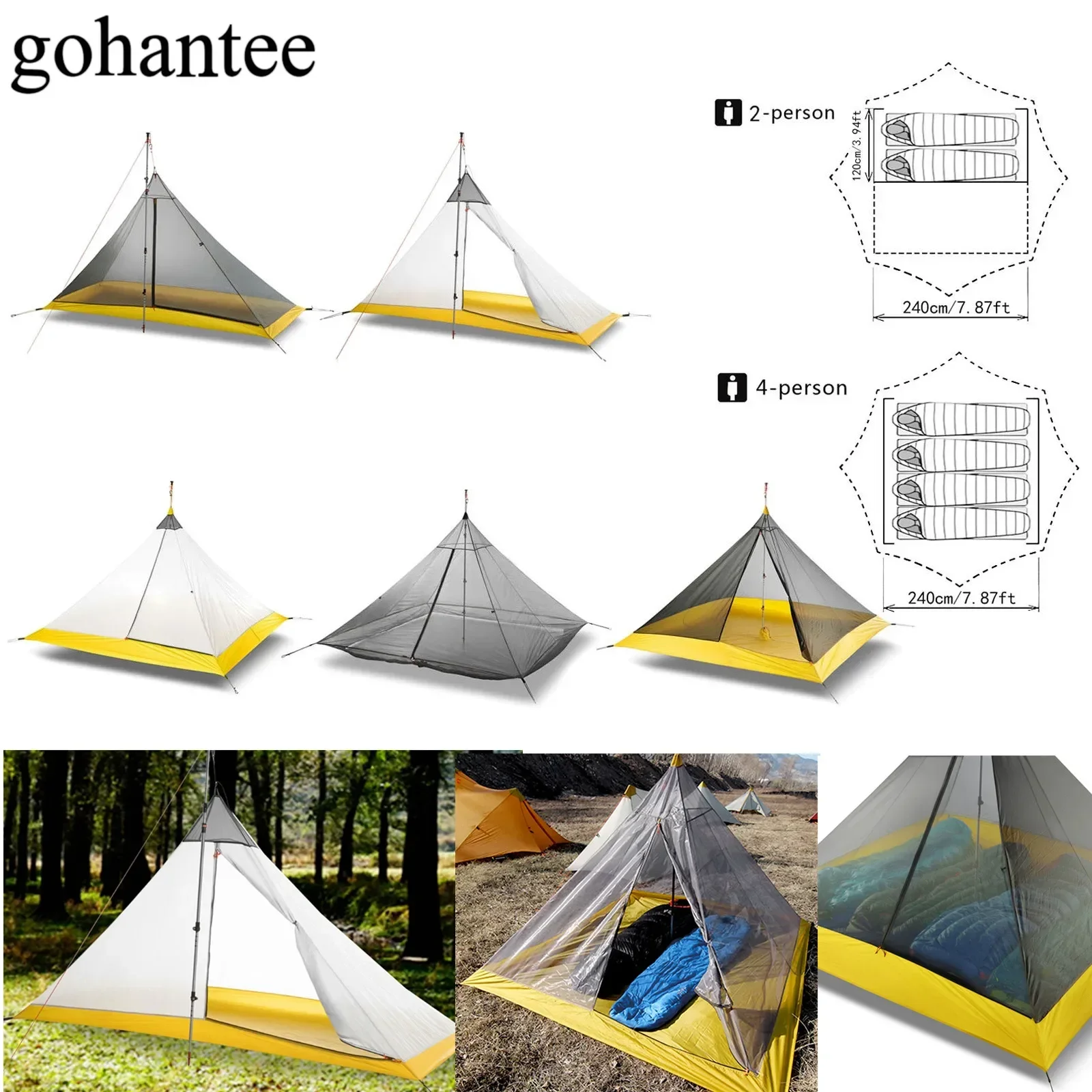
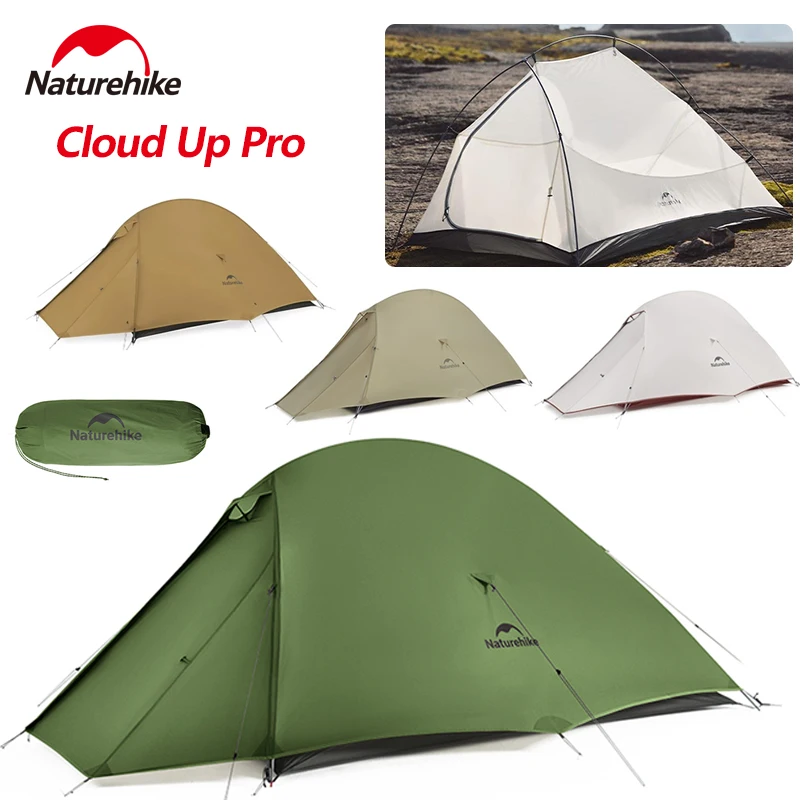
- 3-season tents are mostly lightweight backpacking and trekking tents, double layer with a mesh inner. See 3-season tents.
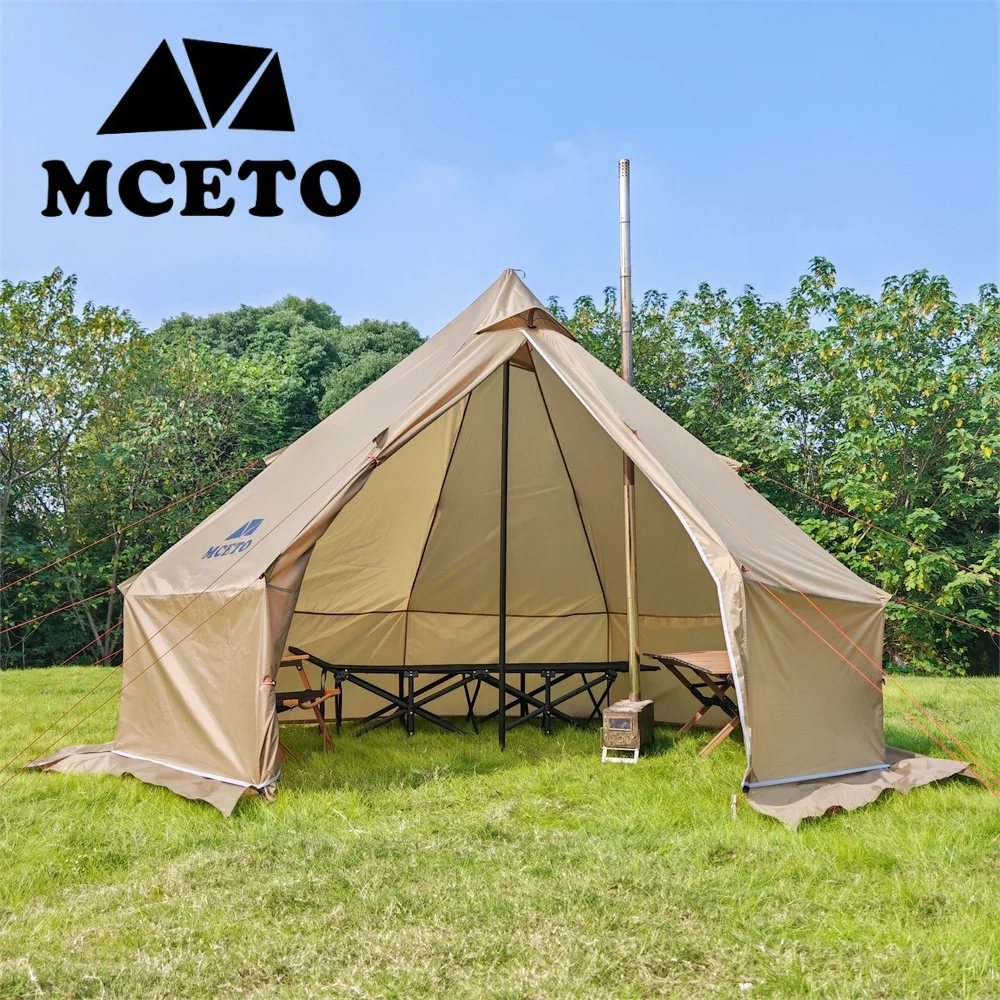
- 4-season tents include hot tents with a stove jack, backpacking tents with a snow skirt, and padded winter fishing tents. See 4-season tents.
What season of tent you need in Britain
For most camping in Britain, a 3-season tent is the right one. It covers campsite weekends from spring to autumn, wet weather included, and walks below the snow line. A summer tent suits festivals, the beach and the garden in warm weather, but on a cold, still night a single skin gets damp inside, and a lot of mesh lets the warmth out. A 4-season tent is worth its extra weight for winter camping, snow, high and exposed pitches, or a stove. In the height of summer it can be warm inside, because it is built to keep the heat in.
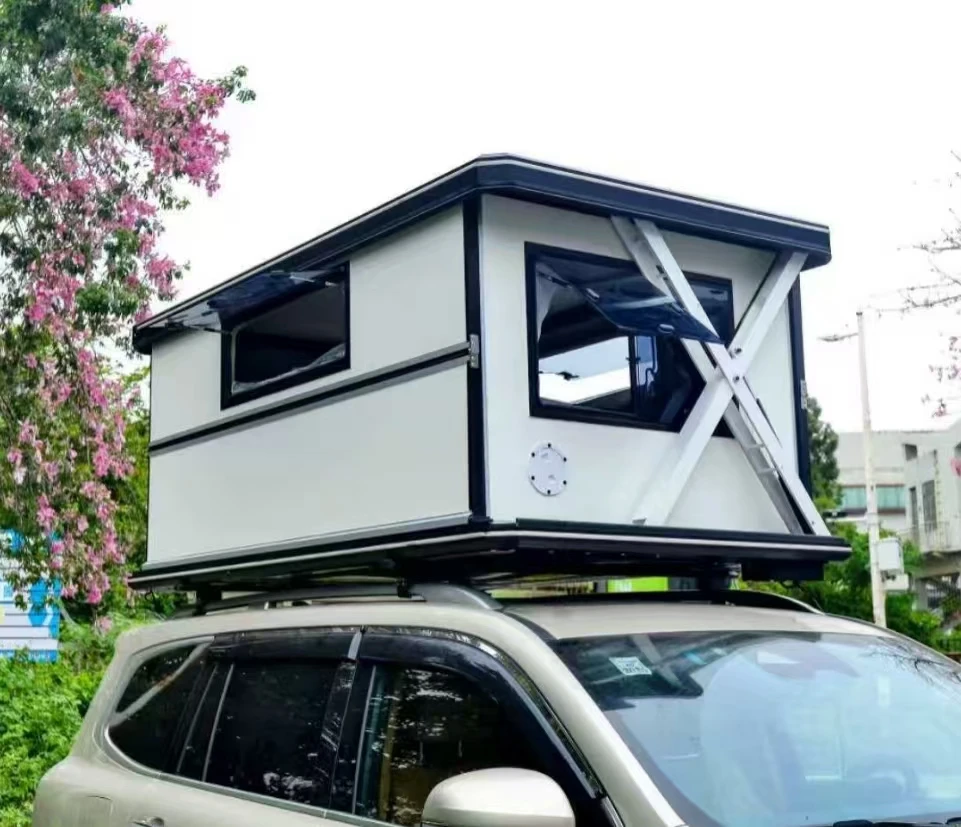
Some makers call a tent "four-season" when they mean it can be pitched in any month, and that includes a few pop-up and car tents. For real winter use, look for the snow skirt, the poles and how much of the inner tent is mesh.
Questions people ask about tent seasons
Can I use a 3-season tent in winter?
On a sheltered campsite on a mild winter night, with a warm sleeping bag and a good mat, often yes. Not in snow or in strong winds on the hills: that is what a 4-season tent is for.
Are 4-season tents heavier?
Usually a little. The Archeos 3-person tent here weighs 3.5kg in its 3-season version and 3.9kg in its 4-season version, which adds a snow skirt and has less mesh in the inner tent.
Can I take a stove into a winter tent?
Only into a hot tent with a stove jack, using the stove made for it, and with a carbon monoxide alarm. Never take a barbecue or a stove without a flue into any tent: carbon monoxide kills. See hot tents with a stove jack.
More to look at